.avif)

Gulf crude exporters trading at $109/barrel Brent with 8.1% weekly gains face a structural war risk premium that could compress by $2-5/barrel if Saudi Arabia's proposed Iran non-aggression framework gains traction. But the pact confronts an insurmountable obstacle: Israel's exclusion from any framework leaves the primary conflict driver intact, offering no mechanism to prevent future shipping disruptions through the Strait of Hormuz the 34 kilometre chokepoint that carries 20% of global seaborne oil trade and has been largely blocked since February 28, 2026.
According to diplomatic sources cited by the Financial Times, Saudi Arabia has floated a Helsinki-inspired non-aggression pact between Gulf states and Iran after the US-Israeli war on Tehran. The proposed framework draws inspiration from the 1975 Helsinki Accords agreements between the US, USSR, and European allies that improved security and economic relations during the Cold War through structured dialogue and confidence building measures. For large integrated traders (Trafigura, Vitol, Saudi Aramco Trading) with derivatives access, success would justify unwinding Hormuz disruption hedges worth approximately $15-25/MT on forward crude positions. For smaller Gulf exporters independent oil companies, regional state entities without sophisticated hedging capability, the framework represents their only path to securing predictable export margins beyond bilateral insurance arrangements.
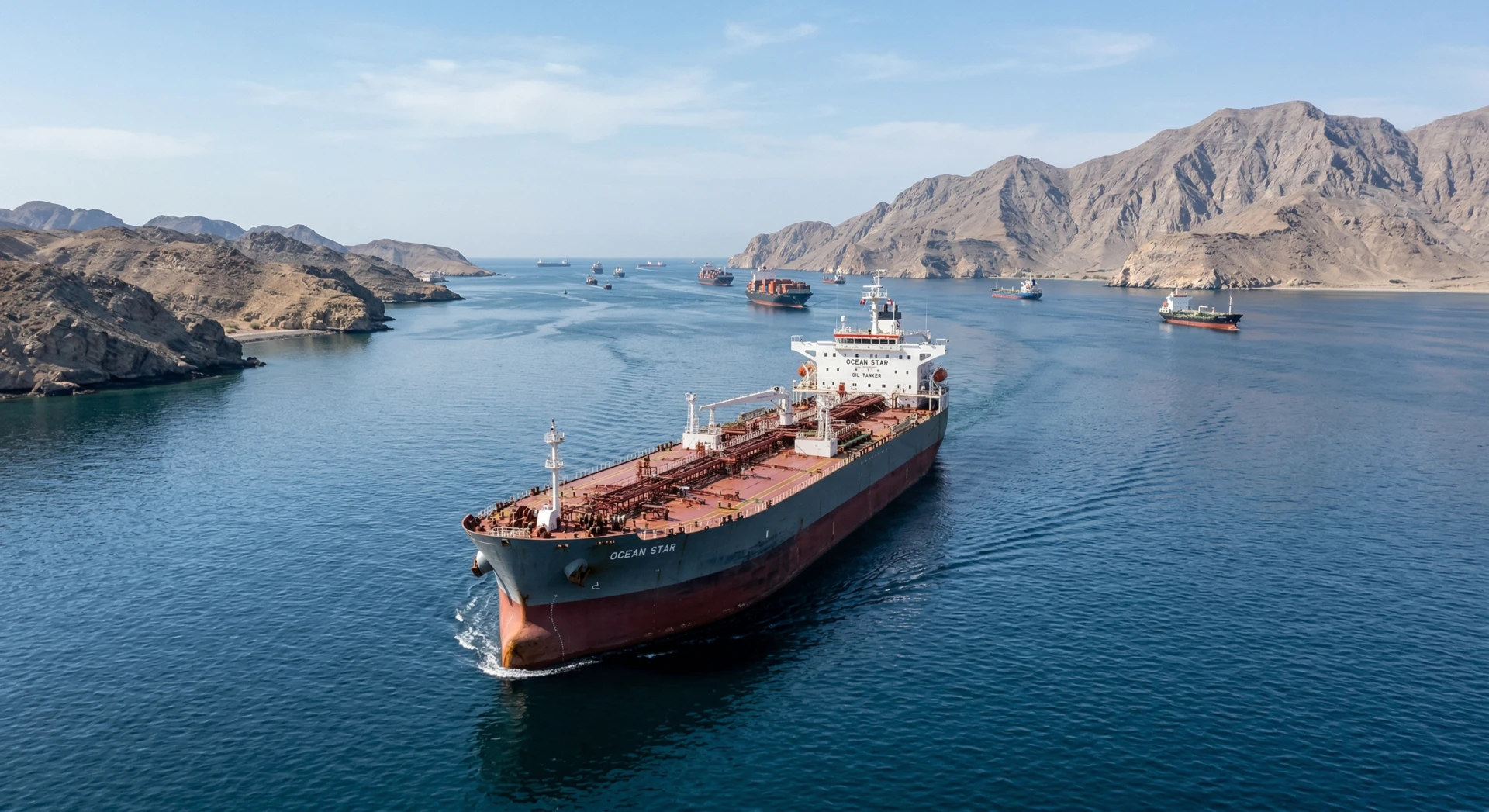
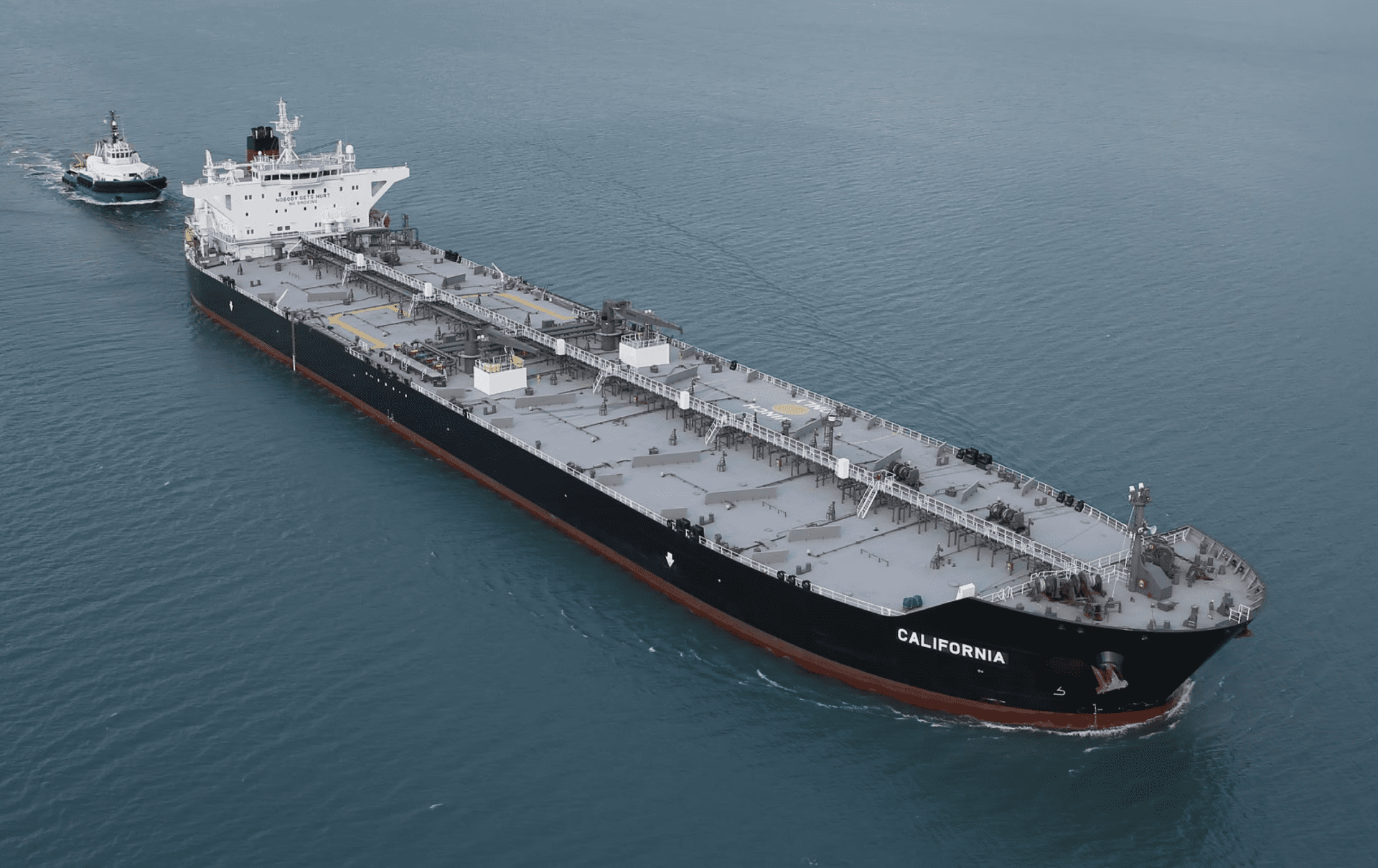
An unnamed Arab diplomat warned that "without Israel it could be counter-productive because after Iran, they are seen as the biggest source of conflict," describing Israel as "the elephant in the room." This creates a paradox for margin anatomy. The recent six week conflict saw Iran launch attacks across the region and lock down Hormuz traffic, with the Iranian Revolutionary Guard Corps issuing warnings forbidding passage, boarding merchant ships, and laying sea mines. Consider a standard 2 million barrel VLCC cargo from Ras Tanura to Japan: pre-war, the voyage earned approximately $28 million in freight at $14/MT rates. With current disruptions dropping crude flows through Hormuz by 4 million barrels per day and the IEA warning the market could remain undersupplied through October, alternative route premiums have pushed the same cargo to $45 million via Cape of Good Hope routing a $17 million freight windfall that accrues entirely to vessel operators, not cargo owners.
European countries and EU institutions support the Saudi proposal as a way to prevent future conflict and provide Iran with security guarantees. The buy-side calculus is straightforward: Asian refineries (JXTG, SK Innovation, Reliance) face delivered crude costs inflated by $8-12/barrel war risk premiums and alternative routing surcharges. While geopolitical disruption linked to Hormuz has kept physical markets tight, UBS believes the recent risk premium will fade over medium term as supply conditions improve. A credible non-aggression framework could eliminate $3-8/barrel in war risk premiums, reducing feedstock costs for refiners by $300-800 million annually based on typical 3 million barrel monthly Hormuz crude imports. On the sell side: Gulf producers (Saudi Aramco, ADNOC, Kuwait Petroleum) sacrifice $2-5/barrel in realized prices due to compressed margins from alternative route costs and delayed cargo deliveries that miss pricing windows.
The proposed framework aims to establish formal security assurances and crisis communication channels between regional rivals, building on the China brokered normalization between Saudi Arabia and Iran in March 2023. But enforcement mechanisms remain undefined. Some analysts consider Iran's threatened closure of Hormuz a violation of international law under the UN Convention on the Law of the Sea, which Iran has signed but not ratified. For freight operators, the distinction is academic traffic through Hormuz has been reduced to just 191 vessels in April versus 3,000 monthly pre-war, with daily transits falling to near zero since May 6. This creates margin concentration at choke points: Suez Canal alternative route operators earn premium rates while Hormuz dependent vessels remain idle, collecting demurrage but losing positioning for subsequent fixtures.
Regional divisions complicate any pact implementation, with the emerging rivalry between Saudi Arabia and UAE putting the two most powerful Gulf countries on opposite sides regarding post-war relations with Tehran. The UAE has been the most hawkish Gulf state toward Iran during the war while signaling closer Israeli ties, with two diplomatic sources expressing doubt whether UAE would sign any Iran agreement. This fragments the seller coalition: Saudi crude exports benefit from normalized Iran relations that reduce regional tension premiums, while UAE producers prefer containing Iranian capacity through continued isolation. The split creates arbitrage opportunities Saudi crude trading at discounts to UAE grades when geopolitical risk premiums compress unevenly across Gulf exporters based on their diplomatic positioning.
The de facto closure of Hormuz has caused a historic global energy supply shock that dramatically raised oil and gas prices, but no mechanism exists to prevent recurrence. Starting March 4, Iranian forces declared the Strait "closed," threatening and carrying out attacks on ships attempting transit, with an Iranian official specifically threatening ships with attack. Iran retains the physical infrastructure and demonstrated capability to repeat this closure regardless of diplomatic agreements. Commercial shipping through Hormuz appears increasingly subject to Iranian conditions, with vessels coordinating through designated intermediaries and paying additional fees to transit. A non-aggression pact provides no technical solution to Iran's asymmetric control over the 34 kilometre chokepoint the narrowest maritime passage for one-fifth of global oil trade.
UBS forecasts Brent crude averaging $100/barrel in June 2026, easing to $95 by September, $90 by December 2026 and $85 by March 2027, expecting oil prices to trend lower as supply disruption risks gradually fade. But this timeline assumes diplomatic progress without addressing the structural vulnerability. Hormuz carries a smaller share of total seaborne trade than some major chokepoints, but traffic moving into and out of the Persian Gulf cannot easily reroute when disruptions occur. For observers tracking the framework's viability: monitor Saudi-UAE diplomatic coordination through joint statements on Iran policy, scheduled for the June 15 Gulf Cooperation Council summit in Kuwait. Divergent positioning signals framework collapse; unified messaging indicates potential progress despite Israel's exclusion.
.jpg)
'%3e%3cg id='Final-Copy-2_2_' transform='translate(1275.000000, 200.000000)'%3e%3cpath class='st0' d='M7.4,12.8h6.8l3.1-11.6H7.4C4.2,1.2,1.6,3.8,1.6,7S4.2,12.8,7.4,12.8z'/%3e%3c/g%3e%3c/g%3e%3c/g%3e%3cg id='final---dec.11-2020'%3e%3cg id='_x30_208-our-toggle' transform='translate(-1275.000000, -200.000000)'%3e%3cg id='Final-Copy-2' transform='translate(1275.000000, 200.000000)'%3e%3cpath class='st1' d='M22.6,0H7.4c-3.9,0-7,3.1-7,7s3.1,7,7,7h15.2c3.9,0,7-3.1,7-7S26.4,0,22.6,0z M1.6,7c0-3.2,2.6-5.8,5.8-5.8 h9.9l-3.1,11.6H7.4C4.2,12.8,1.6,10.2,1.6,7z'/%3e%3cpath id='x' class='st2' d='M24.6,4c0.2,0.2,0.2,0.6,0,0.8l0,0L22.5,7l2.2,2.2c0.2,0.2,0.2,0.6,0,0.8c-0.2,0.2-0.6,0.2-0.8,0 l0,0l-2.2-2.2L19.5,10c-0.2,0.2-0.6,0.2-0.8,0c-0.2-0.2-0.2-0.6,0-0.8l0,0L20.8,7l-2.2-2.2c-0.2-0.2-0.2-0.6,0-0.8 c0.2-0.2,0.6-0.2,0.8,0l0,0l2.2,2.2L23.8,4C24,3.8,24.4,3.8,24.6,4z'/%3e%3cpath id='y' class='st3' d='M12.7,4.1c0.2,0.2,0.3,0.6,0.1,0.8l0,0L8.6,9.8C8.5,9.9,8.4,10,8.3,10c-0.2,0.1-0.5,0.1-0.7-0.1l0,0 L5.4,7.7c-0.2-0.2-0.2-0.6,0-0.8c0.2-0.2,0.6-0.2,0.8,0l0,0L8,8.6l3.8-4.5C12,3.9,12.4,3.9,12.7,4.1z'/%3e%3c/g%3e%3c/g%3e%3c/g%3e%3c/g%3e%3c/svg%3e) Privacy Choices
Privacy Choices