.avif)
.avif)
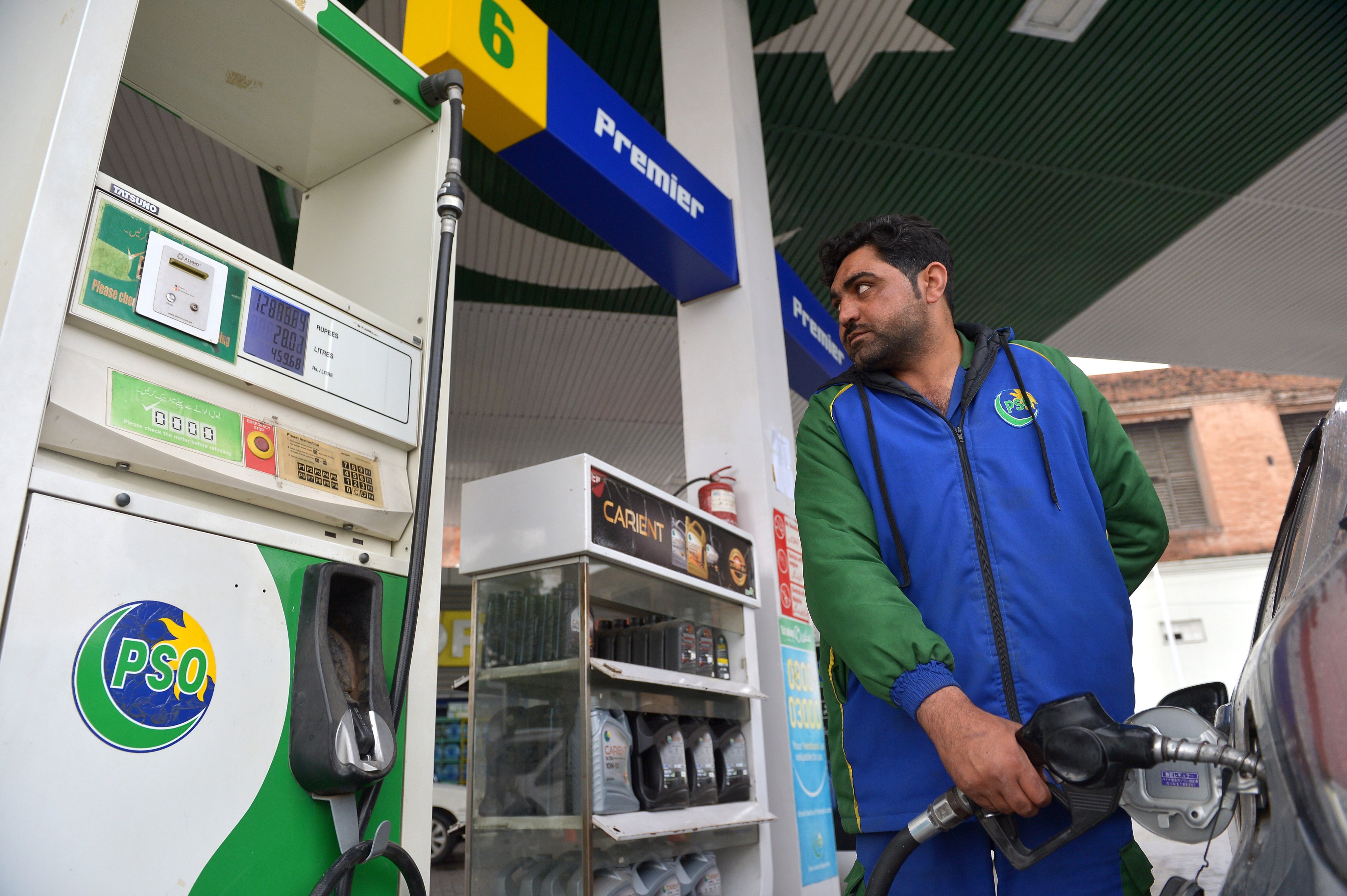
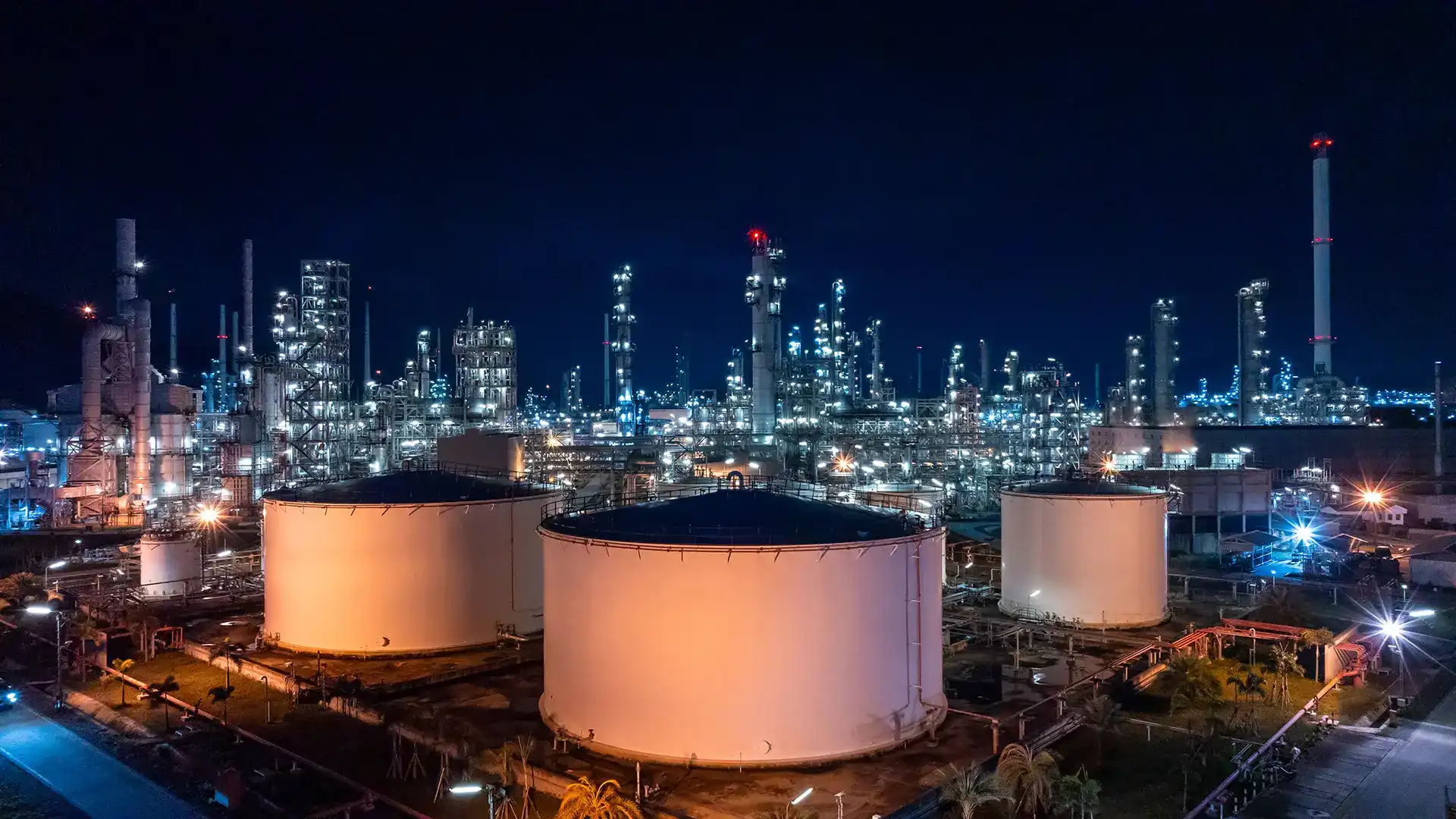
European refineries face margin relief as Brent crude dropped $11 from its Wednesday peak of $126/barrel to around $115/barrel following reports of Trump-Putin diplomatic coordination. The 90 minute phone call covered Iran ceasefire extension support and Persian Gulf stabilization efforts, prompting energy traders to cut geopolitical risk premiums by an estimated $4-6/barrel. Consider a mid-sized European refinery processing 150,000 barrels per day: at current crack spreads the margin between crude oil and refined products of roughly $12/barrel, the $11 crude oil price decline adds $1.65 million daily to operating margins. However, these spreads remain compressed by 40% compared to pre-crisis levels of $20/barrel, as product demand destruction from high prices offsets lower input costs.
Trump expressed optimism that a Ukraine deal was "close" while Putin proposed a Victory Day ceasefire for May 9, though the Russian leader's response remained "less conciliatory". The diplomatic coordination represents a shift from pure military escalation risk to managed geopolitical tension. For crude oil traders, this distinction matters commercially. Geopolitical risk premiums the extra margin paid for supply disruption insurance differ markedly from normal market conditions, generating "sharper price increases relative to production declines" and "persistent macroeconomic contractions". The Trump-Putin dialogue suggests markets may transition from crisis pricing to sustained elevated baseline pricing, where $100+ oil becomes the new operational reality rather than emergency premium pricing.
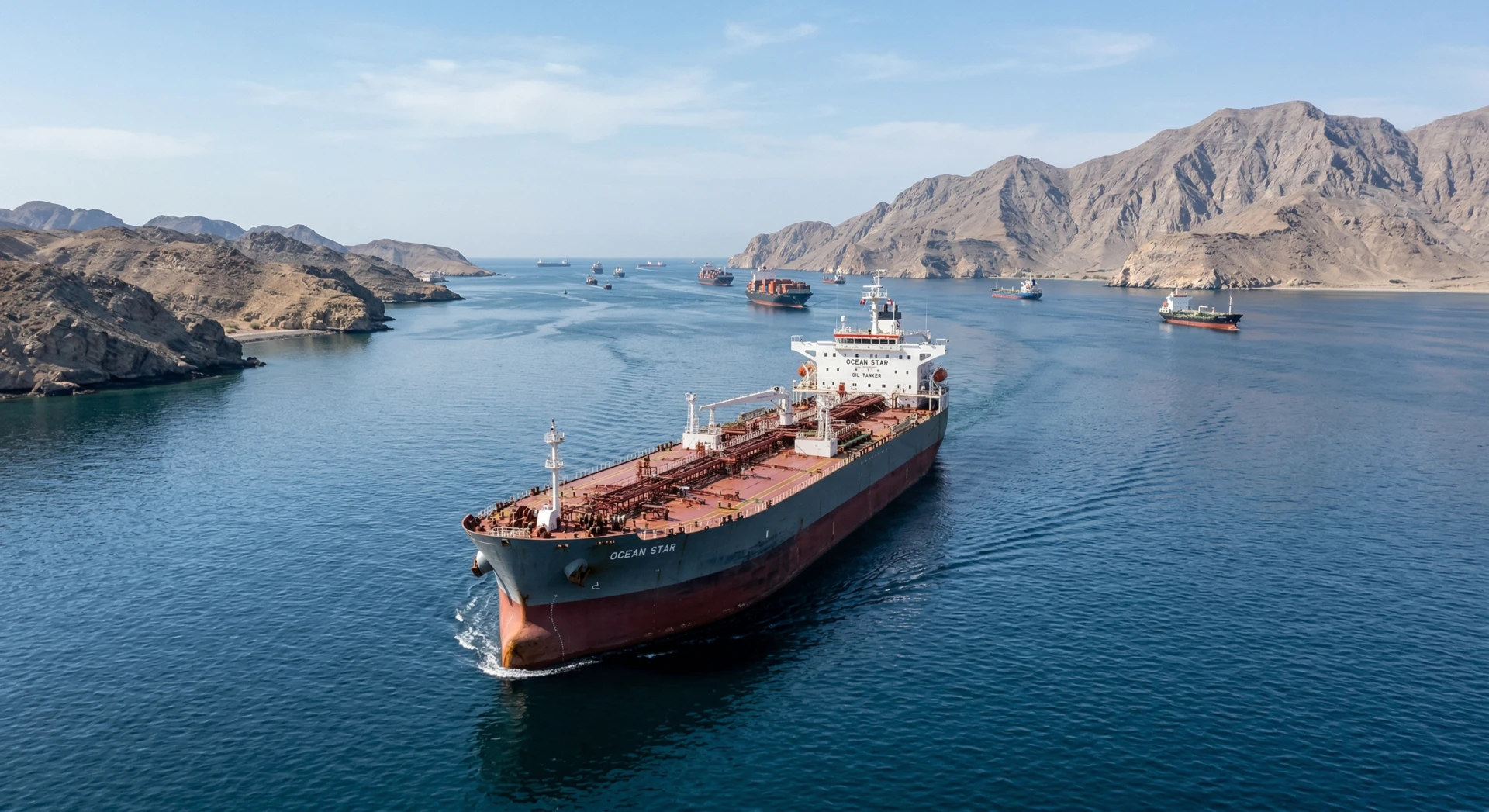
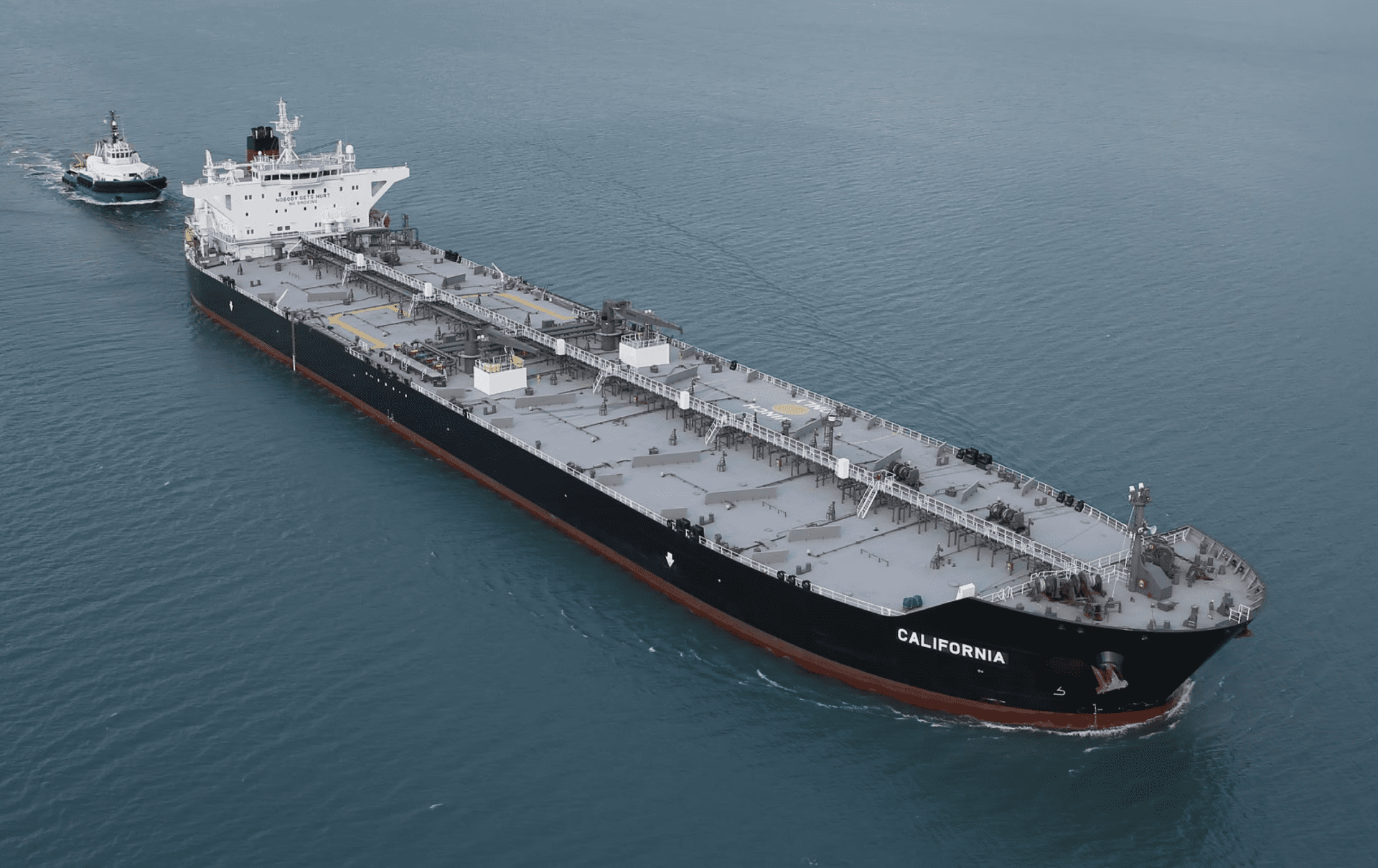
The arithmetic of energy arbitrage remains fundamentally altered despite diplomatic signals. The Strait of Hormuz remains effectively closed with US and Iranian blockades cutting "a major share of global oil flows". This chokepoint a 33 kilometre wide passage through which "around 20 million barrels of oil per day" transit, "representing roughly 20% of global seaborne oil trade" cannot be diplomatically reopened through phone calls alone. The physical reality is that "about 20,000 mariners and 2,000 ships are stranded in the Persian Gulf due to the closure". Until these vessels move and Iranian export terminals restart operations, global supply remains structurally constrained by approximately 12 million barrels daily, equivalent to removing Saudi Arabia's entire production from international markets.
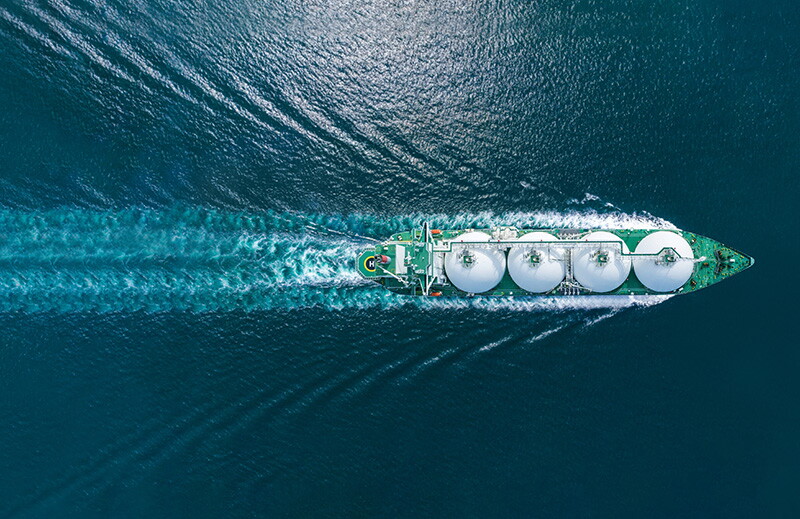
On the buy side: European utilities and industrial gas buyers see natural gas premiums beginning to compress as diplomatic dialogue reduces immediate military escalation risks, with TTF futures for summer delivery declining €5-8/MWh from crisis peaks. However, LNG supply disruption continues with "roughly 12% of global oil supply" removed from markets, "a bigger disruption than the Yom Kippur war, the Iran‑Iraq conflict, the invasion of Kuwait or even the fallout from Ukraine".
On the sell side: Gulf producers maintain elevated realized prices but face export infrastructure bottlenecks that prevent capitalizing on the current premium. Saudi Arabia and UAE continue diverting volumes through alternative export routes, but these pipelines cannot replace Hormuz throughput capacity. For intermediary traders: the contango structure where forward prices trade below spot prices has flattened significantly, reducing storage arbitrage opportunities that had provided 15-25% annualized returns during the initial supply shock.
For large integrated trading houses (Vitol, Trafigura, BP Trading) with derivatives access: the flattening volatility curve allows reducing hedging costs through calendar spreads, selling near-term volatility while maintaining longer-dated protection. Current three month implied volatility of 65% for Brent options suggests excessive war premium that may compress if diplomatic progress continues. For smaller regional operators independent refineries, fuel distributors, regional utilities without derivatives access: the practical equivalent involves fixing supply contracts for 90-180 day periods rather than monthly arrangements, accepting higher upfront costs to secure supply certainty. Many are diversifying supplier bases toward Western Hemisphere producers, though transportation costs to Europe add $3-5/barrel compared to Middle East supply.
Putin backed Trump's Iran ceasefire extension decision and "shared specific proposals on Iran during the call, though the details were not disclosed", while Trump indicated Putin offered uranium enrichment assistance but prioritized Ukraine resolution first. The sequencing matters for energy markets: Iran nuclear negotiations cannot meaningfully progress until Ukraine military operations are suspended, but Ukraine ceasefire sustainability depends partly on energy revenues that require Persian Gulf normalization. This circular dependency explains why diplomatic announcements may have limited near-term commercial impact. The May 9 Victory Day ceasefire test becomes critical if the pause holds and extends beyond symbolic duration, it validates both leaders' capacity to de-escalate in practice, not just rhetoric.
Observers should monitor Brent-WTI spreads as the key forward signal of sustainable de-escalation. Currently at $8-10/barrel, this differential reflects Asian premium demand amid blocked Middle East supply and record US export volumes of "above 6 million barrels per day". Compression below $5/barrel would indicate restored confidence in global supply chain normalization. The timeframe for meaningful change is June 15-30: if diplomatic momentum produces concrete Hormuz reopening arrangements by mid-June, the war premium unwinds completely. If talks stall again, oil prices "could spike toward $140–$150 a barrel if disruptions persist", validating current crisis premium as understated rather than excessive.
.jpg)
'%3e%3cg id='Final-Copy-2_2_' transform='translate(1275.000000, 200.000000)'%3e%3cpath class='st0' d='M7.4,12.8h6.8l3.1-11.6H7.4C4.2,1.2,1.6,3.8,1.6,7S4.2,12.8,7.4,12.8z'/%3e%3c/g%3e%3c/g%3e%3c/g%3e%3cg id='final---dec.11-2020'%3e%3cg id='_x30_208-our-toggle' transform='translate(-1275.000000, -200.000000)'%3e%3cg id='Final-Copy-2' transform='translate(1275.000000, 200.000000)'%3e%3cpath class='st1' d='M22.6,0H7.4c-3.9,0-7,3.1-7,7s3.1,7,7,7h15.2c3.9,0,7-3.1,7-7S26.4,0,22.6,0z M1.6,7c0-3.2,2.6-5.8,5.8-5.8 h9.9l-3.1,11.6H7.4C4.2,12.8,1.6,10.2,1.6,7z'/%3e%3cpath id='x' class='st2' d='M24.6,4c0.2,0.2,0.2,0.6,0,0.8l0,0L22.5,7l2.2,2.2c0.2,0.2,0.2,0.6,0,0.8c-0.2,0.2-0.6,0.2-0.8,0 l0,0l-2.2-2.2L19.5,10c-0.2,0.2-0.6,0.2-0.8,0c-0.2-0.2-0.2-0.6,0-0.8l0,0L20.8,7l-2.2-2.2c-0.2-0.2-0.2-0.6,0-0.8 c0.2-0.2,0.6-0.2,0.8,0l0,0l2.2,2.2L23.8,4C24,3.8,24.4,3.8,24.6,4z'/%3e%3cpath id='y' class='st3' d='M12.7,4.1c0.2,0.2,0.3,0.6,0.1,0.8l0,0L8.6,9.8C8.5,9.9,8.4,10,8.3,10c-0.2,0.1-0.5,0.1-0.7-0.1l0,0 L5.4,7.7c-0.2-0.2-0.2-0.6,0-0.8c0.2-0.2,0.6-0.2,0.8,0l0,0L8,8.6l3.8-4.5C12,3.9,12.4,3.9,12.7,4.1z'/%3e%3c/g%3e%3c/g%3e%3c/g%3e%3c/g%3e%3c/svg%3e) Privacy Choices
Privacy Choices