.avif)
%20(1).avif)
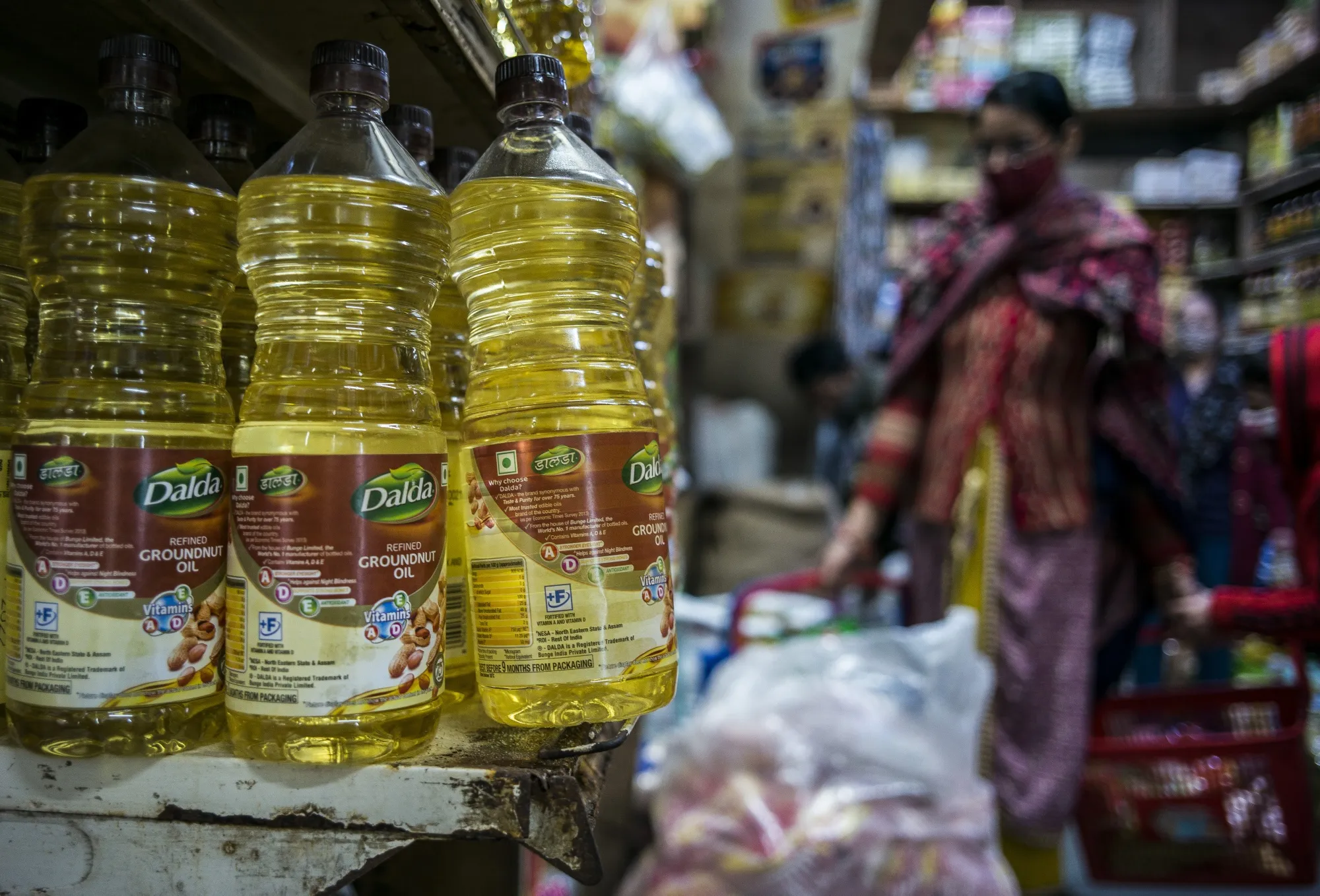
Import dependence fears drive Indian Edible Oil Importers to reassess exposure after Prime Minister Modi's conservation call triggers ₹1.61 lakh crore rethink. Import dependence the percentage of domestic consumption met through foreign purchases forces nations to accept price volatility, currency risk, and supply disruptions beyond their control. India imported 16 million tonnes of edible oils for nearly ₹1.61 lakh crore during the 2024-25 marketing year, making the industry vulnerable to global market shifts that can quickly translate into domestic inflation. The Solvent Extractors' Association (SEA) India's primary edible oil industry body representing processors, refiners, and traders backed Modi's appeal not as dietary advice but as economic strategy. "With climate uncertainties rising, biodiesel mandates tightening global vegetable oil supplies, and geopolitical tensions adding fresh risks, this is perhaps the right moment for the nation to think long term", SEA Executive Director BV Mehta said Monday. India meets around 60 per cent of its domestic demand for edible oils through imports, creating structural exposure that no operational efficiency can hedge.
Palm oil futures on Bursa Malaysia Derivatives the global benchmark for Southeast Asian crude palm oil closed at RM4,561 per metric ton in April 2026, up from earlier lows but still within the volatile range that defines the commodity. Consider a mid-sized Indian edible oil importer bringing in a standard 50,000 tonne shipment of palm oil. At current rates, that cargo costs approximately $62 million delivered to Indian ports. A 10% price spike not uncommon during geopolitical tension or weather disruption adds $6.2 million to the invoice. The same cargo three years ago would have cost roughly $45 million. The difference, $17 million per vessel, comes directly from the importer's margin or passes through as consumer price inflation. Edible oil prices rose 5.9% month on month in April, reaching their highest level since July 2022, according to the Food and Agriculture Organization's world food price index. For traders, the volatility creates opportunity. For importers without derivatives access, it creates exposure.
On the buy side, integrated players like Adani Wilmar trading at P/E ~27.12 as of May 2026 can use derivative instruments to lock in forward prices and hedge currency risk, protecting margins six to twelve months ahead. Smaller regional distributors and cooperative societies lack this sophistication, instead relying on inventory management and supplier diversification to smooth price volatility. India's edible oil imports have largely remained stable in the range of 15-17 million metric tonnes annually. In March 2026, imports rose 11% year on year to 1.19 million tonnes. On the sell side, domestic oilseed producers face the opposite pressure: import dependence caps their pricing power. When global palm oil or soy oil prices drop, Indian mustard, sunflower, and groundnut oils must follow or lose market share to imports. The National Mission on Edible Oils-Oilseeds targeting higher domestic production by 2030-31 addresses this structurally, but current farmers remain price takers against international benchmarks.
For large integrated traders with global footprints (Cargill, Louis Dreyfus, Bunge), Modi's consumption reduction appeal barely registers against structural demand growth from India's expanding middle class. India remains "the largest structural demand hub dictating global flows", as one industry executive noted. But for regional oil processors and distributors, a meaningful consumption shift would reduce competitive pressure on margins and allow slightly higher premiums for locally produced oils. Shah cautioned that supply tightness is likely to persist in the medium term. Despite India's heavy import dependence, the government is actively working to boost domestic production through initiatives such as the National Mission on Oil Palm and the National Mission on Oilseeds, which have committed nearly $2.5 billion towards expanding oilseed production. The consumption campaign targets cultural behaviour that trade policy cannot touch directly.
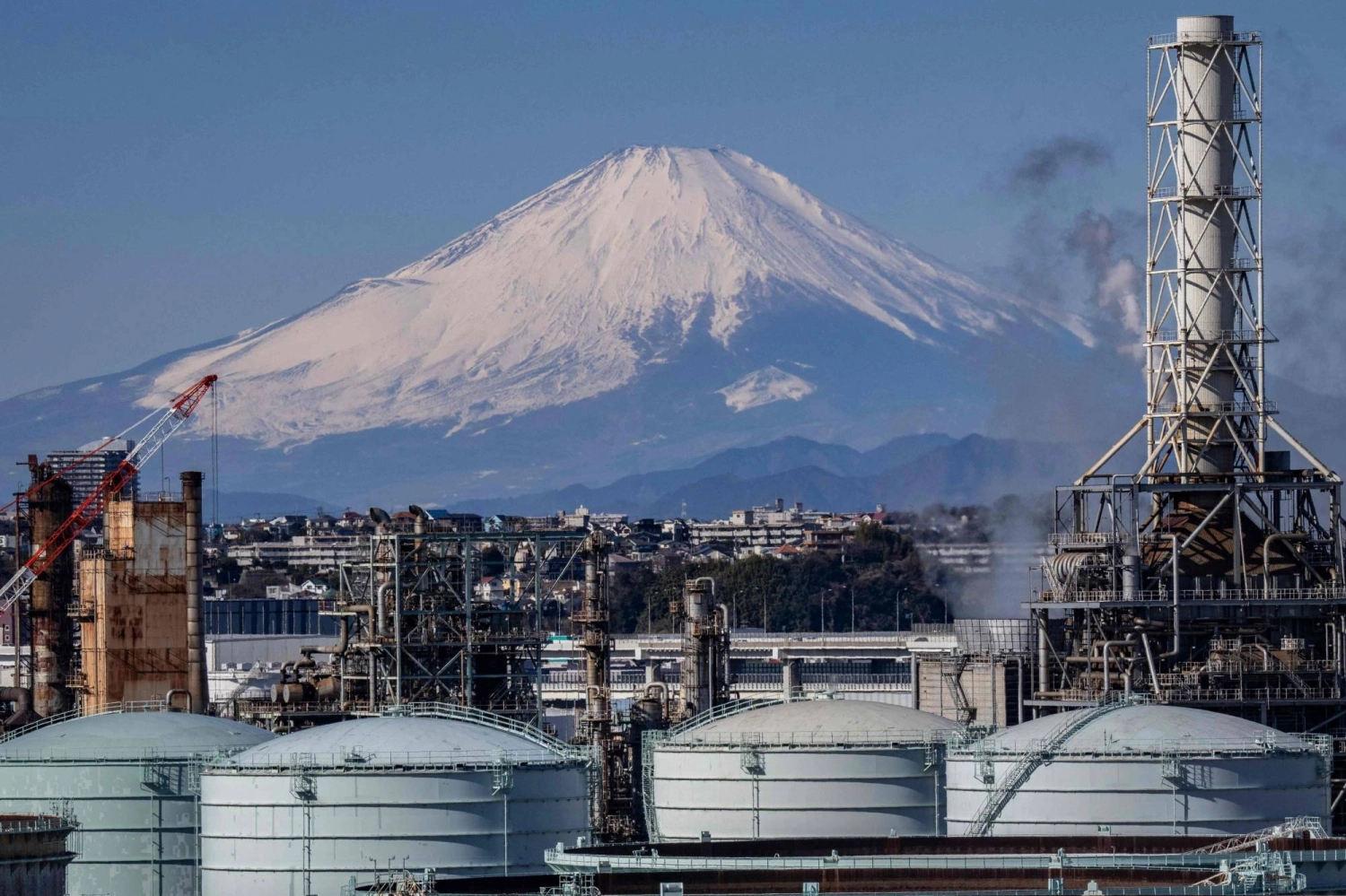
"In the 2026/27 marketing year, three forces will play a key role weak monsoons, high crude oil prices, and rising global biofuel demand tightening vegetable oil availability." Shah warned that vegetable oil inflation could edge higher due to weak monsoons, crude oil volatility, fertilizer shortages, gas-linked production constraints, and biofuel mandates reducing global palm oil supply. For observers tracking import vulnerability, monitor the Brent-soy oil spread when crude oil rises faster than agricultural commodities, biodiesel mandates divert vegetable oils from food markets into fuel production, tightening supply. Watch the rupee-dollar rate against edible oil import volumes: a weaker rupee forces import rationing that shows up first in smaller distributors cutting inventory. The Indonesian B50 biodiesel mandate increasing palm oil biodiesel blending to 50% from July 2026 will remove roughly 3-4 million tonnes of palm oil from global food markets annually, equivalent to 25% of India's total edible oil imports. Track the Jakarta-Mumbai freight spread against crude oil prices through Q3 2026; supply disruptions compound quickly when both commodity and logistics costs spike simultaneously.
.jpg)


'%3e%3cg id='Final-Copy-2_2_' transform='translate(1275.000000, 200.000000)'%3e%3cpath class='st0' d='M7.4,12.8h6.8l3.1-11.6H7.4C4.2,1.2,1.6,3.8,1.6,7S4.2,12.8,7.4,12.8z'/%3e%3c/g%3e%3c/g%3e%3c/g%3e%3cg id='final---dec.11-2020'%3e%3cg id='_x30_208-our-toggle' transform='translate(-1275.000000, -200.000000)'%3e%3cg id='Final-Copy-2' transform='translate(1275.000000, 200.000000)'%3e%3cpath class='st1' d='M22.6,0H7.4c-3.9,0-7,3.1-7,7s3.1,7,7,7h15.2c3.9,0,7-3.1,7-7S26.4,0,22.6,0z M1.6,7c0-3.2,2.6-5.8,5.8-5.8 h9.9l-3.1,11.6H7.4C4.2,12.8,1.6,10.2,1.6,7z'/%3e%3cpath id='x' class='st2' d='M24.6,4c0.2,0.2,0.2,0.6,0,0.8l0,0L22.5,7l2.2,2.2c0.2,0.2,0.2,0.6,0,0.8c-0.2,0.2-0.6,0.2-0.8,0 l0,0l-2.2-2.2L19.5,10c-0.2,0.2-0.6,0.2-0.8,0c-0.2-0.2-0.2-0.6,0-0.8l0,0L20.8,7l-2.2-2.2c-0.2-0.2-0.2-0.6,0-0.8 c0.2-0.2,0.6-0.2,0.8,0l0,0l2.2,2.2L23.8,4C24,3.8,24.4,3.8,24.6,4z'/%3e%3cpath id='y' class='st3' d='M12.7,4.1c0.2,0.2,0.3,0.6,0.1,0.8l0,0L8.6,9.8C8.5,9.9,8.4,10,8.3,10c-0.2,0.1-0.5,0.1-0.7-0.1l0,0 L5.4,7.7c-0.2-0.2-0.2-0.6,0-0.8c0.2-0.2,0.6-0.2,0.8,0l0,0L8,8.6l3.8-4.5C12,3.9,12.4,3.9,12.7,4.1z'/%3e%3c/g%3e%3c/g%3e%3c/g%3e%3c/g%3e%3c/svg%3e) Privacy Choices
Privacy Choices