.avif)
.avif)
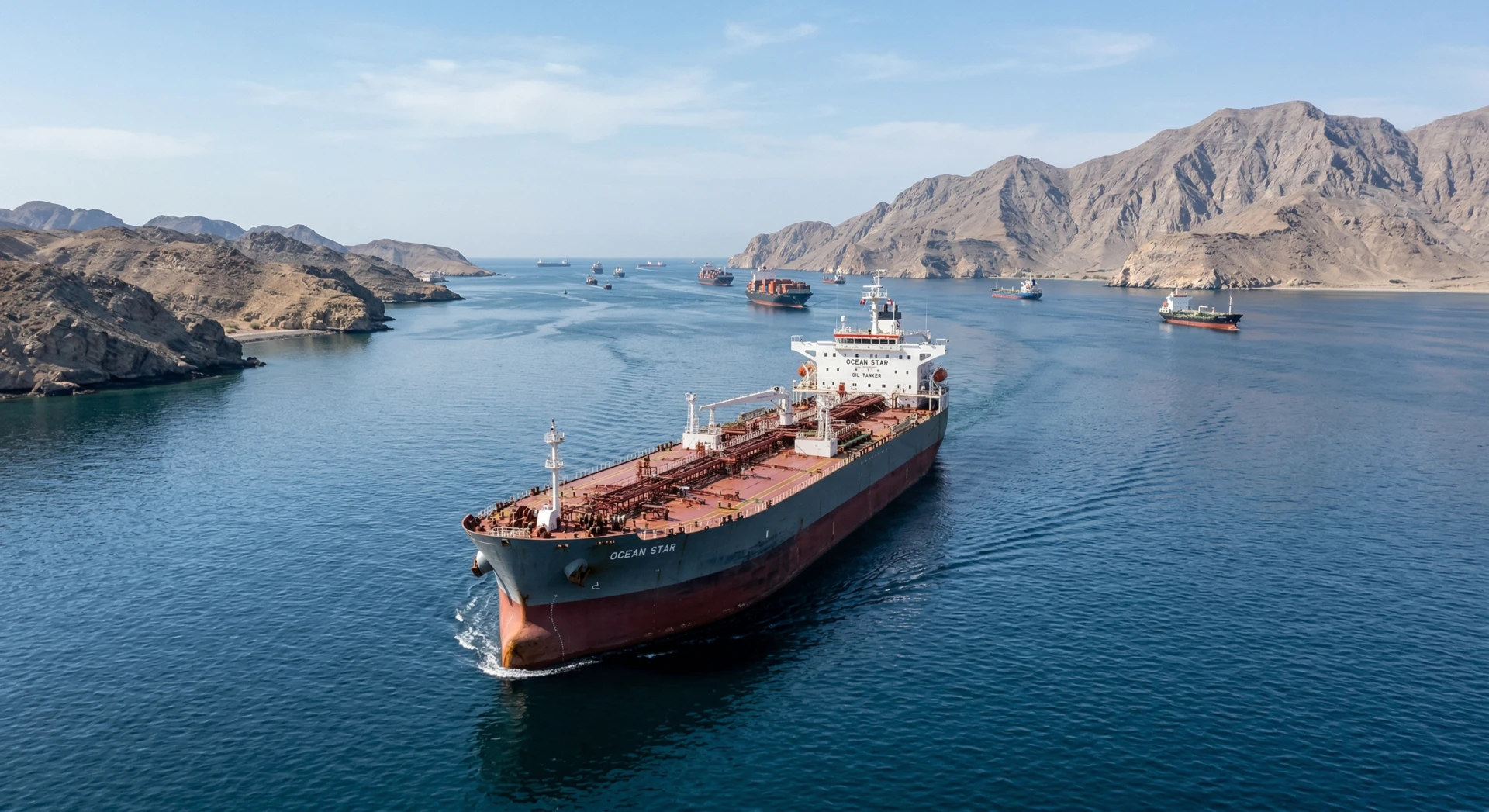
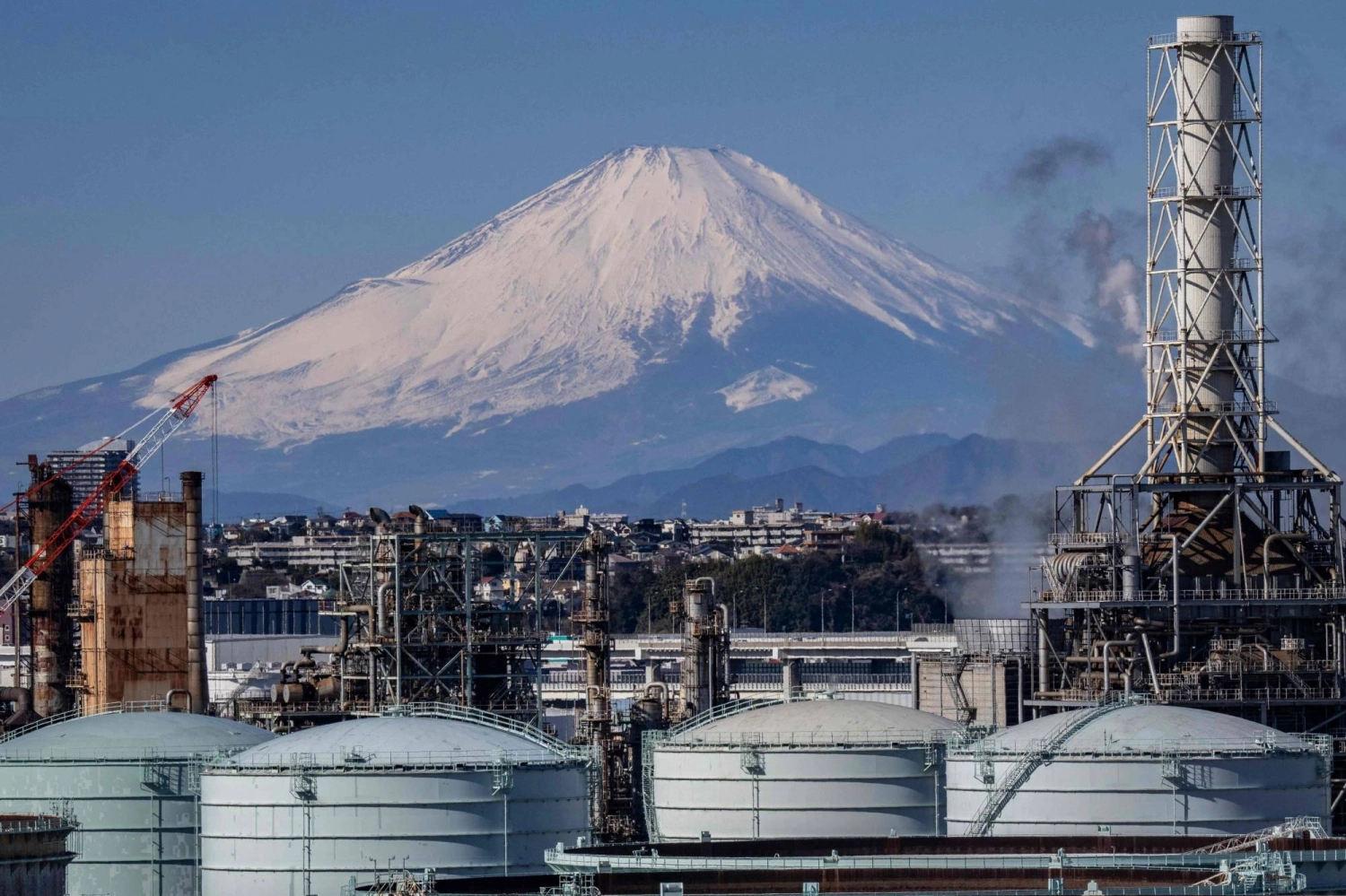
Indian fertilizer buyers with long-term green ammonia contracts face a dual cost structure through at least 2030, paying for promised green supplies while simultaneously securing grey ammonia (conventionally produced using natural gas or coal) for actual production needs. The government's Solar Energy Corporation of India (SECI) has locked in 670,000 tonnes annually through 10-year deals at ₹49.75–64.74 per kg — competitive against international green benchmarks of roughly ₹110 per kg. However, these contracted volumes represent future capacity from projects with typical 3–5 year construction timelines, leaving buyers exposed to spot grey ammonia imports during the transition gap. IFFCO and Coromandel, among the major contracted buyers, must now balance contractual commitments against immediate operational requirements.
The contracting mechanism through SECI's competitive bidding under the SIGHT Programme (Strategic Interventions for Green Hydrogen Transition) creates price certainty but not delivery certainty. Suppliers like Acme Cleantec and NTPC Renewable Energy have committed to specific plant deliveries — for instance, Acme will supply 100,000 tonnes yearly to IFFCO's Paradeep facility at ₹49.75 per kg. Yet green hydrogen production requires significant infrastructure development including electrolyzers, renewable power generation, and ammonia synthesis plants. Buyers face the operational reality of paying take-or-pay commitments on contracts while maintaining grey ammonia procurement to meet immediate fertilizer production schedules.
For sellers, the 10-year government-backed contracts provide financing certainty for capital-intensive green hydrogen projects, with domestic price discovery significantly below international levels creating potential export arbitrage opportunities once domestic obligations are met. The ₹49.75 per kg floor price discovered through SECI bidding offers project developers bankable revenue streams, though they bear construction and commissioning risk. Grey ammonia suppliers, meanwhile, retain market access during the extended transition period, though they face eventual displacement as green capacity comes online. The government's projected $2.5 billion forex savings assumes full substitution of grey imports in non-urea fertilizer applications, creating a ticking clock for domestic green production.
The broader question remains whether India's aggressive green ammonia timeline aligns with global project development realities, where announced capacity often faces delays from permitting, equipment availability, and grid connectivity challenges. Fertilizer buyers must navigate this uncertainty while managing both contracted green commitments and operational grey requirements. For market observers, the key signal will be actual commissioning dates versus contracted delivery schedules — any significant delays will extend the dual-cost period and potentially stress both buyer cash flows and India's fertilizer supply security during peak agricultural seasons.

.jpg)
.jpg)
'%3e%3cg id='Final-Copy-2_2_' transform='translate(1275.000000, 200.000000)'%3e%3cpath class='st0' d='M7.4,12.8h6.8l3.1-11.6H7.4C4.2,1.2,1.6,3.8,1.6,7S4.2,12.8,7.4,12.8z'/%3e%3c/g%3e%3c/g%3e%3c/g%3e%3cg id='final---dec.11-2020'%3e%3cg id='_x30_208-our-toggle' transform='translate(-1275.000000, -200.000000)'%3e%3cg id='Final-Copy-2' transform='translate(1275.000000, 200.000000)'%3e%3cpath class='st1' d='M22.6,0H7.4c-3.9,0-7,3.1-7,7s3.1,7,7,7h15.2c3.9,0,7-3.1,7-7S26.4,0,22.6,0z M1.6,7c0-3.2,2.6-5.8,5.8-5.8 h9.9l-3.1,11.6H7.4C4.2,12.8,1.6,10.2,1.6,7z'/%3e%3cpath id='x' class='st2' d='M24.6,4c0.2,0.2,0.2,0.6,0,0.8l0,0L22.5,7l2.2,2.2c0.2,0.2,0.2,0.6,0,0.8c-0.2,0.2-0.6,0.2-0.8,0 l0,0l-2.2-2.2L19.5,10c-0.2,0.2-0.6,0.2-0.8,0c-0.2-0.2-0.2-0.6,0-0.8l0,0L20.8,7l-2.2-2.2c-0.2-0.2-0.2-0.6,0-0.8 c0.2-0.2,0.6-0.2,0.8,0l0,0l2.2,2.2L23.8,4C24,3.8,24.4,3.8,24.6,4z'/%3e%3cpath id='y' class='st3' d='M12.7,4.1c0.2,0.2,0.3,0.6,0.1,0.8l0,0L8.6,9.8C8.5,9.9,8.4,10,8.3,10c-0.2,0.1-0.5,0.1-0.7-0.1l0,0 L5.4,7.7c-0.2-0.2-0.2-0.6,0-0.8c0.2-0.2,0.6-0.2,0.8,0l0,0L8,8.6l3.8-4.5C12,3.9,12.4,3.9,12.7,4.1z'/%3e%3c/g%3e%3c/g%3e%3c/g%3e%3c/g%3e%3c/svg%3e) Privacy Choices
Privacy Choices