.avif)
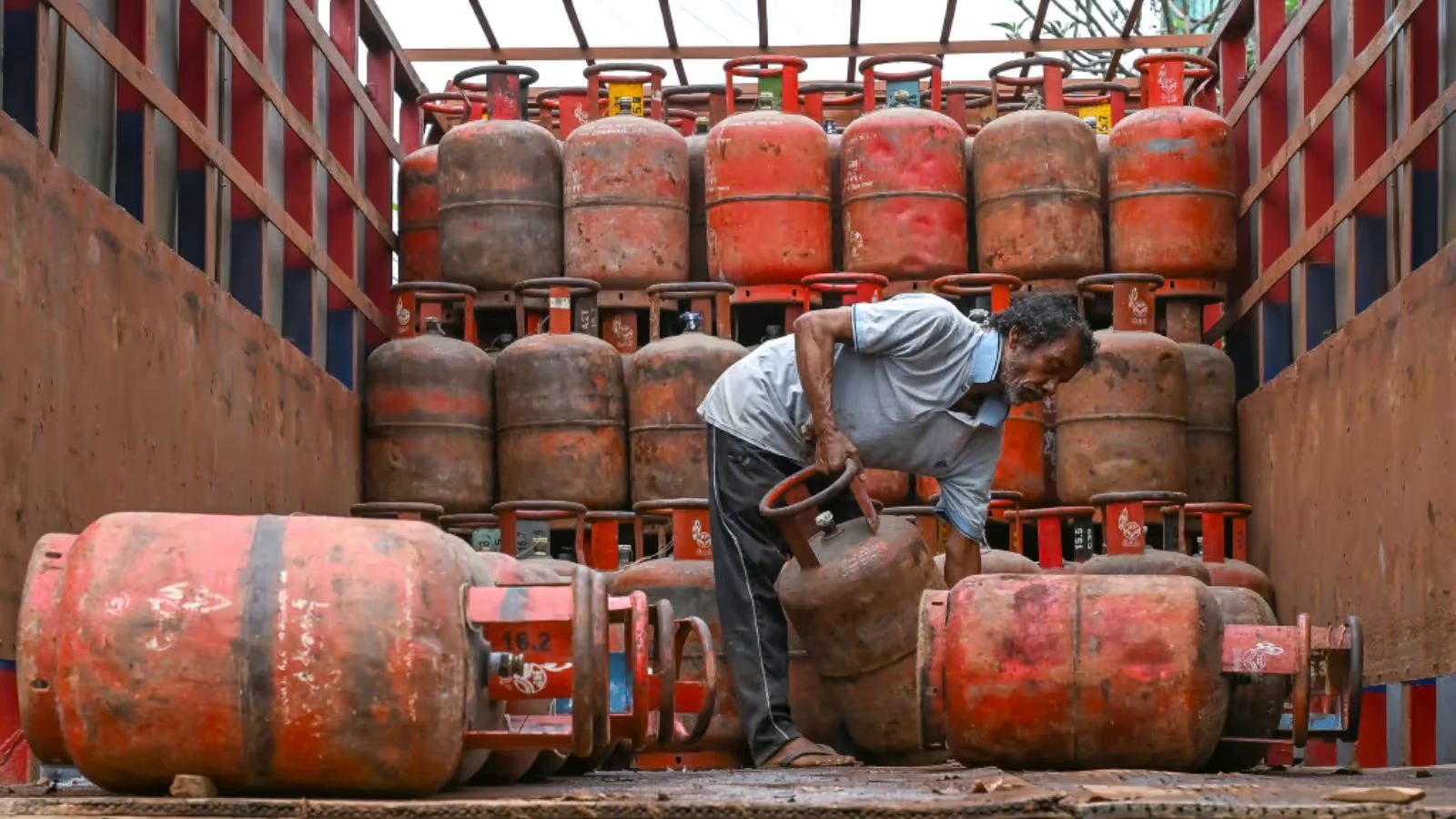
LPG importers to India face demand destruction worth approximately ₹24 billion annually as the government forces 6 million households to surrender subsidized cylinder connections by June 2026. Under the March 14 amendment to the LPG Regulation Order enforced through the Essential Commodities Act, households with piped natural gas (PNG) gas delivered through underground pipelines directly to homes must relinquish their domestic LPG connections or face supply disconnection. Early estimates suggest 50,000 households have already surrendered cylinders, signaling the start of India's largest forced fuel transition in decades. The arithmetic is stark: each surrendered connection eliminates approximately 8-12 cylinders annually worth ₹7,000-10,500 in import demand that will not return.
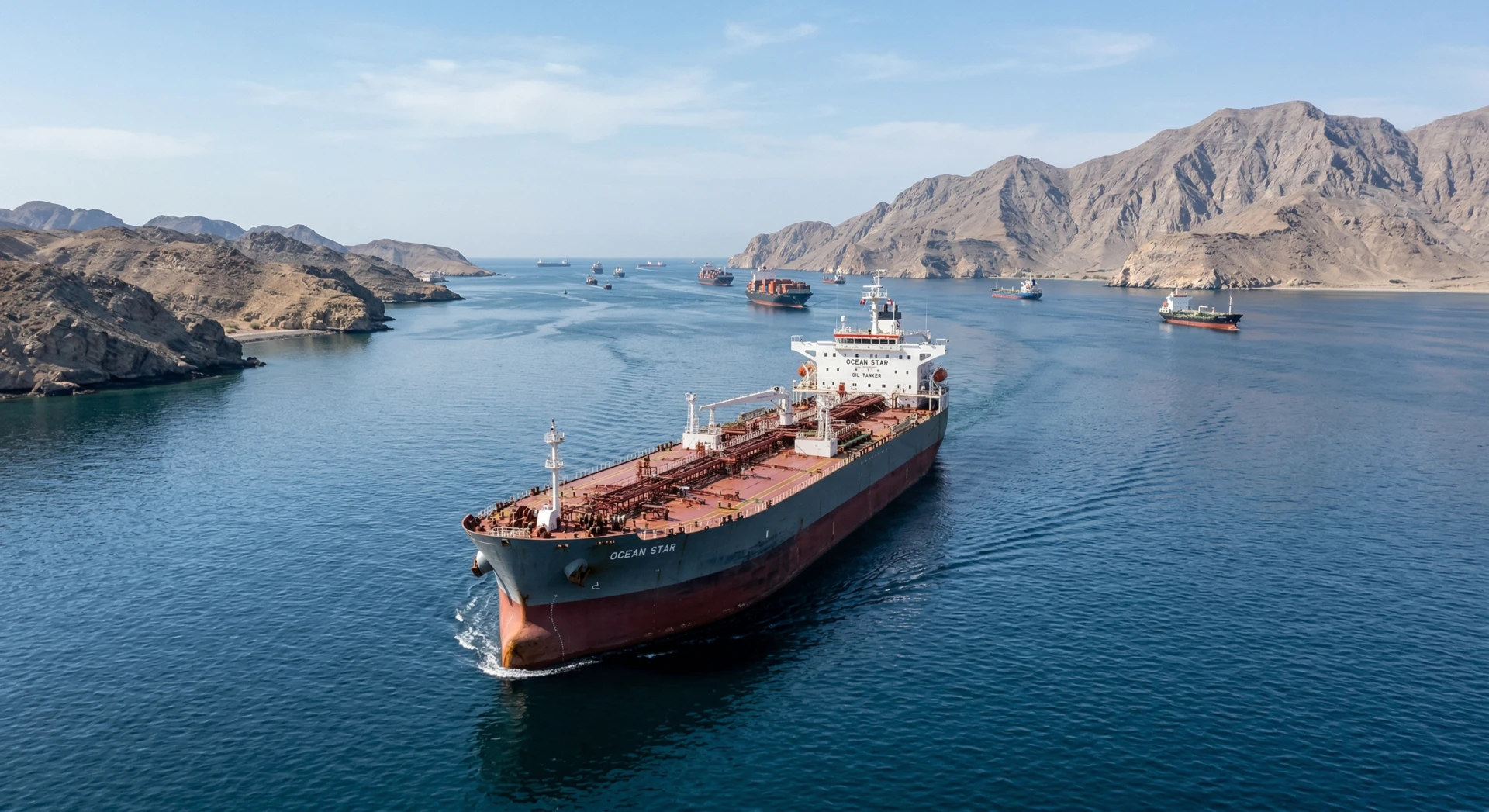
The policy responds to supply chain vulnerability India imports 60% of its LPG, with supplies concentrated through the Strait of Hormuz chokepoint where Middle East tensions have disrupted shipping routes. LNG prices have already responded to Hormuz concerns, with the Japan Korea Marker (JKM) the benchmark for Asian LNG spot prices rebounding to $18/MMBtu on April 30 as "concerns intensified over prolonged closure of the Strait of Hormuz amid escalating tensions in the Middle East". For context, JKM typically trades $5-10/MMBtu above Henry Hub due to liquefaction and shipping costs, but geopolitical premiums can spike significantly higher during acute disruptions. The government's calculation: reducing import dependency beats rationing during a crisis.
The mechanism targets households in areas where PNG infrastructure already exists but LPG subsidies continued flowing. Under the Natural Gas and Petroleum Products Distribution Order 2026, households have 90 days to transition completely, with the deadline ending around June 2026. In Varanasi district, when PNG supply starts through GAIL City Gas Distribution, households keeping LPG cylinders face rule violations, with three months given to surrender connections. The verification process leverages digital tracking: Joint Secretary Sujata Sharma confirmed the government is "using data from LPG and PNG distributors to identify dual-connection households across India". No appeals process exists compliance is binary.
On the buy side: European and Middle Eastern LPG suppliers lose guaranteed contracted volume as Indian demand contracts by 350,000-400,000 tonnes annually from forced disconnections. Oil marketing companies already face ₹380 under recovery per cylinder with cumulative losses projected at ₹40,484 crore by May end. The demand destruction offers relief but eliminates future margin recovery from higher global prices. On the sell side: City gas distributors like Indraprastha Gas, Mahanagar Gas, and Adani Total Gas gain forced customer conversion with zero acquisition cost. Over 290,000 PNG connections were added in March 2026 alone as companies offered switching incentives. Each converted household generates steady monthly billing versus episodic cylinder purchases a structural margin improvement.
For large integrated suppliers multinational LPG producers, national oil companies with Indian import contracts the impact concentrates in reduced committed offtake rather than spot pricing. Long-term agreements with Indian Oil, BPCL, and Hindustan Petroleum face volume renegotiation as domestic demand shifts permanently lower. Refineries must "reduce gas allocation to approximately sixty five per cent of past six month consumption" under supply regulation orders, creating additional margin pressure across the value chain. For smaller regional LPG distributors independent cylinder delivery operators, local depot managers route density economics collapse as customer concentration in PNG enabled areas disappears overnight. With 50,000 surrenders already recorded and "numbers expected to rise as awareness spreads and enforcement tightens," last-mile logistics become uneconomical in converted neighborhoods.
The transition reveals India's energy infrastructure ceiling. PNG availability determines eligibility households in areas where piped gas exists "may have their LPG supply stopped if they do not switch within three months," but "if housing societies do not allow pipeline installation," entire complexes face LPG disconnection after notice periods. This creates energy poverty in transition zones where PNG infrastructure lags behind enforcement timelines. The government's bet: short-term household disruption trades against longer-term import vulnerability. But PNG coverage remains urban-centric, making "pipeline based gas the default for urban households while LPG is reserved for areas that truly need it" rural India stays dependent on cylinders that become costlier as urban demand disappears.
For observers tracking Indian energy import patterns: monitor monthly LPG import data from the Petroleum Planning and Analysis Cell (PPAC) through June 2026 for demand destruction confirmation. The 90 day deadline makes PNG transitions "no longer optional" where infrastructure exists, creating irreversible import substitution. Secondary signal: watch PNG connection announcements from Indraprastha Gas, Mahanagar Gas, GAIL Gas, and Bharat Petroleum for infrastructure expansion pace determining future LPG displacement scope. The policy establishes precedent for Essential Commodities Act enforcement in energy transitions similar conversion mandates could extend to commercial and industrial LPG users if Middle East supply disruption persists.



'%3e%3cg id='Final-Copy-2_2_' transform='translate(1275.000000, 200.000000)'%3e%3cpath class='st0' d='M7.4,12.8h6.8l3.1-11.6H7.4C4.2,1.2,1.6,3.8,1.6,7S4.2,12.8,7.4,12.8z'/%3e%3c/g%3e%3c/g%3e%3c/g%3e%3cg id='final---dec.11-2020'%3e%3cg id='_x30_208-our-toggle' transform='translate(-1275.000000, -200.000000)'%3e%3cg id='Final-Copy-2' transform='translate(1275.000000, 200.000000)'%3e%3cpath class='st1' d='M22.6,0H7.4c-3.9,0-7,3.1-7,7s3.1,7,7,7h15.2c3.9,0,7-3.1,7-7S26.4,0,22.6,0z M1.6,7c0-3.2,2.6-5.8,5.8-5.8 h9.9l-3.1,11.6H7.4C4.2,12.8,1.6,10.2,1.6,7z'/%3e%3cpath id='x' class='st2' d='M24.6,4c0.2,0.2,0.2,0.6,0,0.8l0,0L22.5,7l2.2,2.2c0.2,0.2,0.2,0.6,0,0.8c-0.2,0.2-0.6,0.2-0.8,0 l0,0l-2.2-2.2L19.5,10c-0.2,0.2-0.6,0.2-0.8,0c-0.2-0.2-0.2-0.6,0-0.8l0,0L20.8,7l-2.2-2.2c-0.2-0.2-0.2-0.6,0-0.8 c0.2-0.2,0.6-0.2,0.8,0l0,0l2.2,2.2L23.8,4C24,3.8,24.4,3.8,24.6,4z'/%3e%3cpath id='y' class='st3' d='M12.7,4.1c0.2,0.2,0.3,0.6,0.1,0.8l0,0L8.6,9.8C8.5,9.9,8.4,10,8.3,10c-0.2,0.1-0.5,0.1-0.7-0.1l0,0 L5.4,7.7c-0.2-0.2-0.2-0.6,0-0.8c0.2-0.2,0.6-0.2,0.8,0l0,0L8,8.6l3.8-4.5C12,3.9,12.4,3.9,12.7,4.1z'/%3e%3c/g%3e%3c/g%3e%3c/g%3e%3c/g%3e%3c/svg%3e) Privacy Choices
Privacy Choices