.avif)
.avif)
Indian fertilizer importers face a structural sourcing reset beginning now: the government's 100 item import substitution strategy, triggered by acute supply chain exposure during the West Asia conflict, will reshape procurement windows, origin premiums, and input costs across urea, DAP, ammonia, and sulphur with meaningful policy implementation likely 18 to 36 months away but commercial consequences arriving far sooner.
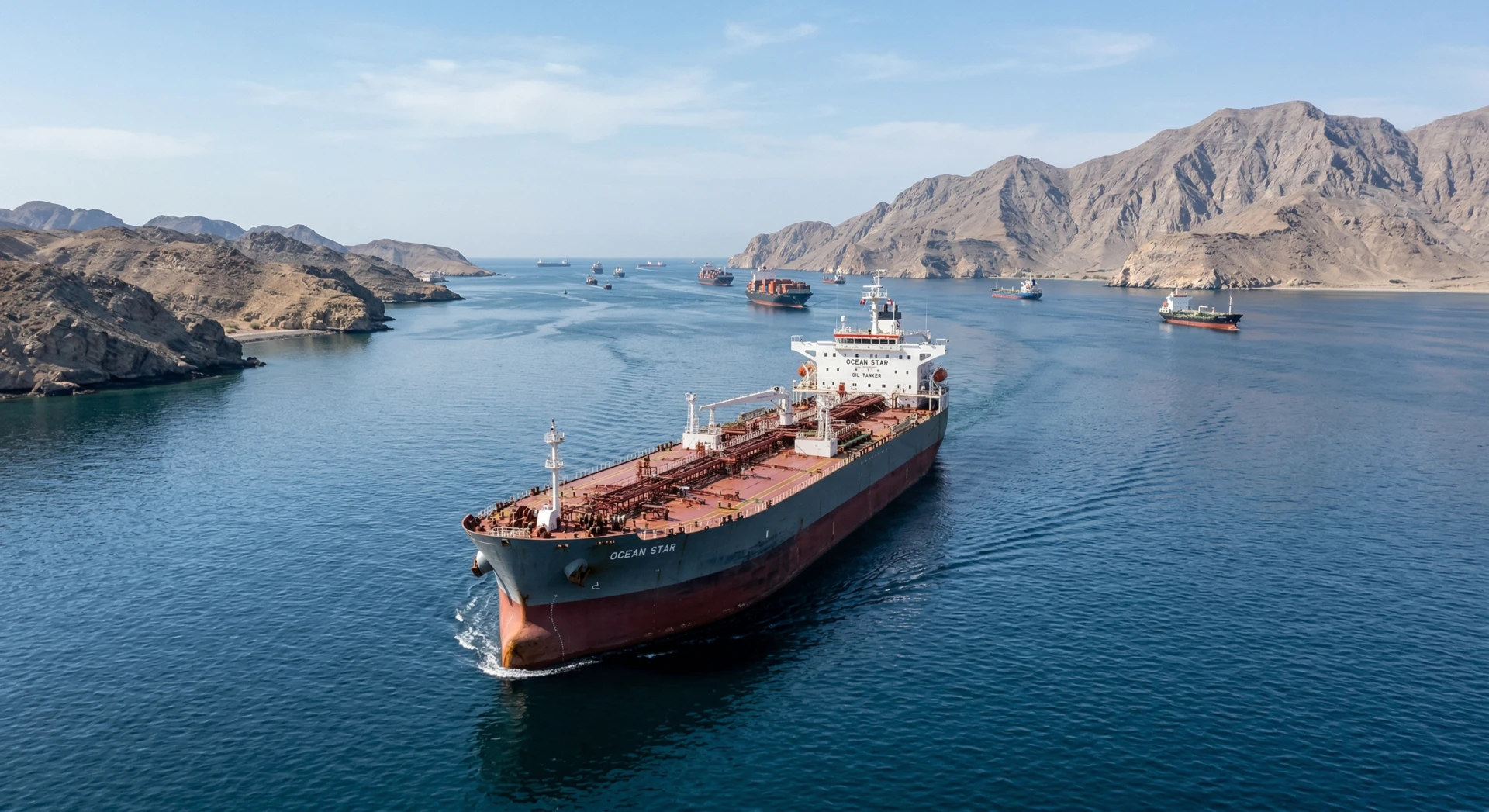
The physical exposure is already on record. According to reports, at the onset of the Iran conflict, sixteen fertilizer-related vessels were stranded in the Strait of Hormuz a 33 kilometre chokepoint through which a disproportionate share of India's imported fertilizer feedstocks physically transit. The stranded fleet included eight urea vessels, four diammonium phosphate (DAP) vessels, one ammonia vessel, and three sulphur vessels. DAP is a granular phosphate fertilizer used directly on Indian farmland; ammonia and sulphur are upstream feedstocks converted into fertilizers at domestic plants. This was not a theoretical supply chain map exercise. Sixteen ships, representing millions of tonnes of fertilizer supply, stopped moving simultaneously. That event is now the founding exhibit in the government's import substitution case, and every fertilizer importer in India should read it that way.
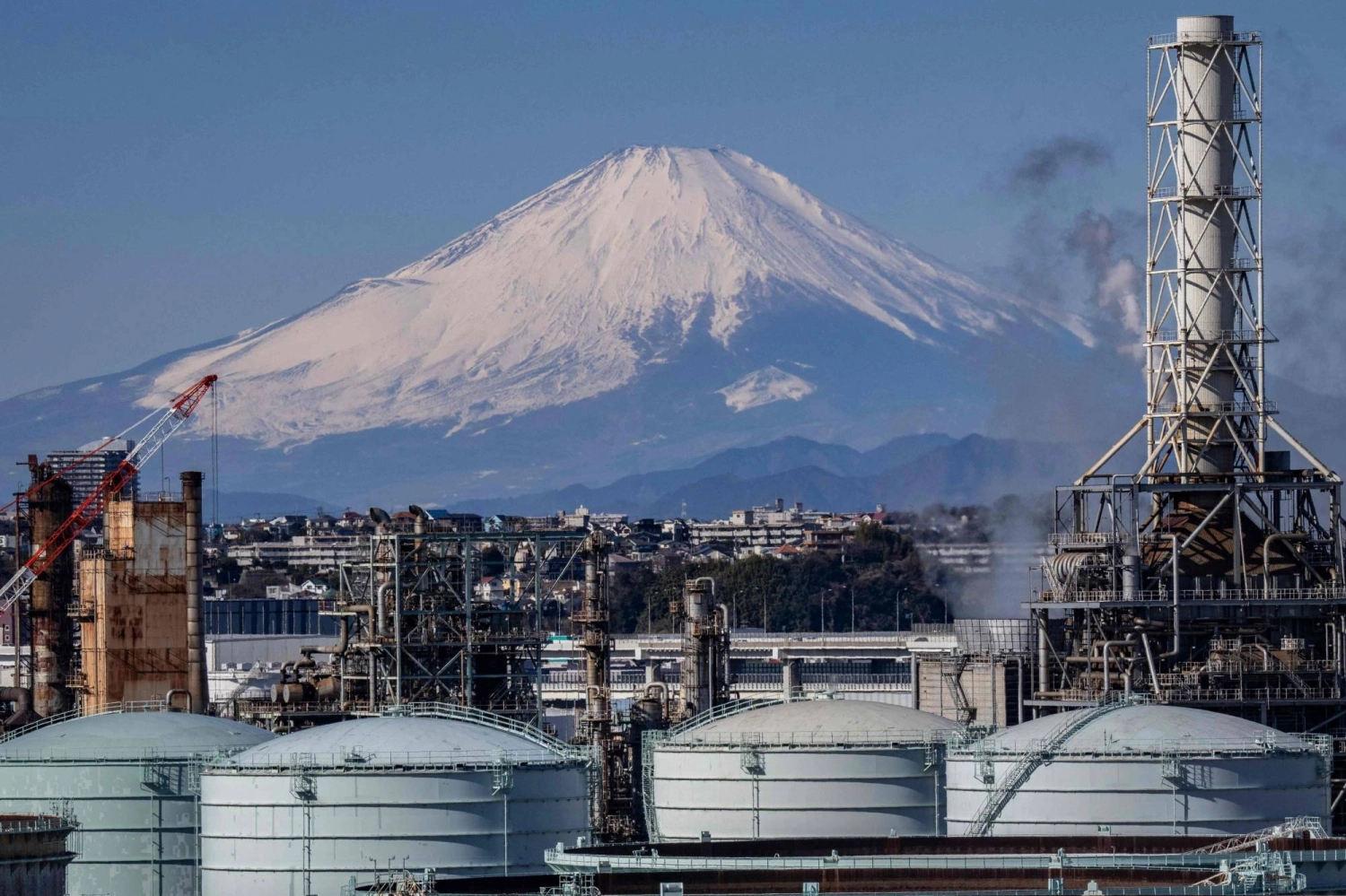
The government's response is a formal strategy identifying more than 100 items including fertilizer feedstocks, pharmaceutical active pharmaceutical ingredients (APIs), and critical minerals for potential domestic production. The policy toolkit includes revisions to existing Production Linked Incentive (PLI) schemes structured government subsidies that pay manufacturers a percentage of incremental revenue for shifting production to India alongside the introduction of minimum import prices on targeted goods. A minimum import price is a floor price set by the government below which imported goods cannot legally clear customs; it is a direct mechanism to make cheaper imports, particularly from highly competitive Chinese manufacturers, commercially unviable. The commerce ministry is actively evaluating this tool for fertilizer adjacent categories. The strategy also includes coal gasification converting domestic coal into synthesis gas to produce fertilizer grade ammonia and accelerated green hydrogen development as longer-term domestic feedstock alternatives.
The margin anatomy for fertilizer importers shifts the moment minimum import prices are notified. Consider a mid-sized Indian importer sourcing Chinese urea at approximately $285–295/MT CFR (cost and freight meaning delivered to an Indian port, with freight already included in the stated price). A minimum import price set at $320–330/MT calibrated to make Chinese supply uncompetitive against domestic or alternative origins adds $25–45/MT to the effective cost floor. On a standard 50,000-tonne cargo, that is $1.25–2.25 million in additional procurement cost per shipment. There is no operational efficiency that recovers that gap; it transfers directly to either the importer's margin or the farmer's input cost. Indian domestic fertilizer manufacturers the Chambal Fertilisers and Coromandels of the sector gain a protected margin of approximately 10–20% on their landed equivalent, without yet having the volume capacity to replace import flows. The arbitrage created is real but legally hazardous: Chinese urea re-exported through UAE or Oman with origin documentation laundering is already a compliance concern, and enforcement capacity is the key unknown.
On the sell side, Chinese exporters to India in targeted fertilizer categories face the sharpest immediate impact. China's Sinofert, CNOOC's fertilizer distribution arm, and smaller regional trading houses that have built India volume over the past decade lose their core price advantage the moment a minimum import price is notified. Their alternative redirecting Indian-bound cargoes to other Asian buyers is available but compresses their realised price, because India has historically absorbed Chinese urea during periods of global oversupply. On the buy side, Indian state fertilizer procurement agencies and private importers face a bifurcated sourcing task: maintain security of supply while managing a cost floor that has no domestic substitute ready. The Kotak Institutional Equities analysis frames this starkly India's trade deficit averaged 6.4% of GDP between FY2016 and FY2026, while the current account deficit averaged around 1% across the same period, meaning the country has historically relied on services export earnings and remittances to finance commodity import dependence. Both of those financing pillars now face structural pressure.
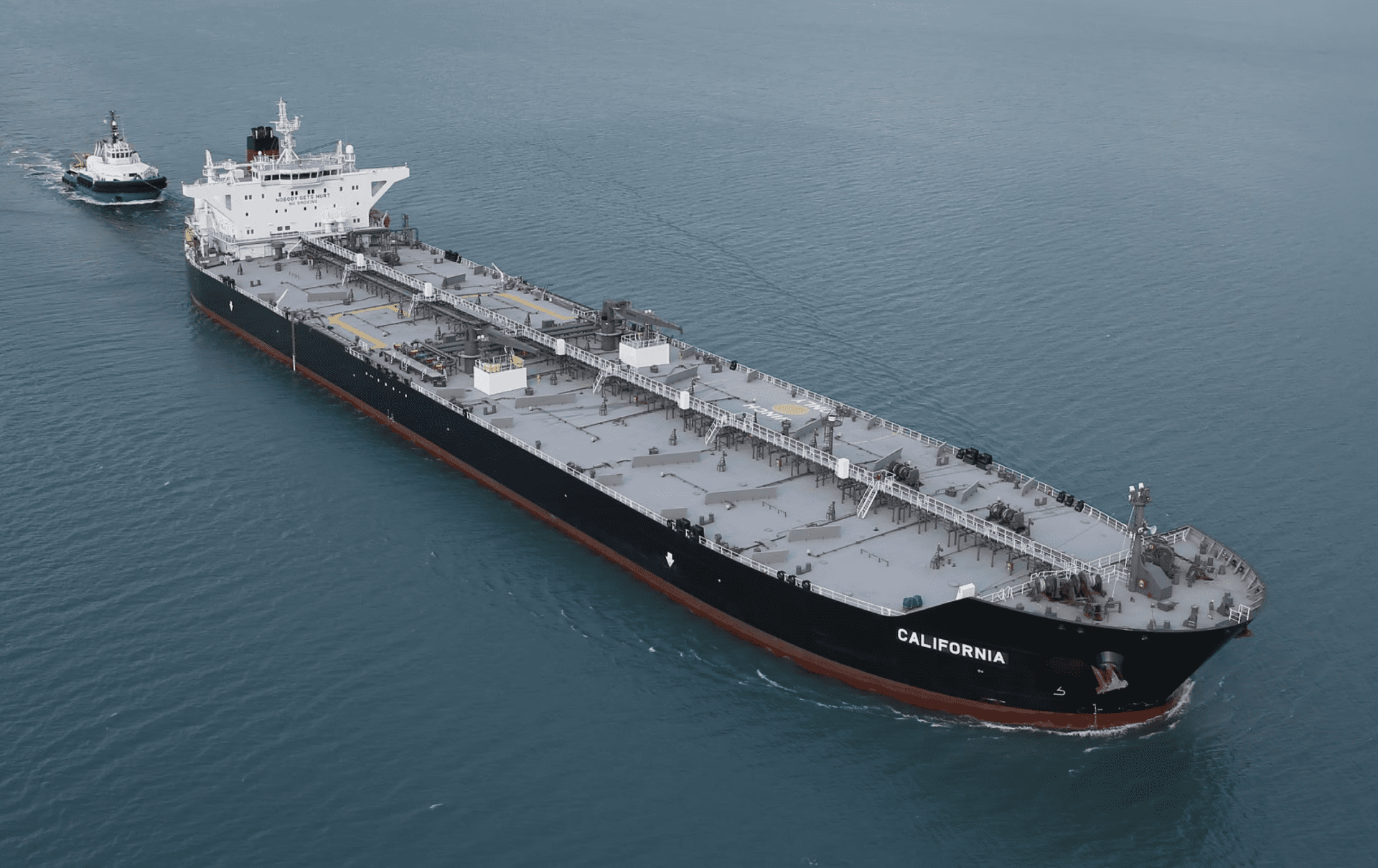
The freight dimension of this story concentrates margin in ways that are not immediately obvious. The current routing of Indian fertilizer imports runs heavily through the Middle East Gulf (MEG) and Red Sea corridors Hormuz for Persian Gulf origin ammonia and urea, Bab el Mandeb for Red Sea transit traffic including some East African potash and South Asian volumes. Both of those chokepoints have demonstrated simultaneous vulnerability in the past eighteen months. The route diversification the Indian government is now pushing accelerating procurement from Morocco's OCP (the Office Chérifien des Phosphates, the world's largest integrated phosphate producer) for DAP and phosphoric acid, and from Baltic and Black Sea origins for urea physically lengthens the voyage. A Baltic urea cargo to an Indian west coast port (Kandla or Mundra) runs approximately 8,500–9,000 nautical miles, versus 2,500–3,000 from a Gulf origin. At current Handymax bulk freight rates of approximately $18–22/MT for this trade lane, the freight differential between Gulf and Baltic origins adds roughly $12–16/MT to the landed cost before any origin price premium. That freight differential is not a rounding error it is often the deciding variable in whether the trade makes commercial sense.
For a large integrated fertilizer trader an Ameropa, an EuroChem trading arm, or a national oil company's trading division with access to exchange-traded derivatives and bilateral hedging instruments this environment creates a defined playbook. Lock in forward freight agreements (FFAs contracts that fix freight costs for a future voyage at today's rate) on Atlantic Basin dry bulk routes now, before Indian origin diversification demand materialises in the market and pushes Baltic-India freight rates higher. Simultaneously, begin building bilateral supply relationships with OCP and Baltic producers that can be presented to Indian state buyers as Hormuz-alternative origin supply with security of supply narrative attached. For a smaller regional operator an independent Indian fertilizer importer, a state cooperative buying through tender without derivatives access the practical equivalent is earlier fixture of annual supply contracts on price-plus-freight terms with non-Gulf origins, accepting a modest cost premium now to avoid allocation risk if Gulf routes are disrupted again in a future season.
The timing mismatch in this policy is the structural constraint that will determine whether the trade disruption is short or sustained. Coal gasification at the scale needed to produce fertilizer grade ammonia domestically requires multi-year capital expenditure cycles typically five to seven years from project sanction to nameplate capacity plus significant water and power infrastructure. Green hydrogen for ammonia synthesis is commercially further away still. The PLI supported domestic expansion of ammonia and phosphoric acid production faces the same timeline reality. What this means for importers is that the policy is real, the direction is clear, and the disruption is certain but the domestic supply replacement that would justify tighter import volumes will not arrive before 2031 at the earliest for most feedstock categories. The commercial gap between current import dependence and future domestic sufficiency is the space in which procurement strategy must operate for the next five to seven years.
The specific signal to watch is the commerce ministry's notification timeline for minimum import price schedules expected within the next one to two budget cycles, with any draft notification in the Gazette of India representing a six to twelve week implementation horizon. Importers holding forward contracts for Chinese origin urea or DAP delivery beyond that horizon face mark to market exposure the moment a draft notification is published. Track the Indian Ministry of Commerce and Industry's trade remedy notifications, the OCP quarterly sales volume disclosures for signals of increased India allocation, and Baltic Exchange Handymax rates on the US Gulf-India and Black Sea-India routes as leading indicators of origin shift demand. The first tender from Food Corporation of India or the state fertilizer procurement agencies specifying non-Gulf origin as a preference criterion will confirm the shift has moved from policy document to commercial reality.
.jpg)



'%3e%3cg id='Final-Copy-2_2_' transform='translate(1275.000000, 200.000000)'%3e%3cpath class='st0' d='M7.4,12.8h6.8l3.1-11.6H7.4C4.2,1.2,1.6,3.8,1.6,7S4.2,12.8,7.4,12.8z'/%3e%3c/g%3e%3c/g%3e%3c/g%3e%3cg id='final---dec.11-2020'%3e%3cg id='_x30_208-our-toggle' transform='translate(-1275.000000, -200.000000)'%3e%3cg id='Final-Copy-2' transform='translate(1275.000000, 200.000000)'%3e%3cpath class='st1' d='M22.6,0H7.4c-3.9,0-7,3.1-7,7s3.1,7,7,7h15.2c3.9,0,7-3.1,7-7S26.4,0,22.6,0z M1.6,7c0-3.2,2.6-5.8,5.8-5.8 h9.9l-3.1,11.6H7.4C4.2,12.8,1.6,10.2,1.6,7z'/%3e%3cpath id='x' class='st2' d='M24.6,4c0.2,0.2,0.2,0.6,0,0.8l0,0L22.5,7l2.2,2.2c0.2,0.2,0.2,0.6,0,0.8c-0.2,0.2-0.6,0.2-0.8,0 l0,0l-2.2-2.2L19.5,10c-0.2,0.2-0.6,0.2-0.8,0c-0.2-0.2-0.2-0.6,0-0.8l0,0L20.8,7l-2.2-2.2c-0.2-0.2-0.2-0.6,0-0.8 c0.2-0.2,0.6-0.2,0.8,0l0,0l2.2,2.2L23.8,4C24,3.8,24.4,3.8,24.6,4z'/%3e%3cpath id='y' class='st3' d='M12.7,4.1c0.2,0.2,0.3,0.6,0.1,0.8l0,0L8.6,9.8C8.5,9.9,8.4,10,8.3,10c-0.2,0.1-0.5,0.1-0.7-0.1l0,0 L5.4,7.7c-0.2-0.2-0.2-0.6,0-0.8c0.2-0.2,0.6-0.2,0.8,0l0,0L8,8.6l3.8-4.5C12,3.9,12.4,3.9,12.7,4.1z'/%3e%3c/g%3e%3c/g%3e%3c/g%3e%3c/g%3e%3c/svg%3e) Privacy Choices
Privacy Choices