.avif)
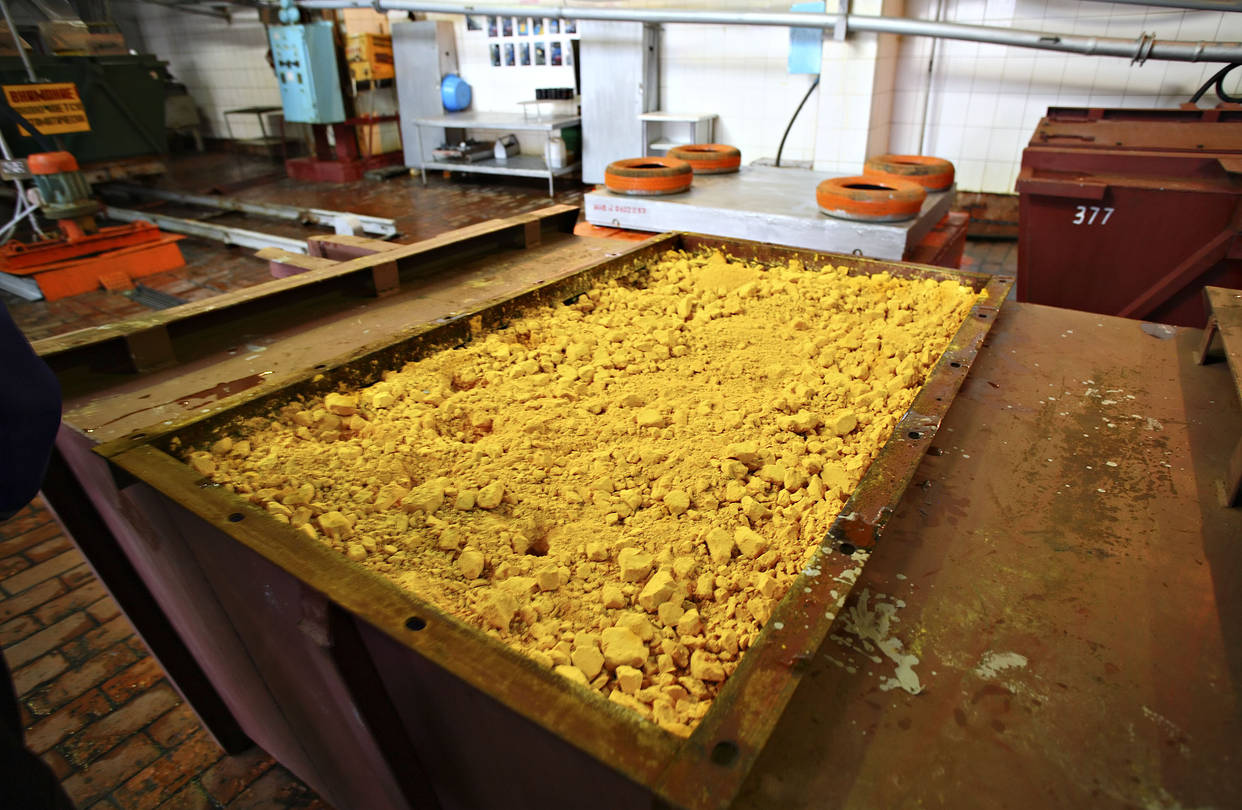
Uranium buyers sourcing Kazakh concentrate through Russian intermediaries now face a concrete pricing penalty sanctions clean material routed via the Trans Caspian corridor is commanding a structural premium over Russian transited supply, and that gap is widening as Kazakhstan's diplomatic auction accelerates through mid-2026.
Kazakhstan sits at the centre of the most consequential minerals bidding war in post-Soviet history. Russia, the EU, the United States, and India are simultaneously competing for preferred-partner status with Astana each offering financing, logistics, or processing capacity in exchange for long-term offtake access. Russia's Foreign Ministry, through spokeswoman Maria Zakharova, has framed Moscow's pitch as 'depoliticized' cooperation: joint value-added processing, personnel training, scientific collaboration, and the construction of what she described as 'joint production chains with high value added' meaning Kazakhstan would not merely dig ore and ship it, but co-manufacture refined products alongside Russian partners. The commercial logic is real. The structural problem is equally real: Russian entities capable of financing and operating such joint ventures are themselves subject to Western secondary sanctions financial penalties applied not only to Russian firms but to any third-party company that does significant business with them. Kazakhstan already has more than $200 billion of cumulative European investment on its books, accounting for over 30% of its foreign trade, according to figures presented at the 19th Kazakhstan–EU Dialogue Platform on 11 June. Running parallel processing chains one integrated with Russian partners, one acceptable to Western capital markets requires legal and financial compartmentalization that does not currently exist.
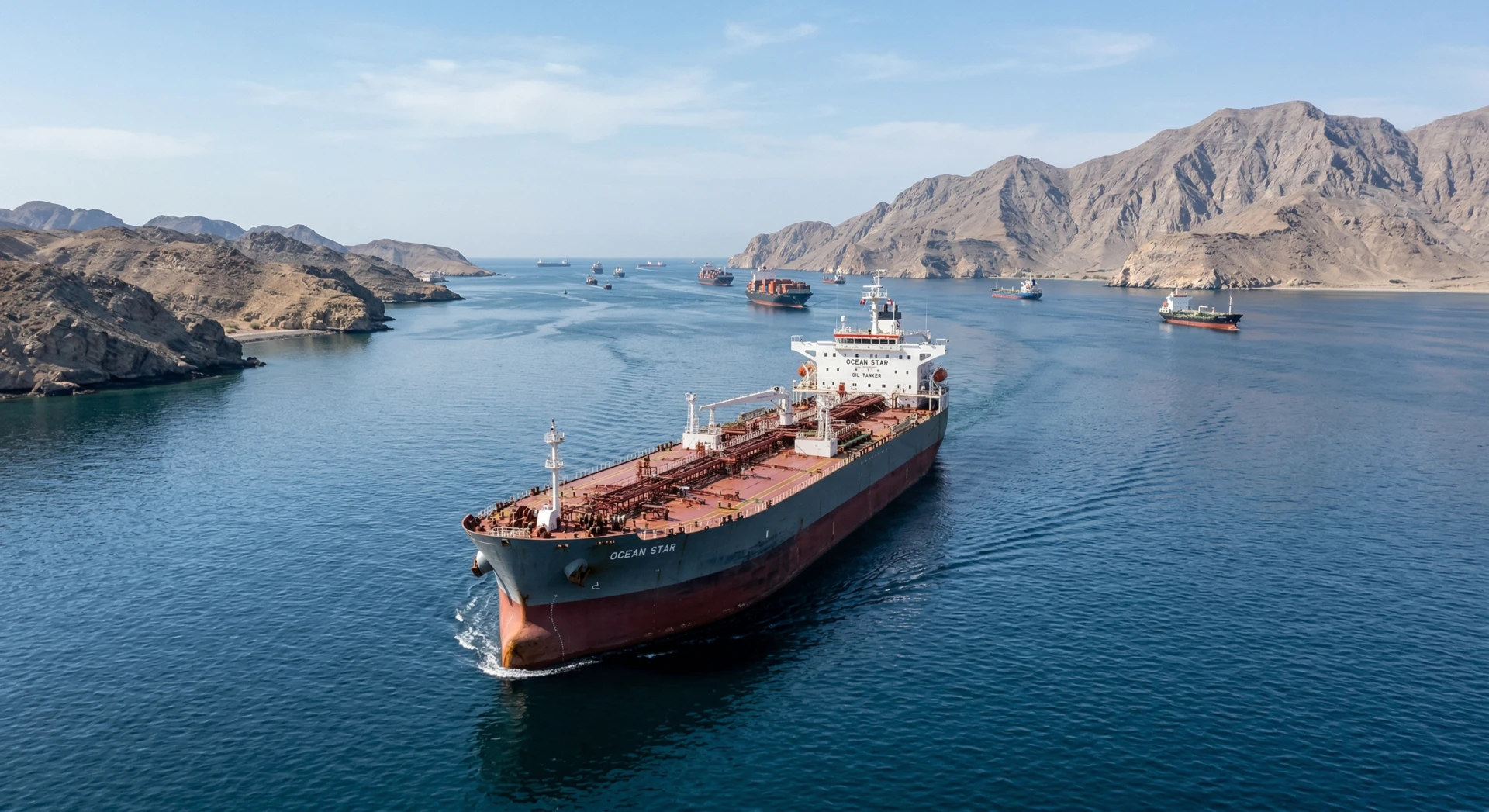
The uranium supply line to India illustrates how this competition translates into real contract values. Kazakhstan's Ambassador Yeskarayev confirmed that India signed an agreement with Kazatomprom Kazakhstan's state uranium producer and the world's largest uranium mining company for $4 billion worth of uranium concentrates. Uranium concentrate, known as U₃O₈ or yellowcake, is the partially processed form of mined uranium before enrichment; it is the benchmark traded commodity in nuclear fuel supply chains. Across the four year period beginning 2019, India purchased approximately 5,000 tonnes of Kazakh uranium up from roughly 2,000 tonnes in 2009. If the $4 billion agreement is delivered over five years, the implied price is approximately $800 per kilogram of uranium concentrate equivalent, broadly consistent with current long-term contract economics in a tight market. The physical delivery route matters: Kazakhstan's preferred option for India is the International North-South Transport Corridor a multimodal route running south through Iran to the port of Chabahar on the Gulf of Oman. Chabahar cuts delivery time and cost compared to routing through Russia, but Iran's inclusion means any operator using the corridor must assess US secondary sanctions exposure the risk that transacting with Iranian entities triggers penalties from Washington even if the underlying cargo is Kazakh.
On the buy side, Indian nuclear utilities and fuel procurement desks now hold a stronger negotiating position than at any point in the past decade: competitive bidding between Russian, European, and American partners for Kazakh supply access is structurally supportive of long-term contract pricing, but buyers who route via Iran's Chabahar carry sanctions exposure risk that must be priced into counterparty agreements. On the sell side, Kazatomprom and the Kazakh government are the clear margin beneficiaries the combination of supply security narratives, geopolitical competition, and genuine volume growth gives Astana pricing leverage it can convert into concentrate premiums above the spot Ux U₃O₈ indicator price. For traders and intermediaries, the arbitrage is specific: operators legally structured to route Kazakh yellowcake through the Trans-Caspian International Transport Route west across the Caspian Sea by vessel, through Azerbaijan and Georgia, into EU-accessible terminals can sell to Western buyers at sanctions clean premiums. Material routed through Russian rail corridors trades at a discount reflecting the compliance cost Western buyers now assign to Russian transited supply.
For large integrated uranium traders or national fuel procurement agencies with derivatives access, the instrument is a long-term offtake agreement with Kazatomprom indexed to Ux spot with a Trans-Caspian logistics premium clause locking in supply while hedging route-cost volatility through freight forward agreements on Caspian vessel capacity. For smaller regional operators an independent fuel assembly fabricator or a mid-sized utility without long-term contract infrastructure the practical equivalent is to audit existing supply agreements for route language now: contracts that specify delivery without excluding Russian transit may carry undisclosed sanctions exposure. For observers, watch one specific signal: the Ux U₃O₈ spot price, published weekly by UxC, against the premium or discount reported on Kazakh-origin spot parcels with explicit Trans-Caspian routing certification. If that routing premium exceeds $5 per pound U₃O₈ by Q3 2026, it will confirm that sanctions-routing differentiation has become a durable pricing variable not a temporary compliance concern and that the Kazakhstan minerals auction has permanently restructured the uranium supply chain's geography.
.jpg)


'%3e%3cg id='Final-Copy-2_2_' transform='translate(1275.000000, 200.000000)'%3e%3cpath class='st0' d='M7.4,12.8h6.8l3.1-11.6H7.4C4.2,1.2,1.6,3.8,1.6,7S4.2,12.8,7.4,12.8z'/%3e%3c/g%3e%3c/g%3e%3c/g%3e%3cg id='final---dec.11-2020'%3e%3cg id='_x30_208-our-toggle' transform='translate(-1275.000000, -200.000000)'%3e%3cg id='Final-Copy-2' transform='translate(1275.000000, 200.000000)'%3e%3cpath class='st1' d='M22.6,0H7.4c-3.9,0-7,3.1-7,7s3.1,7,7,7h15.2c3.9,0,7-3.1,7-7S26.4,0,22.6,0z M1.6,7c0-3.2,2.6-5.8,5.8-5.8 h9.9l-3.1,11.6H7.4C4.2,12.8,1.6,10.2,1.6,7z'/%3e%3cpath id='x' class='st2' d='M24.6,4c0.2,0.2,0.2,0.6,0,0.8l0,0L22.5,7l2.2,2.2c0.2,0.2,0.2,0.6,0,0.8c-0.2,0.2-0.6,0.2-0.8,0 l0,0l-2.2-2.2L19.5,10c-0.2,0.2-0.6,0.2-0.8,0c-0.2-0.2-0.2-0.6,0-0.8l0,0L20.8,7l-2.2-2.2c-0.2-0.2-0.2-0.6,0-0.8 c0.2-0.2,0.6-0.2,0.8,0l0,0l2.2,2.2L23.8,4C24,3.8,24.4,3.8,24.6,4z'/%3e%3cpath id='y' class='st3' d='M12.7,4.1c0.2,0.2,0.3,0.6,0.1,0.8l0,0L8.6,9.8C8.5,9.9,8.4,10,8.3,10c-0.2,0.1-0.5,0.1-0.7-0.1l0,0 L5.4,7.7c-0.2-0.2-0.2-0.6,0-0.8c0.2-0.2,0.6-0.2,0.8,0l0,0L8,8.6l3.8-4.5C12,3.9,12.4,3.9,12.7,4.1z'/%3e%3c/g%3e%3c/g%3e%3c/g%3e%3c/g%3e%3c/svg%3e) Privacy Choices
Privacy Choices