.avif)
.jpg)
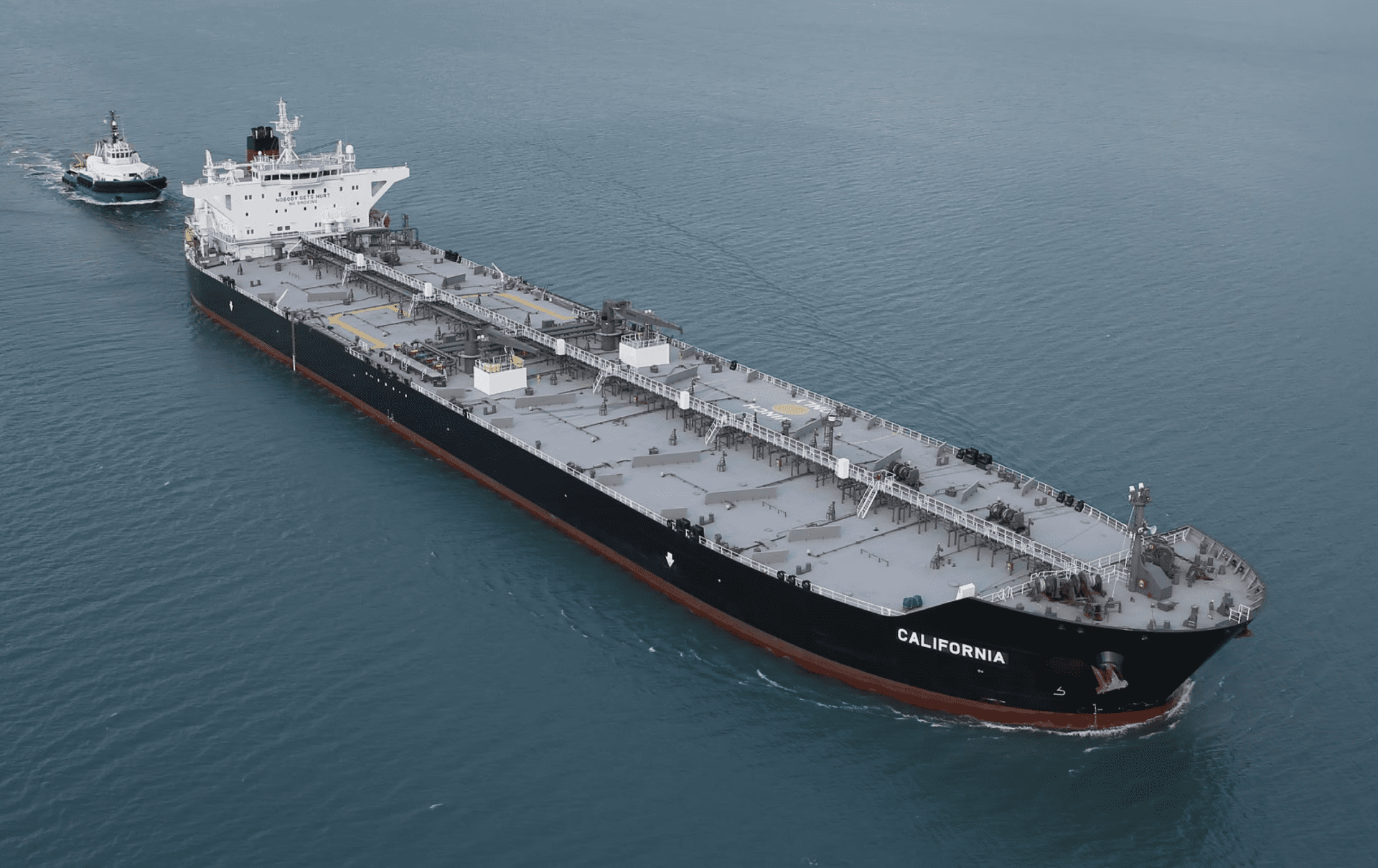
MSC Mediterranean Shipping Company begins its first Europe-Middle East landbridge service on May 10, departing Antwerp for a routing that combines sea transit, Saudi trucking, and Gulf feeder connections to bypass the Strait of Hormuz. The rerouting costs European importers an additional $200–300 per forty foot container in trucking fees alone, but restores supply chain continuity that has been severed since Iran's effective closure of Hormuz following the February 28 conflict. For container lines, the trade-off is stark: absorb extended transit times and fragmented logistics, or lose Europe-Gulf volumes entirely. The margin impact concentrates in Saudi Arabia's trucking sector, which now controls the critical link between two major trade basins.
The physical route spans approximately 1,300 kilometres from Jeddah and King Abdullah Port on the Red Sea to Dammam on Saudi Arabia's eastern coast, passing through Riyadh. From Dammam, smaller feeder vessels distribute cargo to regional ports including Abu Dhabi, Dubai's Jebel Ali, Kuwait, and Bahrain. A landbridge a multimodal service that combines sea transport with overland trucking to connect two maritime segments replaces what was previously a single 14 day sea voyage with a 20-25 day journey including land transport. The service underscores the profound impact of ongoing conflict with Iran on global trade, compelling carriers to develop land-based alternatives that lengthen transit times and increase costs while offering essential continuity.
MSC's initiative mirrors broader industry adaptation, with Hapag-Lloyd establishing overland transport corridors across Saudi Arabia and Oman in March, and Maersk rolling out multimodal landbridge offerings across the region. The shift from isolated carrier workarounds to industry-wide adoption signals structural change rather than temporary disruption. Carriers including Hapag-Lloyd and Maersk have already introduced similar landbridge models, indicating the solution is becoming an industry-wide adjustment rather than a one-off solution. When major container lines simultaneously adopt the same costly alternative, it indicates that direct Hormuz transit is genuinely unavailable, not merely inconvenient.
For buyers European importers of Gulf petrochemicals, consumer goods, and industrial components the landbridge creates a financing squeeze. Container rates hover around $2,100–$2,200 per forty-foot container as of early May 2026, though this reflects ongoing downward pressure from excess capacity and subdued demand despite geopolitical risks. The trucking segment adds $200–300 per container in direct costs, plus extended inventory financing for the additional 6-10 days in transit. Consider a mid-sized European chemicals importer moving 100 containers monthly from Saudi petrochemical complexes: the landbridge adds $20,000–30,000 monthly in direct transport costs, plus working capital for extended inventory cycles.
For sellers Gulf exporters to European markets the landbridge compresses already thin margins while introducing new dependency risks. Moving cargo across Saudi Arabia positions it as a central link between two major trade basins, reinforcing its push to expand its role in global supply chains. Saudi exporters gain competitive advantage through proximity to the trucking corridor, but exporters from UAE, Kuwait, and Qatar become dependent on Saudi logistics infrastructure and pricing. A UAE manufacturer now pays Saudi trucking rates to reach European customers a structural shift in regional trade dynamics.
For container lines, the margin anatomy reveals where profitability concentrates. MSC, Hapag-Lloyd, and Maersk absorb higher fuel costs, extended vessel deployment, and complex landbridge coordination without proportional rate increases. Hapag-Lloyd faces P/E ratios ranging from 11.4 to over 23.0x, reflecting investor uncertainty, with analysts maintaining cautious guidance and citing unattractive risk/reward due to volatile freight rates. The carriers provide landbridge logistics but do not control the critical Saudi trucking segment where premiums concentrate. Saudi trucking operators capture Europe-Gulf container premiums potentially 15-25% above normal overland rates.
Saudi Arabia Railways announced in March it would operate container trains to additional stations nationwide due to Hormuz volatility, launching five new logistics routes in April to enhance supply-chain efficiency. The infrastructure expansion accelerates Saudi Arabia's strategic positioning as the primary alternative to Hormuz transit. The shift is accelerating investment and activity across alternative trade corridors, with ports outside the Strait particularly in Oman and along the UAE's eastern coast seeing increased cargo volumes. The freight arbitrage has shifted from maritime to overland, with Saudi trucking capacity becoming the new constraint.
For large integrated operators MSC, Maersk, CMA CGM with global networks and financial resources, the landbridge is operationally manageable but margin-dilutive. These carriers can absorb the complexity of coordinating multiple transport modes, customs clearances, and extended supply chains. They hedge fuel exposure through derivatives markets and can cross-subsidise challenging routes with profitable ones. The landbridge becomes a strategic necessity to maintain market share in Europe-Gulf trade lanes.
For smaller regional container operators independent feedering companies, regional logistics providers without network scale or derivatives access, the landbridge presents different challenges. They lack bargaining power with Saudi trucking operators and cannot cross-subsidise route profitability. Regional operators focus on port to port segments where they maintain control, avoiding the overland coordination complexity. Some pivot to alternative routes entirely, serving different trade lanes where direct sea transit remains viable.
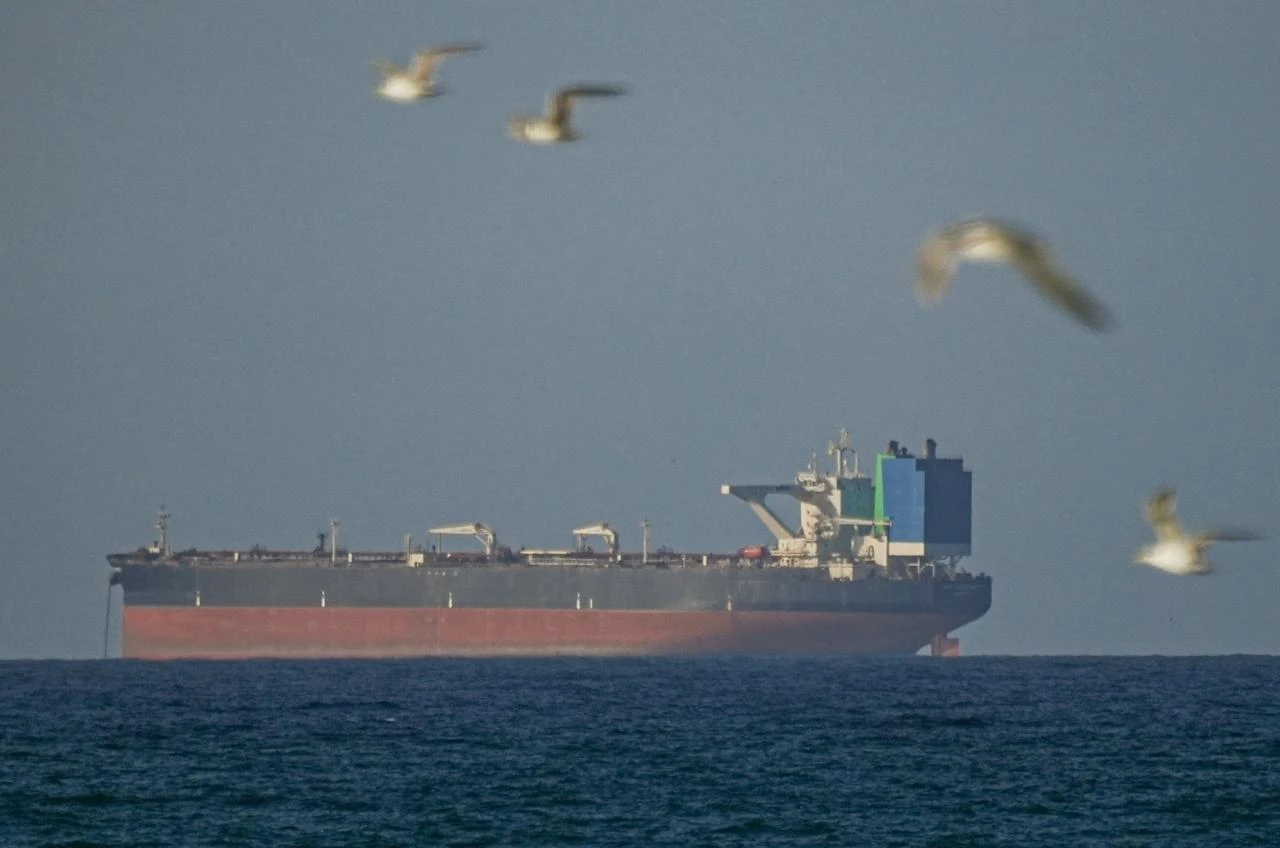
Shipping traffic through the Strait of Hormuz has been largely blocked by Iran since February 28, 2026, when the United States and Israel launched an air war against Iran. Until then, about 25% of the world's seaborne oil trade and 20% of liquefied natural gas passed through the strait. The historical precedent is the Iran-Iraq tanker war of the 1980s, when alternative routing through Saudi pipelines and trucking became critical for Gulf oil exports. Today's landbridge revival follows the same strategic logic: when primary maritime routes close, overland alternatives capture premium pricing. Iranian officials assert control over the strait and that ships can pass if they pay a toll, while the US warns shipping companies they could face sanctions for paying Iran to transit safely.
For procurement professionals and supply chain managers, the landbridge signals require immediate attention to specific indicators. The Baltic Clean Tanker Index (BCTI) which tracks transportation costs for refined oil products currently stands at 758.00, reflecting broader freight market conditions. Monitor Saudi trucking rates between Jeddah and Dammam weekly through logistics providers rate increases above 20% indicate capacity constraints that could disrupt landbridge viability. Track feeder vessel availability at Dammam and other Gulf terminals, as shortages could create bottlenecks that offset landbridge benefits. Container operators should secure trucking capacity through annual contracts rather than spot arrangements, as the landbridge shift concentrates pricing power with Saudi overland operators.

.jpg)


'%3e%3cg id='Final-Copy-2_2_' transform='translate(1275.000000, 200.000000)'%3e%3cpath class='st0' d='M7.4,12.8h6.8l3.1-11.6H7.4C4.2,1.2,1.6,3.8,1.6,7S4.2,12.8,7.4,12.8z'/%3e%3c/g%3e%3c/g%3e%3c/g%3e%3cg id='final---dec.11-2020'%3e%3cg id='_x30_208-our-toggle' transform='translate(-1275.000000, -200.000000)'%3e%3cg id='Final-Copy-2' transform='translate(1275.000000, 200.000000)'%3e%3cpath class='st1' d='M22.6,0H7.4c-3.9,0-7,3.1-7,7s3.1,7,7,7h15.2c3.9,0,7-3.1,7-7S26.4,0,22.6,0z M1.6,7c0-3.2,2.6-5.8,5.8-5.8 h9.9l-3.1,11.6H7.4C4.2,12.8,1.6,10.2,1.6,7z'/%3e%3cpath id='x' class='st2' d='M24.6,4c0.2,0.2,0.2,0.6,0,0.8l0,0L22.5,7l2.2,2.2c0.2,0.2,0.2,0.6,0,0.8c-0.2,0.2-0.6,0.2-0.8,0 l0,0l-2.2-2.2L19.5,10c-0.2,0.2-0.6,0.2-0.8,0c-0.2-0.2-0.2-0.6,0-0.8l0,0L20.8,7l-2.2-2.2c-0.2-0.2-0.2-0.6,0-0.8 c0.2-0.2,0.6-0.2,0.8,0l0,0l2.2,2.2L23.8,4C24,3.8,24.4,3.8,24.6,4z'/%3e%3cpath id='y' class='st3' d='M12.7,4.1c0.2,0.2,0.3,0.6,0.1,0.8l0,0L8.6,9.8C8.5,9.9,8.4,10,8.3,10c-0.2,0.1-0.5,0.1-0.7-0.1l0,0 L5.4,7.7c-0.2-0.2-0.2-0.6,0-0.8c0.2-0.2,0.6-0.2,0.8,0l0,0L8,8.6l3.8-4.5C12,3.9,12.4,3.9,12.7,4.1z'/%3e%3c/g%3e%3c/g%3e%3c/g%3e%3c/g%3e%3c/svg%3e) Privacy Choices
Privacy Choices