.avif)

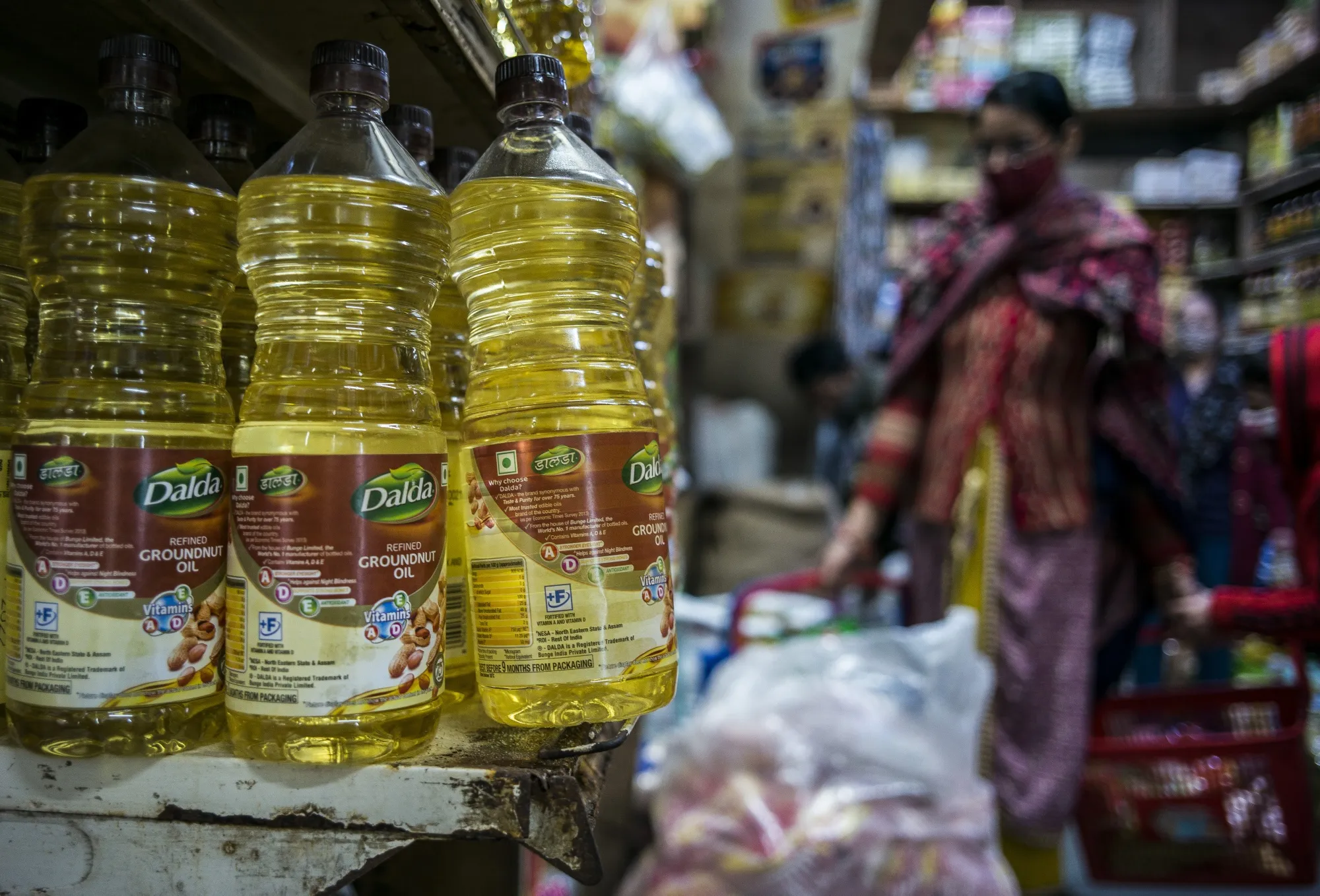
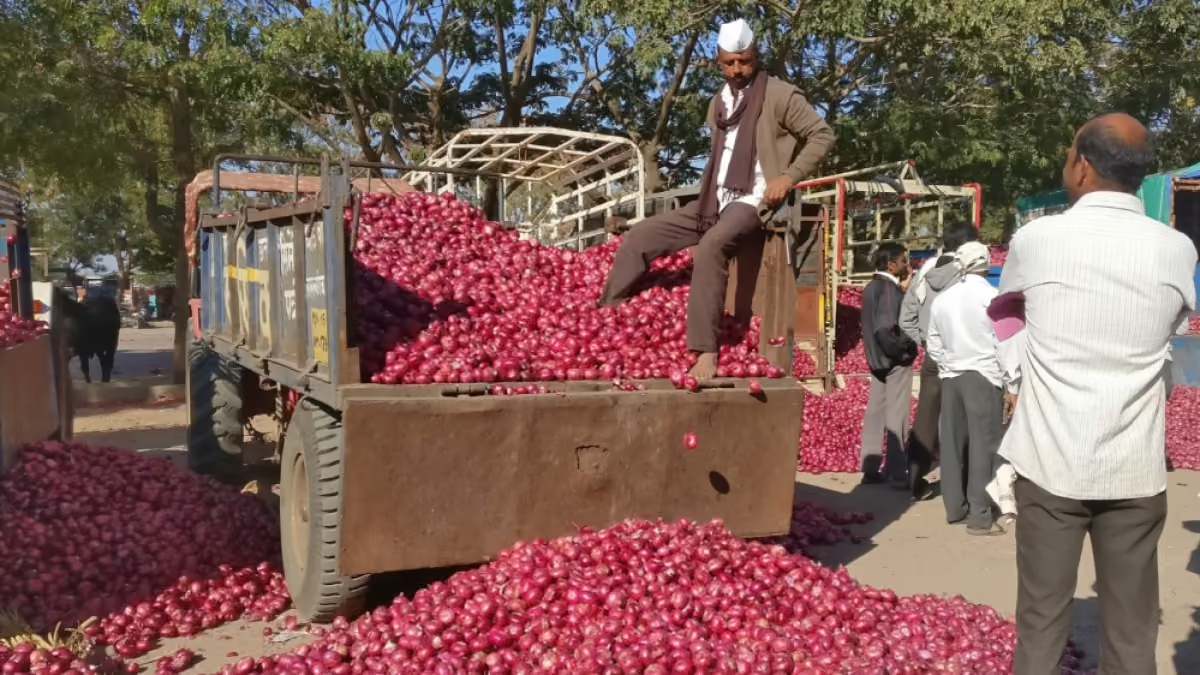
New Zealand food importers face potential sourcing mandates after polling showed 95% public support for a national food strategy, a policy shift that could force procurement teams away from cost optimized international sourcing toward domestic alternatives. The mandate stems from concerns that New Zealand exports premium food while importing lower quality alternatives, creating what supporters call a "profit before people" distortion. For importers currently benefiting from global price arbitrage, particularly in processed foods and staples where New Zealand domestic production commands export premiums, the policy signals higher input costs ahead. The timing creates immediate pressure as current contracts typically lock in 6-12 month terms, meaning procurement teams must evaluate whether to accelerate purchases before potential restrictions take effect.
The underlying risk driving policy support isn't hypothetical, New Zealand's geography creates structural vulnerability in food supply chains that importers already manage daily. The country's position on shipping routes means most imported food categories maintain only 2-3 week inventory buffers, with alternative routing through Australia adding 15-20% to logistics costs when primary routes face disruption. Vessel capacity constraints during peak seasons already force importers to compete for limited container space, and seasonal freight patterns can double shipping costs for certain categories. For procurement teams, this translates to constant hedging decisions between carrying costs of larger inventories versus supply continuity risk a calculation that becomes more complex if domestic sourcing mandates eliminate flexible international alternatives.
For sellers in export markets targeting New Zealand, the policy shift represents both threat and opportunity depending on category positioning. Premium suppliers aligned with New Zealand's quality expectations may find increased demand if mandates favor higher grade imports over budget alternatives. However, suppliers in processed foods, grains, and other categories where New Zealand has domestic capacity face potential market closure. The policy's timing coincides with global food inflation pressures, meaning New Zealand importers switching to domestic alternatives will likely pay premiums just as international prices remain elevated. Sellers might consider repositioning toward categories where New Zealand lacks production capacity, specialty ingredients, tropical fruits, and specific processing inputs rather than competing in sectors vulnerable to import substitution.
The broader uncertainty revolves around implementation mechanics and scope details that will determine whether this becomes targeted category restrictions or comprehensive import substitution policy. New Zealand's agricultural sector produces significant export volumes in dairy, meat, and produce, but lacks capacity in grains, processed foods, and many specialty categories, creating natural limits to how far import substitution can extend. Domestic alternatives typically carry 20-40% premiums over imported equivalents, and consumers supporting the policy in principle may resist the price impact at checkout. For observers tracking policy development, the signal worth monitoring is whether initial implementation targets specific "quality gap" categories or attempts broader import substitution that could trigger consumer backlash.

.jpg)
'%3e%3cg id='Final-Copy-2_2_' transform='translate(1275.000000, 200.000000)'%3e%3cpath class='st0' d='M7.4,12.8h6.8l3.1-11.6H7.4C4.2,1.2,1.6,3.8,1.6,7S4.2,12.8,7.4,12.8z'/%3e%3c/g%3e%3c/g%3e%3c/g%3e%3cg id='final---dec.11-2020'%3e%3cg id='_x30_208-our-toggle' transform='translate(-1275.000000, -200.000000)'%3e%3cg id='Final-Copy-2' transform='translate(1275.000000, 200.000000)'%3e%3cpath class='st1' d='M22.6,0H7.4c-3.9,0-7,3.1-7,7s3.1,7,7,7h15.2c3.9,0,7-3.1,7-7S26.4,0,22.6,0z M1.6,7c0-3.2,2.6-5.8,5.8-5.8 h9.9l-3.1,11.6H7.4C4.2,12.8,1.6,10.2,1.6,7z'/%3e%3cpath id='x' class='st2' d='M24.6,4c0.2,0.2,0.2,0.6,0,0.8l0,0L22.5,7l2.2,2.2c0.2,0.2,0.2,0.6,0,0.8c-0.2,0.2-0.6,0.2-0.8,0 l0,0l-2.2-2.2L19.5,10c-0.2,0.2-0.6,0.2-0.8,0c-0.2-0.2-0.2-0.6,0-0.8l0,0L20.8,7l-2.2-2.2c-0.2-0.2-0.2-0.6,0-0.8 c0.2-0.2,0.6-0.2,0.8,0l0,0l2.2,2.2L23.8,4C24,3.8,24.4,3.8,24.6,4z'/%3e%3cpath id='y' class='st3' d='M12.7,4.1c0.2,0.2,0.3,0.6,0.1,0.8l0,0L8.6,9.8C8.5,9.9,8.4,10,8.3,10c-0.2,0.1-0.5,0.1-0.7-0.1l0,0 L5.4,7.7c-0.2-0.2-0.2-0.6,0-0.8c0.2-0.2,0.6-0.2,0.8,0l0,0L8,8.6l3.8-4.5C12,3.9,12.4,3.9,12.7,4.1z'/%3e%3c/g%3e%3c/g%3e%3c/g%3e%3c/g%3e%3c/svg%3e) Privacy Choices
Privacy Choices