.avif)

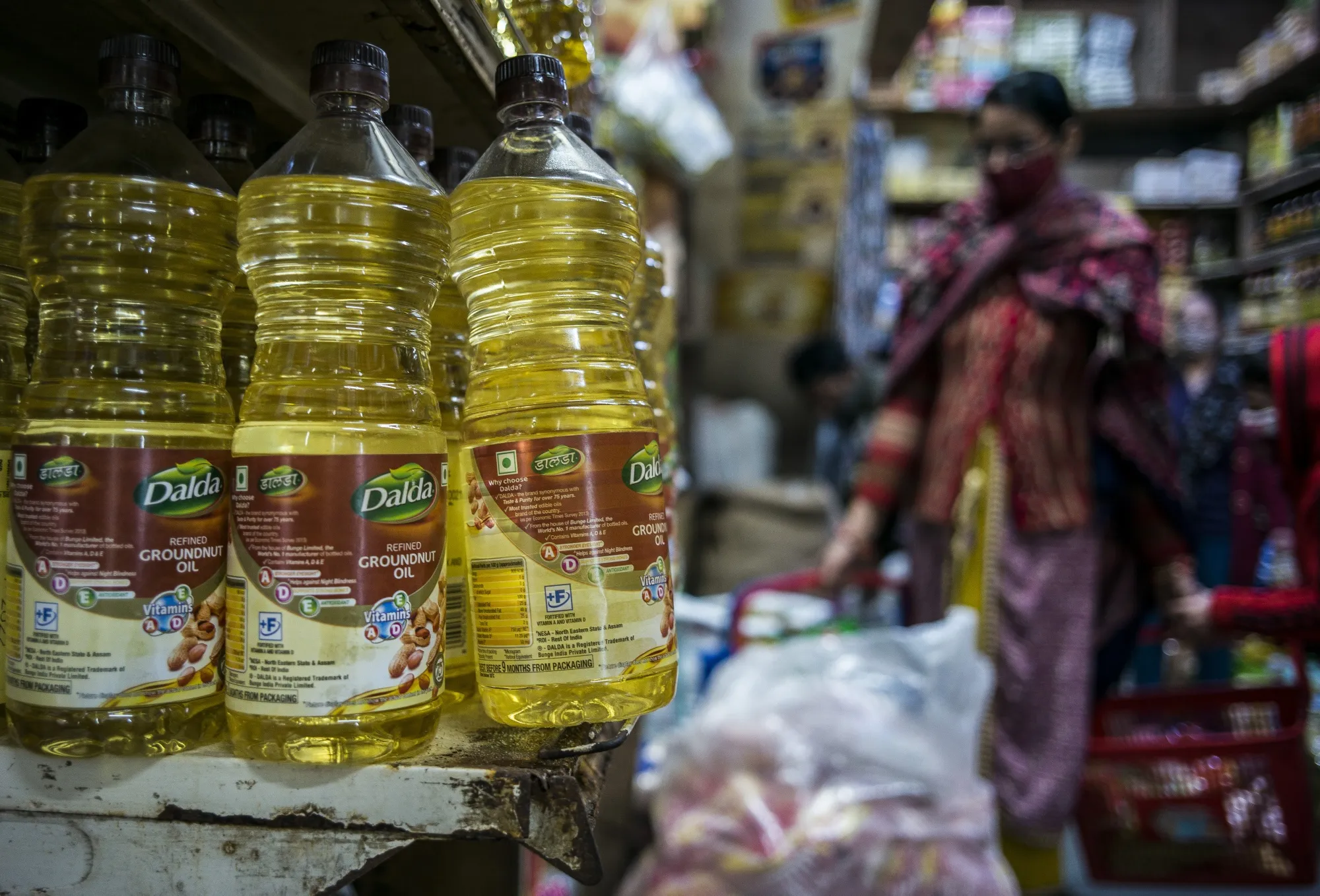
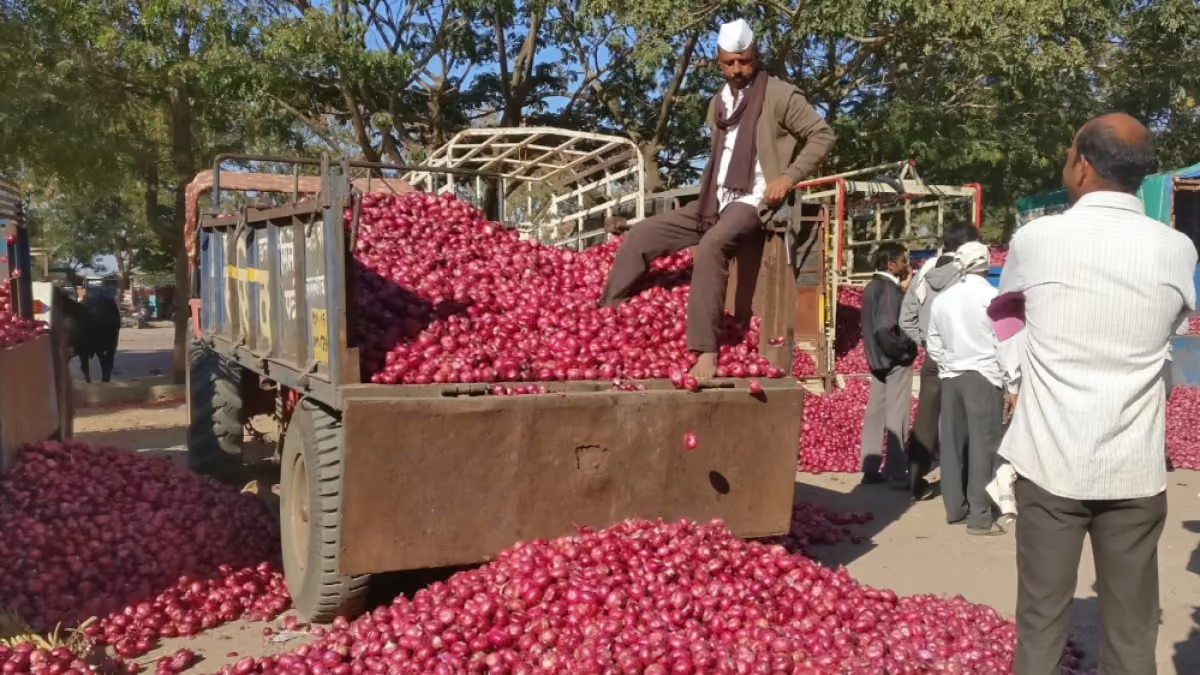
Food processors paying $2.8 billion more for corn and wheat this year face an unhedgeable risk: disaster timing gaps that crop insurance can't fix. The United States loses approximately $5.067 billion in agricultural value annually across 1.865 million farms, averaging $2,717 per farm, according to a Trace One analysis using USDA and FEMA data. A disaster loss the economic hit when floods, drought, freeze, or fire damage crops beyond normal growing risks represents uninsured volatility that reaches far beyond farm gates. Drought alone accounts for more than half of these losses, averaging $2.8 billion per year, with California bearing 22.7% of total national damage despite producing only 11.6% of agricultural value.
In April 2025, severe flooding in eastern Arkansas damaged 31% of regional agricultural acreage, causing an estimated $99 million in losses to corn, rice, soybeans and wheat. Consider a 2,000 acre Arkansas corn operation: at average yields of 180 bushels per acre and corn at $4.20/bushel (July CBOT futures currently around $4.25), that represents $1.5 million in potential revenue. A 31% loss erases $465,000 enough to bankrupt a leveraged operation. Meanwhile, Florida's 2025-2026 winter freezes caused more than $3.1 billion in agricultural losses to sugarcane, citrus, and strawberries, prompting USDA to issue a federal disaster declaration. The Federal Crop Insurance Program (FCIP) subsidized coverage designed to protect producers from weather risks covers these events, but indemnity payments are based on historical yield averages, not replacement cost when disasters tighten supply.
On the buy side: Food processors and animal feed manufacturers absorb immediate price volatility when regional disasters shrink supply. A Midwest ethanol plant sourcing 40 million bushels of corn annually faces procurement costs that can spike $0.50–$1.00 per bushel during weather disruptions adding $20–$40 million to annual input costs with no immediate pass-through mechanism to consumers. Crop insurance doesn't protect buyers; it compensates farmers for lost production at predetermined prices that rarely match post-disaster spot markets. On the sell side: Grain elevators and commodity merchants in California, which disproportionately bears 22.7% of total losses despite producing only 11.6% of national agricultural value, face concentrated exposure. A regional elevator typically contracts 60–70% of expected harvest volumes by May. When disasters cut actual delivery by 30%, operators must source replacement grain at premium prices or default on forward sales.
For large integrated traders Cargill, ADM, Bunge with global sourcing networks and derivatives access: Weather volatility creates opportunity through basis trading and geographic arbitrage. When Arkansas floods reduce local corn availability, basis widens from typical -$0.20 to +$0.50 per bushel, earning traders $0.70 per bushel on inventory repositioned from Iowa to Memphis. These operators hedge regional exposure through CBOT futures and maintain strategic inventory across multiple origins. For smaller regional operators independent elevators, feed mills, food processors without derivatives trading capabilities: The same disasters create unhedgeable exposure. A Kansas wheat farmer reporting 70% hail damage loses 70% of expected yield just weeks before harvest, while local elevators already committed to deliver contracted volumes must scramble for replacement grain at spot premiums that crop insurance won't cover.
The disconnect creates systemic vulnerabilities. Annual crop insurance indemnity payments increased on average by 17 percent per year since 2000, reflecting both rising crop values and increasing weather volatility. But indemnities compensate for lost production at coverage levels typically set at 70-85% of expected yield, valued at projected or harvest prices that rarely reflect the supply tightness disasters create. For traders and processors, the intelligence signal is timing: Producers must report crop damage within 72 hours of discovery, creating a narrow window to position ahead of market adjustment. Monitor USDA crop insurance claim filings by state through the Risk Management Agency's weekly reports, particularly for corn in Illinois, Iowa, Minnesota and soybeans in Illinois, Iowa, Indiana during June-August growing season stress periods.
.jpg)
'%3e%3cg id='Final-Copy-2_2_' transform='translate(1275.000000, 200.000000)'%3e%3cpath class='st0' d='M7.4,12.8h6.8l3.1-11.6H7.4C4.2,1.2,1.6,3.8,1.6,7S4.2,12.8,7.4,12.8z'/%3e%3c/g%3e%3c/g%3e%3c/g%3e%3cg id='final---dec.11-2020'%3e%3cg id='_x30_208-our-toggle' transform='translate(-1275.000000, -200.000000)'%3e%3cg id='Final-Copy-2' transform='translate(1275.000000, 200.000000)'%3e%3cpath class='st1' d='M22.6,0H7.4c-3.9,0-7,3.1-7,7s3.1,7,7,7h15.2c3.9,0,7-3.1,7-7S26.4,0,22.6,0z M1.6,7c0-3.2,2.6-5.8,5.8-5.8 h9.9l-3.1,11.6H7.4C4.2,12.8,1.6,10.2,1.6,7z'/%3e%3cpath id='x' class='st2' d='M24.6,4c0.2,0.2,0.2,0.6,0,0.8l0,0L22.5,7l2.2,2.2c0.2,0.2,0.2,0.6,0,0.8c-0.2,0.2-0.6,0.2-0.8,0 l0,0l-2.2-2.2L19.5,10c-0.2,0.2-0.6,0.2-0.8,0c-0.2-0.2-0.2-0.6,0-0.8l0,0L20.8,7l-2.2-2.2c-0.2-0.2-0.2-0.6,0-0.8 c0.2-0.2,0.6-0.2,0.8,0l0,0l2.2,2.2L23.8,4C24,3.8,24.4,3.8,24.6,4z'/%3e%3cpath id='y' class='st3' d='M12.7,4.1c0.2,0.2,0.3,0.6,0.1,0.8l0,0L8.6,9.8C8.5,9.9,8.4,10,8.3,10c-0.2,0.1-0.5,0.1-0.7-0.1l0,0 L5.4,7.7c-0.2-0.2-0.2-0.6,0-0.8c0.2-0.2,0.6-0.2,0.8,0l0,0L8,8.6l3.8-4.5C12,3.9,12.4,3.9,12.7,4.1z'/%3e%3c/g%3e%3c/g%3e%3c/g%3e%3c/g%3e%3c/svg%3e) Privacy Choices
Privacy Choices