.avif)
.jpg)
Palm oil producers across Indonesia and Malaysia face a compounding margin crisis beginning now and peaking in August–September 2026: input costs are running 10–20% above 2024 baselines due to Hormuz-linked fertilizer and fuel price pass-through, fire risk is escalating across peatland concessions, and the certification infrastructure underpinning European market access is structurally exposed to a single large haze episode. The Singapore Institute of International Affairs (SIIA) has issued a rare red-level transboundary haze warning only the second since 2019 covering Brunei, Indonesia, Malaysia, and Singapore. This is not a seasonal weather note. It is a simultaneous input cost, output volume, and supply chain integrity event arriving in the same quarter.
El Niño a periodic warming of the central and eastern Pacific Ocean that suppresses rainfall across Southeast Asia is already present and forecast to strengthen through August and September according to regional meteorological agencies. A positive Indian Ocean Dipole (IOD) a climate pattern in which the western Indian Ocean warms relative to the eastern, further drying out the Indonesian archipelago is expected to develop in July or August and amplify drought conditions. Together, these two climate drivers mirror the setup that produced the catastrophic haze events of 1997 and 2015. In 1997, fires in Sumatra and Kalimantan burned for months, destroyed an estimated 9.7 million hectares, and generated economic losses across the region in excess of $9 billion. In 2015, Indonesia's peatland fires released more carbon per day, at peak, than the entire US economy. The dry season, according to regional meteorological agencies, may extend into October. That gives a potential window of four months during which a single ignition event on drained peatland inherently more combustible than mineral soil can become uncontrollable.
The economic pressure pushing operators toward fire-assisted land clearing is structural, not opportunistic. Fertilizer prices driven in part by Hormuz shipping disruptions affecting urea and ammonia freight from the Arabian Gulf are estimated at 10–20% above 2024 baseline levels. Marine fuel costs for the smaller vessels serving intra-regional palm oil supply chains have risen similarly. For an Indonesian smallholder managing 2–4 hectares of oil palm, the cost of mechanical land preparation and replanting already $300–500 per hectare under normal conditions becomes prohibitive when input margins are already compressed. Fire is free. Indonesia's fire-management apparatus, which relies on a combination of federal aerial suppression resources and provincial ground teams, is reportedly under budget pressure following public-spending cuts under President Prabowo Subianto, according to regional reporting. Reduced suppression capacity plus increased ignition incentive is not a theoretical risk it is the structural setup that preceded both 1997 and 2015.
The worked margin anatomy makes the exposure precise. Consider a mid-sized Indonesian CPO (crude palm oil the unrefined oil extracted from the palm fruit, which serves as the primary feedstock for cooking oil, cosmetics, and biodiesel) refiner processing 5,000 tonnes per month for the European biodiesel market. At a CPO price of $900/MT and refining costs of $60/MT, with CSPO (Certified Sustainable Palm Oil palm oil verified under schemes such as the Roundtable on Sustainable Palm Oil, or RSPO, as having been produced without deforestation) certification costs adding $15/MT, delivered margin to Rotterdam sits at approximately $40–50/MT thin but commercially viable. Now add the current input cost increase: fertilizer and fuel pass-through adds $15–20/MT to the upstream cost of the raw material. Delivered margin compresses to $20–35/MT. If a haze episode triggers a certification suspension which RSPO has mechanisms to impose on supply chains associated with fire events that operator cannot sell into the EU market at any margin. The cargo does not narrow in profitability. It loses its buyer.
This is where the EUDR dimension becomes commercially critical, and where the market is currently underpricing risk. The EUDR the EU Deforestation Regulation, which requires importers of palm oil, soy, and other commodities to demonstrate that products did not originate from recently deforested land came into force in stages and requires documented, geolocated supply chain data. Indonesian smallholders, who account for the majority of national CPO supply, have almost no EUDR-compliant documentation infrastructure. A 2015 scale haze event would trigger cascading origin disputes, certification suspensions, and contract cancellations across EU-destined palm oil supply chains. Rotterdam-based refiners processing Indonesian CPO into biodiesel and consumer goods would face a compliance cliff, not merely a price adjustment. The structural question which no one has yet cleanly answered is whether European buyers can access enough non-Indonesian certified supply to meet their biodiesel blend mandates if even 15–20% of Indonesian CSPO volume becomes undeliverable. The honest answer is no, not quickly.
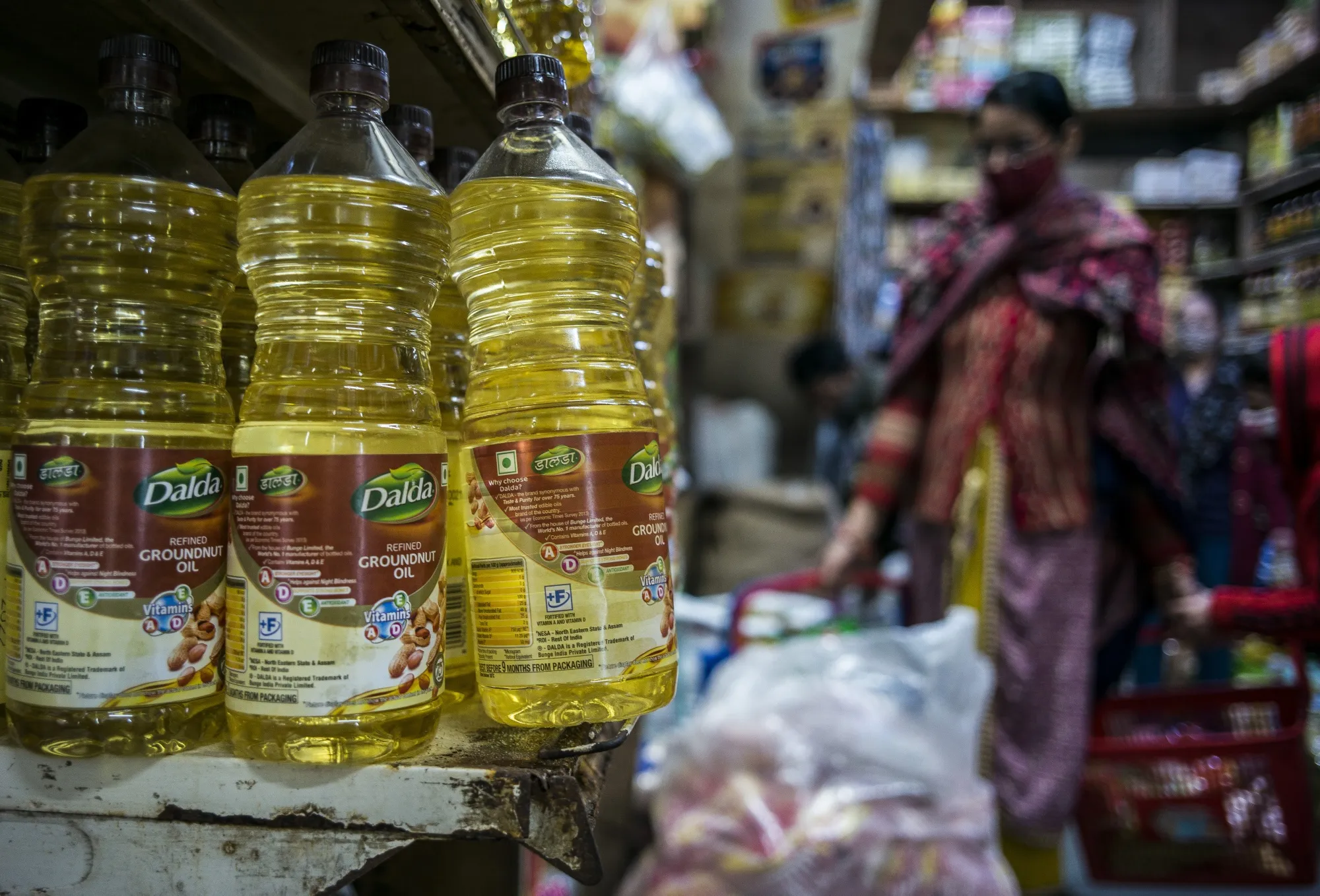
On the buy side, European biodiesel blenders and oleochemical refiners face a window of roughly six to eight weeks from now through late July to restructure forward procurement before August conditions make origin substitution expensive and logistically difficult. A Rotterdam based biodiesel producer consuming 10,000 MT/month of CPO feedstock who switches even 30% of volume to certified soybean oil from South America during this window adds approximately $25–40/MT in feedstock cost roughly $75,000–$120,000/month but preserves EUDR compliance and production continuity. That is manageable. The same switch made under supply pressure in September, when South American soy exporters are aware of the Asian disruption, likely costs $50–80/MT. On the sell side, large integrated plantation operators Wilmar International, Golden Agri-Resources, IOI Corporation with their own internal certification programs and diversified origin portfolios are better positioned than pure-play Sumatra or Kalimantan smallholder aggregators, but none are immune to a region-wide certification event. Their risk is reputational and contractual, not just operational.
For a large integrated agri-trader with derivatives access a Cargill, Bunge, or Louis Dreyfus with positions across both CPO and soy markets the trade is relatively clear. The Bursa Malaysia Derivatives (BMD) CPO futures calendar spread between the June and October 2026 contracts is reportedly underpricing haze tail risk relative to historical El Niño event premiums. In both 1997 and 2015, the CPO to soybean oil spread compressed by 15–20% at peak disruption as buyers switched: that compression created $30–50/MT margin opportunities for soy traders with available tonnage and delivered logistics into Rotterdam and Indian subcontinent ports. An informed trader long October CPO versus short South American soy oil on the CME (Chicago Mercantile Exchange) is positioned for that spread movement. For a smaller regional palm oil trading house without derivatives access a mid-sized Malaysian trader supplying Indian and Pakistani buyers the practical equivalent is to begin negotiating price-adjustment clauses and force majeure language into forward contracts now, before August, and to identify alternative soy or sunflower oil sources from Argentina and Ukraine that can substitute at short notice.
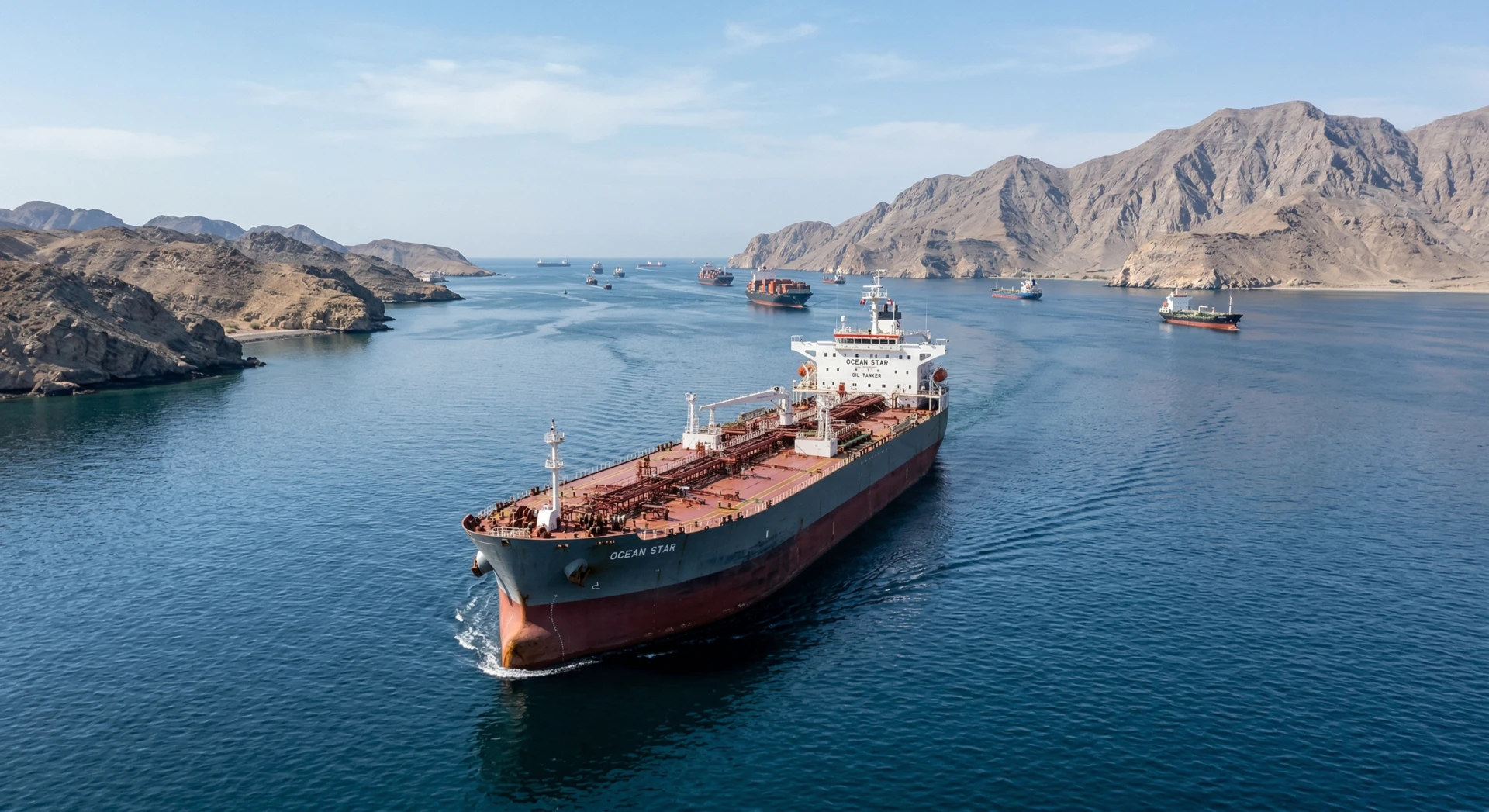
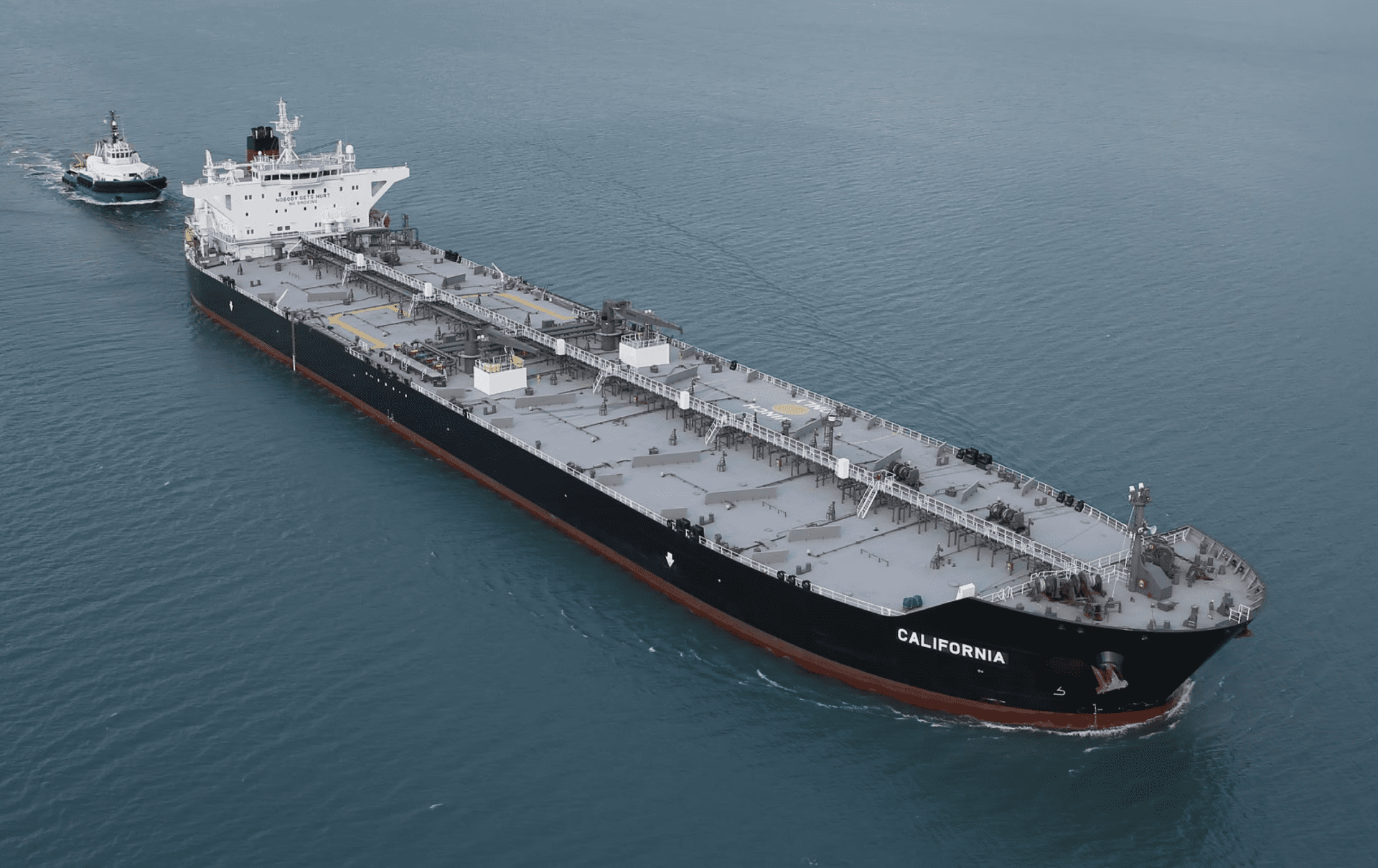
The physical supply chain implications run through specific nodes. Indonesian CPO moves from Sumatra and Kalimantan mills to the ports of Belawan, Dumai, and Pontianak, typically on smaller handysize vessels (vessels of 25,000–40,000 DWT deadweight tonnes, a measure of carrying capacity) that transit the Malacca Strait before transhipping to larger vessels at Singapore or Port Klang for the Rotterdam run. If haze severely disrupts visibility in the Malacca Strait as it did in 2015, when strait visibility fell below 200 metres during peak haze vessel scheduling and port operations at Singapore face direct operational disruption. This is a second-order effect the market does not yet appear to be pricing. Separately, if Southeast Asian palm oil supply contracts, the substitution flow moves through Paranaguá and Santos (Brazil's primary soy export terminals) toward Rotterdam and Mumbai/Kandla the Indian subcontinent's main vegetable oil import ports adding 15–20 days of transit time and roughly $25–35/MT in incremental freight cost compared to the standard Sumatra to Rotterdam run.
The specific signal to watch is the SIIA haze bulletin combined with the BMD CPO October futures curve, monitored weekly from now through the first week of August. If the IOD index, published by Australia's Bureau of Meteorology, turns positive above +0.4°C before 15 July the threshold historically associated with significant drying amplification the probability of a 2015 comparable event rises materially and procurement decisions need to accelerate. For observers tracking European exposure, monitor EUDR compliance announcements from Rotterdam based refiners: any public statement about supply chain review or origin diversification between now and August is a leading indicator that certified volume is already tightening. The window to act ahead of the August–September peak is six weeks. After that, the cost of response rises faster than the cost of the event itself.
.jpg)


'%3e%3cg id='Final-Copy-2_2_' transform='translate(1275.000000, 200.000000)'%3e%3cpath class='st0' d='M7.4,12.8h6.8l3.1-11.6H7.4C4.2,1.2,1.6,3.8,1.6,7S4.2,12.8,7.4,12.8z'/%3e%3c/g%3e%3c/g%3e%3c/g%3e%3cg id='final---dec.11-2020'%3e%3cg id='_x30_208-our-toggle' transform='translate(-1275.000000, -200.000000)'%3e%3cg id='Final-Copy-2' transform='translate(1275.000000, 200.000000)'%3e%3cpath class='st1' d='M22.6,0H7.4c-3.9,0-7,3.1-7,7s3.1,7,7,7h15.2c3.9,0,7-3.1,7-7S26.4,0,22.6,0z M1.6,7c0-3.2,2.6-5.8,5.8-5.8 h9.9l-3.1,11.6H7.4C4.2,12.8,1.6,10.2,1.6,7z'/%3e%3cpath id='x' class='st2' d='M24.6,4c0.2,0.2,0.2,0.6,0,0.8l0,0L22.5,7l2.2,2.2c0.2,0.2,0.2,0.6,0,0.8c-0.2,0.2-0.6,0.2-0.8,0 l0,0l-2.2-2.2L19.5,10c-0.2,0.2-0.6,0.2-0.8,0c-0.2-0.2-0.2-0.6,0-0.8l0,0L20.8,7l-2.2-2.2c-0.2-0.2-0.2-0.6,0-0.8 c0.2-0.2,0.6-0.2,0.8,0l0,0l2.2,2.2L23.8,4C24,3.8,24.4,3.8,24.6,4z'/%3e%3cpath id='y' class='st3' d='M12.7,4.1c0.2,0.2,0.3,0.6,0.1,0.8l0,0L8.6,9.8C8.5,9.9,8.4,10,8.3,10c-0.2,0.1-0.5,0.1-0.7-0.1l0,0 L5.4,7.7c-0.2-0.2-0.2-0.6,0-0.8c0.2-0.2,0.6-0.2,0.8,0l0,0L8,8.6l3.8-4.5C12,3.9,12.4,3.9,12.7,4.1z'/%3e%3c/g%3e%3c/g%3e%3c/g%3e%3c/g%3e%3c/svg%3e) Privacy Choices
Privacy Choices