.avif)

Pakistani petroleum importers face an estimated $4 billion annual impact as the country's merchandise trade deficit hit $4.07 billion in April 2026 the highest in 46 months. Pakistan's trade deficit crossed $4 billion in April 2026, the highest monthly gap since June 2022, as a sharp rise in imports continued to outpace export growth. Given Pakistan's heavy reliance on imported fuel, meeting about 85% of its oil demand through external sources, the economy remains highly vulnerable to such shocks. A trade deficit the gap between what a country imports versus what it exports signals that Pakistan is spending far more foreign currency than it earns, draining reserves and pressuring the rupee.
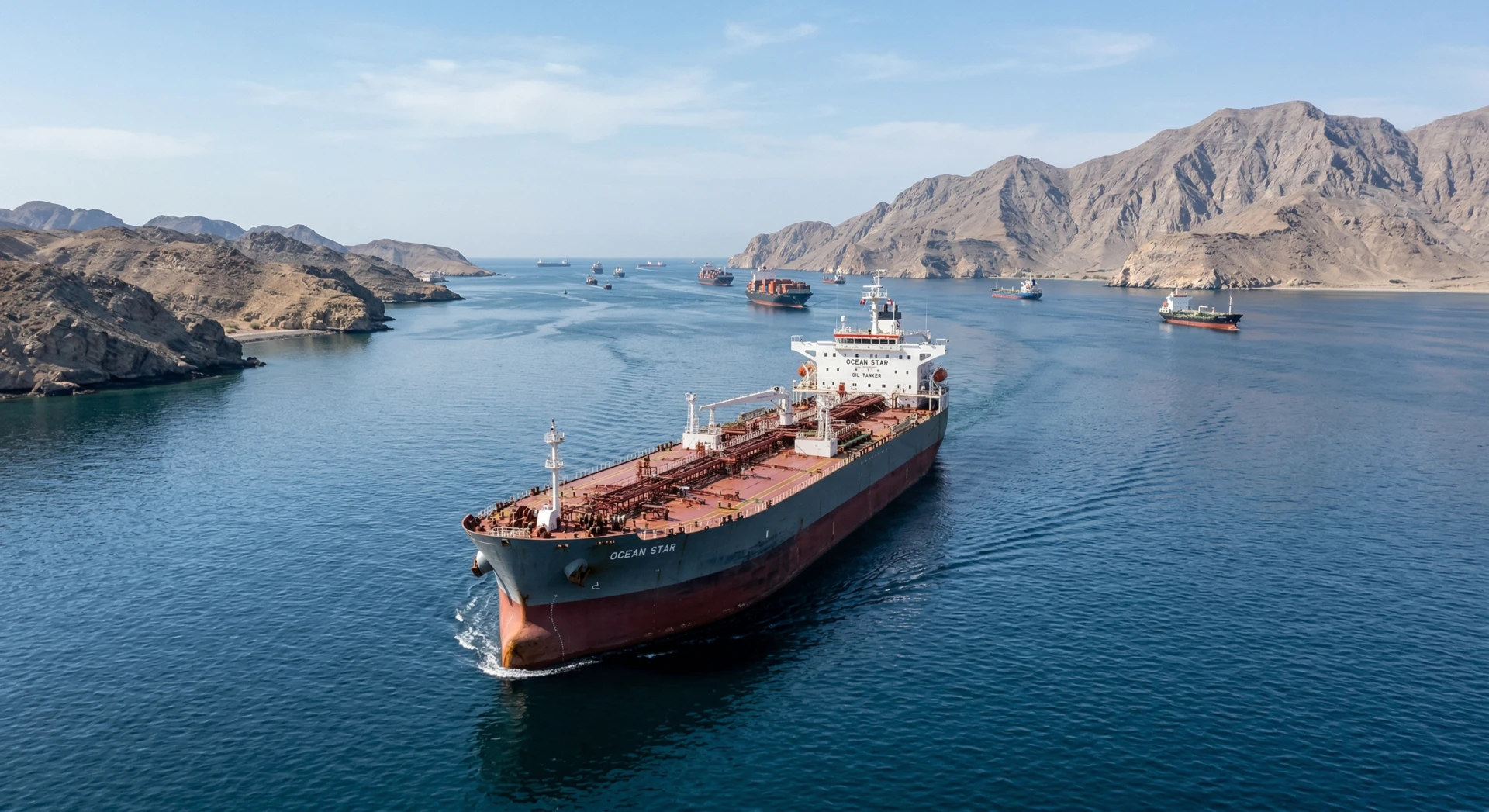
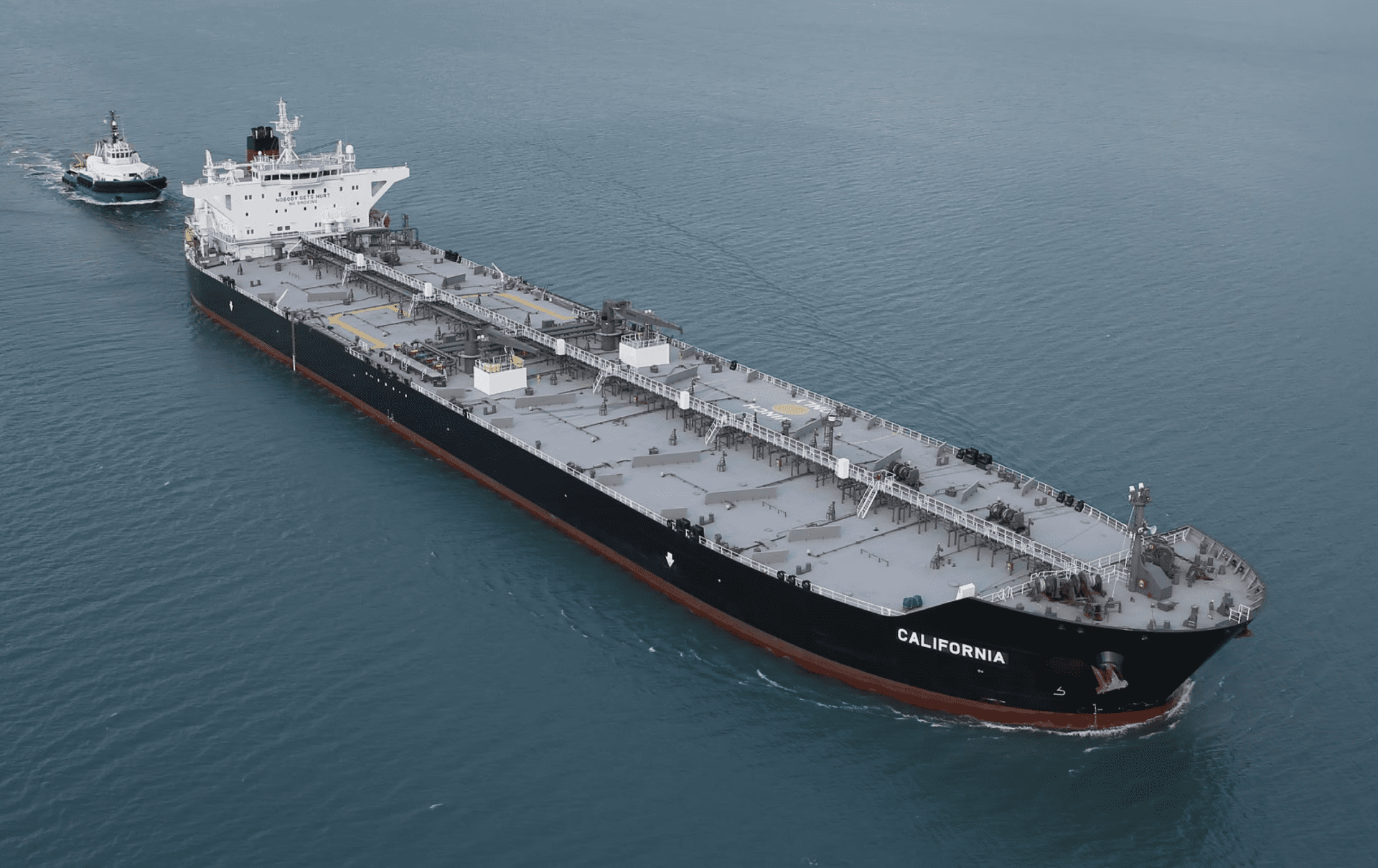
On the other hand, imports stood at $6.55 billion in April 2026, up 7.5% against $6.1 billion recorded in the same period the previous year. On a month on month basis, the deficit widened sharply by 43.5% from $2.84 billion in March 2026. Consider a mid-sized Pakistani fuel importer bringing in a 30,000 tonne gasoline cargo from the Gulf: at Brent crude futures fell about 4% to close at $109.87 per barrel and with Middle East conflict premiums, the delivered cost has jumped roughly 35-40% since February. Where the same cargo cost approximately $25 million in January, it now costs $34-35 million absorbing $9-10 million more in foreign exchange per shipment. The Strait of Hormuz a 33 kilometre-wide chokepoint through which roughly 20% of world traded oil flows daily remains under Iranian control, forcing Pakistan to source expensive spot cargoes or pay war-risk premiums on existing contracts.
Pakistan's external sector has come under renewed strain as escalating geopolitical tensions involving Israel, the United States and Iran have added fuel to the flames of an already widening trade imbalance, pushing the country's monthly trade deficit to a 46 month high of about $4 billion in April 2026. The timing compounds Pakistan's structural vulnerability: unlike major economies with strategic petroleum reserves underground salt caverns or above ground tank farms that can store months of supply Pakistan operates with minimal buffer capacity. Any sustained increase in oil prices or disruption in shipping lanes translates almost immediately into higher import payments. Strategic petroleum reserves (SPR) are government controlled emergency stockpiles designed to cushion supply shocks; most developed economies maintain 90+ days of import cover, while Pakistan holds perhaps 10-15 days of working inventory at refineries and terminals.
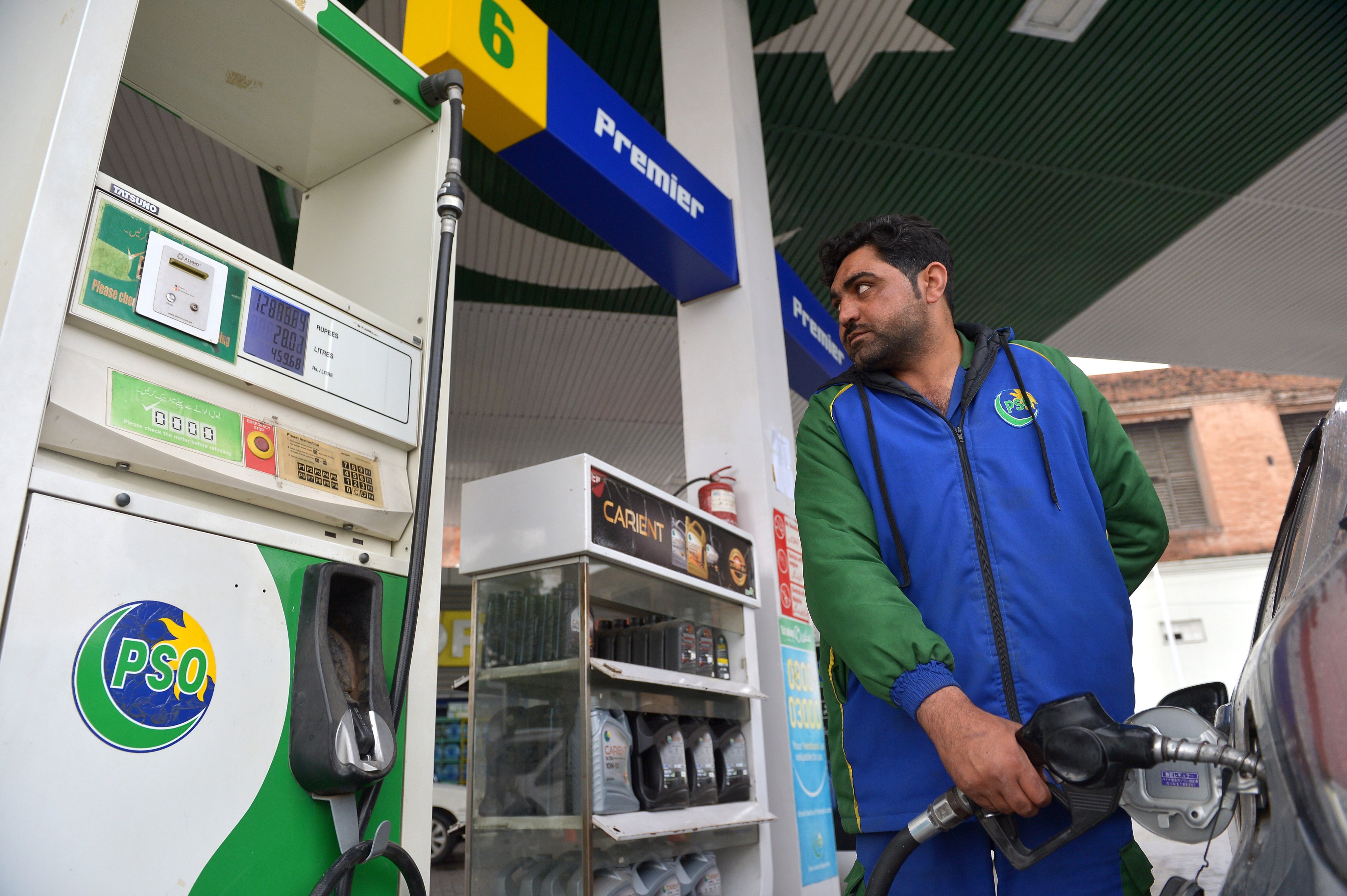
On the buy side: Pakistani fuel distributors state-owned Pakistan State Oil, Shell Pakistan, or mid-tier operators like Hascol face immediate margin compression as pump price adjustments lag crude cost spikes by 15-30 days. A distributor importing 50,000 tonnes monthly at current rates pays $55-60 million per cargo versus $40-45 million three months ago. With rupee depreciation pressure, that gap widens to PKR 4-5 billion additional monthly outflow per major importer. On the sell side: Gulf petroleum exporters Saudi Aramco, Kuwait Petroleum, UAE's ADNOC capture enhanced margins as Asian buyers compete for limited non-Hormuz supply. War-risk insurance adds $2-4/barrel to delivered costs, but exporters with alternative routing capacity (Red Sea pipelines, Oman terminals) command premium pricing. For financial intermediaries: Banks financing petroleum Letter of Credit (LC) arrangements the documentary instruments that guarantee payment once shipping documents are presented face higher collateral requirements and shorter tenors as credit risk escalates with each cargo.
For large integrated players Pakistan State Oil with refinery operations and some derivatives access the strategy shifts to shorter inventory cycles and fixed-price bilateral contracts with Gulf suppliers, accepting 10-15% margin compression to avoid spot-market volatility. For smaller regional distributors independent fuel station networks or LPG companies without hedging instruments the practical equivalent involves inventory minimisation, requesting supplier credit extensions, and immediate pump price pass-through despite customer resistance. The widening gap is likely to keep pressure on the rupee and complicate efforts to stabilize Pakistan's external accounts. For market observers: monitor the Pakistan Bureau of Statistics monthly trade data release, typically published 3-5 days after month-end if the July-April fiscal year deficit exceeds $35 billion by June, expect IMF programme revision discussions and potential currency intervention by August.
.jpg)

'%3e%3cg id='Final-Copy-2_2_' transform='translate(1275.000000, 200.000000)'%3e%3cpath class='st0' d='M7.4,12.8h6.8l3.1-11.6H7.4C4.2,1.2,1.6,3.8,1.6,7S4.2,12.8,7.4,12.8z'/%3e%3c/g%3e%3c/g%3e%3c/g%3e%3cg id='final---dec.11-2020'%3e%3cg id='_x30_208-our-toggle' transform='translate(-1275.000000, -200.000000)'%3e%3cg id='Final-Copy-2' transform='translate(1275.000000, 200.000000)'%3e%3cpath class='st1' d='M22.6,0H7.4c-3.9,0-7,3.1-7,7s3.1,7,7,7h15.2c3.9,0,7-3.1,7-7S26.4,0,22.6,0z M1.6,7c0-3.2,2.6-5.8,5.8-5.8 h9.9l-3.1,11.6H7.4C4.2,12.8,1.6,10.2,1.6,7z'/%3e%3cpath id='x' class='st2' d='M24.6,4c0.2,0.2,0.2,0.6,0,0.8l0,0L22.5,7l2.2,2.2c0.2,0.2,0.2,0.6,0,0.8c-0.2,0.2-0.6,0.2-0.8,0 l0,0l-2.2-2.2L19.5,10c-0.2,0.2-0.6,0.2-0.8,0c-0.2-0.2-0.2-0.6,0-0.8l0,0L20.8,7l-2.2-2.2c-0.2-0.2-0.2-0.6,0-0.8 c0.2-0.2,0.6-0.2,0.8,0l0,0l2.2,2.2L23.8,4C24,3.8,24.4,3.8,24.6,4z'/%3e%3cpath id='y' class='st3' d='M12.7,4.1c0.2,0.2,0.3,0.6,0.1,0.8l0,0L8.6,9.8C8.5,9.9,8.4,10,8.3,10c-0.2,0.1-0.5,0.1-0.7-0.1l0,0 L5.4,7.7c-0.2-0.2-0.2-0.6,0-0.8c0.2-0.2,0.6-0.2,0.8,0l0,0L8,8.6l3.8-4.5C12,3.9,12.4,3.9,12.7,4.1z'/%3e%3c/g%3e%3c/g%3e%3c/g%3e%3c/g%3e%3c/svg%3e) Privacy Choices
Privacy Choices