.avif)
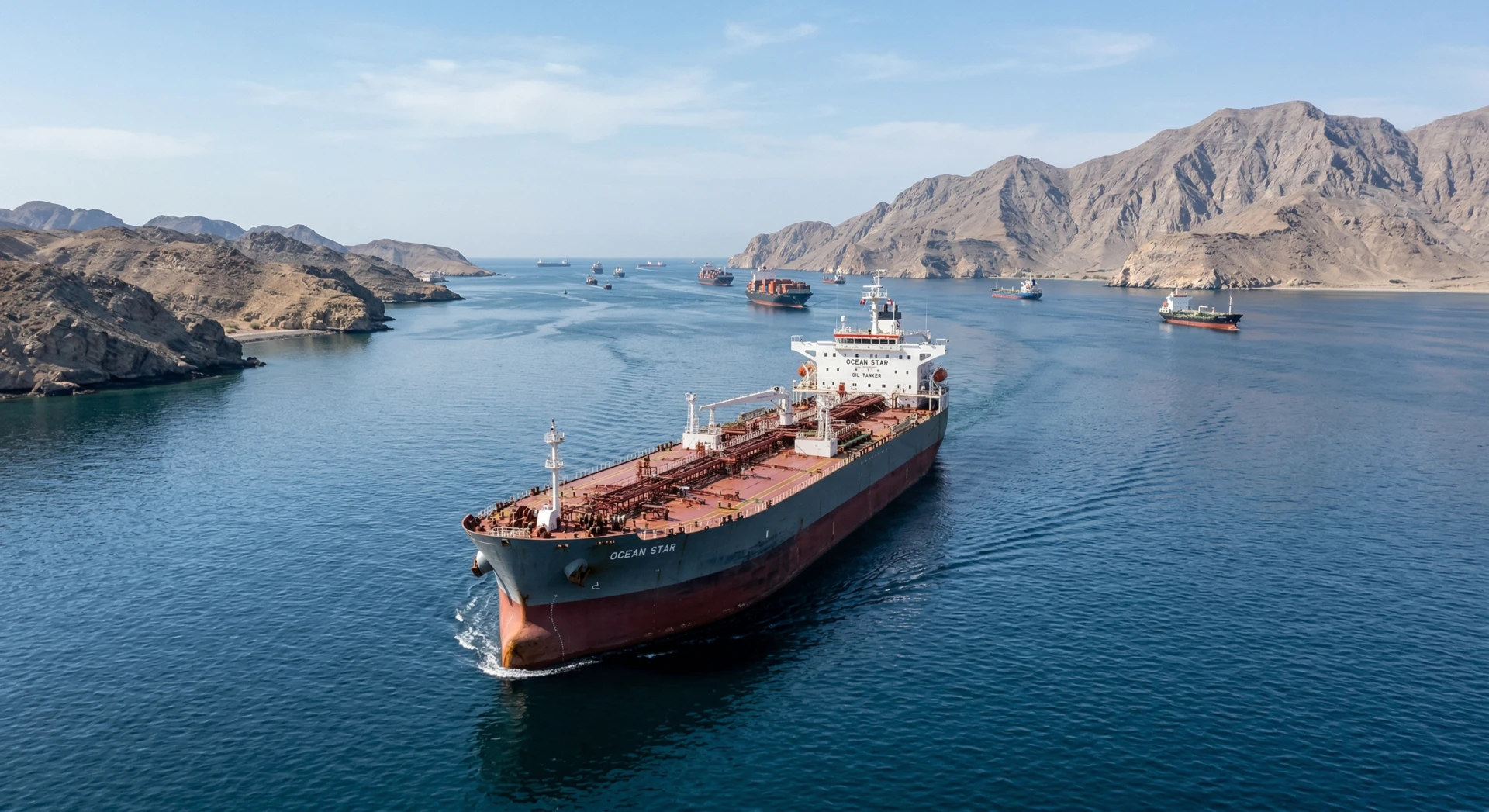
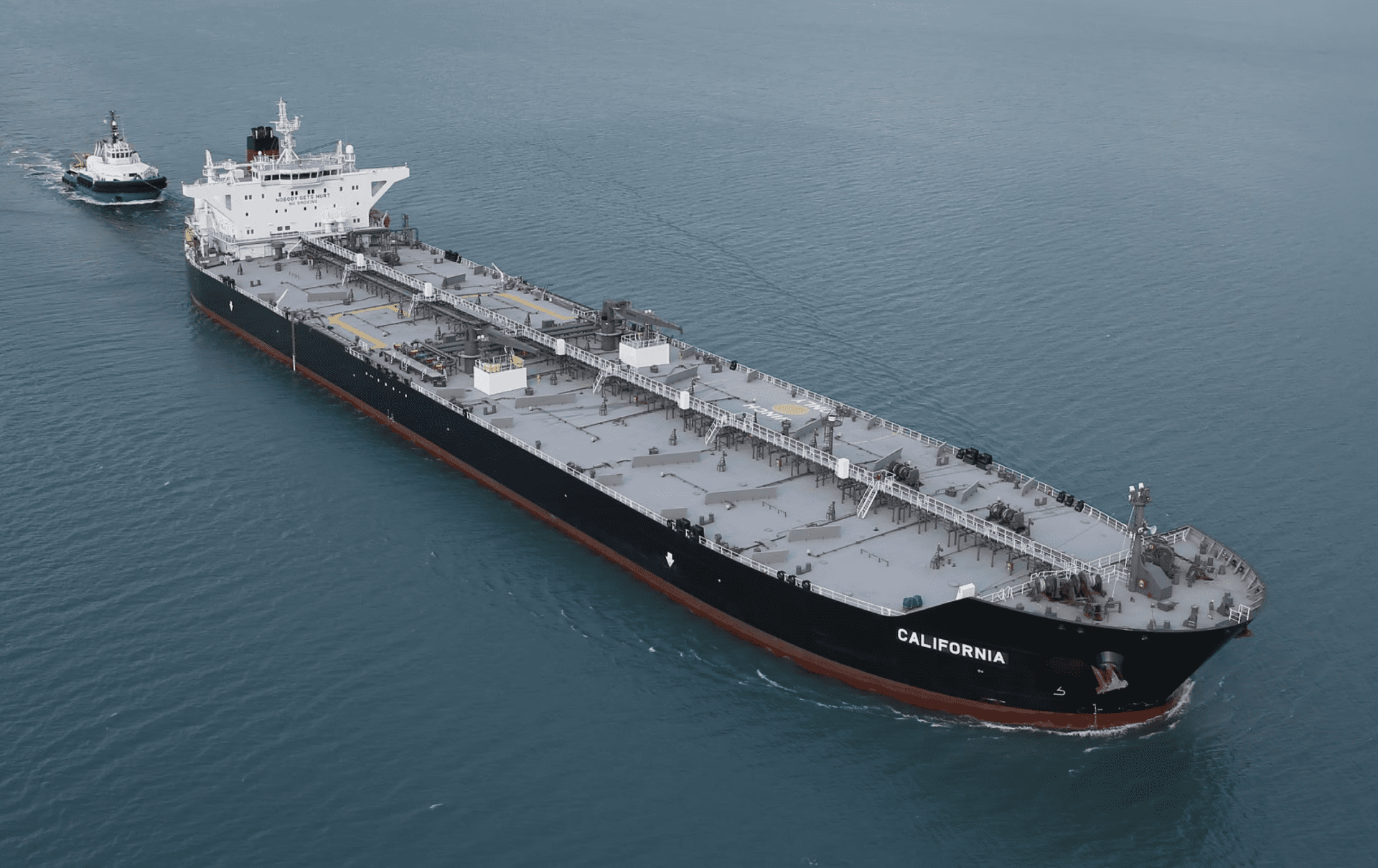
Asian VLCC charterers face the steepest margin compression in decades as Hormuz traffic collapsed from roughly 130 daily transits to approximately 6 by March 2026. For a VLCC charterer typically moving 2 million barrel cargoes from the Arabian Gulf to Northeast Asia, the economics have turned catastrophic. OPEC+ production fell 7.9 million barrels per day in March largely due to the Strait shutdown, while Asian petrochemical plants rely on the Middle East for 70-80% of their naphtha feedstock, most of which passes through Hormuz. The mathematical reality is stark: alternative Cape routing adds 15-30 days transit time, but Asian facilities typically hold only 7-15 days inventory.
Brent crude surged to around $102 per barrel by mid-April 2026, while physical delivery prices in Asia reached extreme premiums. Consider a VLCC charterer with a standard time charter arrangement at $35,000/day. Pre-crisis, a 25-day Arabian Gulf-to-Singapore voyage earned approximately $875,000 voyage revenue against $700,000 bunker costs — a thin but viable $175,000 margin per voyage. Dubai crude traded at $169 per barrel while Brent was at $111, creating a $58/barrel premium for Middle Eastern grades. That premium, multiplied across 2 million barrels, adds $116 million to cargo value — but only if the cargo can actually be delivered.
A letter of credit (LC) — a bank guarantee that payment will be made once shipping documents are presented — becomes meaningless when vessels cannot transit. War risk insurance was cancelled from March 5, making the economic risk too high for ship owners to use the strait. Protection and indemnity (P&I) insurance — the Lloyd's market coverage that protects against third-party claims — simply disappeared for Gulf transits. Without P&I cover, a VLCC charterer faces unlimited personal liability for any collision, pollution, or cargo damage claim.
Transits of all vessel types were down 81% by March 1 compared to February 22, with just over 1 million deadweight tonnes tracked passing through versus a January average of 10.3 million. For large integrated traders like Vitol, Shell, or a national oil company's trading arm, the disruption creates both crisis and opportunity. Their derivatives access allows sophisticated hedging: selling Brent futures while buying Singapore/Dubai swaps to capture the widening arbitrage. A major trader might lock in the $15-20/barrel Atlantic Basin-Asia premium through a combination of freight swaps and crude oil spreads.
For smaller VLCC charterers without derivatives access — regional shipping companies, independent tanker operators, family-owned fleets from Greece or Norway — the situation offers no such hedges. These operators face a binary choice: accept Cape routing that doubles voyage time and obliterates margins, or anchor their vessels in Fujairah and wait. Most vessels appear to be holding positions outside Hormuz, with roughly 400 vessels operating in the Gulf of Oman as a massive backlog formed. Every day at anchor costs $35,000 in charter hire with zero revenue.
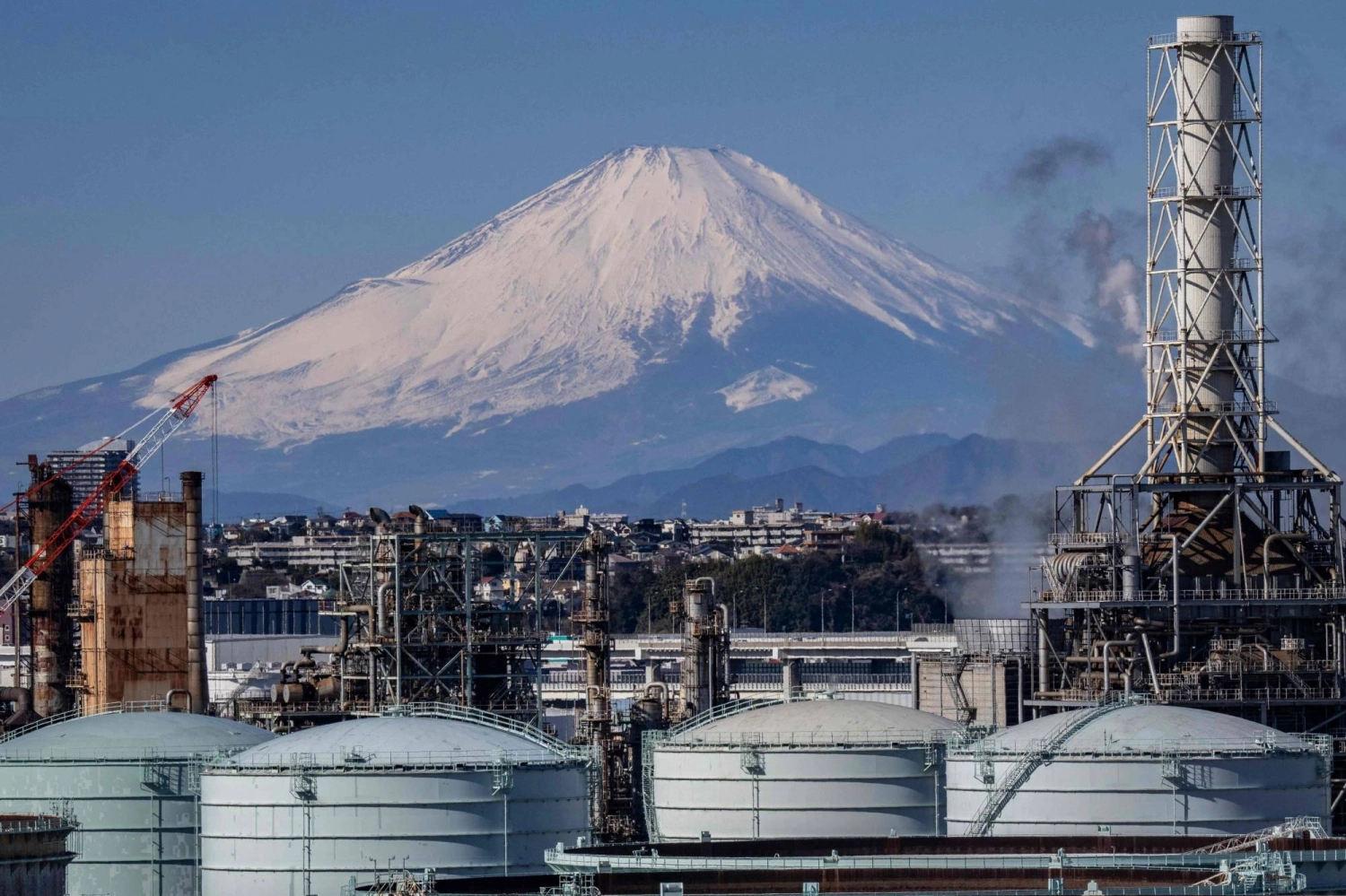
The supply chain journey exposes the crisis anatomy. Crude oil from Abu Dhabi loads onto a VLCC at Jebel Ali terminal, transits the 33-kilometre Strait of Hormuz chokepoint, and arrives 25 days later at Ichihara refinery in Japan. That refinery's fluid catalytic cracking (FCC) units are calibrated for Arab Heavy crude with API gravity of 28 degrees and 2.8% sulfur content. Asian refineries calibrated their FCC units and hydrocracking complexes for crude with API gravities between 27-32 degrees and sulfur exceeding 2.5%, with processing units achieving optimal performance when fed crude matching specific viscosity parameters.
Backwardation — where near-term prices exceed forward prices — signals physical supply shortage. The Dubai crude price, tracking actual physical delivery, surged 76% since the war began to $126 per barrel, more than double the 36% gain in paper futures. This spread means VLCC charterers holding physical cargo can theoretically capture extraordinary margins — if they can deliver. The paradox concentrates profit in the hands of the few vessels that successfully transit while devastating the majority anchored outside.
Freight rates themselves tell the crisis story. War-risk ship insurance premiums increased from 0.125% to between 0.2% and 0.4% of ship value per transit — for VLCCs, an increase of a quarter million dollars. A VLCC worth $100 million now pays $400,000 in war risk premium per voyage, assuming coverage is available. Combined with P&I withdrawal, the total insurance cost exceeds most voyage margins even before considering extended routing.
Tanker traffic dropped to near zero, with all major carriers including Maersk, CMA CGM, MSC, and Hapag-Lloyd suspending transits. For container lines, this creates different pressures than VLCC operators face. Container vessels can reroute via Suez when Red Sea conditions permit, or around the Cape with surcharges. VLCC charterers moving crude oil have no such flexibility — their cargo must reach specific refineries configured for specific crude grades.
Global daily crude processing fell to 77.2 million barrels in April, down 5.8 million from February forecasts and 5.2 million year-on-year, with the downward revision lasting all year. This demand destruction paradox hurts VLCC charterers in a second wave: even if Hormuz reopens, Asian refineries running at reduced rates will need fewer cargoes. The recovery phase may see vessel oversupply as stranded tonnage returns to service simultaneously.
The base commodity petrochemical pricing arbitrage between the U.S. and Asia shot up above $1,200 per metric ton from typical levels under $500. This creates freight opportunities for chemical tankers and product carriers, but crude VLCC charterers cannot easily pivot to these trades. VLCCs are purpose-built for crude oil transport, with heating coils, cargo pumps, and tank configurations optimized for petroleum.
The financing dimension reveals deeper stress. Most VLCC charters operate on 30-60 day payment terms, meaning cash flow stops immediately when voyages halt. For a mid-sized VLCC operator with 5-10 vessels, monthly operating costs of $1.5-2 million continue regardless of revenue. MSC has 15 ships (109K TEU) trapped in Gulf, while ONE has 6 vessels (25K TEU) trapped, with conflict costing $40-50 million per week in added fuel, insurance, and rerouting costs. These numbers, while focused on container operators, illustrate the cash burn facing any shipowner with assets in the Gulf.
Geopolitical arbitrage emerges for sophisticated VLCC charterers with the right relationships. From March 1-15, 11 China-linked vessels transited through Hormuz, mostly general cargo ships, though one China-owned vessel was struck by shrapnel. Iran's selective "toll booth" system allows allied vessels (Chinese, Russian) to transit while collecting fees in yuan. VLCC charterers with Chinese state backing or willing to accept payment in yuan might access this preferential routing, but at the cost of Western insurance and banking relationships.
The crisis reshapes VLCC chartering patterns permanently. Even when Hormuz gradually resumes, flows will not return to pre-conflict levels until late 2026, with oil prices remaining elevated and Brent averaging $76/barrel in 2027 — $23 higher than pre-crisis forecasts. VLCC charterers must prepare for a structural shift toward longer voyage distances, higher insurance costs, and more volatile freight markets. The era of predictable 25-day Arabian Gulf-Asia runs at commodity rates has ended.
For observers tracking the VLCC chartering recovery, monitor the Baltic Dirty Tanker Index (BDTI) — specifically the TD3C route from Arabian Gulf to Singapore. When daily earnings exceed $40,000 for a standard VLCC, it signals margin restoration. Watch also the VLCC bunker-adjusted time charter equivalent (TCE) rates published weekly by Clarksons Research. Sustained TCE above $25,000/day indicates the sector has absorbed the crisis costs and returned to viable operations.
.jpg)
'%3e%3cg id='Final-Copy-2_2_' transform='translate(1275.000000, 200.000000)'%3e%3cpath class='st0' d='M7.4,12.8h6.8l3.1-11.6H7.4C4.2,1.2,1.6,3.8,1.6,7S4.2,12.8,7.4,12.8z'/%3e%3c/g%3e%3c/g%3e%3c/g%3e%3cg id='final---dec.11-2020'%3e%3cg id='_x30_208-our-toggle' transform='translate(-1275.000000, -200.000000)'%3e%3cg id='Final-Copy-2' transform='translate(1275.000000, 200.000000)'%3e%3cpath class='st1' d='M22.6,0H7.4c-3.9,0-7,3.1-7,7s3.1,7,7,7h15.2c3.9,0,7-3.1,7-7S26.4,0,22.6,0z M1.6,7c0-3.2,2.6-5.8,5.8-5.8 h9.9l-3.1,11.6H7.4C4.2,12.8,1.6,10.2,1.6,7z'/%3e%3cpath id='x' class='st2' d='M24.6,4c0.2,0.2,0.2,0.6,0,0.8l0,0L22.5,7l2.2,2.2c0.2,0.2,0.2,0.6,0,0.8c-0.2,0.2-0.6,0.2-0.8,0 l0,0l-2.2-2.2L19.5,10c-0.2,0.2-0.6,0.2-0.8,0c-0.2-0.2-0.2-0.6,0-0.8l0,0L20.8,7l-2.2-2.2c-0.2-0.2-0.2-0.6,0-0.8 c0.2-0.2,0.6-0.2,0.8,0l0,0l2.2,2.2L23.8,4C24,3.8,24.4,3.8,24.6,4z'/%3e%3cpath id='y' class='st3' d='M12.7,4.1c0.2,0.2,0.3,0.6,0.1,0.8l0,0L8.6,9.8C8.5,9.9,8.4,10,8.3,10c-0.2,0.1-0.5,0.1-0.7-0.1l0,0 L5.4,7.7c-0.2-0.2-0.2-0.6,0-0.8c0.2-0.2,0.6-0.2,0.8,0l0,0L8,8.6l3.8-4.5C12,3.9,12.4,3.9,12.7,4.1z'/%3e%3c/g%3e%3c/g%3e%3c/g%3e%3c/g%3e%3c/svg%3e) Privacy Choices
Privacy Choices