.avif)
.avif)
Indian refiners face a structural shift away from market-driven crude procurement as New Delhi establishes centralized crisis management protocols that could override commercial decision making autonomy. The formation of an Informal Empowered Group of Ministers (IGoM) under Defence Minister Rajnath Singh focused on energy security coordination, signals government readiness to intervene directly in refinery crude sourcing during supply disruptions. For India's major integrated refiners like Indian Oil Corporation (IOC) and Bharat Petroleum Corporation Limited (BPCL), this represents a fundamental change in procurement strategy worth examining across their combined ~240 million tonnes per annum refining capacity. The immediate trigger is West Asia conflict escalation, but the mechanism creates lasting precedent for state intervention in what has traditionally been commercially driven crude allocation decisions. Refiners must now balance spot market opportunities against potential government directives that could mandate specific sourcing patterns regardless of commercial merit.
The margin anatomy for Indian refiners becomes critically complex when government intervention layers over market fundamentals. Consider IOC's typical crude procurement: a 2 million barrel Iraqi Basra Light cargo costs ~$168 million at $84/barrel Brent, with procurement teams optimizing ~$1.50-2.50/barrel spreads between grades. Government allocation directives could force sourcing from higher cost origins or mandate strategic reserve fills that compress refining margins by $0.75-1.25/barrel across integrated operations. The economic adviser's emphasis on 'commodity buffers' hits refiners directly India's strategic petroleum reserve (SPR) capacity at 5.33 million tonnes covers merely 9.5 days of the country's ~5 million barrel per day import requirement. Any government mandated SPR expansion would require refiners to either sacrifice commercial flexibility or accept lower-return inventory builds that tie up working capital worth $2.5-3.8 billion annually across the sector.
On the buy side, Indian refiners now face dual procurement pressures that fragment decision making authority. Large integrated players like Reliance Industries, with 1.24 million barrel per day capacity at Jamnagar, possess sophisticated derivatives capabilities to hedge government mandated crude purchases but lose the agility that drives their historical 15-20% return on invested capital in refining. Mid-tier refiners such as Chennai Petroleum Corporation Limited (CPCL), processing ~185,000 barrels per day, lack comprehensive hedging infrastructure and become particularly vulnerable to forced sourcing from volatile regions where they cannot adequately manage price risk. The IGoM's mandate for 'proactive coordination' in energy procurement suggests refiners must now factor government priorities potentially including diplomatic considerations with supplier nations into crude selection processes that previously centered purely on crack spread optimization and logistical efficiency.
On the sell side, crude suppliers to India must navigate an increasingly fragmented buyer landscape where commercial and political decision making authority diverges. Traditional suppliers like Saudi Aramco and Kuwait Petroleum Corporation, which together supply ~35% of India's crude imports, face uncertainty about whether established term contracts with individual refiners remain binding during crisis periods or become subject to government reallocation. Russian crude suppliers, who have captured ~36% market share since 2022 through aggressive pricing, confront particular vulnerability as government intervention could prioritize 'supply chain robustness' over pure economics, potentially forcing a shift back toward traditional Gulf suppliers despite price disadvantages of $3-7/barrel. Intermediary traders like Vitol and Trafigura, who facilitate ~25-30% of India's spot crude imports, must now account for regulatory intervention risk when structuring deals, potentially requiring higher risk premiums that ultimately compress refiner margins further.
Large integrated refiners with established government relationships possess certain advantages in navigating this intervention framework but face strategic constraints that smaller operators might avoid. IOC and BPCL, with their majority government ownership, likely receive advance notice of allocation directives and can optimize around known constraints, potentially maintaining 60-70% of their historical procurement flexibility. However, their obligation to serve as policy implementation vehicles means accepting suboptimal crude purchases during crisis periods estimated impact of $0.50-1.00/barrel margin compression during intervention phases lasting 3-6 months. Private sector giants like Reliance can leverage their export-oriented business model to partially offset domestic market constraints, redirecting constrained crude grades toward international product sales where margins remain market-determined. Their derivatives trading capabilities allow hedging of government mandated purchases through paper markets, though regulatory scrutiny of such activities increases substantially during crisis periods.
Smaller and regional refiners operate under different margin pressures but face more severe adaptation challenges when procurement autonomy disappears. Mid-sized operations like Numaligarh Refinery Limited (NRL), processing ~60,000 barrels per day, typically negotiate bilateral crude supply arrangements with limited spot market exposure a model that becomes unworkable when government intervention fragments established supplier relationships. These operators lack the financial sophistication to hedge forced purchases from unfamiliar origins and cannot achieve the economies of scale necessary for direct government engagement during allocation processes. Regional refiners in states like Punjab (Punjab State Petroleum Corporation) face additional complexity as state level crisis management groups, exemplified by Bihar's formation of its Crisis Management Group, potentially create conflicting directives between federal and state authorities regarding crude sourcing priorities and strategic inventory requirements.
The forward signal for Indian refining procurement points toward a bifurcated market structure where crisis-period intervention becomes normalized rather than exceptional. Government emphasis on 'fiscal space for long-term commodity buffers' indicates systematic expansion of strategic reserves beyond current 9.5 day import coverage, potentially targeting 30-45 days as achieved by other major importers like Japan and South Korea. This structural shift requires refiners to develop parallel procurement capabilities: optimized commercial operations during normal periods and compliance focused allocation systems during intervention phases. The merchandise trade deficit exceeding $280 billion in 2024-25, as highlighted by the economic adviser, provides ongoing justification for government intervention in import optimization suggesting that what began as crisis management could evolve into permanent dual-track procurement governance. Refiners must now invest in government relations capabilities alongside traditional commercial procurement expertise, fundamentally altering the skill set and organizational structure required for effective crude sourcing in the Indian market.
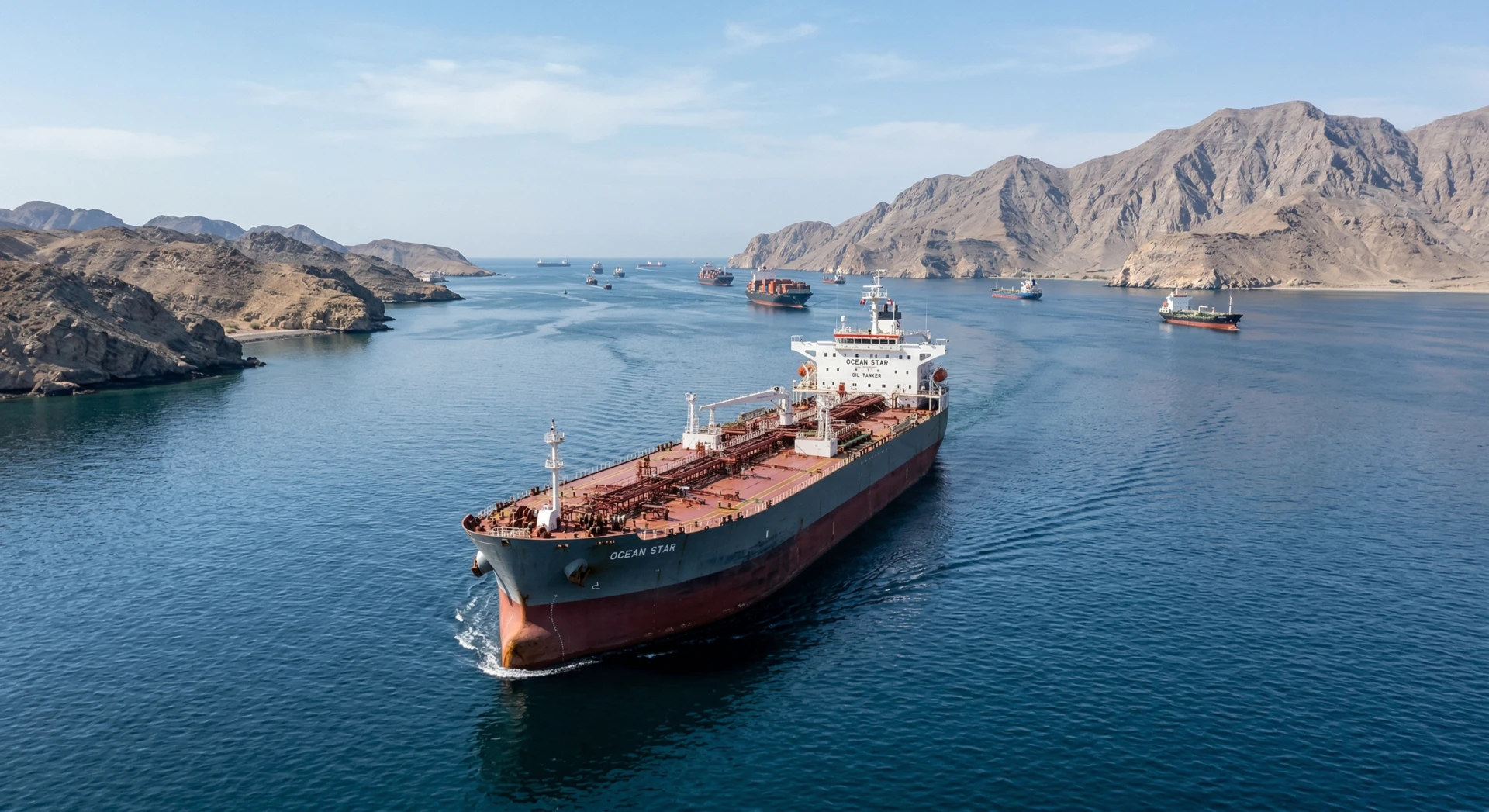

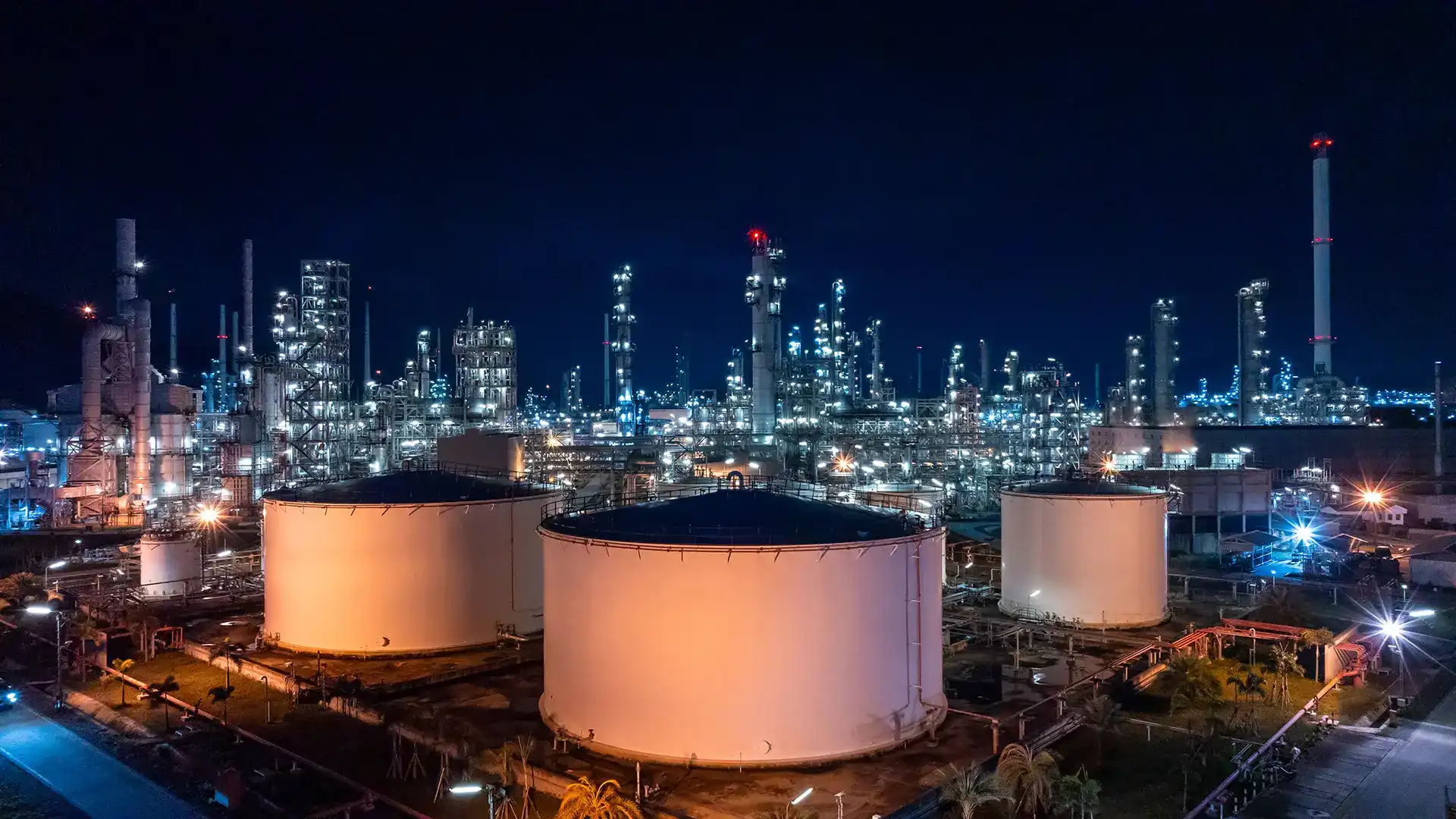
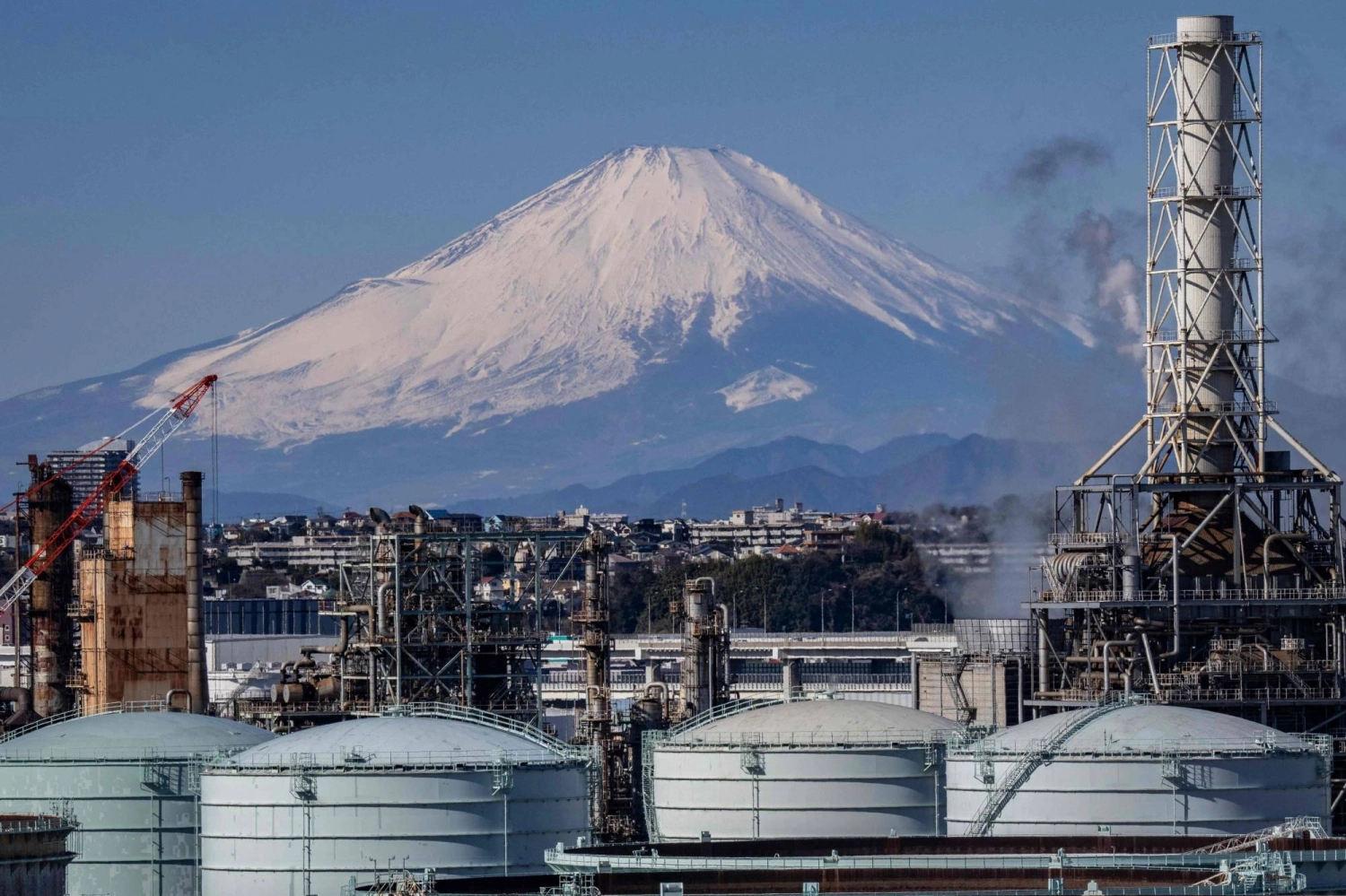
.jpg)


'%3e%3cg id='Final-Copy-2_2_' transform='translate(1275.000000, 200.000000)'%3e%3cpath class='st0' d='M7.4,12.8h6.8l3.1-11.6H7.4C4.2,1.2,1.6,3.8,1.6,7S4.2,12.8,7.4,12.8z'/%3e%3c/g%3e%3c/g%3e%3c/g%3e%3cg id='final---dec.11-2020'%3e%3cg id='_x30_208-our-toggle' transform='translate(-1275.000000, -200.000000)'%3e%3cg id='Final-Copy-2' transform='translate(1275.000000, 200.000000)'%3e%3cpath class='st1' d='M22.6,0H7.4c-3.9,0-7,3.1-7,7s3.1,7,7,7h15.2c3.9,0,7-3.1,7-7S26.4,0,22.6,0z M1.6,7c0-3.2,2.6-5.8,5.8-5.8 h9.9l-3.1,11.6H7.4C4.2,12.8,1.6,10.2,1.6,7z'/%3e%3cpath id='x' class='st2' d='M24.6,4c0.2,0.2,0.2,0.6,0,0.8l0,0L22.5,7l2.2,2.2c0.2,0.2,0.2,0.6,0,0.8c-0.2,0.2-0.6,0.2-0.8,0 l0,0l-2.2-2.2L19.5,10c-0.2,0.2-0.6,0.2-0.8,0c-0.2-0.2-0.2-0.6,0-0.8l0,0L20.8,7l-2.2-2.2c-0.2-0.2-0.2-0.6,0-0.8 c0.2-0.2,0.6-0.2,0.8,0l0,0l2.2,2.2L23.8,4C24,3.8,24.4,3.8,24.6,4z'/%3e%3cpath id='y' class='st3' d='M12.7,4.1c0.2,0.2,0.3,0.6,0.1,0.8l0,0L8.6,9.8C8.5,9.9,8.4,10,8.3,10c-0.2,0.1-0.5,0.1-0.7-0.1l0,0 L5.4,7.7c-0.2-0.2-0.2-0.6,0-0.8c0.2-0.2,0.6-0.2,0.8,0l0,0L8,8.6l3.8-4.5C12,3.9,12.4,3.9,12.7,4.1z'/%3e%3c/g%3e%3c/g%3e%3c/g%3e%3c/g%3e%3c/svg%3e) Privacy Choices
Privacy Choices