.avif)

Integrated oil producers face stark margin pressure when production records fail to translate into proportional earnings despite Brent crude hitting $107/barrel and Petrobras reporting Q1 2026 net profit of $6.2 billion, down 7.2% year over year. This illustrates the classic integrated-oil hedge: refining and downstream absorb fuel cost pressure in a price spike, while upstream and exports earn the windfall. A cash flow hedge a derivative contract used to offset expected swings in receipts or payments becomes critical when export pricing is typically based on quotations from the month prior to cargo arrival, creating revenue recognition lags during volatile periods. Brazil extracted 4.247 million barrels per day in March, up 17.3% year over year, yet this operational triumph masked timing mismatches that compressed reported profitability.
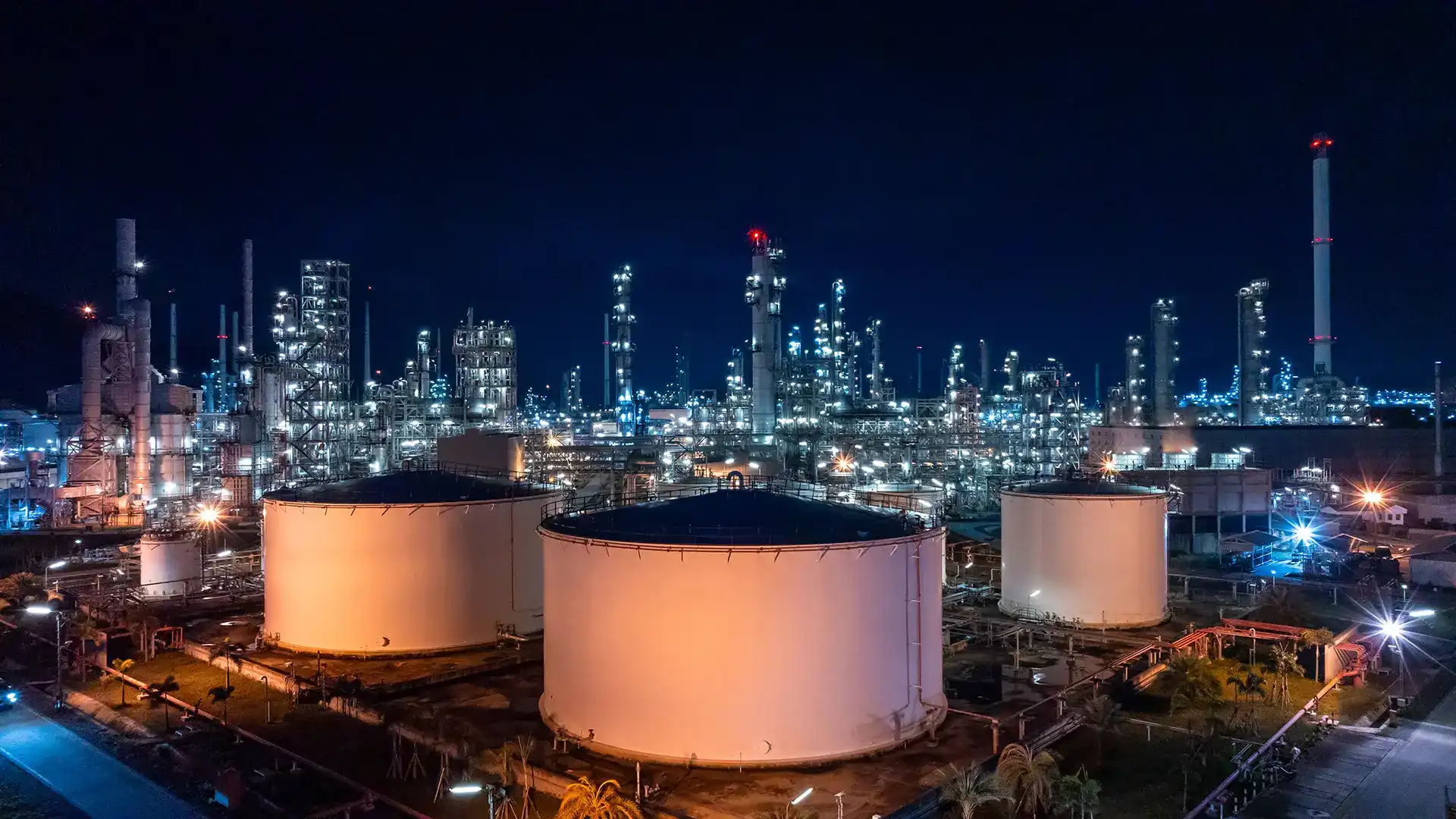
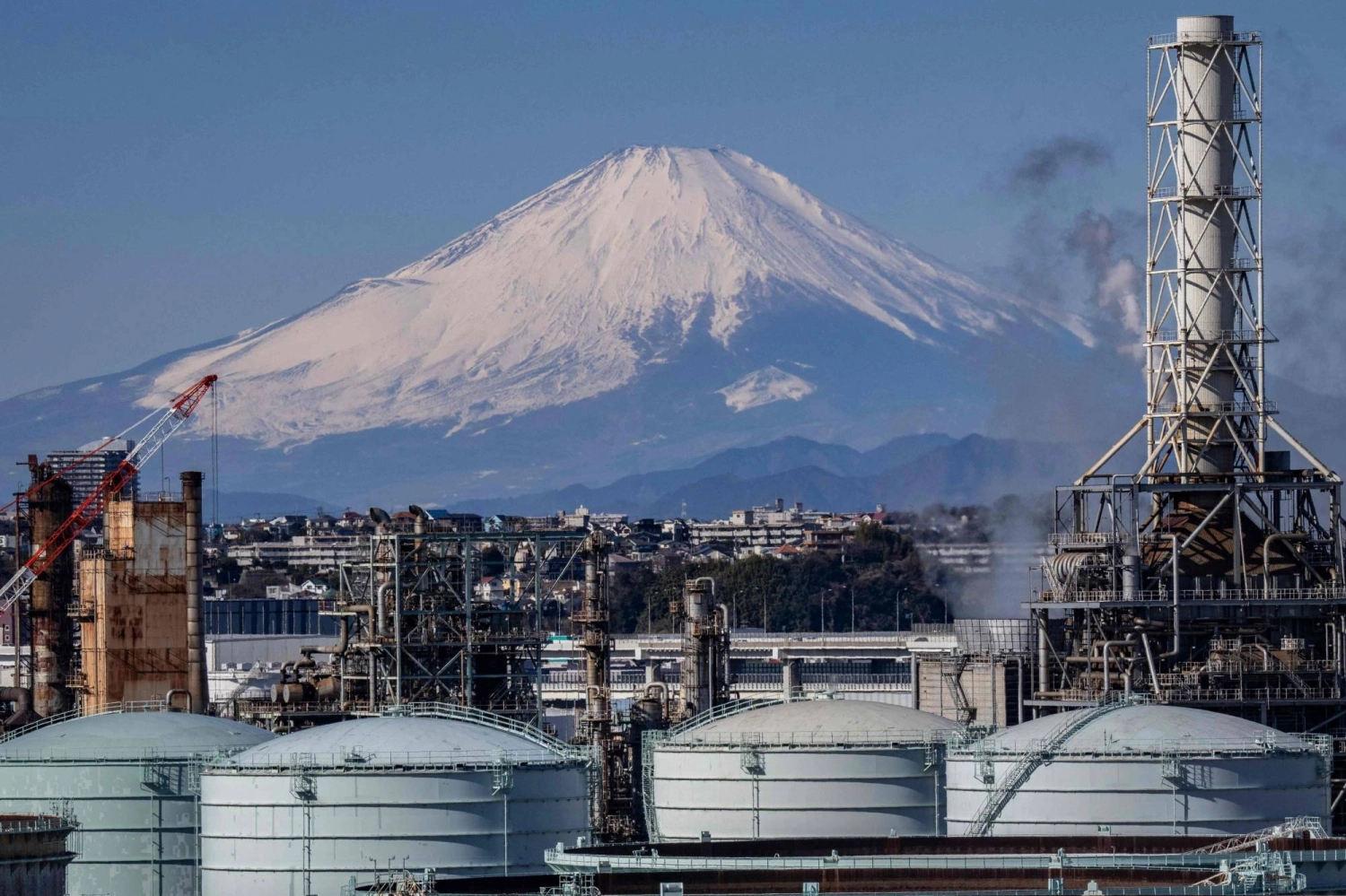
Refinery utilization reached 97.4% in March 2026 the highest since December 2014 but the disconnect between operating rates and margin capture reveals the complexity of integrated oil economics. Consider the margin anatomy: Petrobras achieved record S10 diesel production of 512,000 barrels per day in March, yet new Brazilian export taxes on crude and diesel cost the company $122 million in Q1. A crack spread the difference between crude oil and refined product prices measures refining profitability, but Brazilian domestic pricing regulations and export levies create margin compression that operational efficiency cannot overcome. The softer earnings print was driven largely by the 9.9% stronger real, which compressed dollar denominated export receipts when translated back to Brazilian reais.
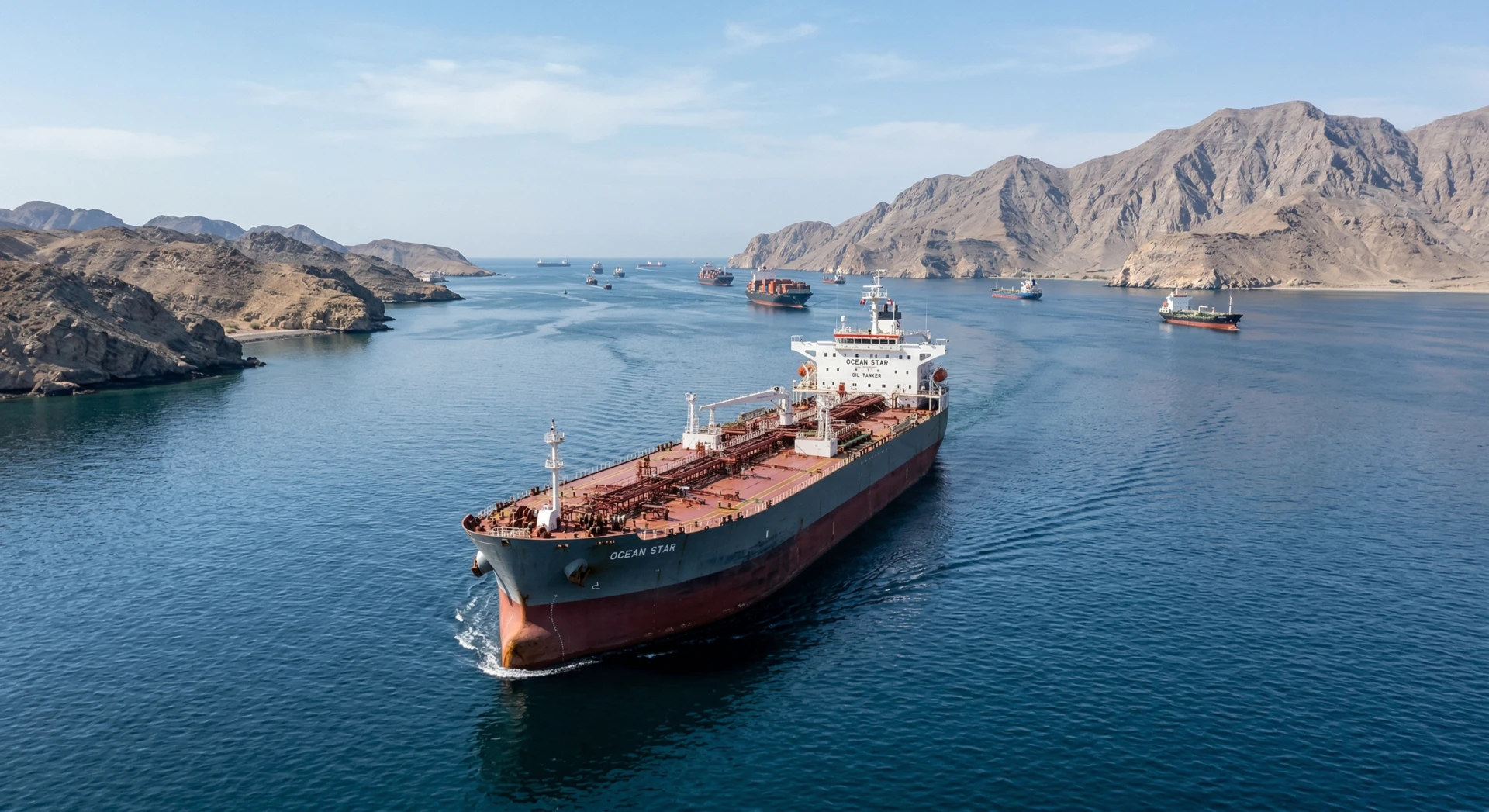
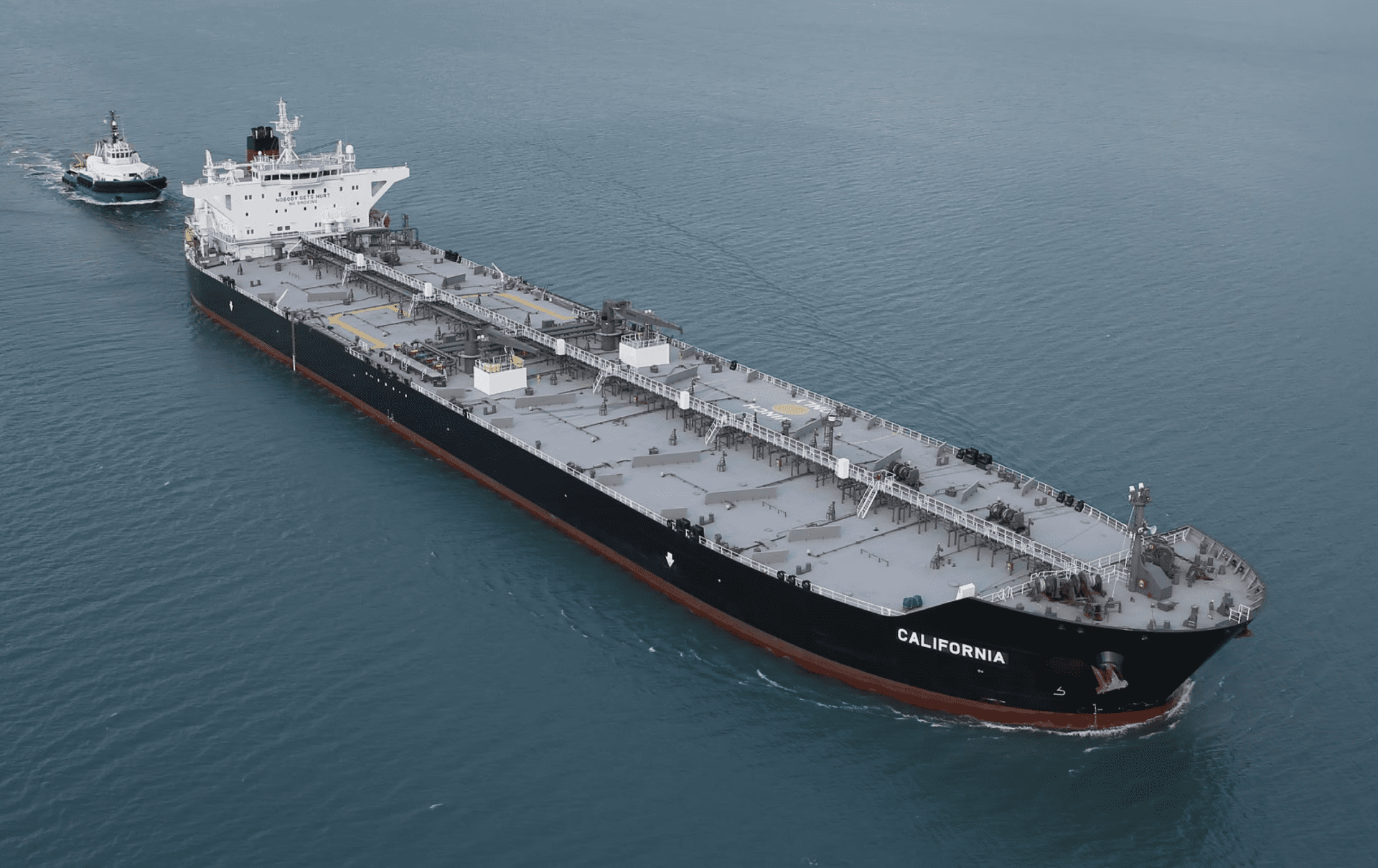
On the buy side: European refiners seeking Brazilian middle distillates benefit from Petrobras exporting via major ports like Santos and Paranaguá at competitive pricing despite local tax burdens. A 50,000 metric tonne cargo of diesel from Santos to Amsterdam-Rotterdam Antwerp runs approximately $2.5 million in freight costs at current rates manageable when arbitrage margins exceed $15/MT. On the sell side: Petrobras approved R$9.03 billion ($1.79 billion) in shareholder payments via juros sobre capital próprio, a Brazilian tax efficient distribution mechanism, signaling confidence despite margin pressure. For traders and intermediaries: The timing lag creates opportunity cargoes loaded in Q1 at prior month pricing will capture current Brent levels in Q2 revenue recognition, potentially adding $8-12/barrel to realized prices.
For large integrated operators (ExxonMobil, BP, TotalEnergies) with derivatives access: Forward sales contracts on Brent futures can lock in current elevated pricing for future production, protecting against potential price retreats when Hormuz normalizes. Cost: approximately $2.50-3.50/barrel for three-month price protection at current volatility levels. For smaller regional operators independent Brazilian fuel distributors, mid-sized refiners without hedge books practical alternatives include bilateral supply agreements with pricing floors tied to Brent monthly averages, reducing exposure to intra-month volatility. Regional cooperatives can pool purchasing power to negotiate quarterly price adjustment mechanisms rather than accepting spot exposure.
For observers: Watch the EIA's forecast that Brent prices will remain around $106/barrel in May and June before falling to an average of $89/barrel in Q4 2026. If Hormuz reopens by late May as predicted, the spread between realized prices (based on prior-month pricing) and spot prices will narrow within 45-60 days. Saudi Aramco's warning that the market is losing roughly 100 million barrels of supply each week, with potential normalization delayed until 2027, suggests the current pricing environment may persist longer than Q2 2026. The key signal: sustained Brent-WTI spreads above $15/barrel indicate continued Atlantic Basin supply tightness favoring Brazilian crude exports.

.jpg)

'%3e%3cg id='Final-Copy-2_2_' transform='translate(1275.000000, 200.000000)'%3e%3cpath class='st0' d='M7.4,12.8h6.8l3.1-11.6H7.4C4.2,1.2,1.6,3.8,1.6,7S4.2,12.8,7.4,12.8z'/%3e%3c/g%3e%3c/g%3e%3c/g%3e%3cg id='final---dec.11-2020'%3e%3cg id='_x30_208-our-toggle' transform='translate(-1275.000000, -200.000000)'%3e%3cg id='Final-Copy-2' transform='translate(1275.000000, 200.000000)'%3e%3cpath class='st1' d='M22.6,0H7.4c-3.9,0-7,3.1-7,7s3.1,7,7,7h15.2c3.9,0,7-3.1,7-7S26.4,0,22.6,0z M1.6,7c0-3.2,2.6-5.8,5.8-5.8 h9.9l-3.1,11.6H7.4C4.2,12.8,1.6,10.2,1.6,7z'/%3e%3cpath id='x' class='st2' d='M24.6,4c0.2,0.2,0.2,0.6,0,0.8l0,0L22.5,7l2.2,2.2c0.2,0.2,0.2,0.6,0,0.8c-0.2,0.2-0.6,0.2-0.8,0 l0,0l-2.2-2.2L19.5,10c-0.2,0.2-0.6,0.2-0.8,0c-0.2-0.2-0.2-0.6,0-0.8l0,0L20.8,7l-2.2-2.2c-0.2-0.2-0.2-0.6,0-0.8 c0.2-0.2,0.6-0.2,0.8,0l0,0l2.2,2.2L23.8,4C24,3.8,24.4,3.8,24.6,4z'/%3e%3cpath id='y' class='st3' d='M12.7,4.1c0.2,0.2,0.3,0.6,0.1,0.8l0,0L8.6,9.8C8.5,9.9,8.4,10,8.3,10c-0.2,0.1-0.5,0.1-0.7-0.1l0,0 L5.4,7.7c-0.2-0.2-0.2-0.6,0-0.8c0.2-0.2,0.6-0.2,0.8,0l0,0L8,8.6l3.8-4.5C12,3.9,12.4,3.9,12.7,4.1z'/%3e%3c/g%3e%3c/g%3e%3c/g%3e%3c/g%3e%3c/svg%3e) Privacy Choices
Privacy Choices