.avif)
Haitian factory workers earning $5.23 per day now face gasoline costs of $6.49 per gallon, forcing over 1,000 protesters into Port-au-Prince streets Monday as petroleum product prices exceed daily earnings for the first time in the country's modern industrial history. Haiti's government raised diesel prices by 37% and gasoline prices by 29% earlier this month while workers have received no wage increases since 2023. The arithmetic is brutal: a single gallon of fuel now costs 124% of a factory worker's daily wage, creating an unprecedented demand destruction scenario where transportation becomes literally unaffordable for the industrial workforce.
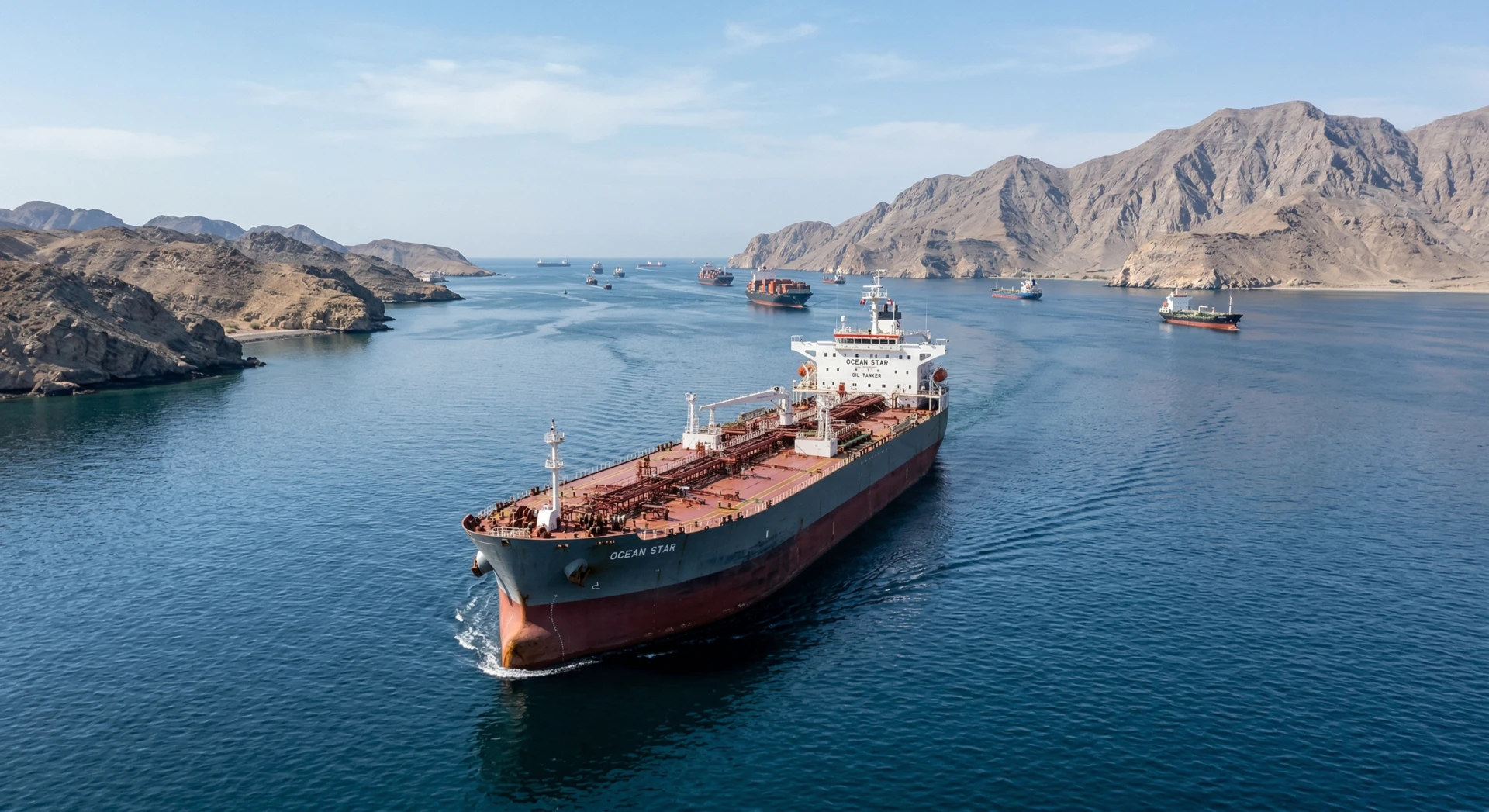
Petroleum product importers — companies that purchase refined gasoline, diesel, and heating oil for distribution to retail markets — face a unique commercial consequence in small island economies like Haiti: there is no buffer between global crude volatility and retail price transmission. Brent crude is trading around $95 per barrel on Wednesday, holding losses from the previous session as investors anticipated peace negotiations between the US and Iran, but this modest retreat from recent peaks offers no relief to Caribbean importers who must price products based on replacement cost, not historical inventory values. Haiti imports virtually all petroleum products with minimal strategic storage capacity, meaning every cargo delivered reflects current international prices plus freight and financing costs.
Marc Jean Jean-Pierre exemplifies the demand elasticity breaking point: the 47-year-old jeans factory worker previously used public transport but now walks to work after round-trip fares increased by 76 cents — a 15% hit to his $5.23 daily wage. When transportation costs approach 20% of total income, the economic choice is stark: walk or don't work. This is textbook demand destruction — not the gradual reduction economists model, but the cliff-edge elimination of consumption when price exceeds purchasing power. For petroleum importers, this creates a vicious cycle: lower volumes mean fixed import costs (vessel charter, port fees, inventory financing) must be spread across fewer gallons, pushing unit costs higher still.
On the buy side: Haitian fuel retailers and distributors lose volume as customers shift from motorized transport to walking, but cannot reduce their import commitments proportionally due to minimum vessel sizes and supplier contract terms. A typical small-scale Caribbean importer might charter 5,000-10,000 MT of gasoline monthly — roughly 1.5-3 million gallons — but faces 20-30% demand reduction as transport becomes unaffordable. On the sell side: Regional petroleum product suppliers (typically major oil companies with Caribbean operations) maintain pricing discipline because alternative markets (other Caribbean islands, Latin American coastal cities) face identical Iran-driven cost pressures. The margin squeeze concentrates entirely on the importers caught between replacement-cost pricing from suppliers and customers whose wages haven't moved in three years.
For large integrated oil companies with Caribbean operations (Shell, ExxonMobil, BP), the Haiti situation signals broader regional demand risk as the US continues to enforce a naval blockade on Iranian oil exports through the Strait of Hormuz keeps crude prices elevated despite ceasefire negotiations. For smaller regional fuel importers without derivatives access, the solution is operational: reducing import volumes to match collapsed demand, negotiating flexible delivery schedules with suppliers, and securing local currency hedging where available. The IEA expects global oil demand to decline this year for the first time since the 2020 pandemic, as elevated prices curb consumption. Observers should monitor West Texas Sour crude differentials to Brent through April 30 — if the spread widens beyond $4/barrel, it signals Caribbean refineries are struggling to process available crude grades, amplifying regional product shortages beyond the current Iran disruption.

.jpg)
.jpg)

'%3e%3cg id='Final-Copy-2_2_' transform='translate(1275.000000, 200.000000)'%3e%3cpath class='st0' d='M7.4,12.8h6.8l3.1-11.6H7.4C4.2,1.2,1.6,3.8,1.6,7S4.2,12.8,7.4,12.8z'/%3e%3c/g%3e%3c/g%3e%3c/g%3e%3cg id='final---dec.11-2020'%3e%3cg id='_x30_208-our-toggle' transform='translate(-1275.000000, -200.000000)'%3e%3cg id='Final-Copy-2' transform='translate(1275.000000, 200.000000)'%3e%3cpath class='st1' d='M22.6,0H7.4c-3.9,0-7,3.1-7,7s3.1,7,7,7h15.2c3.9,0,7-3.1,7-7S26.4,0,22.6,0z M1.6,7c0-3.2,2.6-5.8,5.8-5.8 h9.9l-3.1,11.6H7.4C4.2,12.8,1.6,10.2,1.6,7z'/%3e%3cpath id='x' class='st2' d='M24.6,4c0.2,0.2,0.2,0.6,0,0.8l0,0L22.5,7l2.2,2.2c0.2,0.2,0.2,0.6,0,0.8c-0.2,0.2-0.6,0.2-0.8,0 l0,0l-2.2-2.2L19.5,10c-0.2,0.2-0.6,0.2-0.8,0c-0.2-0.2-0.2-0.6,0-0.8l0,0L20.8,7l-2.2-2.2c-0.2-0.2-0.2-0.6,0-0.8 c0.2-0.2,0.6-0.2,0.8,0l0,0l2.2,2.2L23.8,4C24,3.8,24.4,3.8,24.6,4z'/%3e%3cpath id='y' class='st3' d='M12.7,4.1c0.2,0.2,0.3,0.6,0.1,0.8l0,0L8.6,9.8C8.5,9.9,8.4,10,8.3,10c-0.2,0.1-0.5,0.1-0.7-0.1l0,0 L5.4,7.7c-0.2-0.2-0.2-0.6,0-0.8c0.2-0.2,0.6-0.2,0.8,0l0,0L8,8.6l3.8-4.5C12,3.9,12.4,3.9,12.7,4.1z'/%3e%3c/g%3e%3c/g%3e%3c/g%3e%3c/g%3e%3c/svg%3e) Privacy Choices
Privacy Choices