.avif)
.avif)
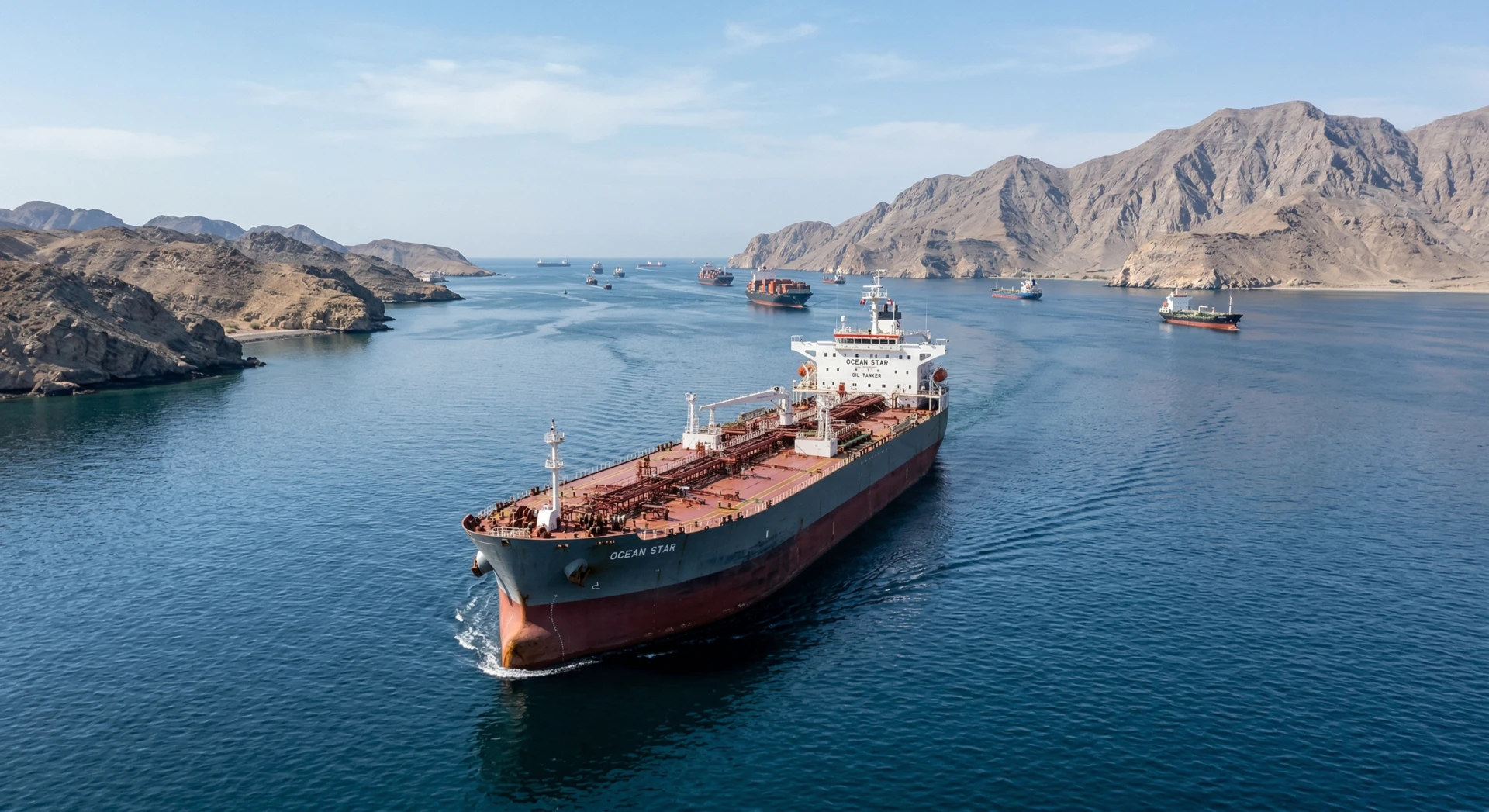
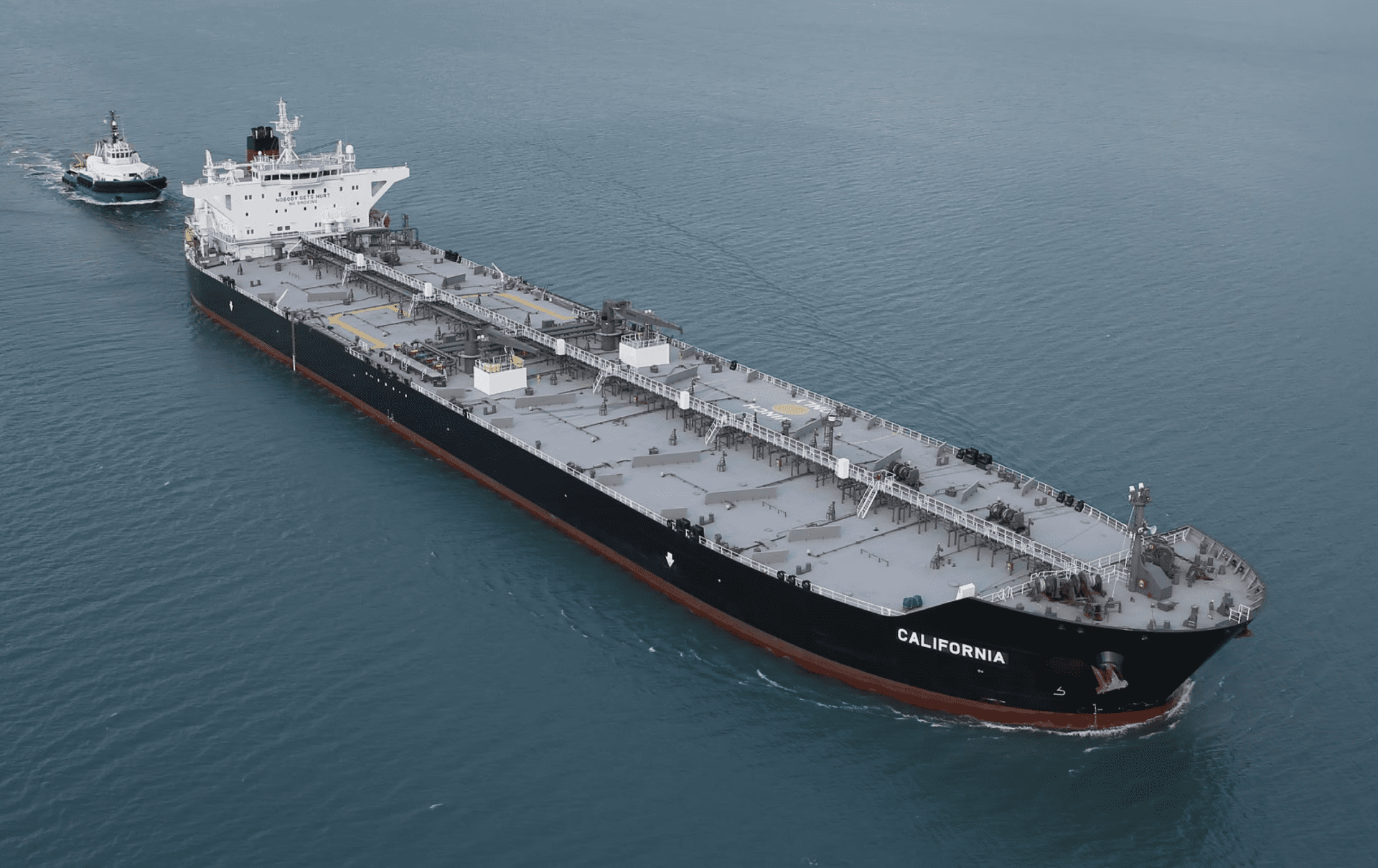
Japanese refiners face an immediate $8-12/barrel margin squeeze as Hormuz closure forces a pivot to Atlantic Basin crude within 3 weeks, wiping out Q1 sentiment gains that reflected pre-disruption contract economics. The Bank of Japan's March Tankan survey a quarterly sentiment index covering 10,000 companies showed manufacturers at +17, beating forecasts, but this optimism captured February-March views before the Iran conflict effectively sealed the Strait of Hormuz. That 33 kilometer chokepoint normally carries 21% of global oil flows, including the Arabian Light and Upper Zakum grades that Japanese refiners configured their units to process. With Hormuz closed, a typical 2 million barrel VLCC cargo from Saudi Arabia that previously cost $68/barrel FOB Ras Tanura now requires sourcing from the North Sea or West Africa at $76-80/barrel before factoring the additional 15-20 day voyage time that adds $2-3/barrel in financing costs.
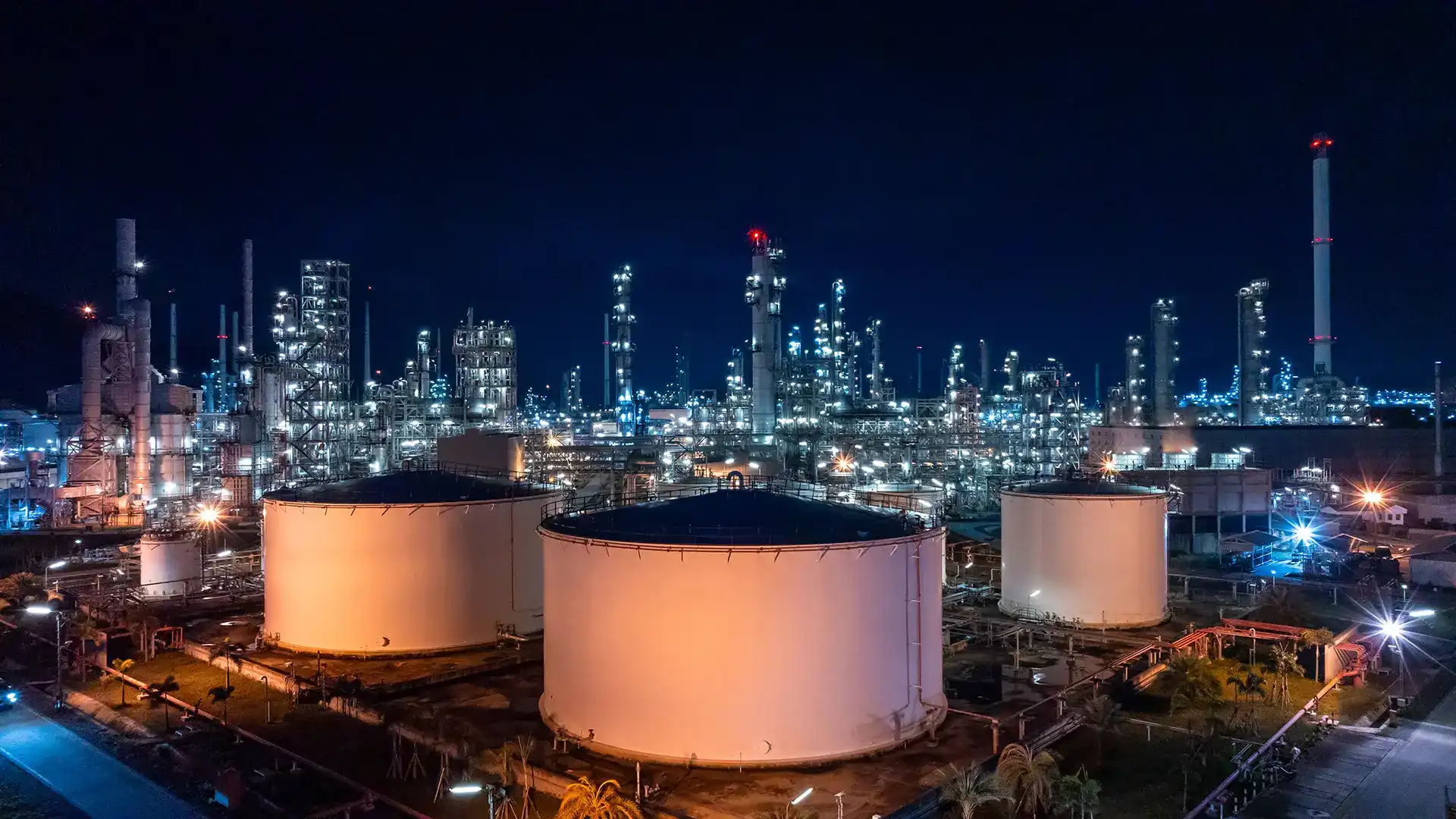
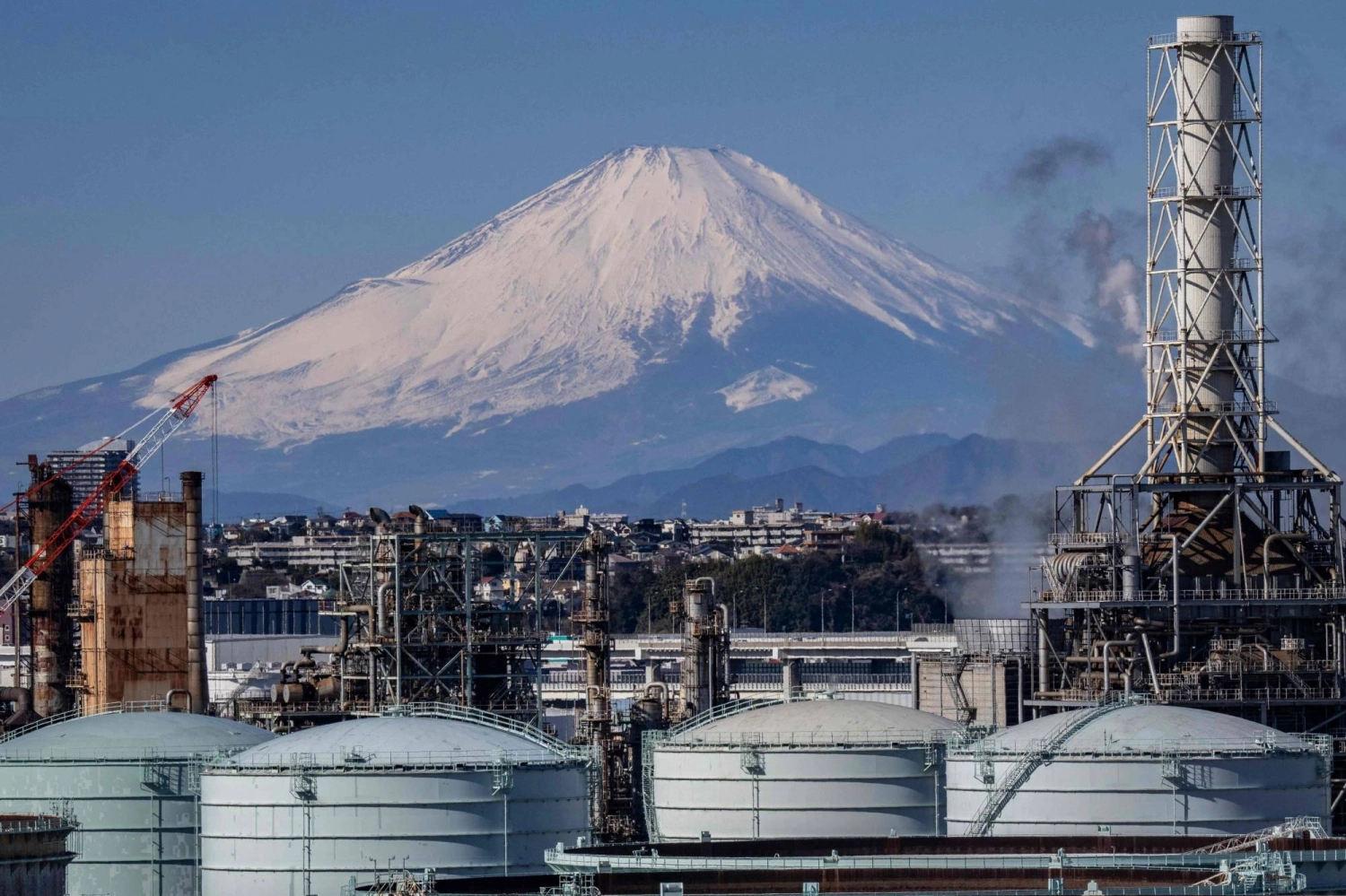
The margin anatomy breakdown shows Japanese refiners losing on three fronts simultaneously. First, crude acquisition costs jump $8-12/barrel when switching from Arabian grades to Brent or comparable Atlantic Basin crudes. Second, their refineries optimized for Middle East crude with higher sulfur tolerance and specific distillation configurations suffer 2-4% yield penalties when processing alternative feedstocks. Third, the yen's weakness against the dollar, driven by safe-haven flows, adds another $1.5-2/barrel to import costs. A typical 200,000 b/d refinery burning through $1.2 billion in monthly crude purchases now faces an additional $160-240 million monthly cost burden. These numbers explain why the Tankan's manufacturing confidence, measured during early March when most refiners still held Hormuz dependent supply contracts, no longer reflects operational reality.
On the buy side, Japanese refiners confront a brutal choice between immediate supply security and margin preservation. Major operators like Cosmo Oil and Idemitsu can tap existing term contracts with North Sea suppliers, but these typically price at dated Brent plus $2-3/barrel premiums expensive insurance now paying off. Smaller refiners without diversified supply agreements face spot market procurement where March Brent averaged $87/barrel compared to February's $82/barrel, with further upside pressure from competing Asian buyers pivoting simultaneously. The procurement window is shrinking fast, with existing Middle East crude inventories lasting 15-20 days and Atlantic Basin cargoes requiring 35-40 days from fixture to discharge, refiners must secure replacement supplies within 72 hours to avoid stock-outs.
On the sell side, the margin squeeze creates different pressures across the refining landscape. Integrated players with downstream retail networks can partially offset crude cost inflation by raising gasoline and diesel prices Japan's retail fuel market historically absorbs 60-70% of crude cost increases within 4-6 weeks. Independent refiners selling into the wholesale market face immediate margin compression as they compete with subsidized fuel imports from South Korea and Singapore, where governments buffer consumer prices. Trading houses with crude positions established before the Hormuz closure capture windfall profits, a Vitol or Trafigura holding 5-10 million barrels of North Sea crude purchased in January-February now enjoys $40-60 million in paper gains, positioning them to offer competitive term supply to desperate Japanese buyers.
For large integrated refiners with derivatives access, the crisis offers hedging opportunities despite the margin hit. A 200,000 b/d operation can sell Brent futures against their new Atlantic Basin crude purchases, locking in refining margins at current crack spreads of $18-22/barrel. These operators also hold strategic petroleum reserve (SPR) drawdown rights Japan maintains 145 day import coverage providing 2-3 weeks of buffer time to optimize sourcing strategies. Their scale enables direct negotiations with NOCs like Statoil or Petrobras for term supply arrangements that smaller players cannot access. However, even these advantages cannot fully offset the fundamental $8-12/barrel cost increase, forcing difficult decisions about which refinery units to run at reduced rates.
Smaller regional refiners face an existential procurement challenge without the hedging tools or supply diversification of their larger peers. A 50,000 b/d independent refinery typically operates with 7-10 days of crude inventory and relies on bilateral purchase agreements with Middle East suppliers contracts now worthless with Hormuz closed. These operators must source replacement crude through intermediary traders, adding $1-2/barrel in trading margins to already elevated Atlantic Basin prices. Their limited working capital restricts the ability to build strategic inventory positions, forcing them into reactive spot procurement at peak pricing. Some smaller refiners may temporarily shut units rather than operate at negative margins, particularly older facilities with higher processing costs and inflexible crude slates.
The 3 week window for Atlantic pivot strategies closes rapidly, with two critical watch points determining whether Japanese refining margins stabilize or deteriorate further. First, the IEA's emergency stock release decision by April 15 could flood 30-60 million barrels of strategic reserves into global markets, potentially capping Brent prices at $85-90/barrel and providing Japanese refiners modest relief. Second, the success of alternative routing through the Cape of Good Hope adding 14 days to Middle East crude deliveries depends on VLCC availability and insurers' willingness to cover extended voyage risks. If cape routing proves viable by mid-April, Japanese refiners gain access to discounted Middle East crude at $4-6/barrel below Atlantic Basin alternatives, though still well above pre-crisis levels. Without these relief mechanisms, the BOJ's cautious tightening stance becomes untenable as energy inflation overwhelms manufacturing confidence gains.

.jpg)

'%3e%3cg id='Final-Copy-2_2_' transform='translate(1275.000000, 200.000000)'%3e%3cpath class='st0' d='M7.4,12.8h6.8l3.1-11.6H7.4C4.2,1.2,1.6,3.8,1.6,7S4.2,12.8,7.4,12.8z'/%3e%3c/g%3e%3c/g%3e%3c/g%3e%3cg id='final---dec.11-2020'%3e%3cg id='_x30_208-our-toggle' transform='translate(-1275.000000, -200.000000)'%3e%3cg id='Final-Copy-2' transform='translate(1275.000000, 200.000000)'%3e%3cpath class='st1' d='M22.6,0H7.4c-3.9,0-7,3.1-7,7s3.1,7,7,7h15.2c3.9,0,7-3.1,7-7S26.4,0,22.6,0z M1.6,7c0-3.2,2.6-5.8,5.8-5.8 h9.9l-3.1,11.6H7.4C4.2,12.8,1.6,10.2,1.6,7z'/%3e%3cpath id='x' class='st2' d='M24.6,4c0.2,0.2,0.2,0.6,0,0.8l0,0L22.5,7l2.2,2.2c0.2,0.2,0.2,0.6,0,0.8c-0.2,0.2-0.6,0.2-0.8,0 l0,0l-2.2-2.2L19.5,10c-0.2,0.2-0.6,0.2-0.8,0c-0.2-0.2-0.2-0.6,0-0.8l0,0L20.8,7l-2.2-2.2c-0.2-0.2-0.2-0.6,0-0.8 c0.2-0.2,0.6-0.2,0.8,0l0,0l2.2,2.2L23.8,4C24,3.8,24.4,3.8,24.6,4z'/%3e%3cpath id='y' class='st3' d='M12.7,4.1c0.2,0.2,0.3,0.6,0.1,0.8l0,0L8.6,9.8C8.5,9.9,8.4,10,8.3,10c-0.2,0.1-0.5,0.1-0.7-0.1l0,0 L5.4,7.7c-0.2-0.2-0.2-0.6,0-0.8c0.2-0.2,0.6-0.2,0.8,0l0,0L8,8.6l3.8-4.5C12,3.9,12.4,3.9,12.7,4.1z'/%3e%3c/g%3e%3c/g%3e%3c/g%3e%3c/g%3e%3c/svg%3e) Privacy Choices
Privacy Choices