.avif)
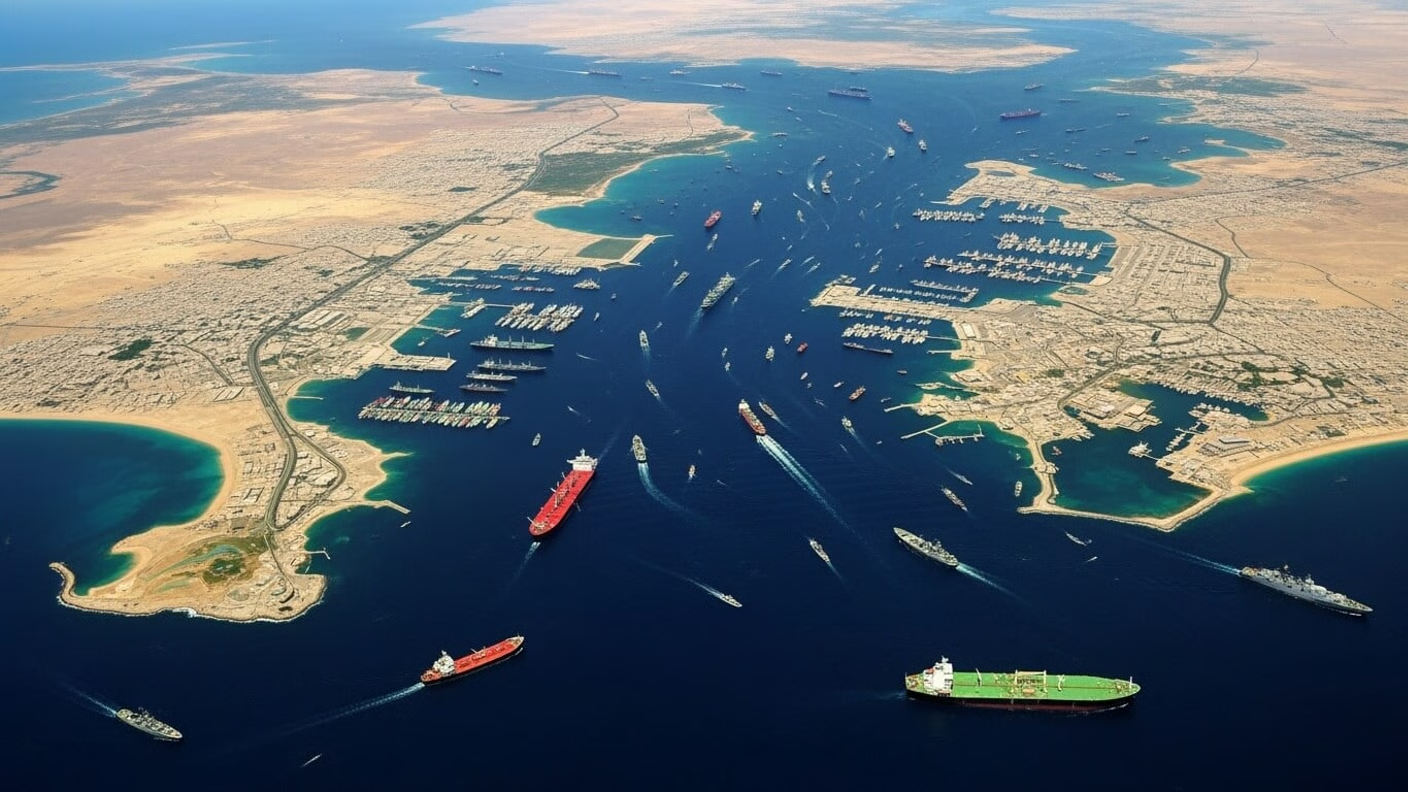
Qatar's Al Kharaitiyat tanker has successfully transited the Strait of Hormuz, marking the first Qatari LNG export from the Persian Gulf since the Iran war began in February 2026. The cargo destined for Pakistan's Port Qasim comes after JKM prices spiked to low-USD 18s/MMBtu on April 30 as concerns intensified over prolonged closure of the strait. The shipment received Iran's prior approval under a government to government deal with Pakistan serving as mediator amid its pressing energy crisis. For Asian buyers accustomed to three daily Qatari cargoes before the war, this single transit represents diplomatic signalling rather than supply resumption. European spot procurers now face renewed competition from Pakistani emergency demand for the limited LNG available outside Gulf supply.
The commercial consequence is immediate margin redistribution rather than price relief. Iranian missile strikes knocked out approximately 17 percent of Qatar's LNG export capacity, with damages expected to last three to five years. This means even full strait reopening cannot restore prewar supply levels. Before the conflict, the Persian Gulf typically saw three LNG shipments per day; the Al Kharaitiyat's journey offers tentative signs but remains far below prewar levels. Consider a large Japanese utility that previously secured 2 million tonnes annually from Qatar through 10 year contracts at oil-indexed pricing: that volume is permanently reduced by 340,000 tonnes. The buyer must now compete in spot markets where LNG JKM prices are still 47% higher than a year ago, even after recent declines.
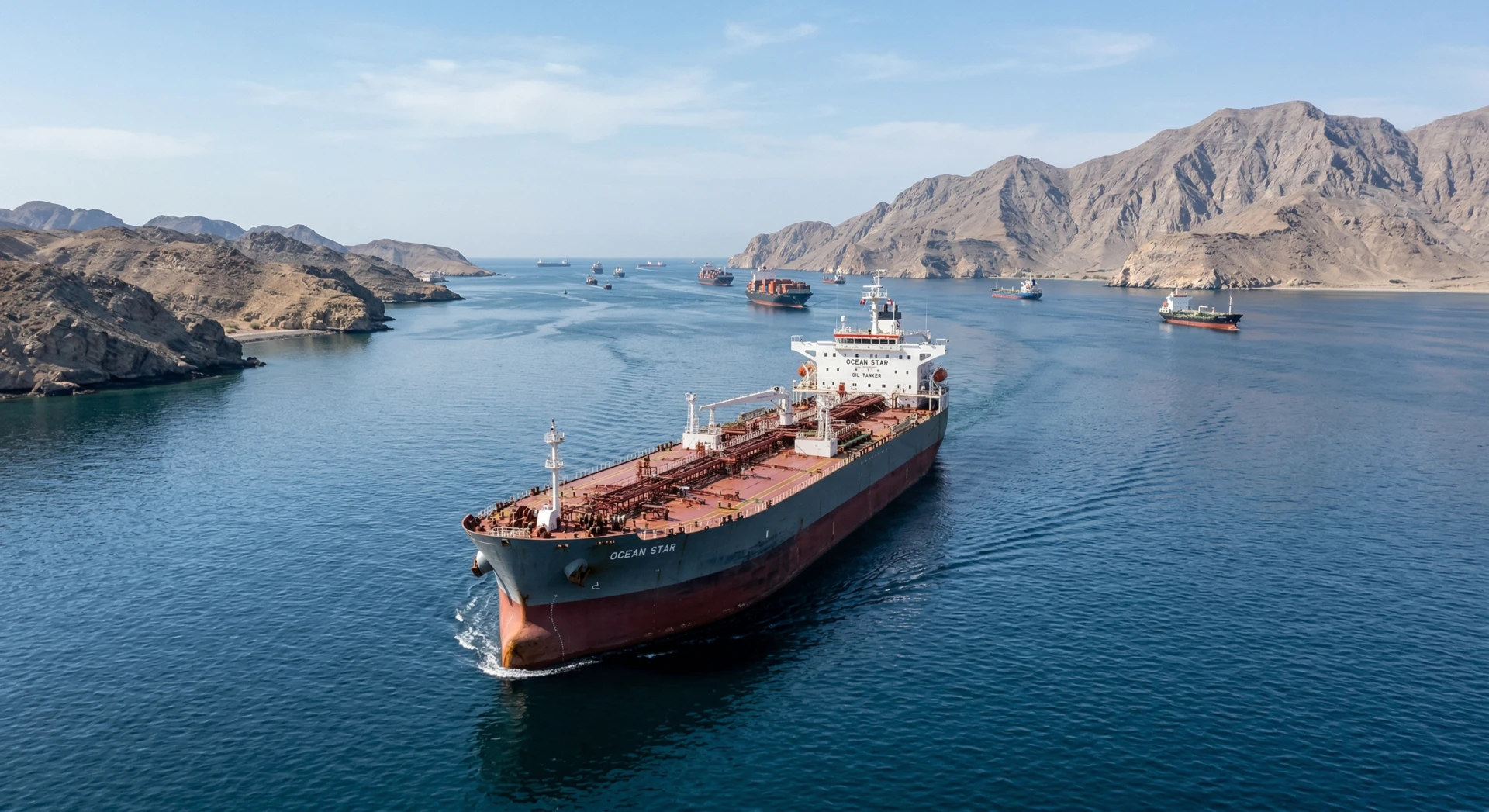
The vessel's route reveals the new commercial reality governing Hormuz transits. The ship navigated the Tehran-approved northern route that hugs the Iranian coast through the strait, sailing past Qeshm and Larak islands. This northern corridor adds approximately 12-18 hours to standard transit times and requires Iranian clearance for each passage. The Al Kharaitiyat, managed by Nakilat Shipping Qatar Ltd and sailing under the Marshall Islands flag, has a cargo capacity of 211,986 cubic metres roughly 130,000 tonnes of LNG worth approximately $26 million at current spot prices. The Tehran approved route effectively creates a toll system where Iran controls access, fundamentally altering the strait's function as free international waters.
Previous attempts underscore the diplomatic complexity now governing LNG flows. Two Qatari LNG tankers, Rasheeda and Al Daayen, aborted an attempted crossing on April 6 after failing to secure clearance from Iranian authorities. Iran's Islamic Revolutionary Guard Corps intervened, warning the vessels of danger if they attempted to cross the strait. The April failure cost each operator approximately $150,000 daily in demurrage charges while anchored, plus the opportunity cost of delayed delivery. This diplomatic gatekeeping creates binary outcomes: full approval or complete blockage, with no middle ground for commercial negotiation.
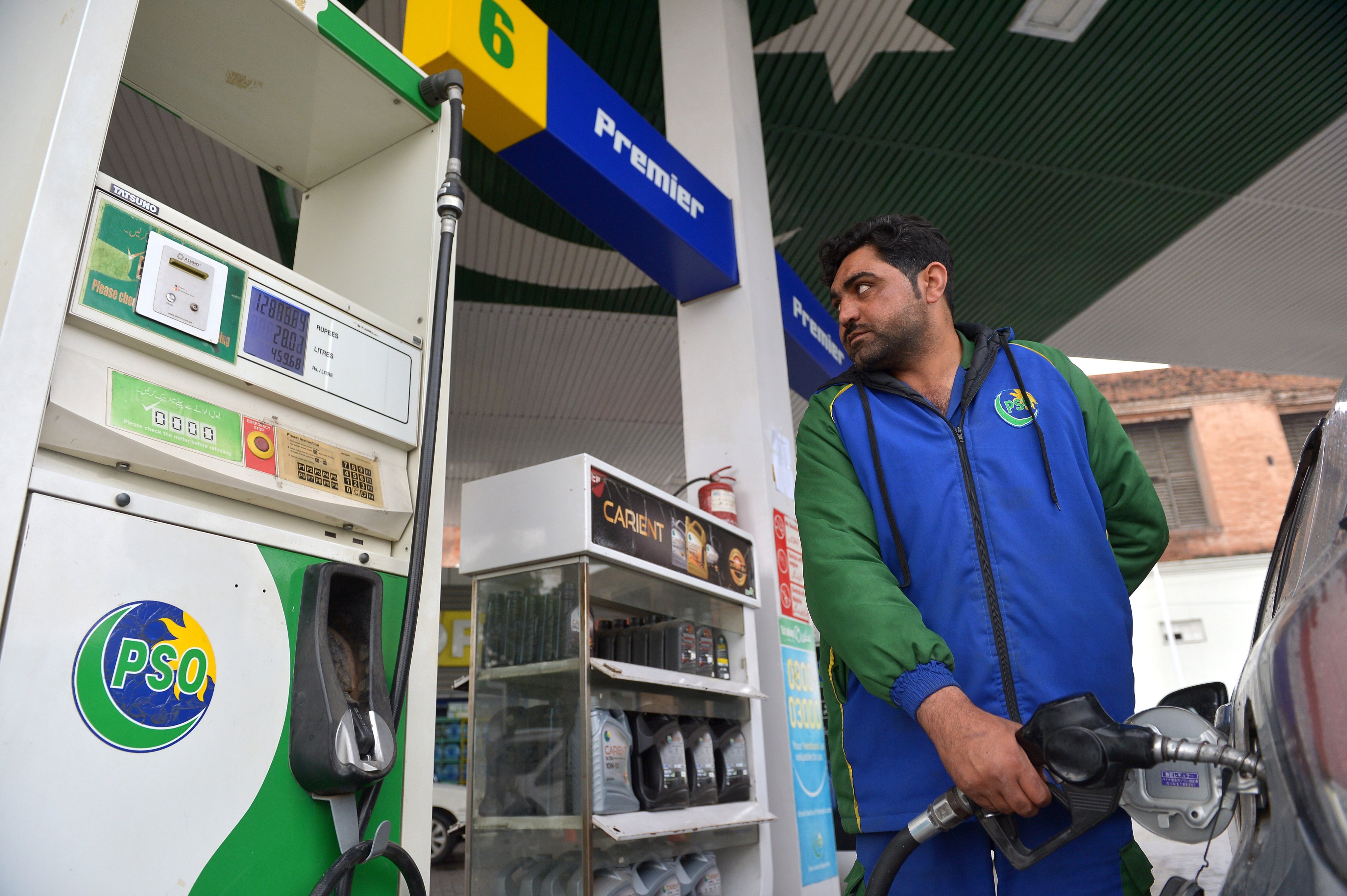
The Pakistan dimension reveals how energy security is reshaping regional alliances and commercial flows. Pakistan and Bangladesh are more price sensitive LNG importers compared to other Asian buyers, making them vulnerable to supply disruptions. Pakistan's mediation role in the broader conflict gives it unique access to Iranian approved LNG transits. The deal is part of Islamabad's talks with Tehran on the sidelines of peace negotiations to facilitate passage of a limited number of LNG tankers as Pakistan faces pressing gas shortages. This creates a two-tier market: countries with diplomatic access to Tehran can secure supplies at negotiated terms, while others compete in increasingly tight spot markets.
On the buy side, Asian utilities face structural supply destruction rather than temporary disruption. In 2024, around 84 percent of crude oil and 83 percent of LNG passing through the Strait went to Asia, with governments and businesses across the region imposing measures to reduce fuel crisis impact. Japanese and Korean buyers with long-term Qatari contracts must permanently restructure their supply portfolios, sourcing alternative volumes from US Gulf Coast exporters at Henry Hub plus pricing or Australian LNG at oil-indexed terms. With JKM at current levels, US LNG delivered to Asia costs approximately $8.80/MMBtu, creating gross margins of $4.70/MMBtu before financing costs. However, US supply requires 20 day voyages versus 7 day Gulf transits, tying up working capital and reducing supply flexibility.
On the sell side, Qatar faces permanent capacity loss that no diplomatic breakthrough can immediately reverse. The damages centered on the Ras Laffan industrial site are expected to cost Qatar about $20 billion annually, with Iranian strikes on desalination plants threatening 99% of drinking water in Kuwait and Qatar. QatarEnergy declared force majeure on contracts with buyers and internal sources said it would soon shut down gas liquefaction as LNG tankers could not leave the Gulf. Even the 83% of capacity that remains operational cannot reach buyers without Iranian approval. This transforms Qatar from a reliable supplier into a diplomatic dependency, fundamentally altering its commercial relationships.
For traders and intermediaries, the new structure concentrates margins around diplomatic access and route flexibility. Portfolio players with diversified supply sources US Gulf Coast, Australian, and remaining Gulf volumes can optimize between politically accessible and commercially optimal supply. At least two LNG tankers loaded from Abu Dhabi National Oil Co.'s export plant have traversed the strait since the conflict began, suggesting UAE supplies face different approval processes than Qatari cargoes. Traders with UAE supply access plus US alternative sourcing can arbitrage between diplomatic availability and spot pricing, earning margins on supply optionality rather than pure commodity spread.
The European dimension reveals how Asian supply constraints ripple through global LNG markets. Europe gets 12-14% of its LNG from Qatar through the strait, with the conflict coinciding with historically low European gas storage levels estimated at just 30% capacity, causing Dutch TTF gas benchmarks to nearly double to over €60/MWh by mid-March. European buyers previously relied on Asian demand absorption to moderate spot prices during shoulder seasons. With Asian buyers now permanently short of Gulf supply, European utilities face sustained competition for US and other Atlantic Basin LNG, structurally higher pricing, and reduced seasonal pricing flexibility.
Smaller regional operators face the starkest commercial reality: permanent supply access loss without alternative sourcing capability. A mid-sized Pakistani industrial buyer that previously imported 24 cargoes annually from Qatar approximately 3.1 million tonnes through 5 year contracts at $16/MMBtu delivered now depends entirely on government to government deals for any Gulf supply access. Without diplomatic channel access, the buyer must source replacement volumes from spot markets at current pricing, approximately 45% higher than contracted terms. The buyer cannot hedge this exposure through financial instruments given limited credit access, creating direct earnings impact from the geopolitical disruption.
Large integrated traders with derivatives access can hedge the new political risk through swaps and futures positions. A major trading house can short JKM futures against long US Henry Hub positions, capturing the widened spread between Asian and US pricing while hedging against Hormuz reopening that could narrow the differential. The trader can also structure Pakistan-specific supply deals, earning premiums for diplomatic access and delivery assurance. However, smaller regional operators mid-sized fuel importers, independent distributors, regional cooperatives lack access to these hedging instruments and must absorb political supply risk directly through inventory management and supply diversification.
The freight dimension adds another layer of commercial complexity and cost. LNG carriers designed for 7 day Gulf to Asia routes must now plan for 20 day US to Asia alternatives, fundamentally changing fleet utilization and charter economics. Pre-conflict, around 3,000 vessels used the strait monthly; their numbers now stand at around 5% of this level. A Q-Flex LNG carrier earning $180,000 daily on Gulf routes must now compete for longer-haul Atlantic Basin voyages at potentially lower day rates, while owners with vessels trapped in the Gulf face demurrage claims and redelivery issues.
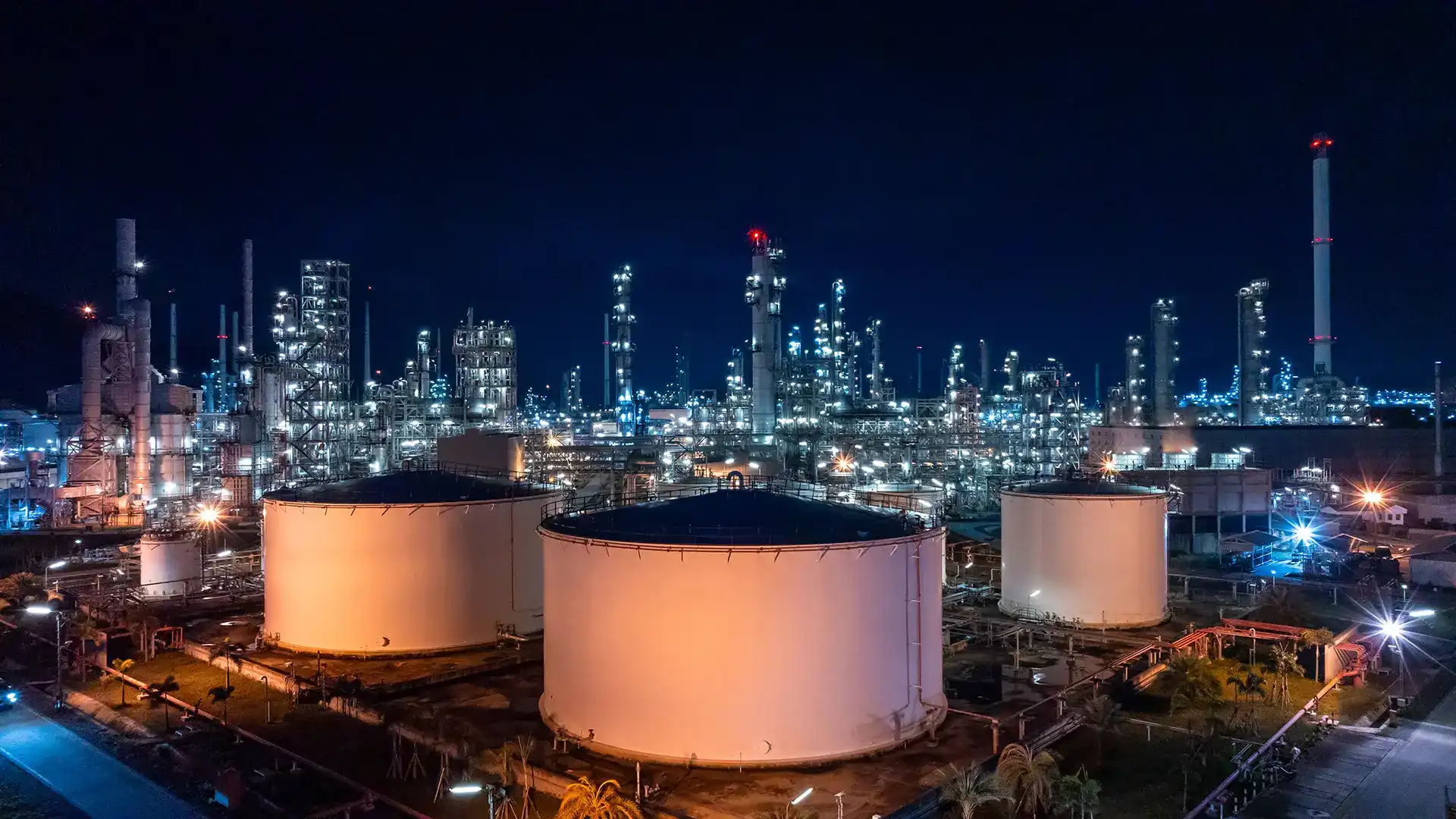
Critical infrastructure damage creates long-term commercial inflexibility regardless of diplomatic developments. The 17% capacity loss at Ras Laffan is physical, not political Iranian missiles struck liquefaction trains that require 3-5 years to rebuild. Vitol CEO Russell Hardy said on April 21 that one billion barrels of oil production will be lost because of the war. This means even complete Hormuz reopening cannot restore Qatar's pre-war supply capacity. Buyers adjusting supply portfolios to account for this permanent reduction face structural cost increases that persist well beyond any ceasefire or political resolution.
For observers monitoring market signals, the Al Kharaitiyat transit offers a precise timing and diplomatic framework. JKM fell to high-USD 16s/MMBtu on April 29 due to weak additional buying interest but rebounded to low USD 18s/MMBtu on April 30 as Hormuz closure concerns intensified, with Japan's LNG inventories for power generation down 0.06 million tonnes from the previous week. The next definitive signal will be whether a second Qatari cargo receives Iranian approval within 10-14 days, or whether this remains a one-off diplomatic gesture. Washington and Tehran are reportedly moving closer to an agreement, with Iran expected to respond in coming days to the latest US proposal, making the next two weeks critical for determining whether this represents incremental reopening or isolated transit.
The Al Kharaitiyat's successful passage fundamentally alters commercial expectations around Hormuz accessibility while confirming the permanent supply destruction from infrastructure damage. Buyers must plan for a world where Gulf LNG access depends on diplomatic clearance rather than commercial terms, where alternative supply sources command structural premiums, and where even political resolution cannot immediately restore physical capacity. This single cargo signals possibility, not resumption the difference between hope and supply security in a permanently altered LNG market.
.jpg)
.jpg)

'%3e%3cg id='Final-Copy-2_2_' transform='translate(1275.000000, 200.000000)'%3e%3cpath class='st0' d='M7.4,12.8h6.8l3.1-11.6H7.4C4.2,1.2,1.6,3.8,1.6,7S4.2,12.8,7.4,12.8z'/%3e%3c/g%3e%3c/g%3e%3c/g%3e%3cg id='final---dec.11-2020'%3e%3cg id='_x30_208-our-toggle' transform='translate(-1275.000000, -200.000000)'%3e%3cg id='Final-Copy-2' transform='translate(1275.000000, 200.000000)'%3e%3cpath class='st1' d='M22.6,0H7.4c-3.9,0-7,3.1-7,7s3.1,7,7,7h15.2c3.9,0,7-3.1,7-7S26.4,0,22.6,0z M1.6,7c0-3.2,2.6-5.8,5.8-5.8 h9.9l-3.1,11.6H7.4C4.2,12.8,1.6,10.2,1.6,7z'/%3e%3cpath id='x' class='st2' d='M24.6,4c0.2,0.2,0.2,0.6,0,0.8l0,0L22.5,7l2.2,2.2c0.2,0.2,0.2,0.6,0,0.8c-0.2,0.2-0.6,0.2-0.8,0 l0,0l-2.2-2.2L19.5,10c-0.2,0.2-0.6,0.2-0.8,0c-0.2-0.2-0.2-0.6,0-0.8l0,0L20.8,7l-2.2-2.2c-0.2-0.2-0.2-0.6,0-0.8 c0.2-0.2,0.6-0.2,0.8,0l0,0l2.2,2.2L23.8,4C24,3.8,24.4,3.8,24.6,4z'/%3e%3cpath id='y' class='st3' d='M12.7,4.1c0.2,0.2,0.3,0.6,0.1,0.8l0,0L8.6,9.8C8.5,9.9,8.4,10,8.3,10c-0.2,0.1-0.5,0.1-0.7-0.1l0,0 L5.4,7.7c-0.2-0.2-0.2-0.6,0-0.8c0.2-0.2,0.6-0.2,0.8,0l0,0L8,8.6l3.8-4.5C12,3.9,12.4,3.9,12.7,4.1z'/%3e%3c/g%3e%3c/g%3e%3c/g%3e%3c/g%3e%3c/svg%3e) Privacy Choices
Privacy Choices