.avif)

Crude oil traders holding physical barrels are capturing unprecedented premiums as spot Brent exceeds $140/barrel while futures contracts trade $25+ lower — a backwardation so extreme it signals the complete breakdown of normal arbitrage mechanisms. The disconnect stems from Trump's ultimatum to Iran: reopen the Strait of Hormuz by Tuesday 8PM Eastern or face infrastructure strikes. This 48-hour deadline has created a supply shock where operators with existing crude inventory can extract massive premiums while futures markets price an eventual return to normal that may not materialise for months. The arbitrage that typically keeps spot and futures aligned — where traders buy physical crude, sell futures, and profit from convergence — has become impossible when storage capacity is constrained and alternative supply routes add 2-3 weeks transit time.
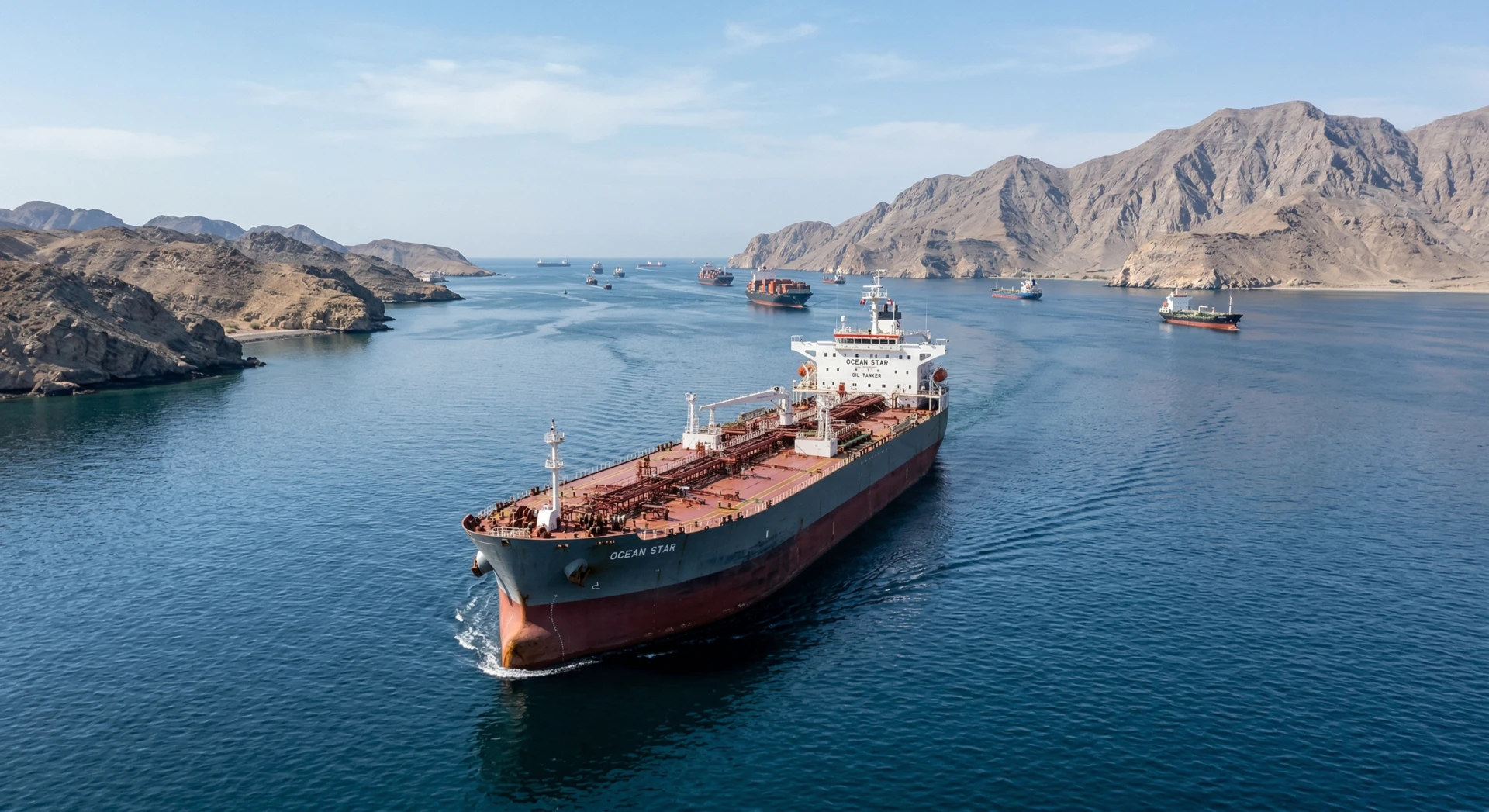
The Strait of Hormuz — a 33-kilometre chokepoint between Iran and Oman through which roughly 20% of global oil flows daily — remains effectively closed to commercial tanker traffic despite military escorts. A standard VLCC (Very Large Crude Carrier capable of carrying 2 million barrels) that previously earned $14-18/MT on the 20-day Persian Gulf to Asia route now commands $45-60/MT on the alternative 40-day Cape of Good Hope routing. This freight differential alone adds $15-20/barrel to delivered crude costs before factoring in the time value of capital tied up in longer voyages. For integrated oil companies with global logistics networks, this creates opportunities to redeploy tonnage at exceptional rates. For independent refiners dependent on spot crude purchases, it represents margin destruction at a scale not seen since the 2008 financial crisis when similar backwardation reached $27/barrel.
Backwardation — where near-term prices exceed forward prices — typically signals urgent physical demand relative to expected future supply. The current structure shows May Brent futures at $115/barrel while physical cargoes for immediate delivery command $140+/barrel, a $25+ premium that reflects not just scarcity but the complete absence of arbitrage capital willing to bridge the gap. Normally, trading houses would buy physical crude, sell futures, and profit as the spread converges toward delivery. But when storage is full, alternative supply routes add weeks of transit time, and geopolitical risk makes financing difficult, this convergence trade becomes impossible. The result is a two-tier market where physical crude holders extract premiums limited only by refiners' desperation for feedstock.
On the buy side: Independent refiners in Europe and Asia face catastrophic margin compression as crude acquisition costs surge while refined product prices lag the physical crude spike. A mid-sized European refinery processing 200,000 barrels daily now pays $5 million more per day for crude feedstock — $150 million monthly — while gasoline and diesel crack spreads (the margin between crude costs and refined product prices) compress as downstream markets react more slowly to supply shocks. Many are reducing run rates or switching to alternative crude grades despite quality penalties. On the sell side: National oil companies and integrated traders with crude production or existing inventory positions capture the full $25+ premium on every barrel. A major NOC shipping 2 million barrels monthly extracts an additional $50 million in margins compared to pre-crisis levels — pure windfall from supply chain disruption rather than operational efficiency.
For large integrated traders — Vitol, Trafigura, major national oil company trading arms — with derivatives access and global storage networks, this crisis creates exceptional arbitrage opportunities despite the broken spot-futures relationship. These operators can deploy their full infrastructure: chartering VLCCs at elevated rates for Cape routing, utilizing strategic storage positions to time sales, and hedging directional exposure through options rather than futures given the extreme volatility. A Vitol-class operator might charter 10 VLCCs at $50/MT Cape rates, generating $20 million per voyage in freight arbitrage while simultaneously capturing crude premiums. The key advantage is balance sheet capacity to finance longer inventory cycles and operational flexibility to switch between crude grades and destination markets as spreads evolve.
For smaller regional operators — independent fuel importers, mid-sized refineries, regional distributors — without derivatives access or global logistics, survival depends on operational adaptation rather than financial engineering. A regional European fuel distributor might negotiate force majeure clauses with retail customers, switch to refined product imports rather than crude processing, or establish supply agreements with multiple counterparties to avoid single-source dependency. The practical equivalent of hedging becomes supply chain diversification: multiple suppliers, flexible delivery terms, and inventory management that prioritises availability over cost optimisation. These operators cannot capture the upside but can limit downside through operational discipline.
The supply chain geography has fundamentally shifted as Middle East crude exports reroute via the Cape of Good Hope, adding 2-3 weeks transit time and creating new arbitrage opportunities. West Africa crude — normally priced at a discount to Middle East grades — now commands premiums of $8-12/barrel to Asian buyers as the shorter Atlantic routing becomes valuable. A Nigerian crude cargo to Singapore that previously competed with Saudi Arabian supply on price now competes on delivery time. Luanda crude loads reach Asian refineries in 25 days versus 45 days for Cape-routed Middle East supply. This geographic premium represents pure logistics value — the same oil worth more because of where it originates. Angolan and Nigerian producers capture windfall profits while Middle East producers face margin compression despite higher absolute prices.
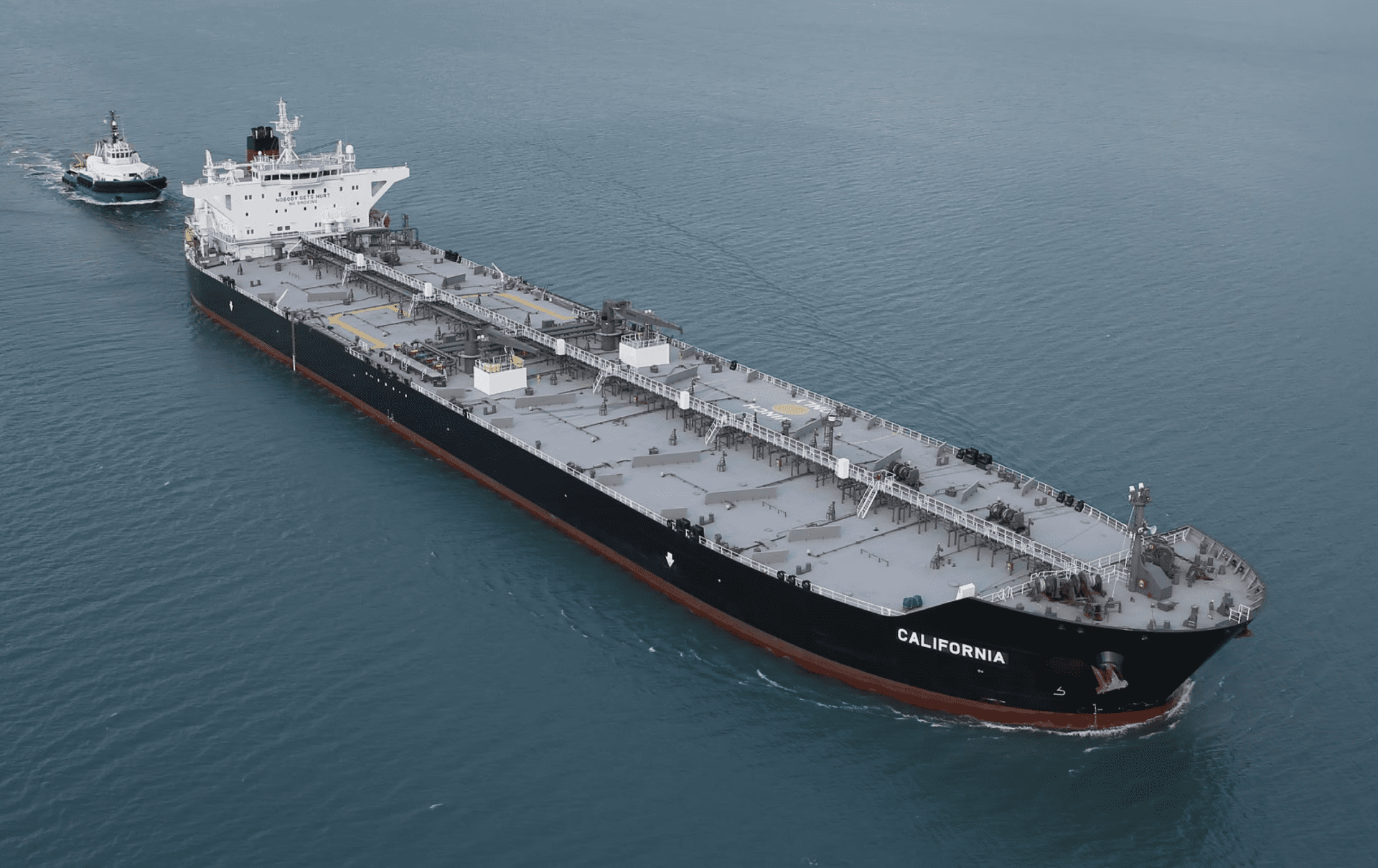
VLCC operators represent the clearest beneficiaries as dayrates surge 300-500% above normal levels. A standard VLCC earning $35,000 daily on pre-crisis Gulf-Asia routes now commands $120,000+ daily on Cape routing — an additional $85,000 daily or $3.4 million per 40-day voyage. Multiply across the global VLCC fleet of roughly 800 vessels, and operators capture $2.5+ billion monthly in excess freight revenues. This windfall accrues entirely to vessel operators rather than cargo owners, making shipping companies among the few clear winners in a crisis that destroys margins across most other segments. The key insight: in commodity supply chains, logistics often becomes the margin when primary arbitrage breaks down.
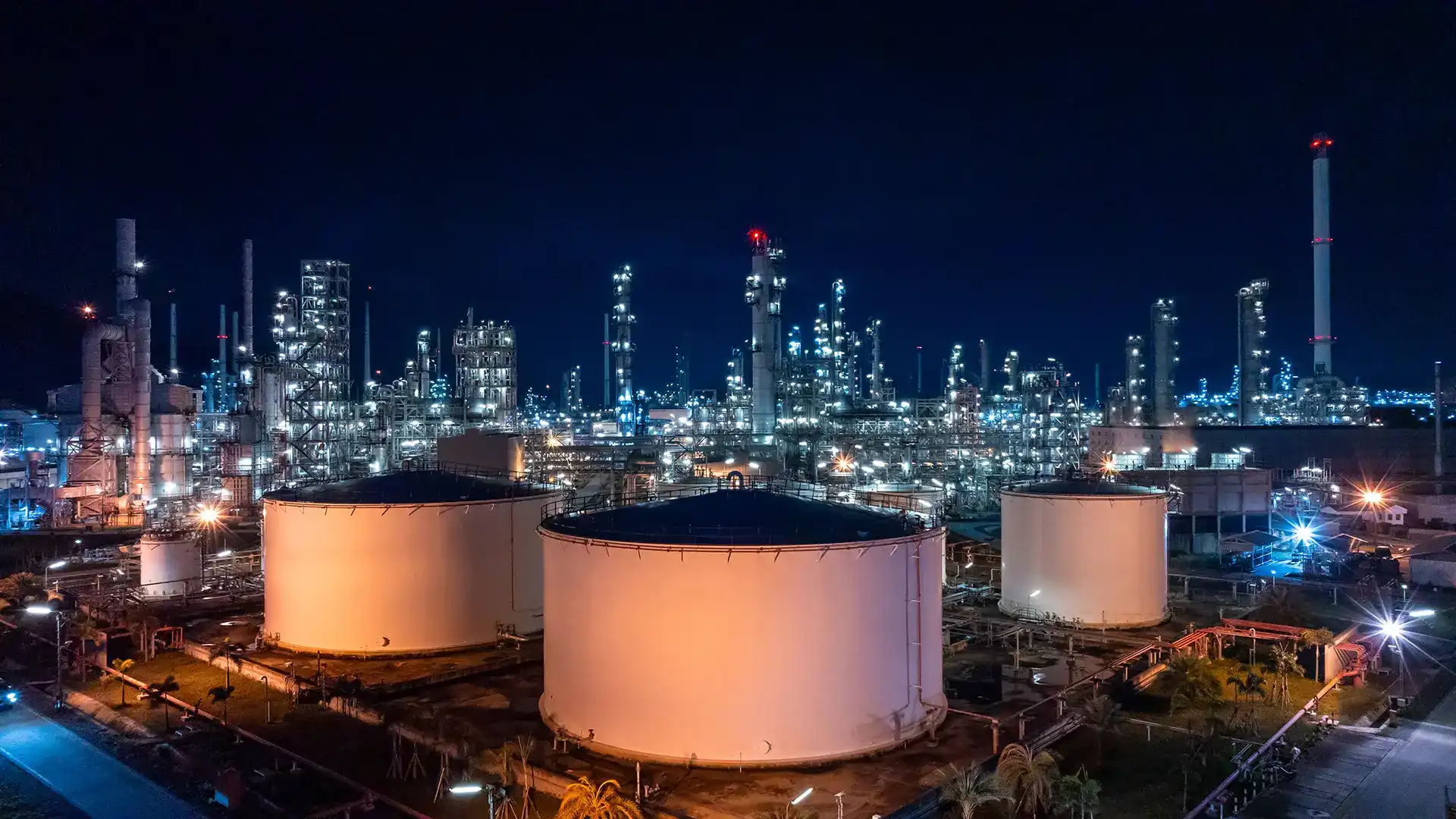
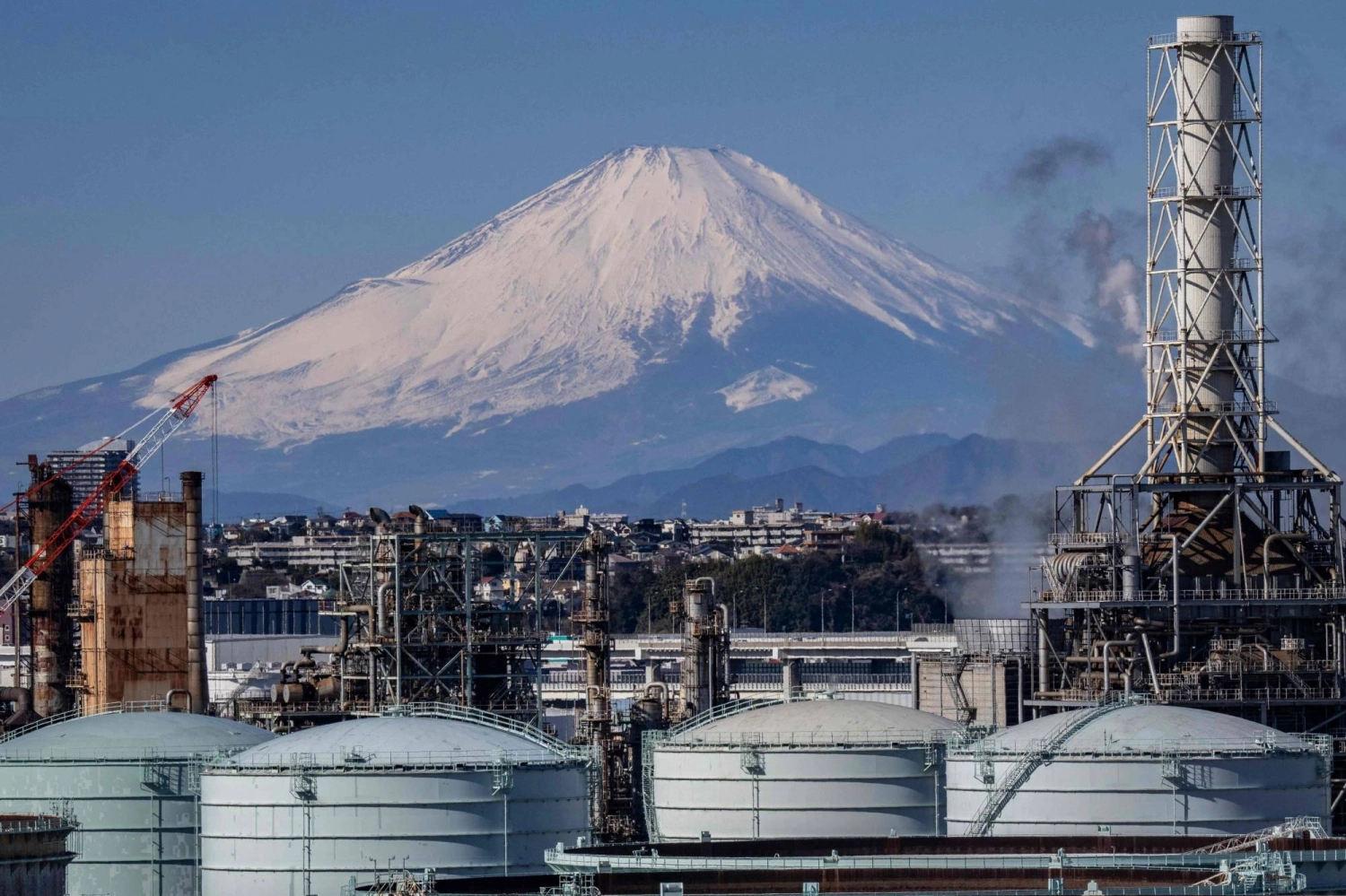
Gasoline markets demonstrate how crude supply shocks transmit through the refining complex with amplification effects. U.S. pump prices at $4.11/gallon represent a $1.13/gallon increase from pre-crisis levels — roughly 38% — while crude prices have increased approximately 55%. This apparent disconnect reflects refinery margin compression: refiners cannot fully pass through crude cost increases when wholesale gasoline markets adjust slowly and retail markets resist price spikes. The crack spread — the difference between refined product prices and crude costs — has compressed from typical $15-20/barrel to under $8/barrel for gasoline, forcing refiners to absorb much of the crude price increase. European airports implementing fuel rationing represent the physical manifestation of this margin destruction: when refiners cannot economically process crude, product shortages emerge.
Inflation transmission mechanisms show how energy supply shocks propagate through broader economic systems with multiplier effects. The estimated 1% CPI increase from $1/gallon gasoline price rises represents direct energy costs plus secondary effects: transportation, manufacturing inputs, and goods distribution all incorporate higher fuel costs. This creates a policy feedback loop where energy-driven inflation pressures central banks toward tighter monetary policy precisely when energy supply shocks threaten economic growth. Federal Reserve officials face the classic stagflation dilemma: raise rates to combat inflation while risking recession, or maintain accommodation while inflation expectations deteriorate. Market pricing shows this tension: rate cut expectations have diminished while equity markets price slower growth from higher energy costs.
Options markets reveal sophisticated traders positioning for extended volatility rather than directional moves. The S&P 500 term structure in contango — where longer-dated options trade at higher implied volatility than near-term options — suggests professional money expects sustained uncertainty rather than quick resolution. This structure typically emerges when institutional investors purchase portfolio protection through longer-dated puts while short-term traders avoid directional bets given extreme uncertainty. Oil options show similar patterns: massive volumes in $150+ Brent calls and $80 puts, essentially betting on either complete supply disruption or rapid normalisation. The option skew — higher implied volatility for out-of-the-money calls — indicates traders are willing to pay substantial premiums for protection against further supply shocks.
Prediction markets provide real-time probability assessment of geopolitical outcomes with direct commercial implications. Kalshi pricing Brent above $113.50 at 60% probability (up 21 percentage points over the weekend) reflects sophisticated money betting on sustained supply disruption beyond Trump's Tuesday deadline. More granular contracts price 40% probability of normal Hormuz navigation by mid-May and 65% by early June — timeframes that determine whether the current crisis becomes a temporary shock or structural shift requiring permanent supply chain adaptation. These probabilities translate directly into inventory and logistics decisions: operators positioning for 6+ month disruption versus those betting on rapid resolution face entirely different risk-return profiles.
Central bank policy responses will determine whether energy-driven inflation becomes entrenched or remains temporary. Current market pricing shows reduced expectations for Federal Reserve rate cuts with fed funds futures pricing only 25 basis points of cuts by year-end compared to 75 basis points before the crisis. This monetary policy tightening bias amplifies the economic damage from energy supply shocks: higher borrowing costs reduce business investment and consumer spending precisely when energy costs already pressure both. European Central Bank officials face similar dilemmas as energy rationing in Italy and other EU nations threatens industrial production. The policy challenge: maintain price stability without triggering recession when external supply shocks drive inflation beyond central bank control.
Market microstructure signals suggest professional traders are positioning for extended crisis rather than quick resolution. Implied volatility-realised volatility ratios show options markets pricing higher future volatility than recent price movements would suggest — typically indicating institutional hedging demand rather than speculative positioning. Credit default swaps for energy-intensive industries have widened significantly while energy sector credit spreads have tightened, reflecting the transfer of credit risk from oil producers to oil consumers. This credit market realignment indicates sophisticated money expects sustained high energy prices that benefit producers while threatening consumer sectors. The steepened volatility curve across equity and commodity markets suggests professional portfolio managers are paying substantial premiums for tail risk protection.
For observers monitoring this crisis, watch ICE Brent physical-futures spreads as the key signal for supply chain normalisation. When spot crude trades within $5/barrel of front-month futures, arbitrage mechanisms are functioning and supply chains can begin normalising. Currently at $25+ backwardation, any move toward $15 suggests early stabilisation while widening beyond $30 indicates complete supply breakdown. Track this signal daily through energy information services like Platts or Argus — convergence toward normal contango (futures above spot) signals crisis resolution while persistent or widening backwardation confirms structural supply disruption requiring months of adaptation. The Tuesday 8PM deadline represents a critical inflection point, but market structure convergence provides the definitive signal for commercial planning regardless of geopolitical outcomes.

.jpg)

'%3e%3cg id='Final-Copy-2_2_' transform='translate(1275.000000, 200.000000)'%3e%3cpath class='st0' d='M7.4,12.8h6.8l3.1-11.6H7.4C4.2,1.2,1.6,3.8,1.6,7S4.2,12.8,7.4,12.8z'/%3e%3c/g%3e%3c/g%3e%3c/g%3e%3cg id='final---dec.11-2020'%3e%3cg id='_x30_208-our-toggle' transform='translate(-1275.000000, -200.000000)'%3e%3cg id='Final-Copy-2' transform='translate(1275.000000, 200.000000)'%3e%3cpath class='st1' d='M22.6,0H7.4c-3.9,0-7,3.1-7,7s3.1,7,7,7h15.2c3.9,0,7-3.1,7-7S26.4,0,22.6,0z M1.6,7c0-3.2,2.6-5.8,5.8-5.8 h9.9l-3.1,11.6H7.4C4.2,12.8,1.6,10.2,1.6,7z'/%3e%3cpath id='x' class='st2' d='M24.6,4c0.2,0.2,0.2,0.6,0,0.8l0,0L22.5,7l2.2,2.2c0.2,0.2,0.2,0.6,0,0.8c-0.2,0.2-0.6,0.2-0.8,0 l0,0l-2.2-2.2L19.5,10c-0.2,0.2-0.6,0.2-0.8,0c-0.2-0.2-0.2-0.6,0-0.8l0,0L20.8,7l-2.2-2.2c-0.2-0.2-0.2-0.6,0-0.8 c0.2-0.2,0.6-0.2,0.8,0l0,0l2.2,2.2L23.8,4C24,3.8,24.4,3.8,24.6,4z'/%3e%3cpath id='y' class='st3' d='M12.7,4.1c0.2,0.2,0.3,0.6,0.1,0.8l0,0L8.6,9.8C8.5,9.9,8.4,10,8.3,10c-0.2,0.1-0.5,0.1-0.7-0.1l0,0 L5.4,7.7c-0.2-0.2-0.2-0.6,0-0.8c0.2-0.2,0.6-0.2,0.8,0l0,0L8,8.6l3.8-4.5C12,3.9,12.4,3.9,12.7,4.1z'/%3e%3c/g%3e%3c/g%3e%3c/g%3e%3c/g%3e%3c/svg%3e) Privacy Choices
Privacy Choices