.avif)
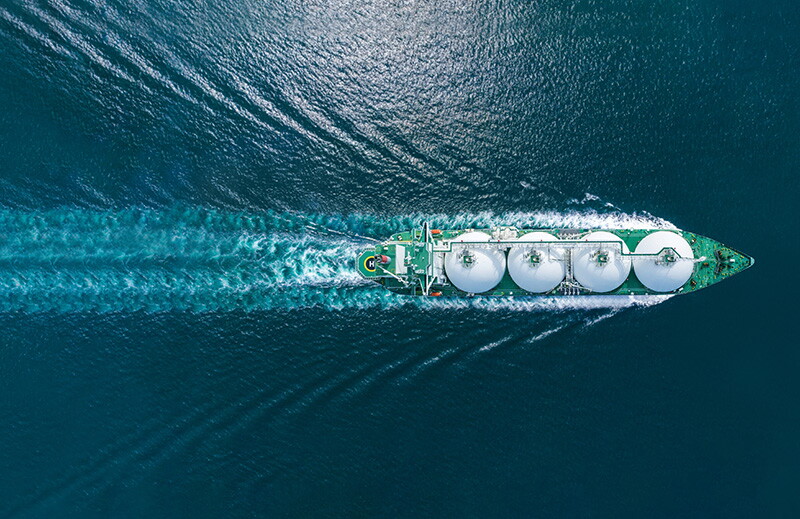
Iran's approval of Qatar's Al Kharaitiyat LNG tanker transit through the Strait of Hormuz creates an immediate $2–4/MMBtu margin opportunity for Qatari gas deliveries to Pakistan's distressed market, while demonstrating that Iran has abandoned blanket blockade for selective chokepoint monetization. The 211,986 cubic meter vessel, managed by Nakilat Shipping and destined for Pakistan's Port Qasim, navigated Tehran's approved northern coastal route through waters where just weeks ago Iranian Revolutionary Guards prevented similar transit attempts. The cargo represents approximately $35–50 million in delivered value at current Asian spot prices, but more significantly, establishes the precedent that Hormuz access is now contingent on Iran's diplomatic calculations rather than operational military necessity. Two previous Qatari LNG tankers Al Daayen and Rasheeda aborted their April 6 crossing attempts after Iranian Revolutionary Guard intervention, underscoring the complete policy shift represented by this successful transit.
The commercial backdrop intensifies the story's significance: JKM (Japan Korea Marker) the benchmark price for spot LNG deliveries in Northeast Asia and the world's most important natural gas price indicator trades at $16.84/MMBtu, representing a 47% premium to year-ago levels. Pakistan's recent emergency LNG tender attracted bids from BP, Vitol, TotalEnergies, SOCAR Trading, OQ Trading, and PetroChina ranging between $16.98–$18.58/MMBtu, yet all were rejected as uneconomically high. Qatar and the UAE account for 99% of Pakistan's LNG imports, with Pakistan's supply dominated by two long-term government to government agreements with Qatar covering nine shipments monthly. The successful transit delivers gas at contracted rates likely $3–5/MMBtu below current spot levels, providing Pakistan with relief worth approximately $7–12 million per cargo versus emergency procurement alternatives.
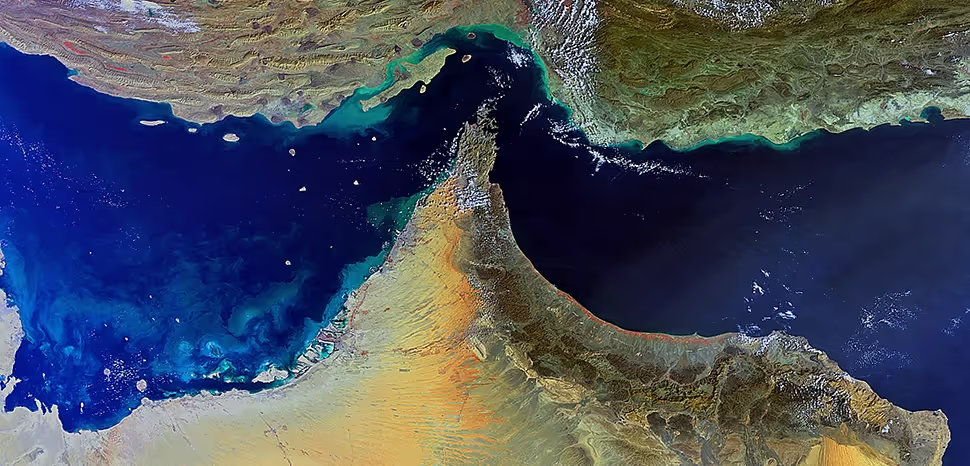
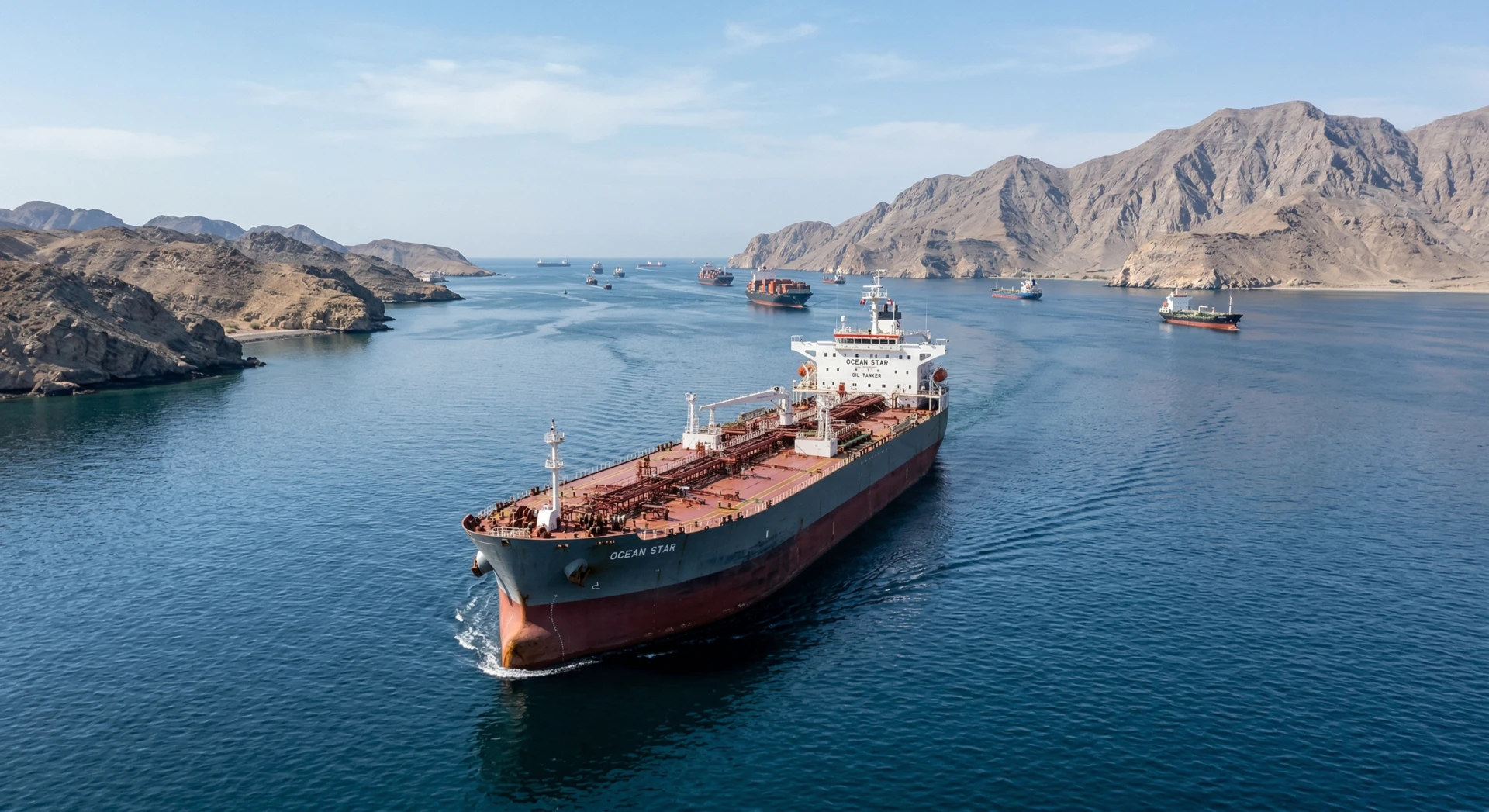
Ship tracking data shows Al Kharaitiyat navigated the "northern route that hugs the Iranian coast" through the strait, a Tehran approved corridor that physically demonstrates Iran's granular control over transit permissions. The Strait of Hormuz a 33 kilometer wide chokepoint through which roughly 20% of world traded oil and LNG normally passes has been effectively blocked by Iran since February 28, when US-Israeli airstrikes against Iran triggered retaliatory closure. Iran previously allowed exceptions for Malaysian vessels in April, and sources indicate this Qatari shipment received Iran's prior approval under a government to government deal mediated by Pakistan. The routing represents a fundamental shift from binary blockade to selective permissions, where Iran extracts diplomatic value from chokepoint control rather than maximizing economic disruption.
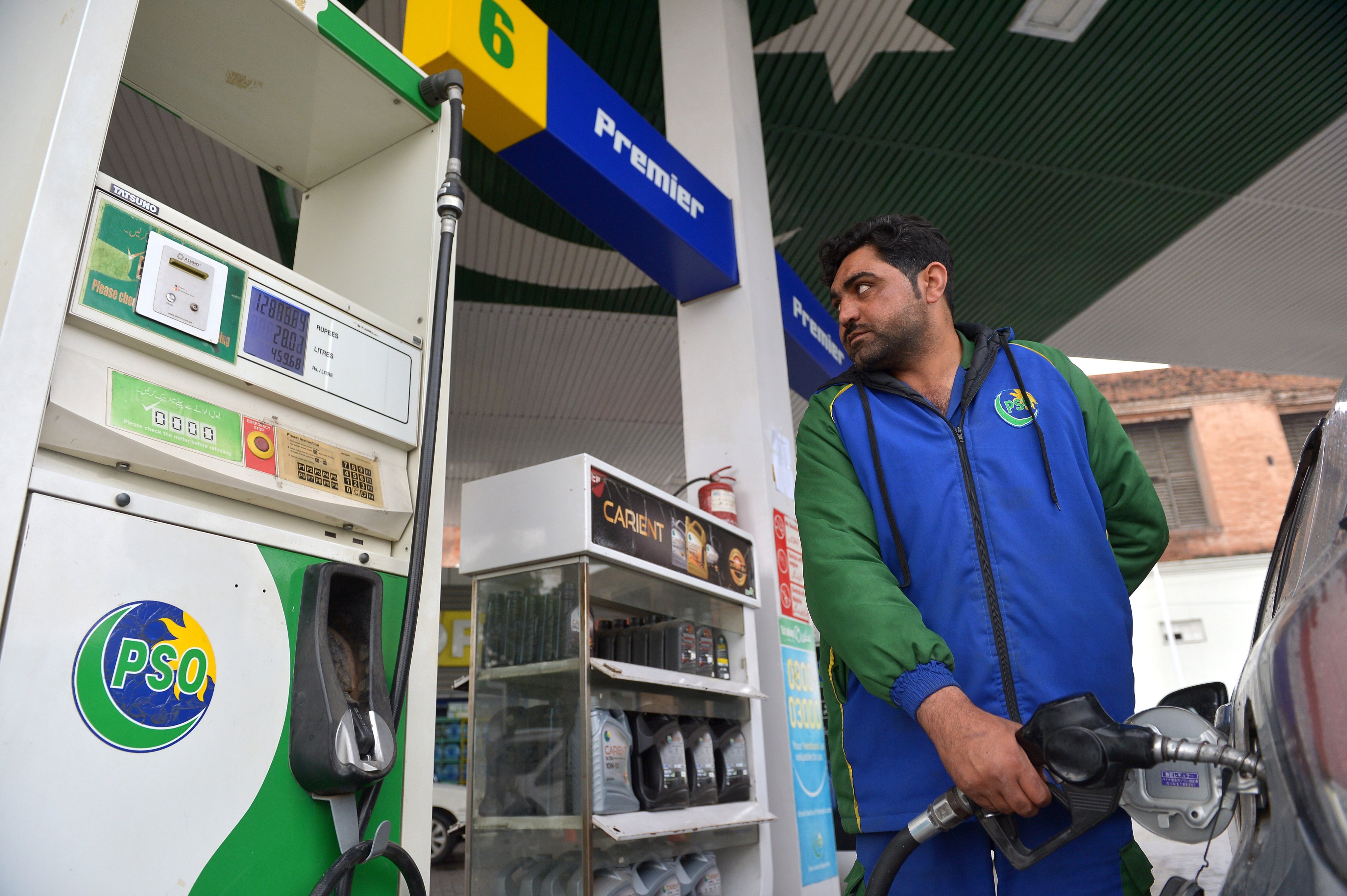
Pakistan's energy crisis provides the humanitarian pretext justifying Iranian cooperation: the country faces hot weather threatening grid stability, has been forced to purchase spot LNG for the first time in over two years, and confronts petrol prices approaching ₹400 per liter with oil reserves at critical levels. Pakistan's LNG imports collapsed from 12 shipments in January to just two in March when the conflict began, despite the country having an LNG surplus as recently as early 2026 due to weak demand and solar power growth. Emergency rationing prioritizes domestic supply while suspending 78 million cubic feet daily to fertilizer sectors, reducing regasification rates to 100 mmcfd from 500 mmcfd, and bringing 350 mmcfd of previously curtailed domestic gas online. The approved transit allows Pakistan to access contracted gas at historical pricing rather than paying emergency spot premiums exceeding $18/MMBtu.
For large integrated LNG traders (Vitol, Trafigura, Qatar Energy Trading), the precedent fundamentally alters Hormuz risk calculations by replacing binary closure scenarios with relationship dependent access matrices. Pre-war Persian Gulf LNG exports averaged roughly three shipments daily, with global gas markets losing about 20% of supply in March due to war related disruption and LNG production falling 8% year on year. The successful Qatar-Pakistan transit suggests that Iran will selectively approve shipments serving diplomatic objectives humanitarian deliveries, allied nations, or mediation incentives while maintaining broader disruption pressure. This creates optionality value for traders with diplomatic access or government backing, potentially worth $5–15/MMBtu premiums for approved versus stranded cargoes. Traders must now evaluate counterparty relationships with Iran, Pakistan, and other regional mediators as fundamental commercial variables rather than peripheral political risks.
For regional LNG importers and smaller distributors without derivatives access or government to government arrangements, the Iranian approval system creates acute commercial uncertainty that cannot be hedged through conventional instruments. Pakistan's emergency tender process demonstrates the practical constraints: despite urgent need and willingness to pay premium prices, buyers without Iranian cooperation face either market rejection or prohibitive spot pricing. Mid-sized importers across South Asia, particularly those serving industrial or power generation customers, must now incorporate relationship variables into supply planning that extend far beyond traditional commercial negotiations. The practical alternative involves diversifying supply sources toward non-Hormuz origins US Gulf Coast LNG, Australian projects, or East African exports regardless of higher freight costs or longer-term contract requirements.
The transit highlights Pakistan's structural energy vulnerability: before the crisis, the country faced an LNG surplus forcing diversion of 177 cargoes worth $5.6 billion through 2031, yet now confronts acute shortages despite having sufficient domestic alternatives. LNG consumption declined significantly due to weakening gas demand, rapid distributed renewable energy growth, and uncompetitive pricing from rigid contractual obligations, with grid based demand falling 11% compared to 2022 levels. The approved shipment represents Iran's recognition that humanitarian crises provide political cover for selective cooperation while maintaining broader chokepoint pressure. For Pakistan, the relief cargo demonstrates the commercial value of mediation roles in regional conflicts diplomatic positioning that generates tangible energy security benefits worth tens of millions per shipment.
The broader conflict context shapes commercial calculations: US-Israeli Operation Epic Fury killed Iranian Supreme Leader Ali Khamenei, triggering missile retaliation against Gulf states and ongoing peace negotiations through Pakistani mediation. Recent reports indicate Trump rejected Iran's latest peace response as "totally unacceptable," while drone attacks resume across Gulf states despite temporary calm periods. The International Energy Agency warns that "the duration of the effective closure of the Strait of Hormuz is a key uncertainty that will affect global gas demand in 2026," with March LNG output down 8% year on year. Iran's selective approval for this Qatar-Pakistan shipment suggests a sophisticated strategy maximizing political leverage from chokepoint control while avoiding complete humanitarian crisis that could justify expanded military intervention.
The financing dimension reveals Iran's strategic calculation in approving this specific transit while maintaining broader disruption. The shipment operates under a government to government deal between Qatar and Pakistan, with sources indicating Iran's prior approval aimed at "building confidence with Qatar and Pakistan". Pakistan's LNG supply relies on two long-term agreements with Qatar spanning 10 and 15 years, together covering nine monthly shipments. Government to government structures insulate transactions from conventional commercial financing constraints, creating payment certainty that commercial spot purchases cannot match. Iran's approval effectively validates the financing structure while demonstrating that political relationships now determine physical delivery capability regardless of contractual or financial arrangements.
The freight and logistics implications establish Iran's chokepoint monetization strategy as commercially sustainable rather than purely disruptive. Al Kharaitiyat's navigation of the "northern route that hugs the Iranian coast" demonstrates Iran's ability to control specific transit corridors rather than implementing blanket closure. While vessels continue facing security threats from both Iranian and US blockades, at least two UAE LNG tankers have also traversed the strait since conflict began, suggesting systematic rather than exceptional approval processes. The operational precedent indicates that Iranian approved routes maintain commercial viability for qualified shipments, enabling selective LNG flows that serve Iran's diplomatic objectives while preserving broader market disruption. Freight operators and vessel owners must now evaluate Iranian relationship variables as fundamental route-planning considerations.
Observers should monitor three specific indicators to track Iran's evolving chokepoint strategy and commercial implications for LNG markets. First, JKM pricing movements above $18/MMBtu signal renewed supply constraints, while sustained levels below $17/MMBtu suggest increased Iranian cooperation or alternative supply establishment. Second, Pakistan's monthly LNG import data from energy regulator OGRA which showed 12 shipments in January collapsing to two in March provides direct measurement of Hormuz transit permissions. Third, the frequency of "northern route" transits via Iranian coastal waters indicates whether this approval represents exceptional humanitarian relief or systematic policy shift toward selective access monetization. A sustained pattern of 2–4 approved transits monthly would signal Iran's permanent adoption of tiered access control rather than temporary tactical concession.


'%3e%3cg id='Final-Copy-2_2_' transform='translate(1275.000000, 200.000000)'%3e%3cpath class='st0' d='M7.4,12.8h6.8l3.1-11.6H7.4C4.2,1.2,1.6,3.8,1.6,7S4.2,12.8,7.4,12.8z'/%3e%3c/g%3e%3c/g%3e%3c/g%3e%3cg id='final---dec.11-2020'%3e%3cg id='_x30_208-our-toggle' transform='translate(-1275.000000, -200.000000)'%3e%3cg id='Final-Copy-2' transform='translate(1275.000000, 200.000000)'%3e%3cpath class='st1' d='M22.6,0H7.4c-3.9,0-7,3.1-7,7s3.1,7,7,7h15.2c3.9,0,7-3.1,7-7S26.4,0,22.6,0z M1.6,7c0-3.2,2.6-5.8,5.8-5.8 h9.9l-3.1,11.6H7.4C4.2,12.8,1.6,10.2,1.6,7z'/%3e%3cpath id='x' class='st2' d='M24.6,4c0.2,0.2,0.2,0.6,0,0.8l0,0L22.5,7l2.2,2.2c0.2,0.2,0.2,0.6,0,0.8c-0.2,0.2-0.6,0.2-0.8,0 l0,0l-2.2-2.2L19.5,10c-0.2,0.2-0.6,0.2-0.8,0c-0.2-0.2-0.2-0.6,0-0.8l0,0L20.8,7l-2.2-2.2c-0.2-0.2-0.2-0.6,0-0.8 c0.2-0.2,0.6-0.2,0.8,0l0,0l2.2,2.2L23.8,4C24,3.8,24.4,3.8,24.6,4z'/%3e%3cpath id='y' class='st3' d='M12.7,4.1c0.2,0.2,0.3,0.6,0.1,0.8l0,0L8.6,9.8C8.5,9.9,8.4,10,8.3,10c-0.2,0.1-0.5,0.1-0.7-0.1l0,0 L5.4,7.7c-0.2-0.2-0.2-0.6,0-0.8c0.2-0.2,0.6-0.2,0.8,0l0,0L8,8.6l3.8-4.5C12,3.9,12.4,3.9,12.7,4.1z'/%3e%3c/g%3e%3c/g%3e%3c/g%3e%3c/g%3e%3c/svg%3e) Privacy Choices
Privacy Choices