.avif)
.avif)
The month long US-Israeli conflict with Iran has created an unprecedented methanol supply crisis through a dual mechanism, the effective closure of the Strait of Hormuz blocking 35-45% of global seaborne methanol exports, combined with direct military strikes on Iranian production facilities. The conflict has cut 35-45% of global seaborne supply through the Hormuz blockade, while Iranian strikes on Gulf aluminum and industrial facilities demonstrate the direct targeting of heavy industry. For methanol buyers, this represents the most severe supply disruption in the commodity's trading history, with China facing acute exposure as it imported 12-14 million metric tons of methanol in 2025, with Iran accounting for a substantial share.
The commercial consequence extends beyond Iranian production capacity to a cascading failure across Gulf petrochemical infrastructure. QatarEnergy declared force majeure on affected shipments in early March, signaling inability to fulfill contractual supply commitments, while Kuwait Petroleum Corporation and Bahrain's Bapco Energies followed with similar declarations citing shipping capacity shortages. Asian petrochemical producers including Indonesia's Chandra Asri and South Korea's Yeochun NCC have declared force majeure, creating a supply chain collapse that reaches far beyond the immediate conflict zone. The distinction is critical for procurement teams, this is not Iranian suppliers invoking force majeure, but Iranian facilities being systematically targeted while other regional suppliers cannot fulfill contracts due to blocked export routes.
Buyers face asymmetric exposure based on their supply chain geography and contract structures. Chinese methanol spot prices in Jiangsu province rose to 2,185-2,200 yuan per ton by late February 2026, with price differentials between coastal and inland markets widening to 300-500 yuan per ton as seaborne import dependent coastal buyers face steeper shortages than inland consumers supplied by domestic coal based plants. The crisis has triggered emergency government interventions, with major Chinese refiners including Sinopec ordered to stop accepting new fuel export contracts, while Japan began releasing 80 million barrels from strategic reserves to manage broader energy supply constraints.
The procurement reality for Q2 methanol contracts has fundamentally shifted from price negotiation to supply availability. China accounts for about 90% of Iran's crude exports, making disruptions unavoidable for Chinese methanol to olefins plants, while traditional alternative suppliers face their own constraints. Japan's Mitsubishi Gas Chemical announced suspension of methanol supplies from its Saudi Arabia joint venture Ar-Razi, which has annual capacity exceeding 4 million metric tons. The timing compounds procurement challenges as buyers who would normally secure Q2 commitments through November now confront a market where even non-Iranian suppliers operate under force majeure conditions or face logistics constraints that prevent normal delivery schedules.
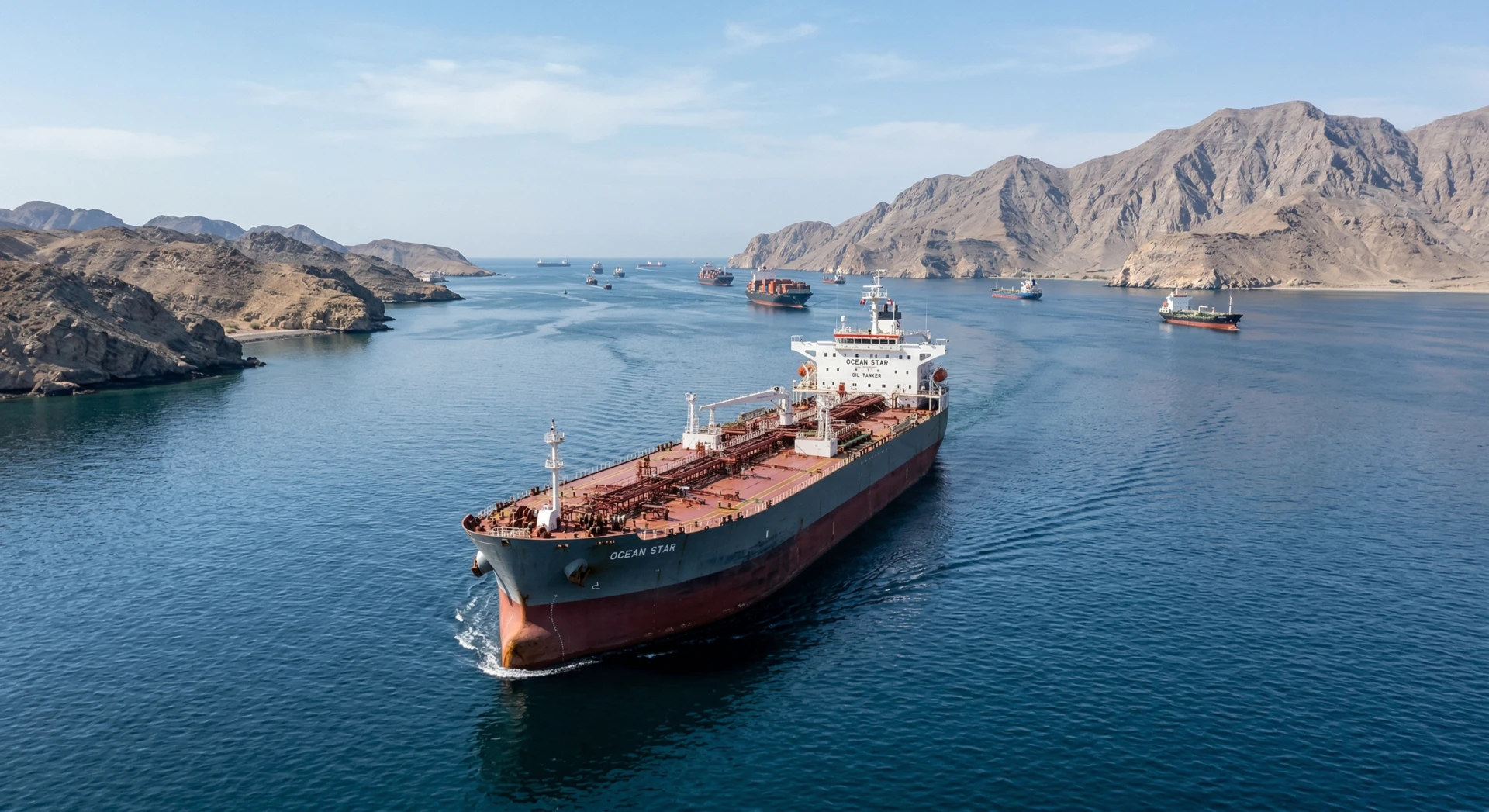
The mechanism driving sustained supply tightness operates through both direct facility damage and shipping network paralysis. The Strait of Hormuz flows have collapsed by ~97% to ~0.6 million barrels per day, down from normal volumes carrying ~20% of global seaborne oil and ~25% of global LNG. Major shipping operators including Maersk, MSC, CMA CGM, and Hapag-Lloyd have suspended all transits through the Strait of Hormuz. This creates a paradox where even facilities that remain physically operational cannot export products, while buyers face the impossible choice between paying extreme premiums for alternative supply or accepting production disruptions in downstream operations.
The strategic response for procurement teams must account for the conflict's duration uncertainty and the structural changes it has revealed in global methanol supply chains. The International Energy Agency assessed this as the largest supply disruption in modern history, while longer term AI projected shortages in food and energy could materialize if disruption persists beyond a few weeks. The immediate procurement priority is not securing favorable pricing but ensuring any supply continuity, as traditional risk management approaches prove inadequate when fundamental trade routes cease to function and supplier force majeure declarations proliferate across multiple regions simultaneously.
.jpg)
.jpg)


'%3e%3cg id='Final-Copy-2_2_' transform='translate(1275.000000, 200.000000)'%3e%3cpath class='st0' d='M7.4,12.8h6.8l3.1-11.6H7.4C4.2,1.2,1.6,3.8,1.6,7S4.2,12.8,7.4,12.8z'/%3e%3c/g%3e%3c/g%3e%3c/g%3e%3cg id='final---dec.11-2020'%3e%3cg id='_x30_208-our-toggle' transform='translate(-1275.000000, -200.000000)'%3e%3cg id='Final-Copy-2' transform='translate(1275.000000, 200.000000)'%3e%3cpath class='st1' d='M22.6,0H7.4c-3.9,0-7,3.1-7,7s3.1,7,7,7h15.2c3.9,0,7-3.1,7-7S26.4,0,22.6,0z M1.6,7c0-3.2,2.6-5.8,5.8-5.8 h9.9l-3.1,11.6H7.4C4.2,12.8,1.6,10.2,1.6,7z'/%3e%3cpath id='x' class='st2' d='M24.6,4c0.2,0.2,0.2,0.6,0,0.8l0,0L22.5,7l2.2,2.2c0.2,0.2,0.2,0.6,0,0.8c-0.2,0.2-0.6,0.2-0.8,0 l0,0l-2.2-2.2L19.5,10c-0.2,0.2-0.6,0.2-0.8,0c-0.2-0.2-0.2-0.6,0-0.8l0,0L20.8,7l-2.2-2.2c-0.2-0.2-0.2-0.6,0-0.8 c0.2-0.2,0.6-0.2,0.8,0l0,0l2.2,2.2L23.8,4C24,3.8,24.4,3.8,24.6,4z'/%3e%3cpath id='y' class='st3' d='M12.7,4.1c0.2,0.2,0.3,0.6,0.1,0.8l0,0L8.6,9.8C8.5,9.9,8.4,10,8.3,10c-0.2,0.1-0.5,0.1-0.7-0.1l0,0 L5.4,7.7c-0.2-0.2-0.2-0.6,0-0.8c0.2-0.2,0.6-0.2,0.8,0l0,0L8,8.6l3.8-4.5C12,3.9,12.4,3.9,12.7,4.1z'/%3e%3c/g%3e%3c/g%3e%3c/g%3e%3c/g%3e%3c/svg%3e) Privacy Choices
Privacy Choices