.avif)

Russian suppliers are offering liquefied natural gas from sanctioned facilities Arctic LNG 2 and Portovaya to South Asian buyers at discounts reaching 40% below spot prices, targeting markets where Qatar supply disruptions have doubled procurement costs. Bangladesh, which received 60% of its LNG from Qatar last year, now faces spot market purchases at nearly double the cost of long-term contracts. Both Bangladesh and India have had to ration gas supplies to critical sectors like fertilizers, creating urgent demand for alternative supplies regardless of geopolitical complications. The commercial pressure is immediate: with JKM (Japan Korea Marker) — the benchmark price for Asian LNG spot deliveries — trading around $18.75-19.50/MMBtu, a 40% discount translates to savings of approximately $7.50-7.80/MMBtu, or roughly $5,250-5,460 per standard 70,000-tonne cargo.
The sanctioned cargoes are being marketed through little-known intermediary companies based in China and Russia, creating a financing structure that concentrates counterparty risk while potentially circumventing direct sanctions exposure for end buyers. Sellers claim they can provide documentation suggesting deliveries originate from non-Russian sources such as Oman or Nigeria. This paper trail obfuscation — a form of trade-based money laundering — requires banks willing to process payments based on potentially fraudulent bills of lading and insurance companies willing to cover cargoes with misrepresented origins. The financing burden falls disproportionately on Chinese financial institutions already handling sanctioned Russian energy flows, creating systemic concentration risk as Western banks retreat from transactions involving Russian energy.
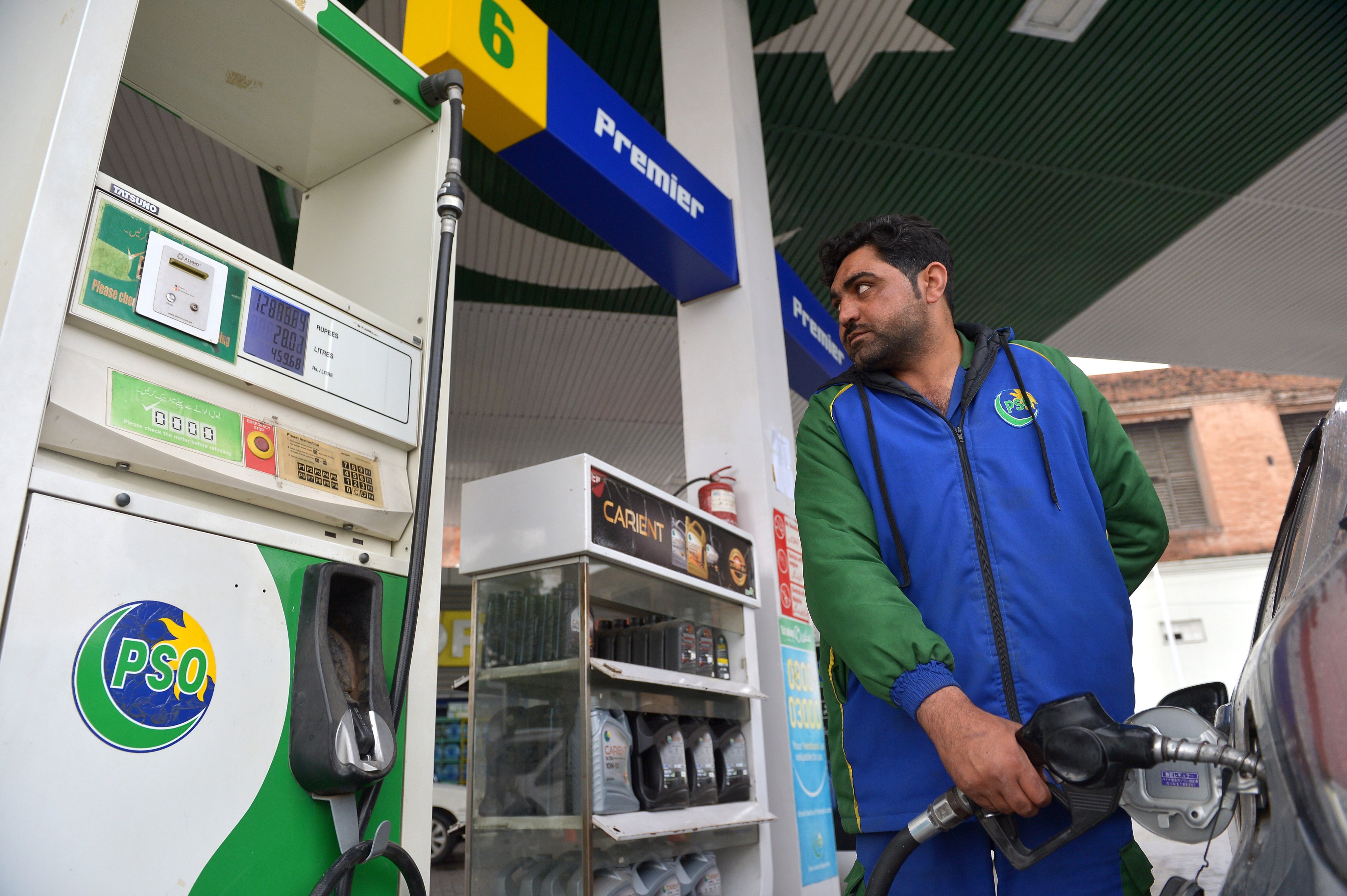
On the buy side, Bangladesh's state-owned Petrobangla faces an immediate cost crisis, with spot LNG purchases now costing nearly double their long-term Qatar contract rates. Consider a standard 70,000-tonne LNG cargo: at current JKM levels around $19/MMBtu, the delivered cost approaches $13.3 million per cargo. Russian cargoes at 40% discounts would cost approximately $8 million — a $5.3 million saving per cargo that could preserve foreign exchange reserves for this import-dependent economy. India typically takes a conservative approach to importing sanctioned oil and gas, and its government has previously said it won't take Russian LNG from blacklisted projects. However, private Indian importers operating smaller-scale regasification terminals may face different commercial pressures than state-controlled buyers.
On the sell side, Russia has been steadily expanding exports from US-sanctioned facilities Arctic LNG 2 and Portovaya, but most buyers remain wary of taking restricted shipments out of fear of retaliation from Washington. Arctic LNG 2 — designed as Russia's largest LNG plant — began exports in 2024, but its full capacity has been throttled by a lack of shipping capacity and willing buyers. The 40% discounts represent margin destruction for Russian producers, but the alternative — stranded gas with zero revenue — makes these distressed sales commercially rational. China has so far been the only country importing sanctioned Russian LNG via a network of shadow fleet vessels, creating a natural intermediation opportunity for Chinese traders who can arbitrage the discount against sanctions risk premiums.
For large integrated traders — Vitol, Trafigura, commodity trading arms of major oil companies — these transactions remain largely off-limits due to sanctions compliance requirements and banking relationships. The risk of secondary sanctions exposure outweighs the arbitrage opportunity. However, smaller regional trading houses without significant US dollar banking exposure or Western insurance arrangements face different risk calculations. Chinese state-owned enterprises like CNOOC and PetroChina, already handling other sanctioned Russian energy flows, possess the financial infrastructure and political cover to intermediate these transactions. Their margin potential lies in capturing portions of the 40% discount while charging Asian buyers premiums above their own costs but still below market rates.
For smaller regional operators — independent LNG importers, industrial gas users, smaller utilities without access to long-term contracts — the Russian discounts present acute commercial temptation amid supply shortage conditions. A mid-sized Bangladesh textile manufacturer requiring LNG for power generation faces electricity costs that determine competitiveness in export markets. If Russian LNG delivered through Chinese intermediaries costs $11-12/MMBtu versus $19/MMBtu spot — even with sanctions risk premiums — the delivered cost advantage may determine business survival. These operators typically lack sophisticated sanctions compliance apparatus and may rely on intermediary assurances about cargo origins and documentation.
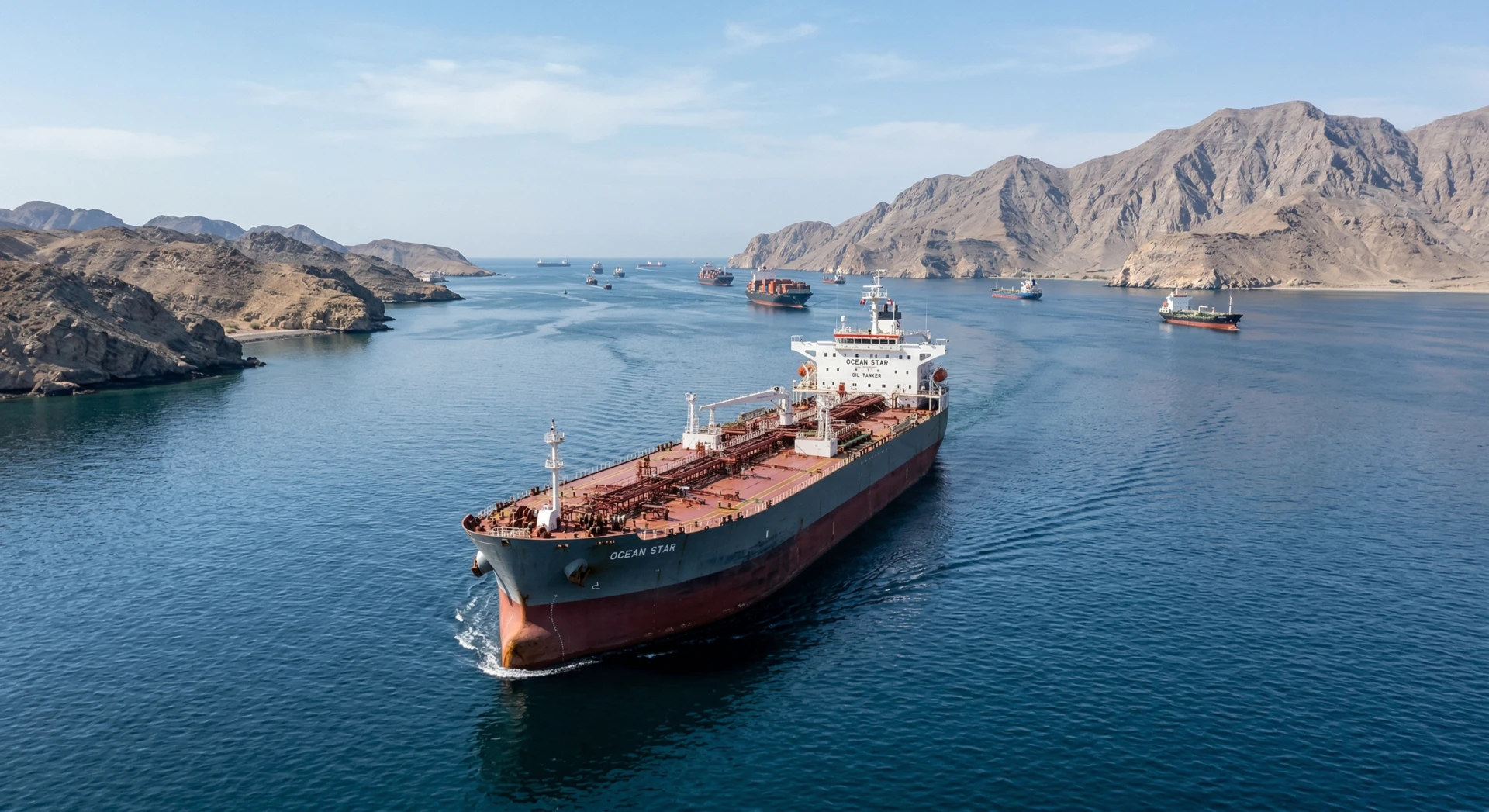
Asian countries have suffered a serious blow from the suspension of operations at Qatar's LNG hub following Iranian strikes on infrastructure in the area. An Iranian attack on Qatar's Ras Laffan gas facility wiped out about 17% of the country's LNG export capacity, causing an estimated $20 billion in lost annual revenue. Iran has effectively blocked the Strait of Hormuz, which handles about 20% of the world's oil and LNG. The result is a stranded fleet: more than 40 Qatari LNG tankers are idle in Asian waters, unable to load or deliver cargoes. This supply shock creates the conditions where discounted Russian LNG finds willing buyers despite sanctions risks — scarcity pricing makes previously unacceptable suppliers commercially attractive.
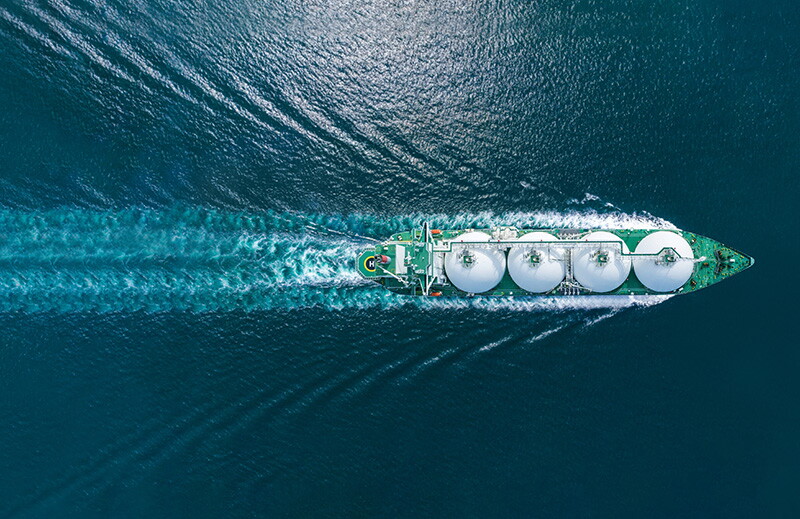
The freight dimension significantly affects margin concentration in this trade. China has been importing sanctioned Russian LNG via a network of shadow fleet vessels — tankers operating outside traditional insurance and classification frameworks. These vessels, typically older and operating with non-Western insurance coverage, charge premium freight rates to compensate for sanctions risk and limited port access. A typical LNG carrier might earn $40,000-60,000/day under normal market conditions; shadow fleet vessels handling sanctioned Russian cargoes likely command $80,000-120,000/day. The freight premium accrues to vessel operators, not cargo owners, effectively reducing the Russian producers' netback prices while increasing delivered costs for Asian buyers. Chinese shipowners and operators controlling this shadow fleet capacity earn significant margins from the transport arbitrage.
The financing mechanics of these transactions reveal how sanctions drive structural changes in commodity trade flows. Traditional LNG transactions rely on letters of credit issued by major international banks, backed by vessel insurance from London-based maritime insurers. Russian sanctioned LNG trades require alternative financial channels: Chinese banks issuing standby credits, Russian or Chinese insurance coverage, and payment mechanisms potentially involving non-dollar currencies or commodity-linked barter arrangements. Payment mechanisms can vary, sometimes involving non-traditional currencies or financial channels that bypass standard banking systems. This financial infrastructure development creates lasting changes in global commodity trade architecture, reducing Western financial institutions' control over energy trade flows.
Historically, the closest parallel to current Russian LNG sanctions evasion was Iranian oil exports during 2012-2015 sanctions, when Tehran maintained crude exports through similar intermediary structures and shadow fleets. Iranian oil exports fell from 2.5 million barrels/day to approximately 1 million barrels/day during peak sanctions but never ceased entirely. However, LNG presents different logistical challenges than crude oil: the specialized nature of LNG carriers, limited global regasification infrastructure, and the requirement for continuous cold chain management make sanctions evasion more complex but potentially more profitable for successful operators. The current Russian strategy suggests Moscow studied the Iranian playbook while adapting for LNG's technical requirements.
For observers monitoring this evolving trade pattern, the key signal is Chinese LNG import data from non-traditional suppliers. China's customs data typically shows LNG import origins; increases in volumes attributed to "other" sources or unusual patterns from countries like Oman or Nigeria — which have limited LNG export capacity — would indicate successful sanctions evasion. Track Chinese LNG imports by stated origin monthly through China's General Administration of Customs. Any sustained increase in imports from non-major LNG producers, or unusual pricing patterns in Chinese spot purchases, would signal the success or failure of Russian circumvention efforts. Additionally, watch for changes in Asian spot LNG pricing: if JKM premiums to European TTF or US Henry Hub narrow unexpectedly, it could indicate increased supply from sanctioned sources reaching Asian markets through intermediary channels.
The commercial consequence extends beyond individual transactions to structural shifts in global LNG trade architecture. Success of Russian sanctions evasion through Chinese intermediation would establish precedent for non-Western energy trade networks, potentially reducing the effectiveness of future Western sanctions on energy exporters. Conversely, failure of these Russian efforts — evidenced by continuing cargo strandings or Chinese buyer reluctance — would demonstrate sanctions efficacy and likely force Russian LNG into even deeper discounts or production cuts. For Asian LNG importers, the immediate choice between expensive compliance and discounted sanctions risk will determine not only near-term procurement costs but the future structure of global gas markets.


'%3e%3cg id='Final-Copy-2_2_' transform='translate(1275.000000, 200.000000)'%3e%3cpath class='st0' d='M7.4,12.8h6.8l3.1-11.6H7.4C4.2,1.2,1.6,3.8,1.6,7S4.2,12.8,7.4,12.8z'/%3e%3c/g%3e%3c/g%3e%3c/g%3e%3cg id='final---dec.11-2020'%3e%3cg id='_x30_208-our-toggle' transform='translate(-1275.000000, -200.000000)'%3e%3cg id='Final-Copy-2' transform='translate(1275.000000, 200.000000)'%3e%3cpath class='st1' d='M22.6,0H7.4c-3.9,0-7,3.1-7,7s3.1,7,7,7h15.2c3.9,0,7-3.1,7-7S26.4,0,22.6,0z M1.6,7c0-3.2,2.6-5.8,5.8-5.8 h9.9l-3.1,11.6H7.4C4.2,12.8,1.6,10.2,1.6,7z'/%3e%3cpath id='x' class='st2' d='M24.6,4c0.2,0.2,0.2,0.6,0,0.8l0,0L22.5,7l2.2,2.2c0.2,0.2,0.2,0.6,0,0.8c-0.2,0.2-0.6,0.2-0.8,0 l0,0l-2.2-2.2L19.5,10c-0.2,0.2-0.6,0.2-0.8,0c-0.2-0.2-0.2-0.6,0-0.8l0,0L20.8,7l-2.2-2.2c-0.2-0.2-0.2-0.6,0-0.8 c0.2-0.2,0.6-0.2,0.8,0l0,0l2.2,2.2L23.8,4C24,3.8,24.4,3.8,24.6,4z'/%3e%3cpath id='y' class='st3' d='M12.7,4.1c0.2,0.2,0.3,0.6,0.1,0.8l0,0L8.6,9.8C8.5,9.9,8.4,10,8.3,10c-0.2,0.1-0.5,0.1-0.7-0.1l0,0 L5.4,7.7c-0.2-0.2-0.2-0.6,0-0.8c0.2-0.2,0.6-0.2,0.8,0l0,0L8,8.6l3.8-4.5C12,3.9,12.4,3.9,12.7,4.1z'/%3e%3c/g%3e%3c/g%3e%3c/g%3e%3c/g%3e%3c/svg%3e) Privacy Choices
Privacy Choices