.avif)
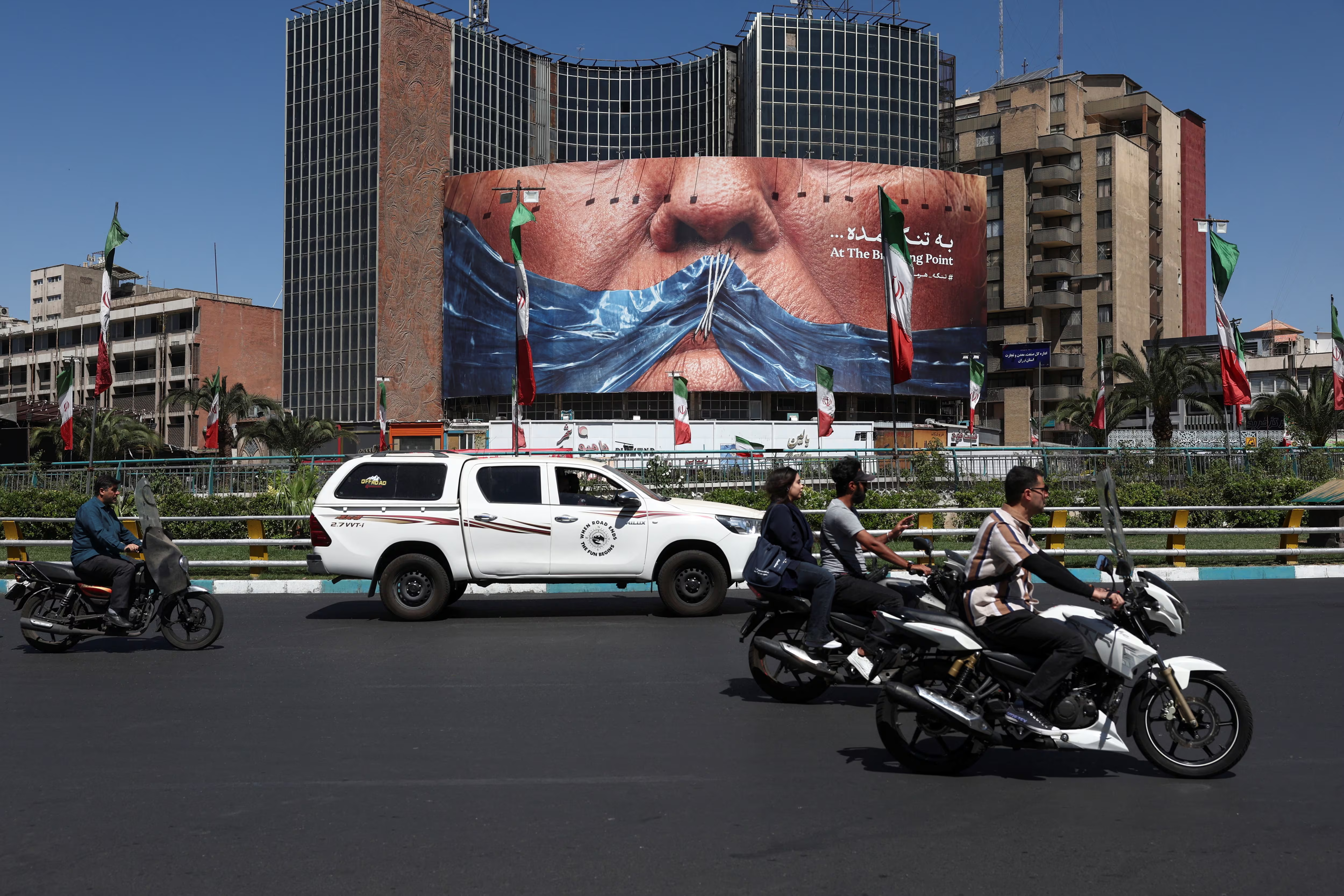
VLCC charterers face the most dramatic shift in voyage economics since Iran's February mine deployment began. Current oil prices, Brent at $91.87 and WTI at $87.59 have fallen sharply as markets price in a 60 day ceasefire extension that would reopen the Strait of Hormuz to commercial shipping without tolls or harassment. For a VLCC (Very Large Crude Carrier a supertanker carrying 2 million barrels) currently earning $45-55/MT on Middle East Gulf to Asia routes versus $18-22/MT pre-conflict, the proposed agreement threatens to collapse war premiums within weeks. The commercial reality is stark: charterers who locked tonnage at elevated rates face immediate margin compression, while those holding optionality on uncommitted vessels could see charter costs drop 40-50% if the deal materializes.
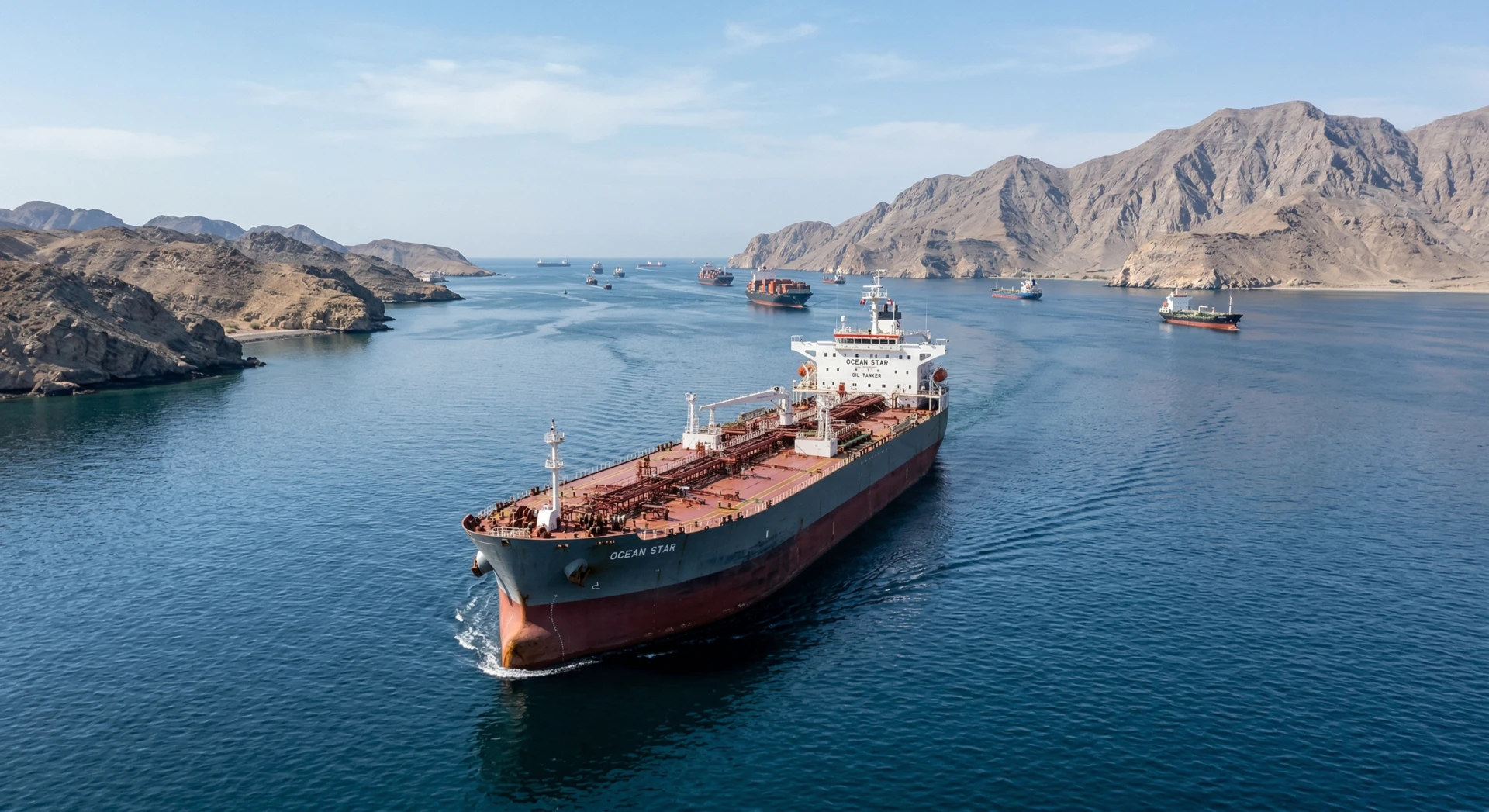
According to US officials, the agreement involves a 60-day ceasefire extension during which Iran would clear mines from the Strait of Hormuz while the US lifts its naval blockade on Iranian ports. A letter of credit (LC) a bank guarantee ensuring payment upon document presentation becomes the critical instrument here, as charterers must decide whether to secure tonnage immediately at current elevated rates or gamble on post-agreement availability. The financing structure reveals the underlying tension: shipowners demand higher day rates to offset potential rapid devaluation of war premiums, while charterers seek flexible terms that allow repricing if the waterway reopens. The result is a bifurcated market where contract terms increasingly reflect delivery timing relative to the proposed 30 day mine clearance window.
The margin anatomy exposes exactly where value concentrates and evaporates in this transition. Before the conflict, a standard MEG-Asia VLCC voyage generated approximately $2.8-3.2 million in gross freight revenue at $14-16/MT. War risk premiums added $6-8 million per voyage, accruing entirely to vessel operators. Oil prices have fallen below $91 per barrel and remain on track for sharp monthly losses after ceasefire reports emerged. For charterers, every dollar decline in Brent crude translates to $2 million saved on a 2 million barrel cargo, but this gain disappears if they've already committed to higher charter rates. The asymmetry is punishing: shipowners capture war premiums immediately through elevated day rates, while charterers bear commodity price risk throughout the voyage duration.
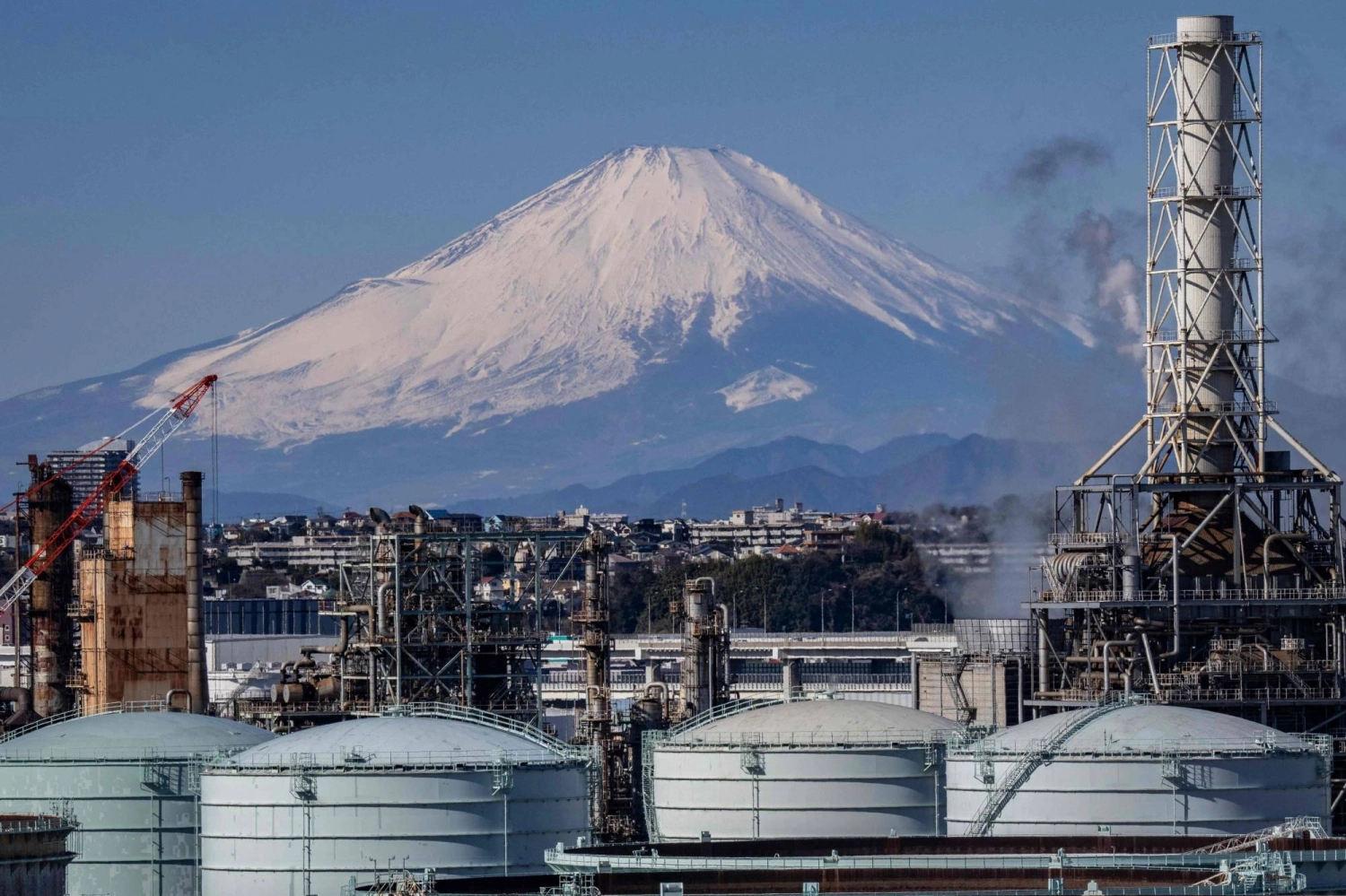
On the buy side, Asian refiners who have been paying $8-12/barrel premiums for non-MEG crude face immediate margin recovery if Iranian volumes return. A typical 300,000 barrel refinery processing run becomes $2.4-3.6 million cheaper per month at normal MEG differentials. But these savings require securing reliable VLCC tonnage without war risk surcharges precisely what becomes scarce as shipowners hedge against rapid rate normalization. On the sell side, MEG crude producers beyond Iran lose the geopolitical premium that has supported their realizations above Brent benchmarks. Saudi Aramco, UAE's ADNOC, and Kuwait's KPC have benefited from $5-8/barrel premiums as buyers sought non-Iranian alternatives; this premium evaporates entirely if Hormuz reopens to unrestricted commercial traffic.
, not a cost pass-through, and this principle determines who captures value during the transition. Iran has accumulated more than 50 million barrels in floating storage and plans to restore production to 3.3 million bpd within one month if sanctions relief materializes. The National Iranian Tanker Company (NITC) - Iran's state shipping arm controlling 42 VLCCs represents the wild card in charter market dynamics. These vessels have been effectively sidelined since February; their sudden return would flood the charter market with additional tonnage precisely when demand normalizes. VLCC owners currently earning $50,000-75,000 daily on long-haul routes could see rates collapse to $15,000-25,000 within 60 days if both Iranian tonnage returns and war premiums disappear simultaneously.
For large integrated traders like Vitol, Trafigura, or national oil company trading arms with derivatives access, hedging instruments provide partial protection against this volatility. A crude oil swap an agreement to exchange fixed payments for floating Brent prices allows these operators to lock current elevated margins while maintaining physical supply optionality. Freight forward agreements (FFAs) on VLCC routes enable similar hedging on the transportation component, though liquidity remains limited during periods of extreme volatility. The sophisticated operator's playbook involves selling Brent futures while buying physical crude at discounted spot prices, then using FFAs to hedge transportation costs capturing the arbitrage between paper and physical markets while minimizing exposure to geopolitical reversals.
For regional operators without derivatives access independent fuel importers, smaller refiners, cooperative purchasing groups the strategy becomes fundamentally different. These operators cannot hedge through financial markets and must rely on bilateral contracts with fixed pricing terms. The practical equivalent involves negotiating supply agreements with pricing floors and caps, diversifying supplier base between MEG and non-MEG sources, and maintaining higher inventory levels to buffer against supply disruptions. A mid-sized Indian refiner, for example, might contract 60% of crude requirements on three month fixed differentials while keeping 40% on spot terms sacrificing some upside for downside protection against renewed Hormuz closure.
The supply chain grounding reveals why infrastructure limitations matter more than diplomatic announcements. US officials acknowledge that mine clearance speed determines blockade lifting pace, but commercial tanker operators cannot verify clearance completion independently. Iran's actual naval mine deployment locations and density remain classified military information. Even after official reopening announcements, insurance markets specifically P&I (Protection and Indemnity) clubs providing maritime liability coverage may not immediately remove war risk exclusions. The result: a potentially uninsurable transit period where vessels technically can transit Hormuz but cannot obtain coverage, effectively maintaining the shipping bottleneck despite diplomatic progress.
WTI crude has fallen below $88 per barrel with Iran reportedly agreeing to clear all mines within 30 days, but the financing dimension reveals deeper structural challenges. Iranian crude oil sales generate revenue in US dollars, but Iran's banking system remains largely disconnected from SWIFT (Society for Worldwide Interbank Financial Telecommunication) the messaging system enabling international payments. The US would issue sanctions waivers allowing Iran to sell oil freely under the proposed agreement, but payment mechanisms require reconstruction of correspondent banking relationships that take months to establish. The immediate result: Iranian oil may flow before Iranian payment systems function, creating credit risk for buyers and potential delivery disputes that complicate charter market dynamics.
Route shifts amplify the freight market impact beyond simple tonnage calculations. Currently, MEG crude exports to Asia require either expensive air cover or longer Cape of Good Hope routing adding 14-18 days and $2-3 million per VLCC voyage. If Hormuz reopens, this tonnage immediately returns to shorter 22-25 day MEG-Asia routes, effectively adding vessel supply equivalent to 15-20 VLCCs. Simultaneously, Atlantic Basin crude that has been capturing Asian demand premium West African and US Gulf Coast grades earning $3-5/barrel above normal differentials loses competitiveness as MEG crude resumes normal delivery schedules. The tonnage currently employed on these longer routes becomes available for other trades, further pressuring charter rates across all size classes.
The elephant timing mismatch between diplomatic announcements and operational reality creates the core commercial risk. Both Trump and mediators indicated the deal could be announced on Sunday, though it has not been finalized and could still fall apart. Markets have already begun pricing ceasefire probability into freight rates and commodity prices, but actual mine clearance requires 30 days minimum assuming cooperation from all parties and favorable weather conditions. During this interim period, VLCC charterers face maximum uncertainty: rates remain elevated due to continued Hormuz closure, but cargo values decline on ceasefire expectations. The optimal strategy depends entirely on delivery timing relative to the mine clearance window.
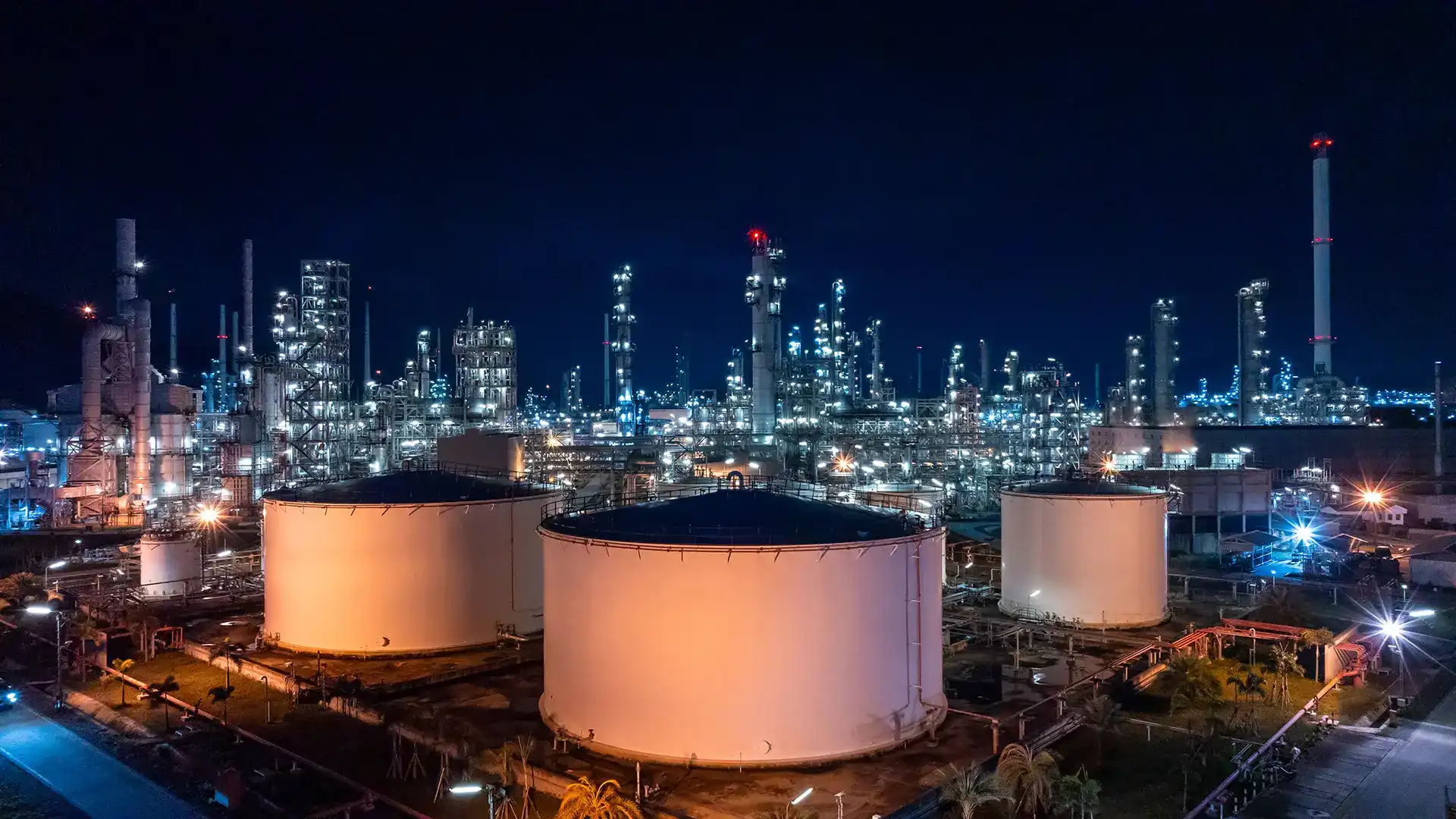
constraints limit how quickly normal operations can resume even after diplomatic success. Iran's Kharg Island terminal handling 90% of Iranian crude exports suffered damage during recent military exchanges. Iran's National Iranian Oil Co. announced intentions to restore production to 3.3 million bpd within one month, but terminal capacity and pipeline infrastructure determine actual loading capabilities. Meanwhile, refineries in Asia have adjusted crude slates to non-Iranian grades over recent months; switching back requires operational changes that take weeks to implement safely. The commercial impact: even successful ceasefire implementation creates gradual supply normalization rather than immediate market transformation.
For observers seeking specific time-bound signals, monitor the Baltic Exchange's VLCC Time Charter Average (TCE) for MEG-Asia routes and the Brent-Dubai spread. If the ceasefire holds and mine clearance progresses, expect VLCC TCE to drop below $35,000/day within 45 days signaling normalized charter market conditions. The Brent-Dubai spread currently around $4-5/barrel should compress toward $1-2/barrel as MEG crude regains Asian market share from Atlantic Basin alternatives. There has been a fragile ceasefire since April 8, with the conflict creating what Gulf states called the worst global energy crisis in decades. Any renewal of hostilities or delays in mine clearance will immediately reverse these trends, pushing VLCC rates above $60,000/day and expanding Brent-Dubai differentials beyond $6/barrel within days.

.jpg)
.jpg)

'%3e%3cg id='Final-Copy-2_2_' transform='translate(1275.000000, 200.000000)'%3e%3cpath class='st0' d='M7.4,12.8h6.8l3.1-11.6H7.4C4.2,1.2,1.6,3.8,1.6,7S4.2,12.8,7.4,12.8z'/%3e%3c/g%3e%3c/g%3e%3c/g%3e%3cg id='final---dec.11-2020'%3e%3cg id='_x30_208-our-toggle' transform='translate(-1275.000000, -200.000000)'%3e%3cg id='Final-Copy-2' transform='translate(1275.000000, 200.000000)'%3e%3cpath class='st1' d='M22.6,0H7.4c-3.9,0-7,3.1-7,7s3.1,7,7,7h15.2c3.9,0,7-3.1,7-7S26.4,0,22.6,0z M1.6,7c0-3.2,2.6-5.8,5.8-5.8 h9.9l-3.1,11.6H7.4C4.2,12.8,1.6,10.2,1.6,7z'/%3e%3cpath id='x' class='st2' d='M24.6,4c0.2,0.2,0.2,0.6,0,0.8l0,0L22.5,7l2.2,2.2c0.2,0.2,0.2,0.6,0,0.8c-0.2,0.2-0.6,0.2-0.8,0 l0,0l-2.2-2.2L19.5,10c-0.2,0.2-0.6,0.2-0.8,0c-0.2-0.2-0.2-0.6,0-0.8l0,0L20.8,7l-2.2-2.2c-0.2-0.2-0.2-0.6,0-0.8 c0.2-0.2,0.6-0.2,0.8,0l0,0l2.2,2.2L23.8,4C24,3.8,24.4,3.8,24.6,4z'/%3e%3cpath id='y' class='st3' d='M12.7,4.1c0.2,0.2,0.3,0.6,0.1,0.8l0,0L8.6,9.8C8.5,9.9,8.4,10,8.3,10c-0.2,0.1-0.5,0.1-0.7-0.1l0,0 L5.4,7.7c-0.2-0.2-0.2-0.6,0-0.8c0.2-0.2,0.6-0.2,0.8,0l0,0L8,8.6l3.8-4.5C12,3.9,12.4,3.9,12.7,4.1z'/%3e%3c/g%3e%3c/g%3e%3c/g%3e%3c/g%3e%3c/svg%3e) Privacy Choices
Privacy Choices