.avif)
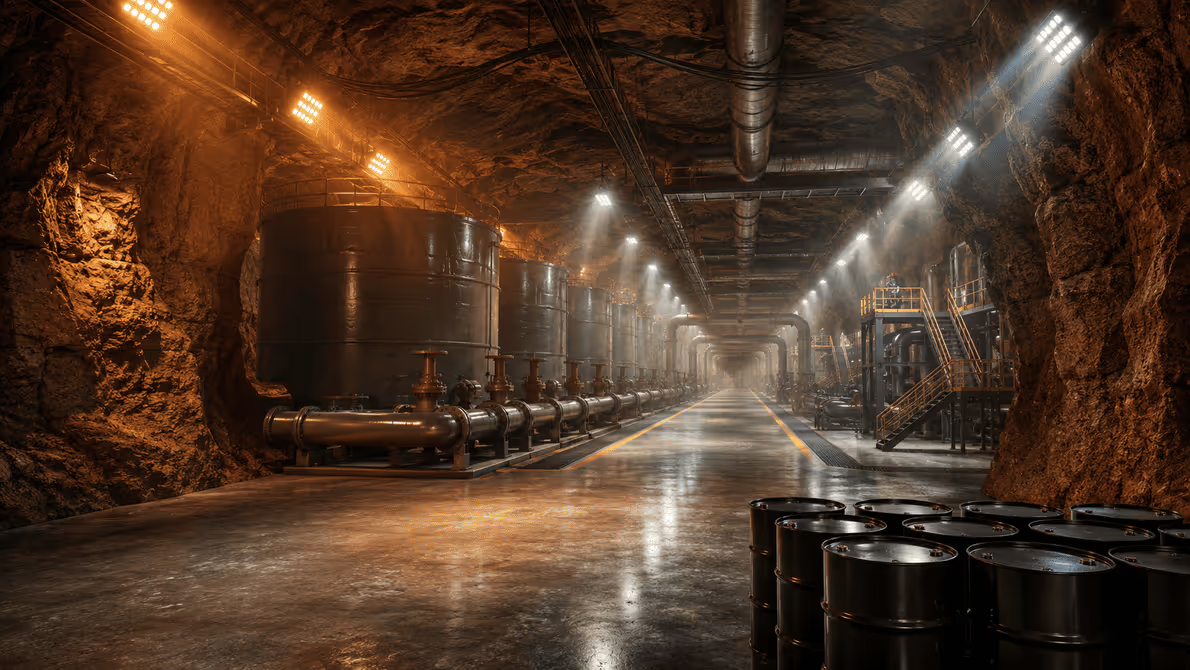
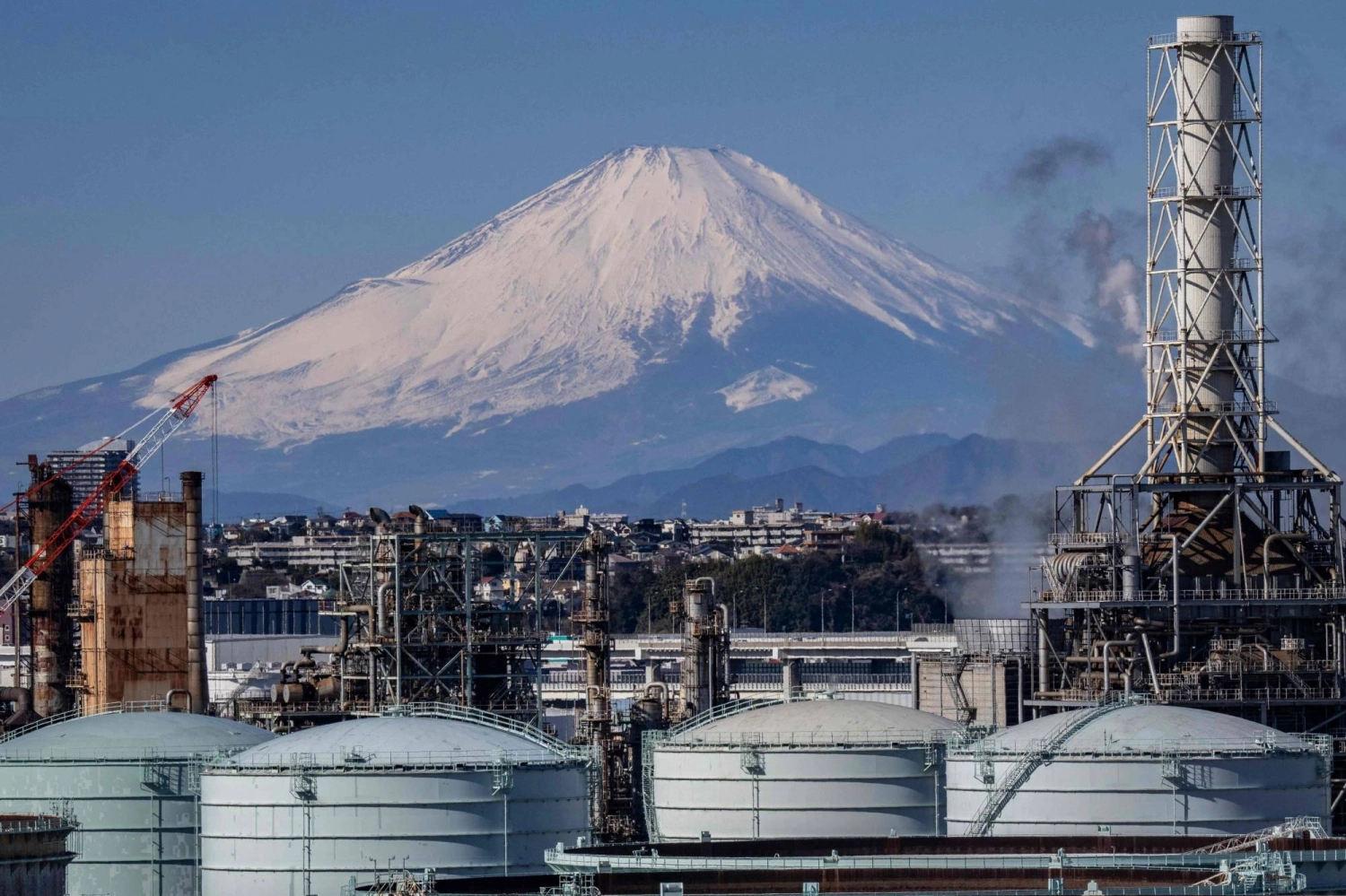
ADNOC will potentially store up to 30 million barrels of crude oil across India's strategic petroleum reserves, a five fold increase from its current 6 million barrel position at Mangalore. The expansion affects margins across Asia's crude storage chain immediately. The proposed expansion adds over 4 million tonnes to India's accessible strategic reserve count, lifting the overall buffer by approximately 70%. For existing storage operators competing for Indian capacity allocation, this represents a direct compression of available space and pricing power.
With crude flows through the Strait of Hormuz down around 4 million barrels per day since March, and the IEA warning the global market could remain materially undersupplied through October even if conflict resolves next month, storage location becomes a margin determinant. The arbitrage is location specific. Brent crude reached $109.26 per barrel on May 15, 2026, up 67% from the same time last year, with the Strait of Hormuz remaining effectively closed. At these prices, every dollar per barrel saved on logistics translates directly to operational margin.
Consider a mid-sized Indian refinery sourcing 30,000 barrels daily through a term supply contract. Under normal Hormuz flows, the delivered cost includes approximately $2-3 per barrel in additional freight and insurance premiums compared to shorter routes. With ADNOC crude stored domestically, that premium disappears entirely delivering a $60,000-90,000 monthly margin improvement for a single operator. At 30 million barrels of ADNOC storage capacity, this creates cumulative logistics savings of $60-90 million annually for Indian refiners accessing stored crude instead of live imports.
The IEA reported that crude and fuel flows through the Strait fell by around 4 million barrels per day in March and April. A strategic petroleum reserve (SPR) government controlled emergency crude stockpiles designed to buffer supply disruptions becomes operationally valuable when normal supply routes face extended interruption. India's approach differs from traditional SPRs: ADNOC maintains the right to re-export crude stored in Indian caverns, transforming the arrangement from a purely strategic gesture into a functioning part of ADNOC's regional logistics and trading infrastructure. This makes Mangalore an operational supply node, not just an emergency buffer.
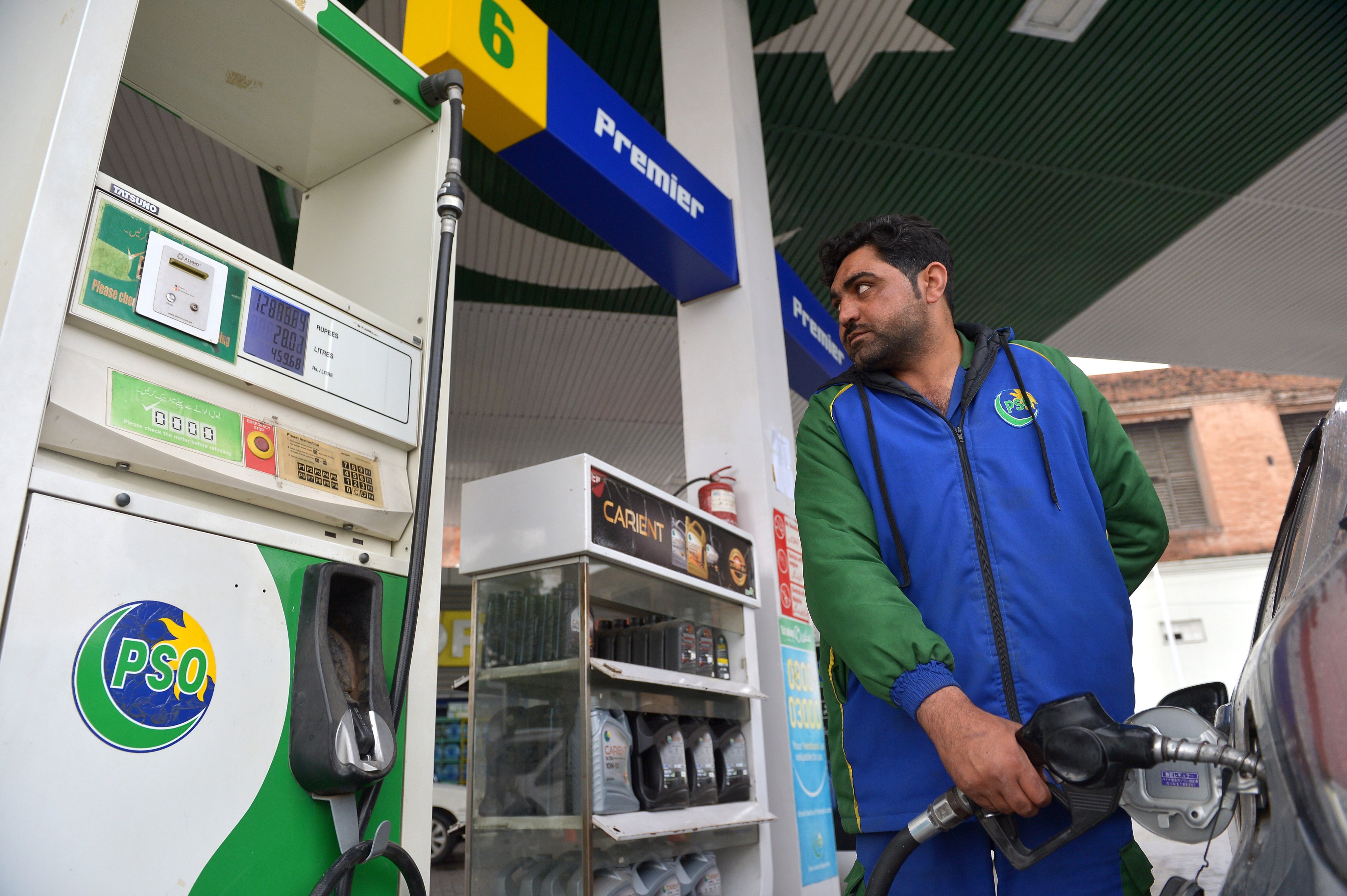
On the buy side: India consumes around 5.5 million barrels of oil daily and sources close to 90% from imports. Indian refiners gain immediate access to 30 million barrels of crude stored domestically, eliminating Hormuz transit risk entirely for that volume. The cost structure shifts: instead of paying spot freight rates that have tripled during regional tensions, refiners access stored crude at fixed storage fees typically $0.50-1.00 per barrel monthly. On the sell side: ADNOC gains storage allocation at Mangalore and potential participation in facilities at Visakhapatnam and Chandikhol in Odisha. This geographic diversification reduces ADNOC's exposure to single-point failures in UAE export infrastructure.
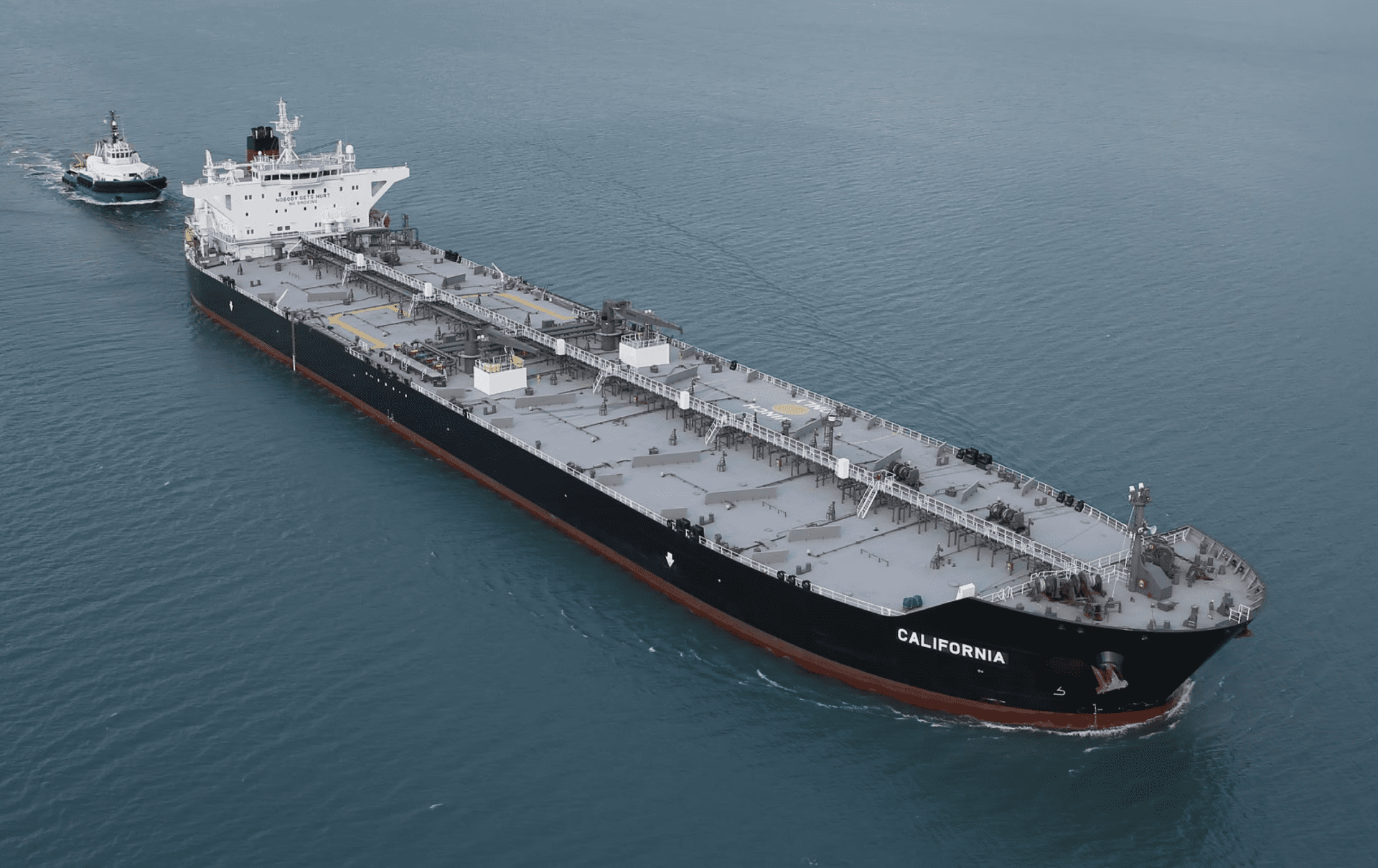
For large integrated traders Vitol, Trafigura, national oil companies with derivatives access the India-UAE storage framework creates optionality value. A trader holding crude storage rights can monetize location spreads: buying crude in the Gulf when spreads are wide, storing in India, and delivering when Asia-Gulf differentials tighten. At current freight rates, a VLCC carrying 2 million barrels from UAE to India costs approximately $14 per metric tonne around $28 million per voyage. Storage eliminates that voyage cost entirely for pre-positioned crude.
For smaller regional operators independent fuel distributors, regional cooperatives, smaller refineries without derivatives hedging the practical equivalent means securing term supply contracts with Indian stored crude pricing rather than live import pricing. This typically provides 5-15% cost stability versus spot market volatility. India's three existing SPR sites at Visakhapatnam, Mangalore, and Padur hold combined capacity of 5.3 million tonnes (approximately 38 million barrels), with Phase II developments at Chandikhol and Padur targeting an additional 6.5 million tonnes under public-private partnerships.
The freight dimension concentrates margin at the vessel operator level differently. The UAE announced plans to double its crude export capacity by building an additional pipeline to Fujairah by 2027, bypassing Hormuz entirely. The existing 406 km pipeline already connects Abu Dhabi oil fields to Fujairah. Crude stored in India reduces demand for UAE-Asia tanker capacity, potentially softening freight rates on that route. However, potential storage of Indian crude reserves in Fujairah creates reverse flow demand Indian crude moving to UAE storage.
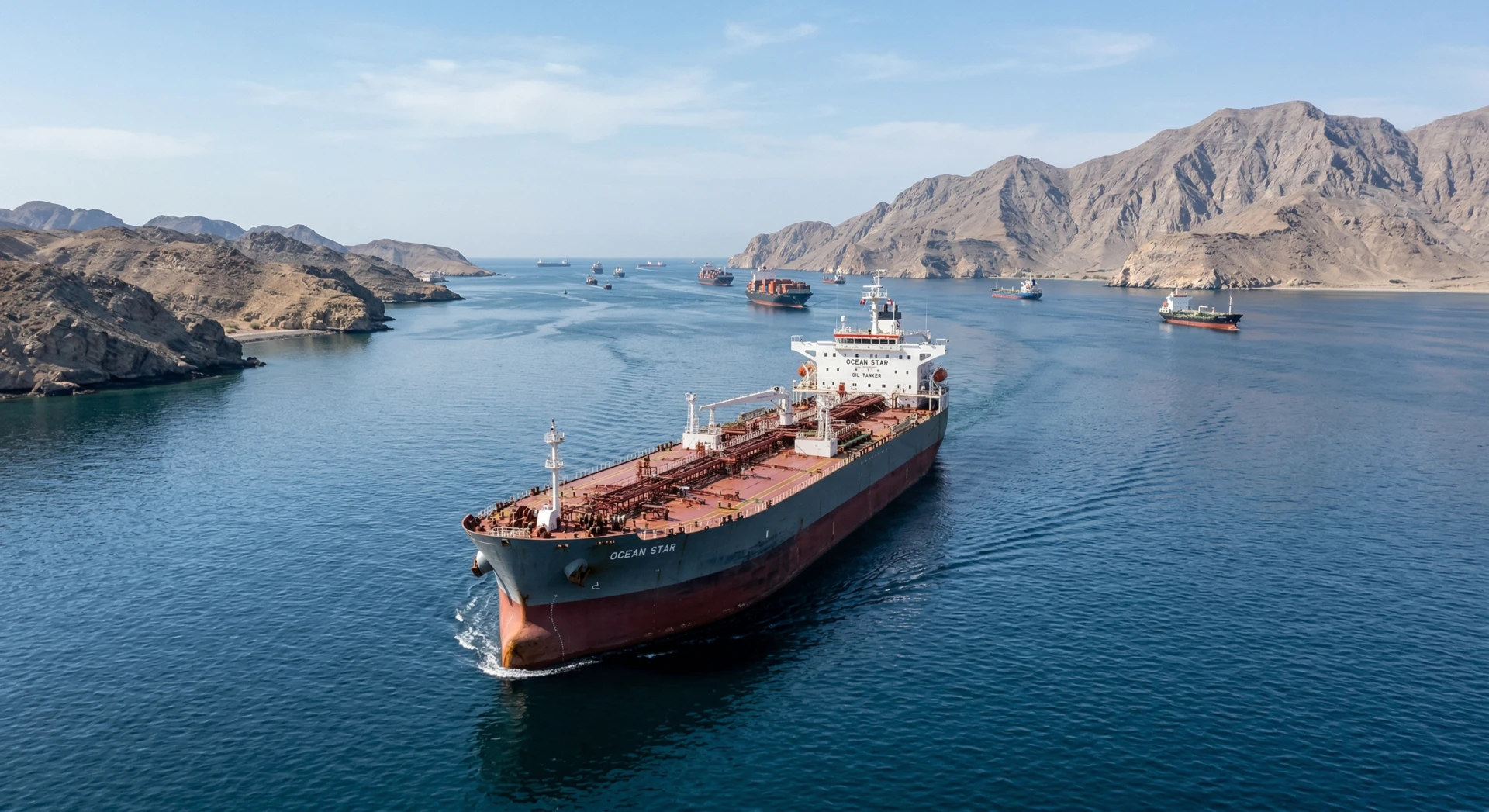
Crude oil from UAE fields loads onto VLCCs at Fujairah avoiding the 33 kilometre wide Strait of Hormuz entirely and arrives 18-22 days later at Indian storage facilities. Under the expanded arrangement, some of that crude remains in underground caverns rather than moving directly to refineries. ADNOC currently holds approximately 5.86 million barrels under a leased storage arrangement at Mangalore, operational since 2018. The physical crude never left ADNOC ownership it was stored, not sold. This distinction matters for emergency access and commercial flexibility.
For observers: Monitor the Dubai-Brent spread through June 2026. The EIA expects Brent prices around $106 per barrel in May and June, dropping to an average of $89 per barrel in Q4 2026 and $79 per barrel in 2027 as Middle East production rises. If Dubai crude (the benchmark for UAE exports) trades at narrower discounts to Brent, it signals that UAE crude stored in India is capturing value that Hormuz transited crude cannot. A Dubai-Brent spread tightening below $2 per barrel indicates that storage location premium is being monetized effectively.
.jpg)

'%3e%3cg id='Final-Copy-2_2_' transform='translate(1275.000000, 200.000000)'%3e%3cpath class='st0' d='M7.4,12.8h6.8l3.1-11.6H7.4C4.2,1.2,1.6,3.8,1.6,7S4.2,12.8,7.4,12.8z'/%3e%3c/g%3e%3c/g%3e%3c/g%3e%3cg id='final---dec.11-2020'%3e%3cg id='_x30_208-our-toggle' transform='translate(-1275.000000, -200.000000)'%3e%3cg id='Final-Copy-2' transform='translate(1275.000000, 200.000000)'%3e%3cpath class='st1' d='M22.6,0H7.4c-3.9,0-7,3.1-7,7s3.1,7,7,7h15.2c3.9,0,7-3.1,7-7S26.4,0,22.6,0z M1.6,7c0-3.2,2.6-5.8,5.8-5.8 h9.9l-3.1,11.6H7.4C4.2,12.8,1.6,10.2,1.6,7z'/%3e%3cpath id='x' class='st2' d='M24.6,4c0.2,0.2,0.2,0.6,0,0.8l0,0L22.5,7l2.2,2.2c0.2,0.2,0.2,0.6,0,0.8c-0.2,0.2-0.6,0.2-0.8,0 l0,0l-2.2-2.2L19.5,10c-0.2,0.2-0.6,0.2-0.8,0c-0.2-0.2-0.2-0.6,0-0.8l0,0L20.8,7l-2.2-2.2c-0.2-0.2-0.2-0.6,0-0.8 c0.2-0.2,0.6-0.2,0.8,0l0,0l2.2,2.2L23.8,4C24,3.8,24.4,3.8,24.6,4z'/%3e%3cpath id='y' class='st3' d='M12.7,4.1c0.2,0.2,0.3,0.6,0.1,0.8l0,0L8.6,9.8C8.5,9.9,8.4,10,8.3,10c-0.2,0.1-0.5,0.1-0.7-0.1l0,0 L5.4,7.7c-0.2-0.2-0.2-0.6,0-0.8c0.2-0.2,0.6-0.2,0.8,0l0,0L8,8.6l3.8-4.5C12,3.9,12.4,3.9,12.7,4.1z'/%3e%3c/g%3e%3c/g%3e%3c/g%3e%3c/g%3e%3c/svg%3e) Privacy Choices
Privacy Choices