.avif)
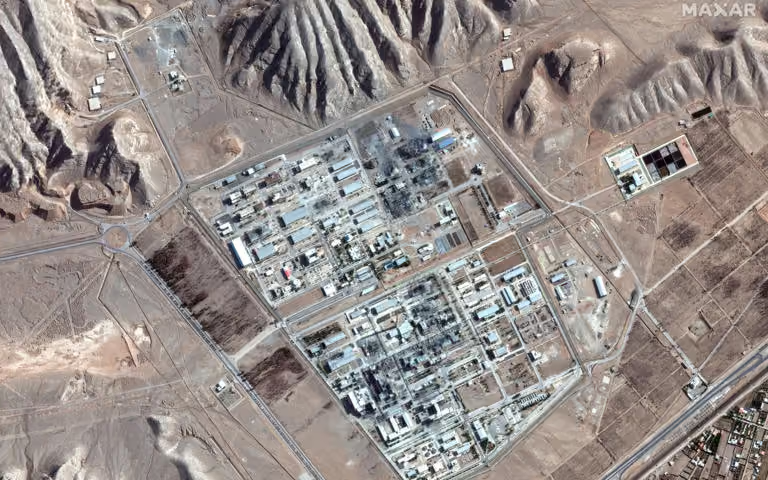
Brent crude approached $97 per barrel this week as Treasury Secretary Scott Bessent's nuclear demands exposed the fundamental impossibility of Iran's position. The US requires Iran to surrender its highly enriched uranium stockpile, abandon nuclear weapons pursuit, and reopen the Strait of Hormuz conditions that essentially ask Tehran to disarm while under maximum economic pressure. For crude traders, this creates a sustained margin environment where Brent tracks seaborne supply risk tied to Hormuz disruption while WTI remains insulated by domestic production. The spread is not closing it is structurally widening.
The uranium demand reveals the disconnect between political requirements and commercial reality. Iran has stockpiled uranium at levels 30 times the JCPOA-permitted amount, enriched to 60% purity one step from weapons-grade with enough material for four nuclear devices if further enriched. This stockpile represents Iran's primary strategic asset. President Trump confirmed Iran would receive no sanctions relief for uranium surrender, creating an impossible equation: give up the deterrent that ensures regime survival in exchange for nothing guaranteed. Iran's logical response is to retain the uranium while seeking revenue through Hormuz control.
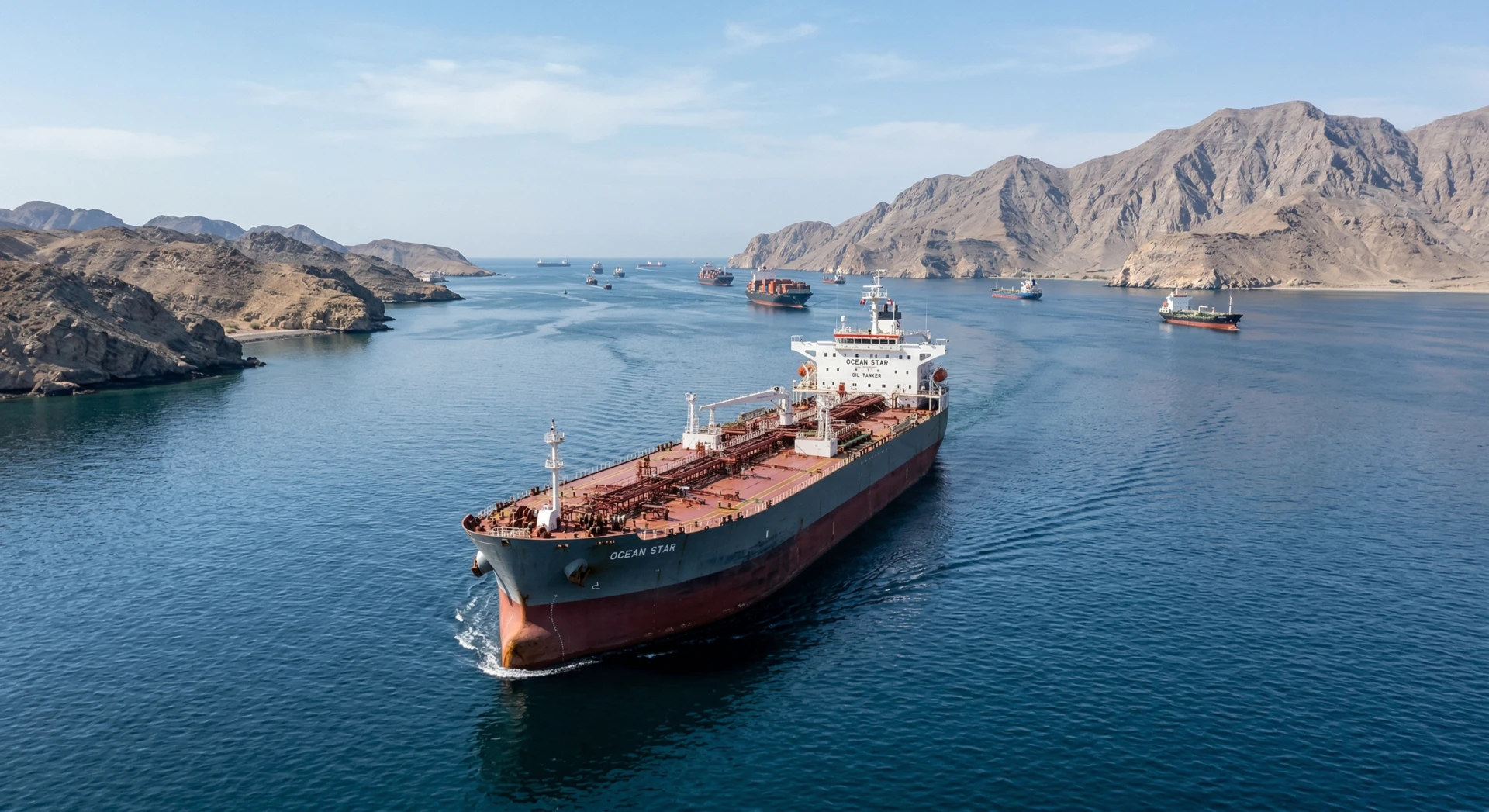
Tehran launched the Persian Gulf Strait Authority (PGSA) an agency to collect transit tolls potentially reaching $2 million per vessel as Economic Fury sanctions strangle oil revenue. US pressure has left Iranian troops unpaid, police absent from work, and Kharg Island operations shut down with the currency in free fall. The PGSA represents Tehran's attempt to monetise its geographic position when oil exports are blocked. Bessent dismissed the authority as a "joke" while imposing sanctions on any entity paying the tolls, but this misses the commercial point: Iran needs immediate revenue from any source available.
The timing mathematics favor continued deadlock. Reports indicate a tentative 60 day ceasefire extension awaiting Trump's approval, but sixty days is insufficient to resolve structural incentive misalignment. Iran calculates that uranium surrender without ironclad survival guarantees equals regime termination. The US cannot credibly provide such guarantees given domestic political constraints requiring Iran to "pay for peace." Neither side has decision-making timeframes that align with the other's survival requirements.
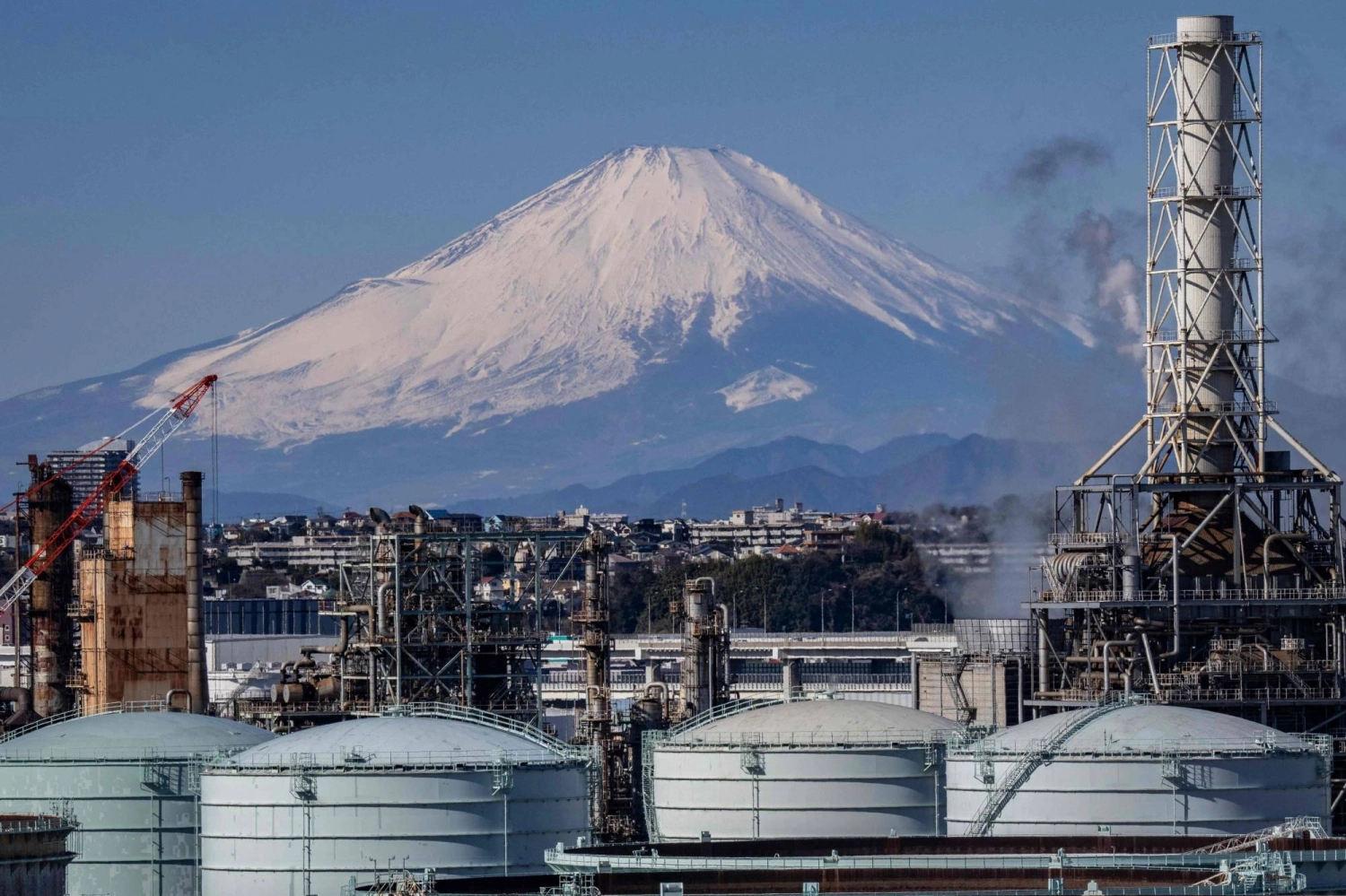
For buyers: Asian refiners continue absorbing $20-30/barrel premiums for non-Gulf crude as Hormuz remains unreliable. Consider a major Japanese refinery requiring 200,000 barrels daily. At current premiums, this adds $4-6 million per day to feedstock costs roughly $120-180 million monthly. These costs flow directly to processing margins, compressing profitability for integrated operators without crude production. The alternative Cape of Good Hope routing from Atlantic Basin suppliers adds 14-21 days transit time, requiring forward inventory planning that many refiners cannot accommodate given working capital constraints.
For sellers: Atlantic Basin crude producers capture windfall premiums as Gulf alternatives remain uncertain. A North Sea Brent cargo delivered to Asia commands $15-25/barrel premiums to historical Gulf equivalents. For a 1 million barrel VLCC cargo, this represents $15-25 million additional revenue per shipment. West African producers enjoy similar premiums, with Nigerian Bonny Light and Angolan Girassol gaining pricing power they haven't exercised since the 1990s Gulf War. These premiums concentrate at the wellhead producers are not sharing windfalls with traders or shippers given uncertain duration.
For large integrated traders: Seaborne crude exposure requires hedging strategies that account for Hormuz-specific risk premiums. Vitol, Trafigura, and trading arms of national oil companies use crude oil futures spreads particularly Brent-Dubai and Brent-WTI to hedge geographic arbitrage exposure. Current spreads favor Atlantic Basin crude by $6-8/barrel over historical norms. Protection costs approximately $0.50-0.75/barrel for three-month coverage through options strategies, reasonable given potential $20+/barrel adverse moves. Position sizing focuses on physical crude with known alternative supply routes rather than Gulf dependent flows.
For regional operators: Smaller fuel importers and distributors lack derivatives access but require protection against supply disruption. Practical equivalents include bilateral supply agreements with Atlantic Basin refiners, accepting higher base costs in exchange for supply certainty. A mid-sized Caribbean fuel importer might switch from Houston sourced gasoline (Gulf crude derived) to European-sourced product, paying $3-5/barrel premiums but avoiding Hormuz exposure entirely. Regional cooperatives diversify supplier bases, typically adding 2-3 alternative sources for each existing Gulf-linked supplier.
The freight dimension concentrates margin at vessel operators rather than cargo owners. Cape routing requirements for Asia-bound crude have created vessel shortages in key size classes. VLCC rates for West Africa to Asia routes currently earn $18-22/metric ton versus $8-12/MT six months ago. For a 2 million barrel cargo, this represents $12-16 million additional freight cost. Vessel operators capture this entire premium cargo owners cannot pass freight increases to end customers given competitive pressures. Tanker operators with long-term charters expiring are repositioning for medium-haul trades rather than renewing at below-market rates.
Financing reveals where the uranium surrender timing mismatch becomes commercially critical. Iran's oil revenue has collapsed from pre-war levels of approximately $60-80 billion annually to current estimates of $15-20 billion under Economic Fury. Tehran requires immediate liquidity to maintain basic state functions. Uranium surrender provides zero short-term revenue while eliminating long-term strategic leverage. Conversely, Hormuz toll collection however internationally illegitimate provides immediate cash flow. Iran's Revolutionary Guard defends the toll system as the only safe transit route through designated corridors, creating de facto revenue generation.
The commercial structure exposes why diplomatic timelines fail. Iran demands uranium stockpile retention within its borders while the US insists on transfer to third countries. This disagreement reflects underlying financing logic: uranium within Iran provides immediate negotiating leverage, while uranium abroad provides none. Analysts suggest reframing nuclear concessions as compensated transactions rather than unilateral disarmament, but US domestic politics prevent upfront payments to Iran regardless of economic logic.
Market structure indicates sustained supply chain disruption regardless of diplomatic progress. Hormuz transit fell 46% last week with "dark transits" ships disabling location broadcasts spiking as security deteriorated. Even under optimistic ceasefire scenarios, commercial shipping requires months to resume normal operations given insurance and crew risk assessments. Lloyd's of London war risk premiums for Gulf transit currently add $1.50-2.00/barrel to cargo costs, levels typically reserved for active conflict zones.
The uranium mathematics expose structural contradictions in US demands. Iran's breakout time time required to produce weapons-grade material reached zero in 2022 with current stockpiles sufficient for four nuclear devices. However, building deliverable warheads requires 1-2 years of additional technological development. Iran's rational strategy maintains breakout capability without weapon construction, preserving negotiating leverage while avoiding military preemption. Uranium surrender eliminates this carefully calibrated position for undefined future benefits.
For observers, the definitive signal remains Brent-Dubai spread behavior. Current spreads of $6-8/barrel above historical norms reflect structural rather than tactical supply disruption. If spreads narrow below $4/barrel, markets expect Hormuz reopening within 60-90 days. If spreads widen beyond $10/barrel, markets price permanent supply chain reconfiguration away from Gulf crude. Despite recent escalation, oil prices remain on track for weekly declines amid expectations both sides could eventually secure agreement but this optimism requires ignoring the fundamental timing mismatch between political demands and economic incentives.
The uranium surrender gambit crystallizes physical commodity trade's core principle: margin follows control of scarce assets during uncertainty periods. Iran controls Hormuz geography and uranium stockpiles the two assets Washington cannot easily substitute or bypass. Tehran's optimal strategy retains both while offering neither, particularly when surrender provides no guaranteed survival benefits. For crude operators, this translates to sustained Atlantic Basin premiums, extended Cape routing requirements, and elevated freight costs until the underlying incentive structure changes a timeline measured in quarters or years, not the sixty day diplomatic windows currently under discussion.

.jpg)
.jpg)

'%3e%3cg id='Final-Copy-2_2_' transform='translate(1275.000000, 200.000000)'%3e%3cpath class='st0' d='M7.4,12.8h6.8l3.1-11.6H7.4C4.2,1.2,1.6,3.8,1.6,7S4.2,12.8,7.4,12.8z'/%3e%3c/g%3e%3c/g%3e%3c/g%3e%3cg id='final---dec.11-2020'%3e%3cg id='_x30_208-our-toggle' transform='translate(-1275.000000, -200.000000)'%3e%3cg id='Final-Copy-2' transform='translate(1275.000000, 200.000000)'%3e%3cpath class='st1' d='M22.6,0H7.4c-3.9,0-7,3.1-7,7s3.1,7,7,7h15.2c3.9,0,7-3.1,7-7S26.4,0,22.6,0z M1.6,7c0-3.2,2.6-5.8,5.8-5.8 h9.9l-3.1,11.6H7.4C4.2,12.8,1.6,10.2,1.6,7z'/%3e%3cpath id='x' class='st2' d='M24.6,4c0.2,0.2,0.2,0.6,0,0.8l0,0L22.5,7l2.2,2.2c0.2,0.2,0.2,0.6,0,0.8c-0.2,0.2-0.6,0.2-0.8,0 l0,0l-2.2-2.2L19.5,10c-0.2,0.2-0.6,0.2-0.8,0c-0.2-0.2-0.2-0.6,0-0.8l0,0L20.8,7l-2.2-2.2c-0.2-0.2-0.2-0.6,0-0.8 c0.2-0.2,0.6-0.2,0.8,0l0,0l2.2,2.2L23.8,4C24,3.8,24.4,3.8,24.6,4z'/%3e%3cpath id='y' class='st3' d='M12.7,4.1c0.2,0.2,0.3,0.6,0.1,0.8l0,0L8.6,9.8C8.5,9.9,8.4,10,8.3,10c-0.2,0.1-0.5,0.1-0.7-0.1l0,0 L5.4,7.7c-0.2-0.2-0.2-0.6,0-0.8c0.2-0.2,0.6-0.2,0.8,0l0,0L8,8.6l3.8-4.5C12,3.9,12.4,3.9,12.7,4.1z'/%3e%3c/g%3e%3c/g%3e%3c/g%3e%3c/g%3e%3c/svg%3e) Privacy Choices
Privacy Choices