.avif)
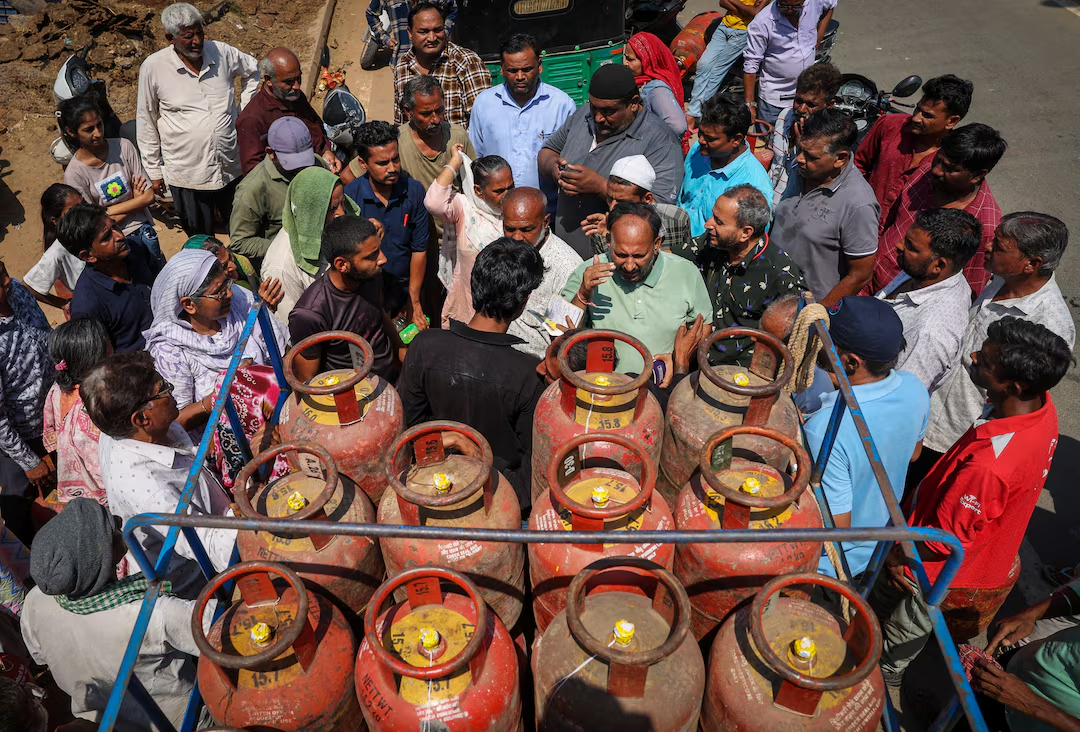
India's government amended the Liquefied Petroleum Gas (Regulation of Supply and Distribution) Order on May 25, 2026, introducing a 30 day termination window and transfer voucher system for consumers switching between LPG and piped natural gas (PNG) connections. For LPG distributors, this regulatory shift arrives at the worst possible moment 68% of households are experiencing delivery delays, up from 57% the previous week, forcing 20% of consumers to black market sources paying Rs 300-4,000 premiums over official rates. Under the amended rules, consumers who obtain PNG connections can either terminate their LPG subscription within 30 days or secure a transfer voucher enabling future restoration of LPG service when relocating to areas without PNG infrastructure. The arithmetic is stark: each customer defection to PNG represents immediate revenue loss for distributors already struggling with supply chain bottlenecks.
The transfer voucher mechanism a bureaucratic instrument allowing consumers to restore LPG connections after relocating fundamentally alters the customer acquisition cost structure. Consumers who obtain PNG connections can apply for LPG termination within 30 days or choose a transfer voucher for future restoration in non-PNG areas. For distributors, this creates a new category of dormant customers who retain claim rights but generate zero revenue. Consider a mid-sized LPG distributor serving 50,000 customers in a tier 2 city where PNG rollout is accelerating. If 20% of customers 10,000 households opt for transfer vouchers rather than permanent termination, the distributor must maintain administrative infrastructure and customer records without collecting monthly cylinder fees averaging Rs 800-1,000 per household. That dormant customer base costs roughly Rs 8-10 million in monthly revenue while requiring ongoing compliance and record-keeping expenses.
On the buy side, the government has prioritized commercial LPG for essential sectors including hospitals, educational institutions, and manufacturing while prohibiting households with PNG connections from keeping domestic LPG cylinders. This segmentation creates a two-tier market where commercial buyers face supply certainty at premium pricing while domestic customers navigate allocation rationing. For institutional buyers hospitals, hotels, large educational complexes commercial LPG pricing has risen 15-25% above domestic rates as distributors redirect available supply toward higher-margin segments. A large hospital complex consuming 200 cylinders monthly now pays approximately Rs 200,000-250,000 versus Rs 160,000-180,000 six months ago, absorbing the additional Rs 40,000-70,000 monthly as an operational necessity rather than discretionary cost.
On the sell side, distributors face margin compression from multiple directions. India's LPG market relies heavily on imports to meet consumption demand beyond domestic production capacity. Import dependency means distributor margins fluctuate with global LPG pricing, shipping costs, and currency movements all currently elevated due to Middle East tensions. Simultaneously, delivery cost increases from supply chain bottlenecks erode per-cylinder profitability. A regional distributor operating across 5-6 districts typically earns Rs 25-40 per cylinder after accounting for transportation, handling, and administrative costs. When delivery delays force weekend and emergency delivery schedules, overtime labor costs can add Rs 15-20 per cylinder, eliminating 40-50% of operational margin. The regulatory switch flexibility adds customer churn uncertainty without offsetting revenue protection.
For large integrated oil marketing companies (IOC, HPCL, BPCL) with diversified PNG and LPG portfolios, the switching mechanism represents portfolio rebalancing opportunity rather than pure revenue loss. These companies operate both LPG distribution networks and PNG supply infrastructure through city gas distribution (CGD) ventures. JKM LNG prices rose to mid-USD 18s/MMBtu by mid-May 2026, driven by supply concerns from technical issues at Freeport LNG and potential strikes at Ichthys LNG. Higher LNG input costs for PNG operations reduce the margin differential between LPG and PNG supply to end customers. When a household switches from LPG to PNG within the same company's network, the revenue stream shifts from cylinder-based transactions to monthly pipeline billing, typically generating 10-15% higher annual revenue per customer due to PNG's convenience premium and consistent usage patterns.
For smaller regional LPG distributors without PNG operations independent agents, cooperative societies, rural distribution networks customer migration to PNG represents permanent revenue erosion without substitution opportunity. These operators lack the capital and regulatory permissions to enter PNG distribution, making them purely dependent on LPG cylinder sales volume. Henry Hub natural gas prices ended around USD 2.8/MMBtu in early May 2026 after moving between USD 2.7-2.9/MMBtu due to declining production and weak shoulder season demand. The USD 15-16/MMBtu differential between Asian LNG pricing and US domestic gas highlights the cost structure disadvantage facing LNG-dependent markets like India. Regional distributors cannot hedge against these input cost fluctuations, making them price-takers in both procurement and retail pricing, with customer switching rules adding demand volatility to their existing margin pressures.
PNG infrastructure deployment remains concentrated in major urban centers and industrial corridors, creating geographic arbitrage between areas with switching options and LPG-dependent regions. The amendment particularly benefits transferable employees, migrant families, students, and households relocating between regions with varying gas infrastructure availability. Cities like Delhi, Mumbai, Pune, and Ahmedabad have extensive PNG networks enabling customer choice, while tier 3 cities and rural areas depend entirely on LPG cylinder delivery. This geographic split means distributors in PNG enabled cities face immediate customer switching pressure, while rural distributors maintain captive customer bases but absorb higher transportation and logistics costs for serving dispersed populations. The transfer voucher system amplifies this disparity by enabling customers to retain LPG access rights even when temporarily residing in PNG serviced areas.
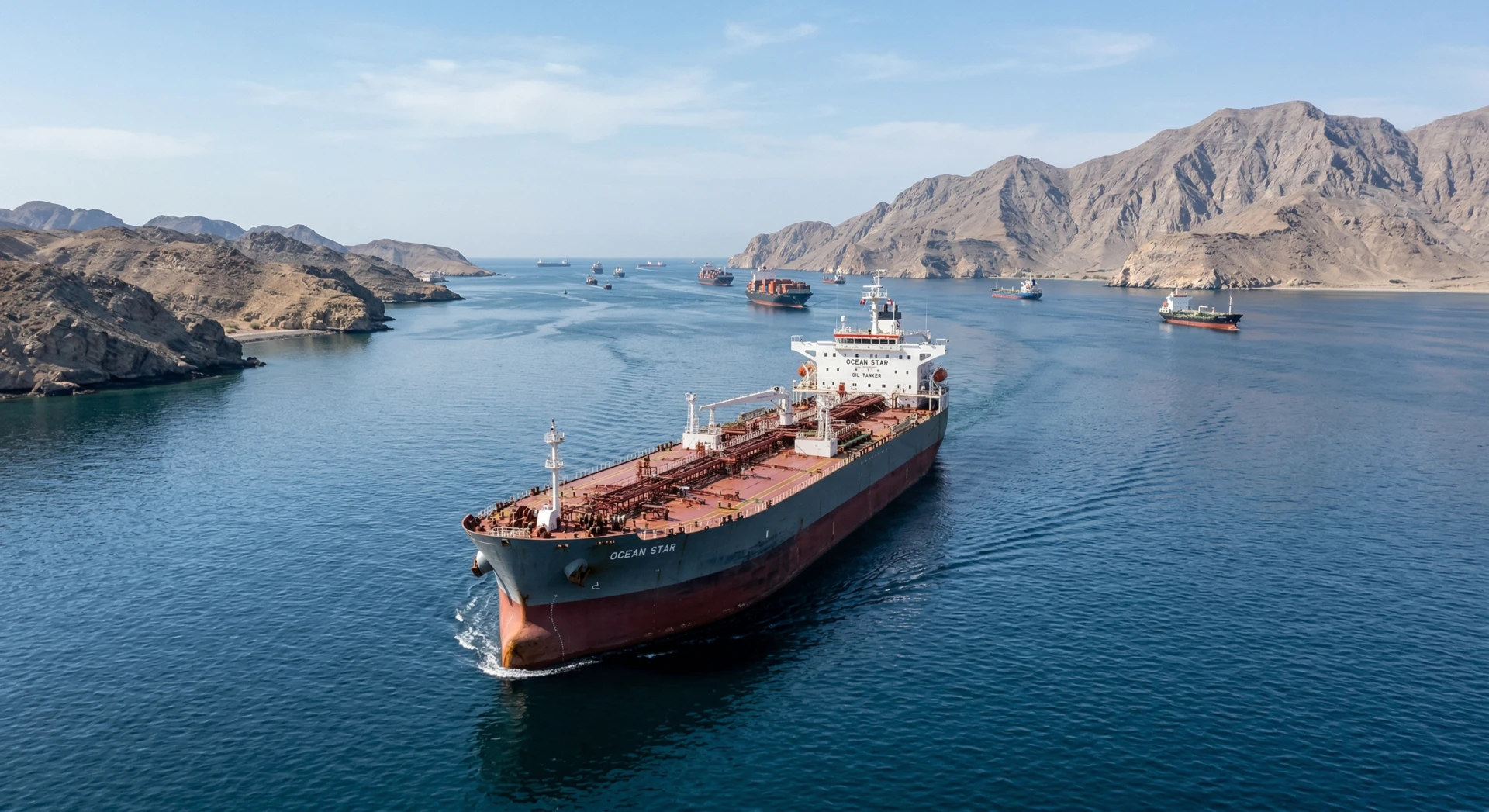
For procurement professionals monitoring fuel supply chain stability, practical planning during LPG shortage periods requires early booking instead of waiting until cylinders are nearly empty, maintaining booking confirmations, and avoiding panic-buying through unofficial channels. The current supply-demand mismatch reflects structural import dependency rather than temporary disruption. India imports 40-45% of LPG consumption requirements, predominantly from Middle East suppliers whose export capacity faces ongoing geopolitical risk. Commercial buyers should secure 60-90 day forward contracts where available and diversify between LPG and alternative cooking fuels (PNG connections, induction systems, or ethanol-based alternatives) to reduce single-fuel dependency. Consumers can track LPG pricing trends through Indian Oil's official website and city gas distribution company portals for PNG availability assessments in their operational areas.
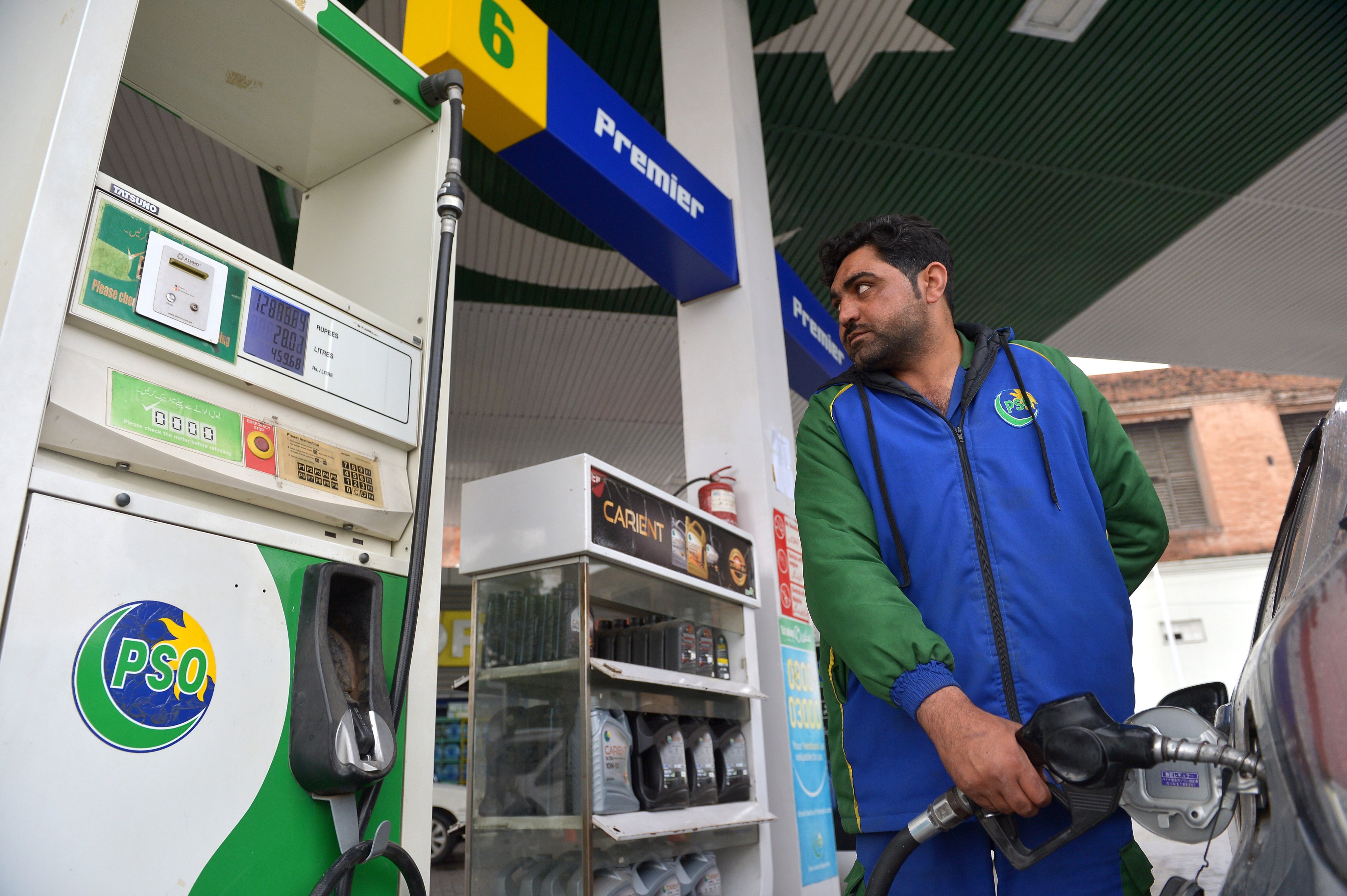
Observers should monitor PNG connection rollout data published monthly by the Ministry of Petroleum and Natural Gas, which typically reports new connections, infrastructure investments, and geographic coverage expansion 6-8 weeks after month-end. While authorities ensure 100% supply to domestic PNG and CNG consumers, gas supply to commercial and industrial users has been regulated at around 80% to manage overall demand. This allocation priority signals that supply constraints will likely persist through Q3 2026, making the PNG switching mechanism a demand management tool rather than supply enhancement measure. The transfer voucher system doesn't create additional fuel supply it redistributes existing demand between fuel types and consumer segments. When 7.99 lakh PNG connections come online over 3-4 months, as recent government data indicates, the corresponding LPG demand reduction provides temporary relief for remaining LPG customers while shifting pressure to PNG supply chains and LNG import requirements.



'%3e%3cg id='Final-Copy-2_2_' transform='translate(1275.000000, 200.000000)'%3e%3cpath class='st0' d='M7.4,12.8h6.8l3.1-11.6H7.4C4.2,1.2,1.6,3.8,1.6,7S4.2,12.8,7.4,12.8z'/%3e%3c/g%3e%3c/g%3e%3c/g%3e%3cg id='final---dec.11-2020'%3e%3cg id='_x30_208-our-toggle' transform='translate(-1275.000000, -200.000000)'%3e%3cg id='Final-Copy-2' transform='translate(1275.000000, 200.000000)'%3e%3cpath class='st1' d='M22.6,0H7.4c-3.9,0-7,3.1-7,7s3.1,7,7,7h15.2c3.9,0,7-3.1,7-7S26.4,0,22.6,0z M1.6,7c0-3.2,2.6-5.8,5.8-5.8 h9.9l-3.1,11.6H7.4C4.2,12.8,1.6,10.2,1.6,7z'/%3e%3cpath id='x' class='st2' d='M24.6,4c0.2,0.2,0.2,0.6,0,0.8l0,0L22.5,7l2.2,2.2c0.2,0.2,0.2,0.6,0,0.8c-0.2,0.2-0.6,0.2-0.8,0 l0,0l-2.2-2.2L19.5,10c-0.2,0.2-0.6,0.2-0.8,0c-0.2-0.2-0.2-0.6,0-0.8l0,0L20.8,7l-2.2-2.2c-0.2-0.2-0.2-0.6,0-0.8 c0.2-0.2,0.6-0.2,0.8,0l0,0l2.2,2.2L23.8,4C24,3.8,24.4,3.8,24.6,4z'/%3e%3cpath id='y' class='st3' d='M12.7,4.1c0.2,0.2,0.3,0.6,0.1,0.8l0,0L8.6,9.8C8.5,9.9,8.4,10,8.3,10c-0.2,0.1-0.5,0.1-0.7-0.1l0,0 L5.4,7.7c-0.2-0.2-0.2-0.6,0-0.8c0.2-0.2,0.6-0.2,0.8,0l0,0L8,8.6l3.8-4.5C12,3.9,12.4,3.9,12.7,4.1z'/%3e%3c/g%3e%3c/g%3e%3c/g%3e%3c/g%3e%3c/svg%3e) Privacy Choices
Privacy Choices