.avif)
.jpg)
South Korea's container freight operators are capturing a structural demand surge on Korea Southeast Asia lanes starting now, as $25.5 billion in semiconductor shipments in just twenty days generates premium spot rate conditions across routes to Singapore, Taiwan, Hong Kong, and Malaysia with implications for vessel allocation, contract renegotiation, and load factor economics that will persist well beyond June.
The headline figure requires one immediate correction before it can be used commercially. Korea Customs Service data for June 1–20 shows total exports of approximately $62 billion, up 60.4% year on year. That number is partially a calendar artefact: this year's measurement window contained 15 working days versus 14 a year earlier. Adjusting for that additional day, the Korea Customs Service itself reports daily exports of $4.13 billion a 49.7% daily gain, not 60.4%. The underlying volume surge is still exceptional. But any freight capacity model or spot rate extrapolation built on the raw 60.4% headline will overstate sustained demand by roughly 8–10 percentage points. Use $4.13 billion per working day as the operative demand signal.
The freight geometry of this surge is not uniform across trade lanes, and that asymmetry is where margin concentrates. Semiconductor export growth is not flowing to the United States or Europe in a straight line it is concentrating at transit hubs in Asia. Exports to Taiwan grew 103.6%, to Hong Kong 132.8%, to Singapore 156.5%, and to Malaysia 140.5%. These are not end-consumption markets; they are nodes in the global AI hardware supply chain where chips are tested, packaged, integrated into boards, and re-exported. What this means physically: the high-volume, high-value freight movement is on short to medium haul container lanes the Korea–Singapore corridor runs roughly 4,800 nautical miles, serviced by feeder vessels and mid-size container ships rather than on the long-haul transpacific routes where capacity is already committed through annual service contracts. Spot rates on Korea Southeast Asia lanes are, according to enrichment data, running approximately 15–25% above baseline, and the transit hub concentration explains why.
To make this concrete: consider a mid-sized container operator running a dedicated Korea Singapore weekly service with a 4,000 TEU vessel a TEU, or twenty foot equivalent unit, is the standard measurement for container ship capacity. At baseline spot rates, a fully loaded voyage earns approximately $3.2–3.6 million in freight revenue. At a 20% spot rate premium the midpoint of current conditions the same voyage earns $3.84–4.32 million. That is an additional $640,000–720,000 per voyage accruing directly to the carrier. Run that service 52 times per year and the annual revenue uplift from one route alone reaches $33–37 million. This is not a rounding error; it is the operating margin story of the quarter. For carriers with multiple Korea Southeast Asia services, the compounding effect is material.
The buy side and sell side of this freight market are experiencing the surge very differently. On the buy side electronics manufacturers, semiconductor distributors, and contract electronics assemblers in Singapore, Malaysia, and Taiwan who need to move components quickly premium spot rates are being absorbed because the underlying product margins on AI memory chips are high enough to accommodate them. A $200–300/TEU freight premium on a container of high-bandwidth memory chips worth $8–12 million is commercially invisible. Procurement teams at these buyers are not resisting current rates; they are prioritising booking certainty over price. On the sell side Korean exporters of lower-margin goods, including steel products (up 12.9%) and petroleum products the freight premium story is less comfortable. A container of steel coil or a refined product parcel operates on margins measured in single-digit dollars per tonne. When spot rates spike 20% on premium cargo competition for vessel space, the lower-margin exporter either accepts higher freight costs or loses booking priority to chip shippers. The structural lesson: when one commodity class dominates a trade lane at extreme volume, it reprices freight for every other commodity on that route.
Operator scale determines how well you can navigate this dynamic. For a large integrated container carrier a Maersk, a MSC, or HMM (Hyundai Merchant Marine), which has particular structural interest here given its Korean home-market position the toolkit includes dynamic slot allocation, fuel hedging through bunker adjustment factors (fuel surcharges built into contract terms), and the ability to renegotiate spot rate terms on short-cycle contracts. A carrier of this scale can also redeploy capacity from underperforming routes: auto parts exports from Korea fell 9.5% year on year, a decline that erodes load factors on Roll-on/Roll-off vessels RoRo ships, purpose built to carry wheeled cargo serving Korea–North America and Korea–Europe lanes. The intelligent move for large operators is to reallocate displaced capacity toward Southeast Asia feeder services. For a smaller regional operator a Korean freight forwarder managing bookings for mid-tier industrial exporters, or a Southeast Asian container line without Korea mainline access fixing forward booking terms bilaterally with shippers for the next 60–90 days, before any June total export figures solidify market expectations, is the most accessible hedge against further rate appreciation.
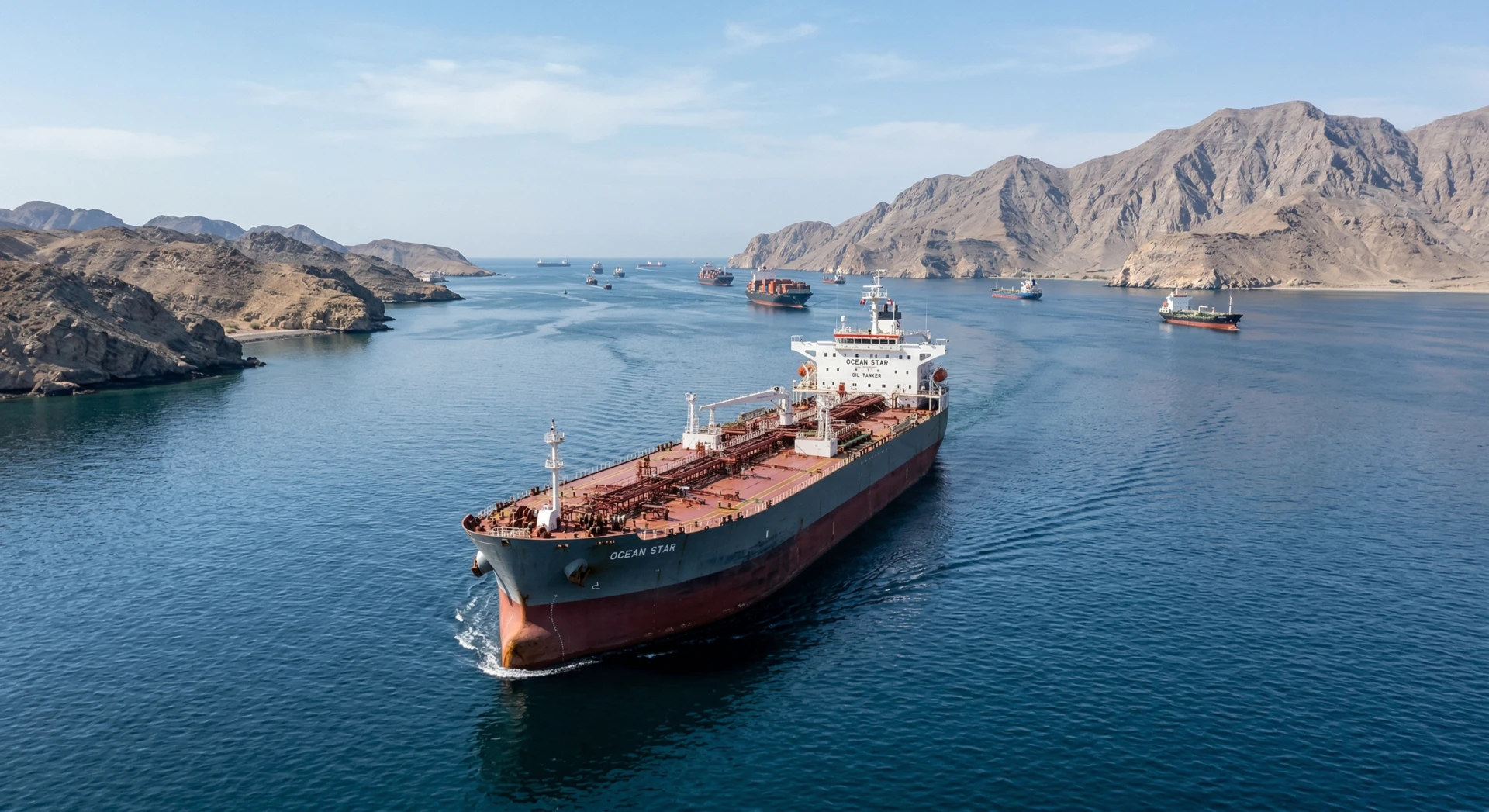
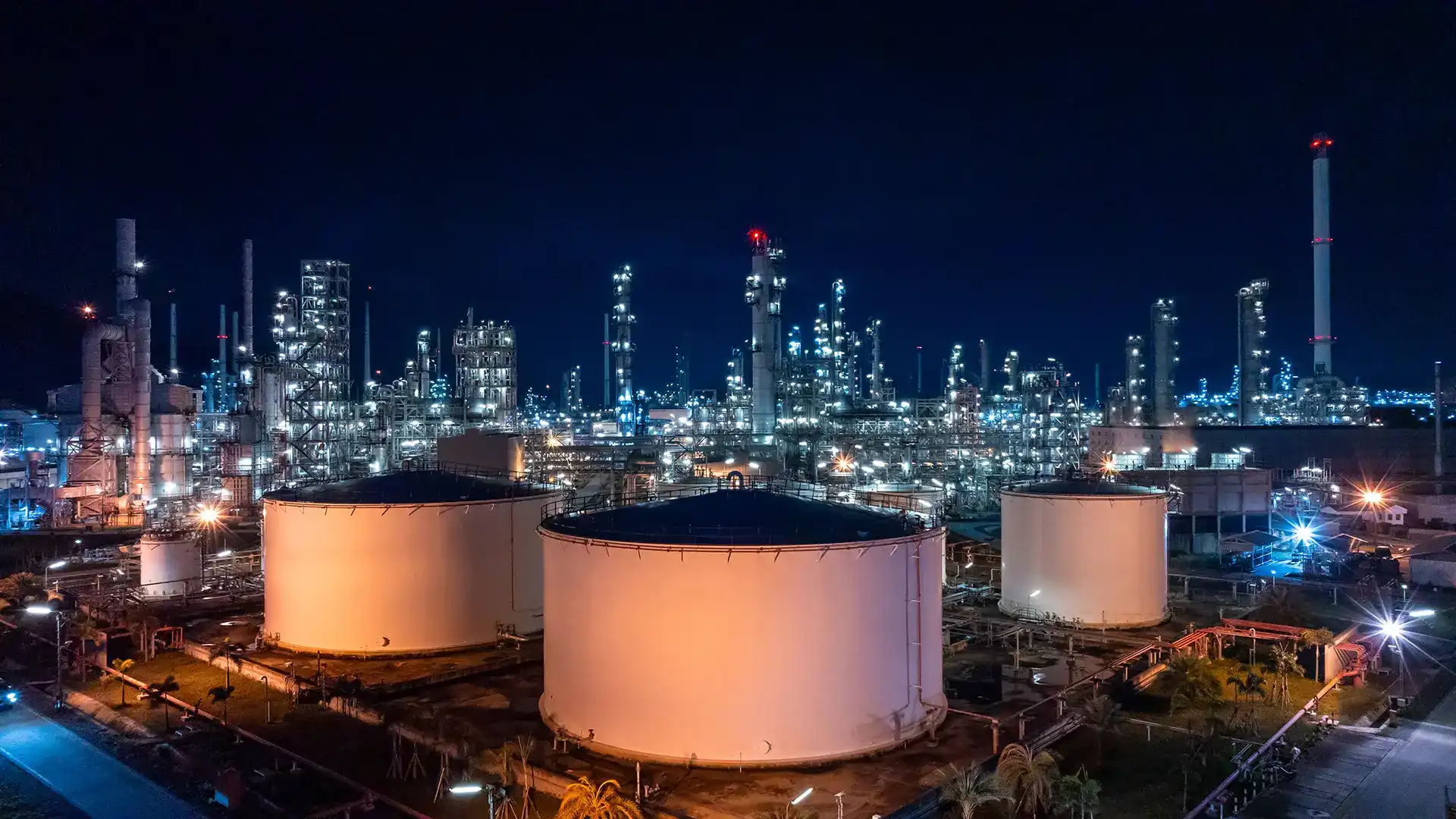
One clean arbitrage signal sits adjacent to this semiconductor story and should not be overlooked. Korean petroleum product exports also climbed in the June 1–20 period, and refinery export margins into Southeast Asian deficit markets particularly Vietnam and the Philippines appear open on MR tanker routes. An MR tanker (medium range, typically 25,000–55,000 dead weight tonnes) carrying 37,000 tonnes of diesel or naphtha from a Korean refinery to Ho Chi Minh City or Manila represents a distinct freight opportunity for tanker operators that runs parallel to the container story. For observers tracking whether this export wave has structural legs: monitor Korea Customs Service's full month June release, expected in early July, against the $90 billion total monthly exports threshold a figure that has never been crossed. If June clears $90 billion, it will confirm that South Korea's export machine has shifted to a structurally higher operating level, validating premium freight rate conditions on Korea–Asia lanes well into Q3 2026.
.jpg)
.jpg)

'%3e%3cg id='Final-Copy-2_2_' transform='translate(1275.000000, 200.000000)'%3e%3cpath class='st0' d='M7.4,12.8h6.8l3.1-11.6H7.4C4.2,1.2,1.6,3.8,1.6,7S4.2,12.8,7.4,12.8z'/%3e%3c/g%3e%3c/g%3e%3c/g%3e%3cg id='final---dec.11-2020'%3e%3cg id='_x30_208-our-toggle' transform='translate(-1275.000000, -200.000000)'%3e%3cg id='Final-Copy-2' transform='translate(1275.000000, 200.000000)'%3e%3cpath class='st1' d='M22.6,0H7.4c-3.9,0-7,3.1-7,7s3.1,7,7,7h15.2c3.9,0,7-3.1,7-7S26.4,0,22.6,0z M1.6,7c0-3.2,2.6-5.8,5.8-5.8 h9.9l-3.1,11.6H7.4C4.2,12.8,1.6,10.2,1.6,7z'/%3e%3cpath id='x' class='st2' d='M24.6,4c0.2,0.2,0.2,0.6,0,0.8l0,0L22.5,7l2.2,2.2c0.2,0.2,0.2,0.6,0,0.8c-0.2,0.2-0.6,0.2-0.8,0 l0,0l-2.2-2.2L19.5,10c-0.2,0.2-0.6,0.2-0.8,0c-0.2-0.2-0.2-0.6,0-0.8l0,0L20.8,7l-2.2-2.2c-0.2-0.2-0.2-0.6,0-0.8 c0.2-0.2,0.6-0.2,0.8,0l0,0l2.2,2.2L23.8,4C24,3.8,24.4,3.8,24.6,4z'/%3e%3cpath id='y' class='st3' d='M12.7,4.1c0.2,0.2,0.3,0.6,0.1,0.8l0,0L8.6,9.8C8.5,9.9,8.4,10,8.3,10c-0.2,0.1-0.5,0.1-0.7-0.1l0,0 L5.4,7.7c-0.2-0.2-0.2-0.6,0-0.8c0.2-0.2,0.6-0.2,0.8,0l0,0L8,8.6l3.8-4.5C12,3.9,12.4,3.9,12.7,4.1z'/%3e%3c/g%3e%3c/g%3e%3c/g%3e%3c/g%3e%3c/svg%3e) Privacy Choices
Privacy Choices