.avif)
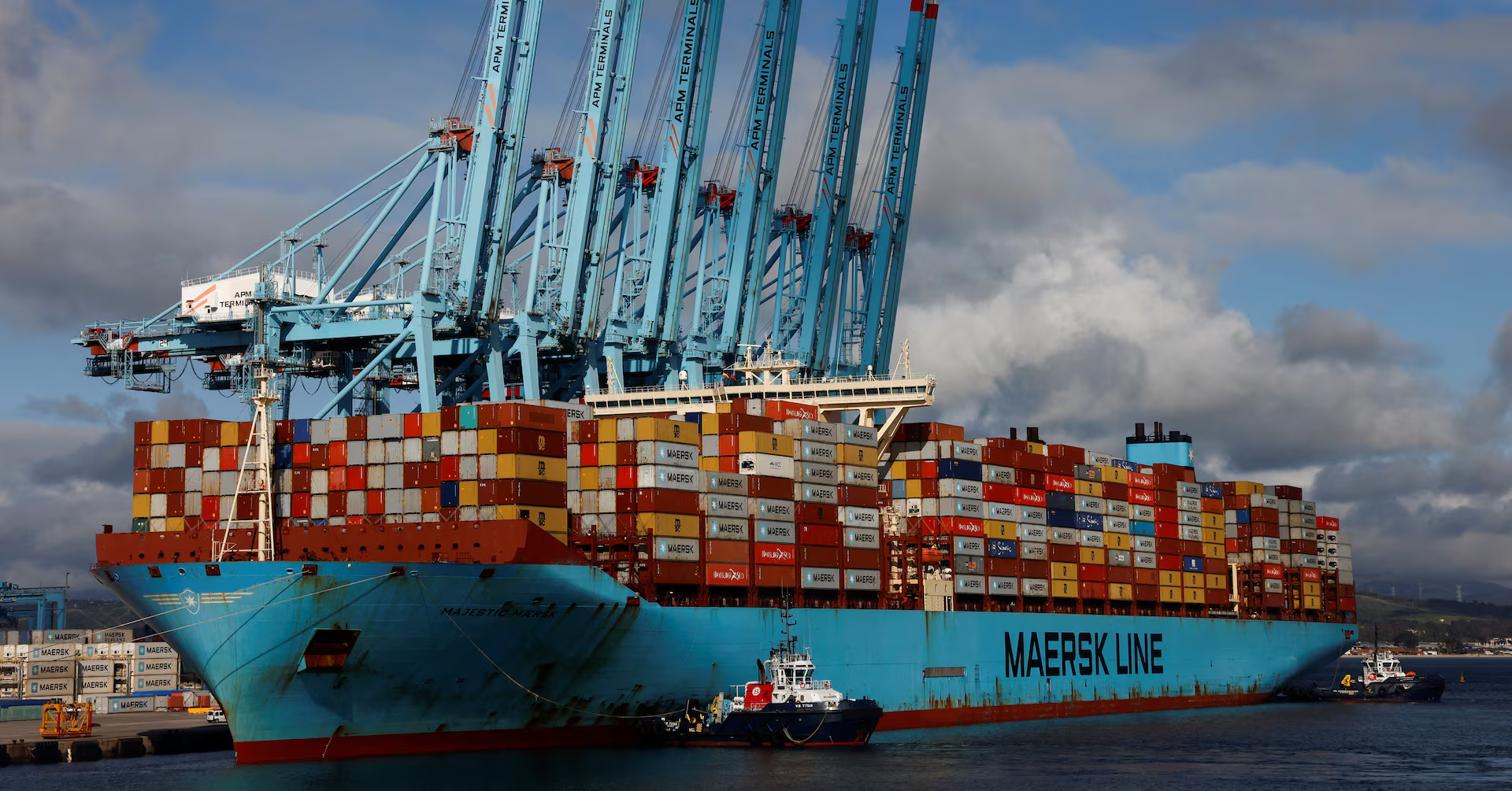
Shipowners face immediate compliance cost arbitrage as ABS positions efficiency credits as a regulatory bridge between current operations and alternative fuel mandates. The classification society's proposal for energy efficiency credit systems within the IMO's Net Zero Framework a pricing mechanism charging ships $100-$380 per tonne CO2 equivalent for emissions above fuel intensity thresholds creates a regulatory detour that could add years to fossil fuel consumption in shipping, allowing older vessels to avoid alternative fuel investments while gaming efficiency metrics.
A letter of credit (LC) a bank guarantee that payment will be made once shipping documents are presented will not protect operators from IMO's two-tier compliance structure. The attained annual GFI of a ship is calculated as the weighted average emission intensity of the energy consumed over the course of a year. Ships will compare this value against the Tier 1 and Tier 2 target GFIs to determine the compliance balance. If the attained GFI exceeds the Tier 2 target, the ship has a compliance deficit. Consider a mid-sized container operator running a 14,000 TEU vessel on very low sulphur fuel oil (VLSFO). At current consumption rates of approximately 250 tonnes per day and operating 300 days annually, that vessel burns 75,000 tonnes of VLSFO. Under ABS's efficiency credit proposal, retrofitting air lubrication systems or wind-assisted propulsion could reduce consumption by 15-20%, saving roughly 11,250-15,000 tonnes annually. But those efficiency gains delay the $50-75 million investment required to convert to methanol dual-fuel capability extending fossil fuel dependency through 2035 and beyond.
On the buy side: Large integrated shipping lines (Maersk, MSC, CMA-CGM) with access to derivatives markets can hedge fuel price volatility through bunker swaps and forward contracts, protecting margins while gradually building alternative fuel infrastructure. Their scale allows blending efficiency retrofits with selective alternative fuel investments across diversified fleets. For smaller regional operators independent feeder lines, regional cargo specialists, coastal tanker operators without derivatives access, ABS's efficiency credit pathway offers immediate regulatory compliance through practical retrofits: hull optimization, waste heat recovery systems, or voyage planning software upgrades costing $2-8 million versus $50-100 million for alternative fuel conversion. For vessel efficiency technology providers: Expanded regulatory demand through ABS's framework creates a $15-25 billion market for retrofit technologies, from air lubrication systems to AI-powered route optimization, as shipowners pursue the least cost compliance pathway.
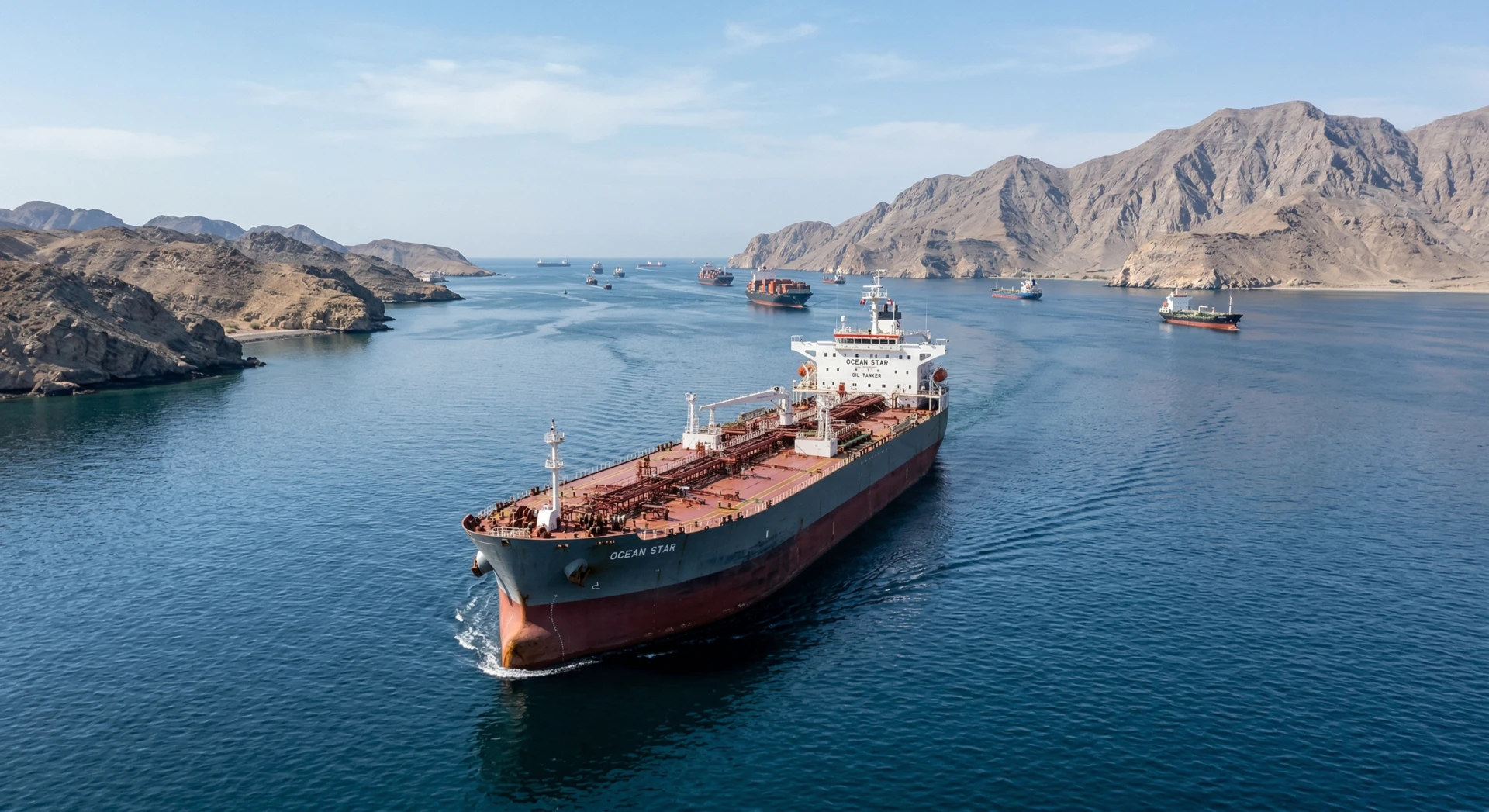
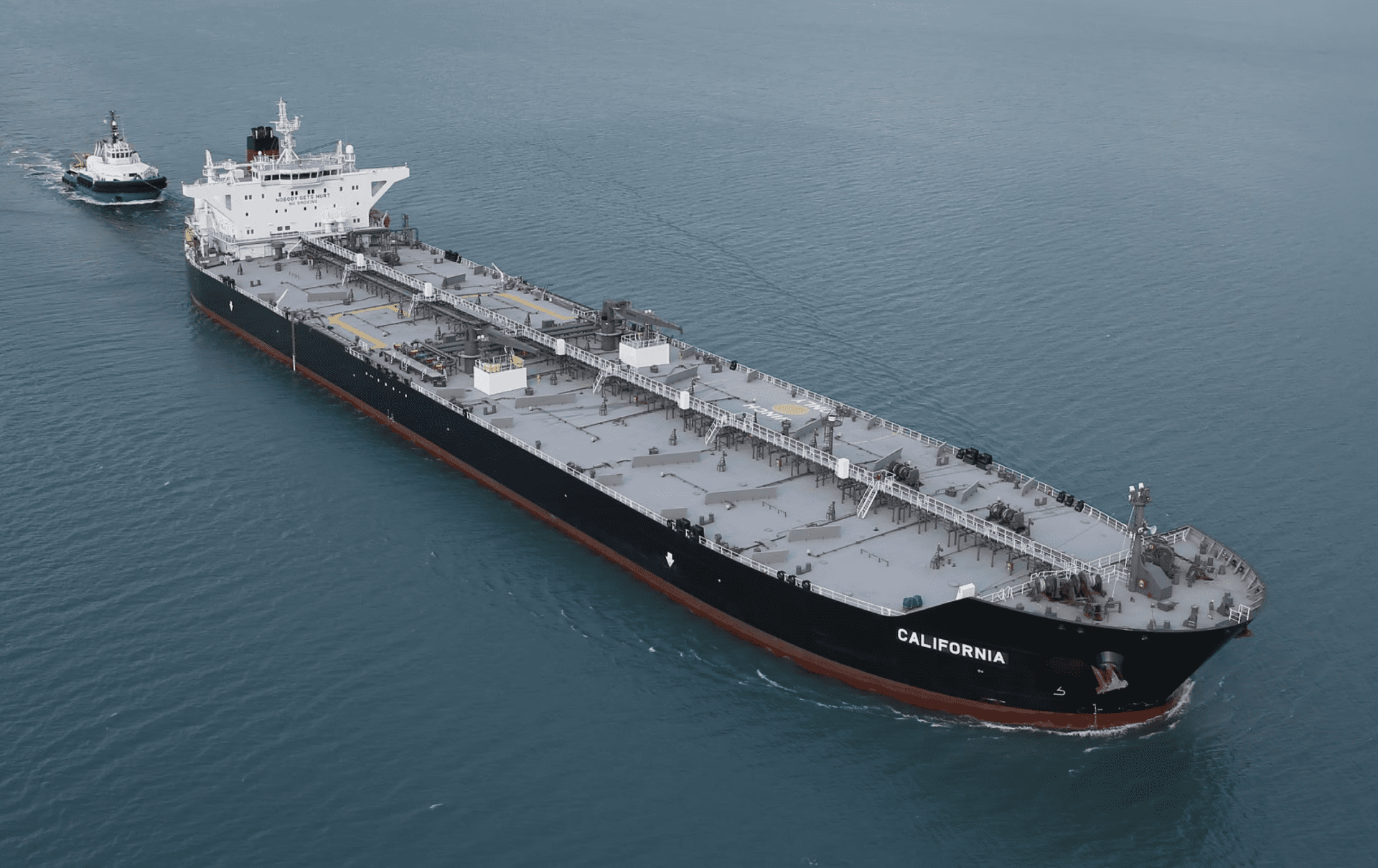
The Baltic Dirty Tanker Index (BDTI) which measures transportation costs for crude oil and fuel oil by tankers currently trades around 2,916 points, down 2.18% from the previous day, reflecting stable demand for conventional fuel transport even as regulatory pressure mounts. The ABS chief advocated for protecting "the bridge" LNG with methane-slip controls and credible bio-/e-LNG pathways while extending "the runway" through energy efficiency technologies and onboard carbon capture. This approach acknowledges that green ammonia, often described as the cornerstone fuel for maritime decarbonization, is projected to cost between $885 and $1,050 per ton, or roughly two to four times the price of VLSFO after accounting for energy density. The efficiency credit arbitrage allows traditional fuel consumption to continue under regulatory cover, creating a timing mismatch between IMO's net-zero ambitions and operational reality. Early alternative fuel investors methanol plant developers, green ammonia suppliers, hydrogen infrastructure builders face delayed market adoption as efficiency credits provide cheaper compliance alternatives.
For observers: Monitor the IMO's Marine Environment Protection Committee (MEPC 84) meeting in April 2026, when work on specific guidelines within the framework has continued in the run-up to the April 2026 meeting of the IMO's Intersessional Working Group (ISWG-GHG 21) and MEPC 84, which follows just days later. This progress is intended to give countries greater clarity as part of the 2026 negotiations and the expected vote on the adoption of the Framework. The balance between efficiency credits and alternative fuel mandates will determine whether the Net Zero Framework accelerates decarbonization or creates regulatory cover for extending fossil fuel consumption through the 2030s. A shift toward tighter efficiency credit limitations or higher alternative fuel rewards signals genuine decarbonization momentum; expanded efficiency credit eligibility confirms the regulatory arbitrage pathway.
.jpg)


'%3e%3cg id='Final-Copy-2_2_' transform='translate(1275.000000, 200.000000)'%3e%3cpath class='st0' d='M7.4,12.8h6.8l3.1-11.6H7.4C4.2,1.2,1.6,3.8,1.6,7S4.2,12.8,7.4,12.8z'/%3e%3c/g%3e%3c/g%3e%3c/g%3e%3cg id='final---dec.11-2020'%3e%3cg id='_x30_208-our-toggle' transform='translate(-1275.000000, -200.000000)'%3e%3cg id='Final-Copy-2' transform='translate(1275.000000, 200.000000)'%3e%3cpath class='st1' d='M22.6,0H7.4c-3.9,0-7,3.1-7,7s3.1,7,7,7h15.2c3.9,0,7-3.1,7-7S26.4,0,22.6,0z M1.6,7c0-3.2,2.6-5.8,5.8-5.8 h9.9l-3.1,11.6H7.4C4.2,12.8,1.6,10.2,1.6,7z'/%3e%3cpath id='x' class='st2' d='M24.6,4c0.2,0.2,0.2,0.6,0,0.8l0,0L22.5,7l2.2,2.2c0.2,0.2,0.2,0.6,0,0.8c-0.2,0.2-0.6,0.2-0.8,0 l0,0l-2.2-2.2L19.5,10c-0.2,0.2-0.6,0.2-0.8,0c-0.2-0.2-0.2-0.6,0-0.8l0,0L20.8,7l-2.2-2.2c-0.2-0.2-0.2-0.6,0-0.8 c0.2-0.2,0.6-0.2,0.8,0l0,0l2.2,2.2L23.8,4C24,3.8,24.4,3.8,24.6,4z'/%3e%3cpath id='y' class='st3' d='M12.7,4.1c0.2,0.2,0.3,0.6,0.1,0.8l0,0L8.6,9.8C8.5,9.9,8.4,10,8.3,10c-0.2,0.1-0.5,0.1-0.7-0.1l0,0 L5.4,7.7c-0.2-0.2-0.2-0.6,0-0.8c0.2-0.2,0.6-0.2,0.8,0l0,0L8,8.6l3.8-4.5C12,3.9,12.4,3.9,12.7,4.1z'/%3e%3c/g%3e%3c/g%3e%3c/g%3e%3c/g%3e%3c/svg%3e) Privacy Choices
Privacy Choices