.avif)
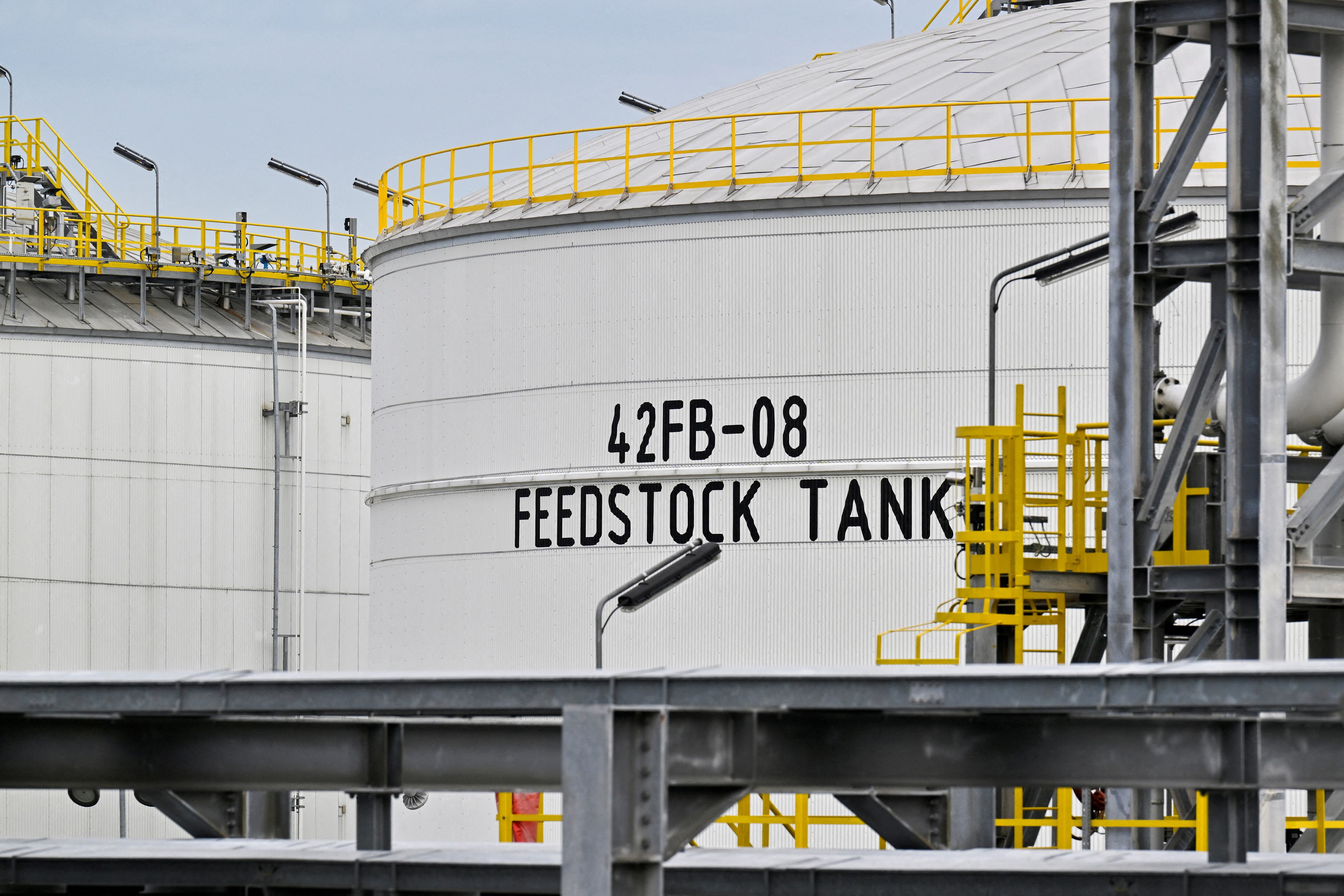
Philippine biofuel blenders face immediate margin compression as the Department of Agriculture reviews expanding bioethanol feedstock to include corn, with officials acknowledging "the elephant in the room is the food versus-fuel debate" during fuel crisis consultations. CBOT corn futures at $4.2 per bushel represent a four month low, but Philippine dependence on competitively priced US corn ethanol imports means any domestic corn diversion creates immediate arbitrage opportunities for grain exporters. The arithmetic is unforgiving: the proposed amendment lifts restrictions on corn while keeping molasses as primary mandated input, but with domestic corn covering only 62.7% of local demand, every tonne diverted to ethanol requires import substitution at current international prices.
E10 gasoline a 10% ethanol blend with conventional gasoline became mandatory nationwide in Vietnam from June 1, 2026, creating immediate demand for 100,000 tonnes annual ethanol equivalent. The policy aims to cut 10% of mineral gasoline imports, saving nearly $1 billion annually, while E5 RON92 continues until December 31, 2030. For regional ethanol suppliers, Vietnam's three major blenders Petrolimex (455,000 m³/month capacity), PVOil (320,000 m³/month), and Saigon Petro (120,000 m³/month) control 890,000 m³ monthly capacity against average gasoline consumption of 1 million m³/month. The 89% coverage ratio means supply chain bottlenecks immediately affect pricing power.
On the buy side: Philippine livestock operators absorb higher feed costs as any corn to ethanol diversion raises domestic prices against import parity. A mid-sized feed miller processing 10,000 tonnes monthly faces potential cost increases of $20-30 per tonne roughly $300,000 monthly margin erosion if domestic corn premiums widen to attract supply away from food use. On the sell side: US corn exporters gain margin expansion from biofuel driven import demand, particularly for ethanol suitable specifications that command premiums over standard feed grades. Vietnamese gasoline distributors benefit from domestic ethanol meeting only part of E10 demand, with remainder imported, creating blending margin opportunities for those controlling supply chain access.
For large integrated traders (Cargill, ADM, Cofco International) with derivatives access: hedge Philippine corn import requirements through CBOT futures, positioning long December 2026 corn against peso currency risk as import demand accelerates. For smaller regional operators independent feed importers, ethanol blending facilities, fuel distributors without derivatives exposure: negotiate fixed-price bilateral contracts with 90 day terms, diversify supplier base between US Gulf and South American origins, adjust inventory levels ahead of seasonal demand peaks. Vietnam's six ethanol plants with 500,000 m³ annual capacity require steady feedstock flow as utilization rates determine profitability against import alternatives.
For observers: monitor Chicago corn December 2026 futures above $4.50/bushel as Philippine import tenders accelerate if corn to ethanol policy advances. Philippine stakeholders urged updating studies on distillers dried grains with solubles (DDGS) and strengthening direct farmer to end-user market linkages, signaling structural shifts in protein feed demand. Vietnam's mandatory E10 implementation creates precedent for regional biofuel expansion watch for Thailand, Malaysia following similar mandates by Q4 2026. The US 45Z clean fuel production tax credit uncertainty, with producers unable to access DOE carbon-intensity scoring tools halfway through 2026, means forward ethanol pricing remains volatile until Treasury Department finalizes rules, expected by August 2026.





'%3e%3cg id='Final-Copy-2_2_' transform='translate(1275.000000, 200.000000)'%3e%3cpath class='st0' d='M7.4,12.8h6.8l3.1-11.6H7.4C4.2,1.2,1.6,3.8,1.6,7S4.2,12.8,7.4,12.8z'/%3e%3c/g%3e%3c/g%3e%3c/g%3e%3cg id='final---dec.11-2020'%3e%3cg id='_x30_208-our-toggle' transform='translate(-1275.000000, -200.000000)'%3e%3cg id='Final-Copy-2' transform='translate(1275.000000, 200.000000)'%3e%3cpath class='st1' d='M22.6,0H7.4c-3.9,0-7,3.1-7,7s3.1,7,7,7h15.2c3.9,0,7-3.1,7-7S26.4,0,22.6,0z M1.6,7c0-3.2,2.6-5.8,5.8-5.8 h9.9l-3.1,11.6H7.4C4.2,12.8,1.6,10.2,1.6,7z'/%3e%3cpath id='x' class='st2' d='M24.6,4c0.2,0.2,0.2,0.6,0,0.8l0,0L22.5,7l2.2,2.2c0.2,0.2,0.2,0.6,0,0.8c-0.2,0.2-0.6,0.2-0.8,0 l0,0l-2.2-2.2L19.5,10c-0.2,0.2-0.6,0.2-0.8,0c-0.2-0.2-0.2-0.6,0-0.8l0,0L20.8,7l-2.2-2.2c-0.2-0.2-0.2-0.6,0-0.8 c0.2-0.2,0.6-0.2,0.8,0l0,0l2.2,2.2L23.8,4C24,3.8,24.4,3.8,24.6,4z'/%3e%3cpath id='y' class='st3' d='M12.7,4.1c0.2,0.2,0.3,0.6,0.1,0.8l0,0L8.6,9.8C8.5,9.9,8.4,10,8.3,10c-0.2,0.1-0.5,0.1-0.7-0.1l0,0 L5.4,7.7c-0.2-0.2-0.2-0.6,0-0.8c0.2-0.2,0.6-0.2,0.8,0l0,0L8,8.6l3.8-4.5C12,3.9,12.4,3.9,12.7,4.1z'/%3e%3c/g%3e%3c/g%3e%3c/g%3e%3c/g%3e%3c/svg%3e) Privacy Choices
Privacy Choices