.avif)
Crude buyers across Asia face an immediate $15-20/barrel supply premium as Brent crude futures jumped more than 4% to above $97 per barrel on Monday, rebounding from a two session decline after Iran and Israel exchanged missile strikes. The weekend flare-up threatens Trump's claimed ceasefire progress while maintaining dual blockades that have effectively closed the Strait of Hormuz through which 25% of the world's seaborne oil trade and 20% of the world's liquefied natural gas (LNG) passed through during peacetime. For major oil trading houses Vitol, Trafigura, Gunvor this represents the largest forced arbitrage opportunity since the 1970s oil shocks, but only for operators with sufficient credit facilities to handle extended cargo holds and alternative routing through the Cape of Good Hope.
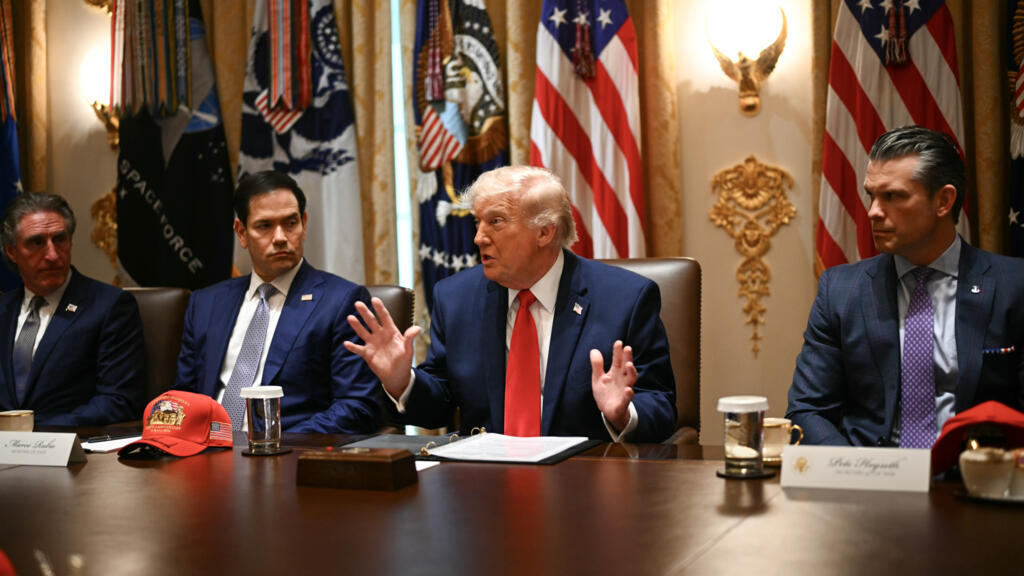
Trump's assertion of total control over Israeli Prime Minister Netanyahu appears increasingly hollow as Trump told Axios that he warned the Israeli prime minister that he would isolate himself if he continued to strike Iran. Meantime, there has been strikes in southern Lebanon. Five people were killed and eight wounded by an Israeli strike in Tyre, the Lebanese Health Ministry said. It occurred after Tehran warned it would resume its suspended operations against Israel if its strikes continued in southern Lebanon. The gap between diplomatic claims and operational reality creates immediate commercial consequences: Asian refiners now source 60-70% of crude requirements from West Africa and Americas at premiums exceeding $12/barrel above Persian Gulf grades. A 300,000-barrel VLCC cargo from Nigeria's Bonny Light that cost $285 million in February now costs $320 million including freight the additional $35 million flows entirely to crude sellers and tanker operators, not importers.
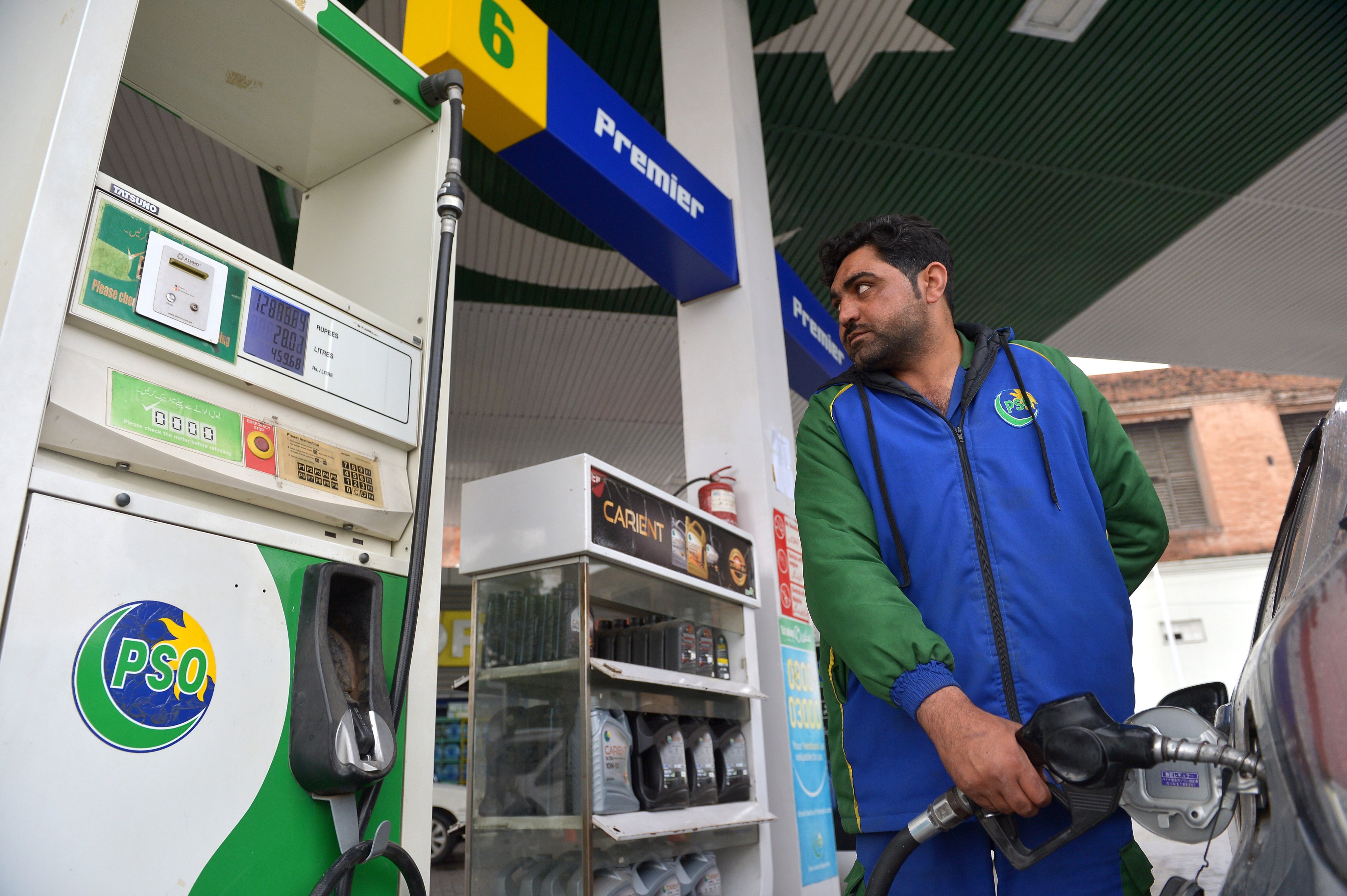
On the buy side: Japanese refineries like JX Nippon and Cosmo Energy are accelerating inventory drawdowns while negotiating spot purchases from Brazilian and Angolan suppliers at record premiums. A typical 2 million barrel VLCC import that previously cost $190 million from Saudi Arabia now requires $230 million from West Africa an immediate $40 million impact per cargo that cannot be hedged through conventional means. On the sell side: West African producers including Nigeria, Angola, and Equatorial Guinea capture windfall margins as their Brent-linked pricing formulas now trade at $8-15/barrel premiums to Dubai crude the largest dislocation since the 1991 Gulf War. Saudi Arabia and UAE producers lose market share entirely as their crude remains stranded behind the blockade.
For large integrated traders with derivatives access: The Brent-Dubai spread the price difference between North Sea crude and Middle East crude has widened to $18/barrel from typical $2-3/barrel, creating hedging opportunities through intercommodity spreads while managing physical delivery obligations through book-out mechanisms with counterparties outside the Persian Gulf. These operators profit from both the physical arbitrage and time-spread opportunities as contango structures reflect storage costs for stranded cargoes. For smaller regional operators independent Asian refineries, fuel distributors, commodity trading cooperatives without derivatives access: practical alternatives include bilateral supply agreements with non-Gulf producers, inventory management through tank-top arrangements, and joint purchasing through established trading consortiums to achieve volume discounts.
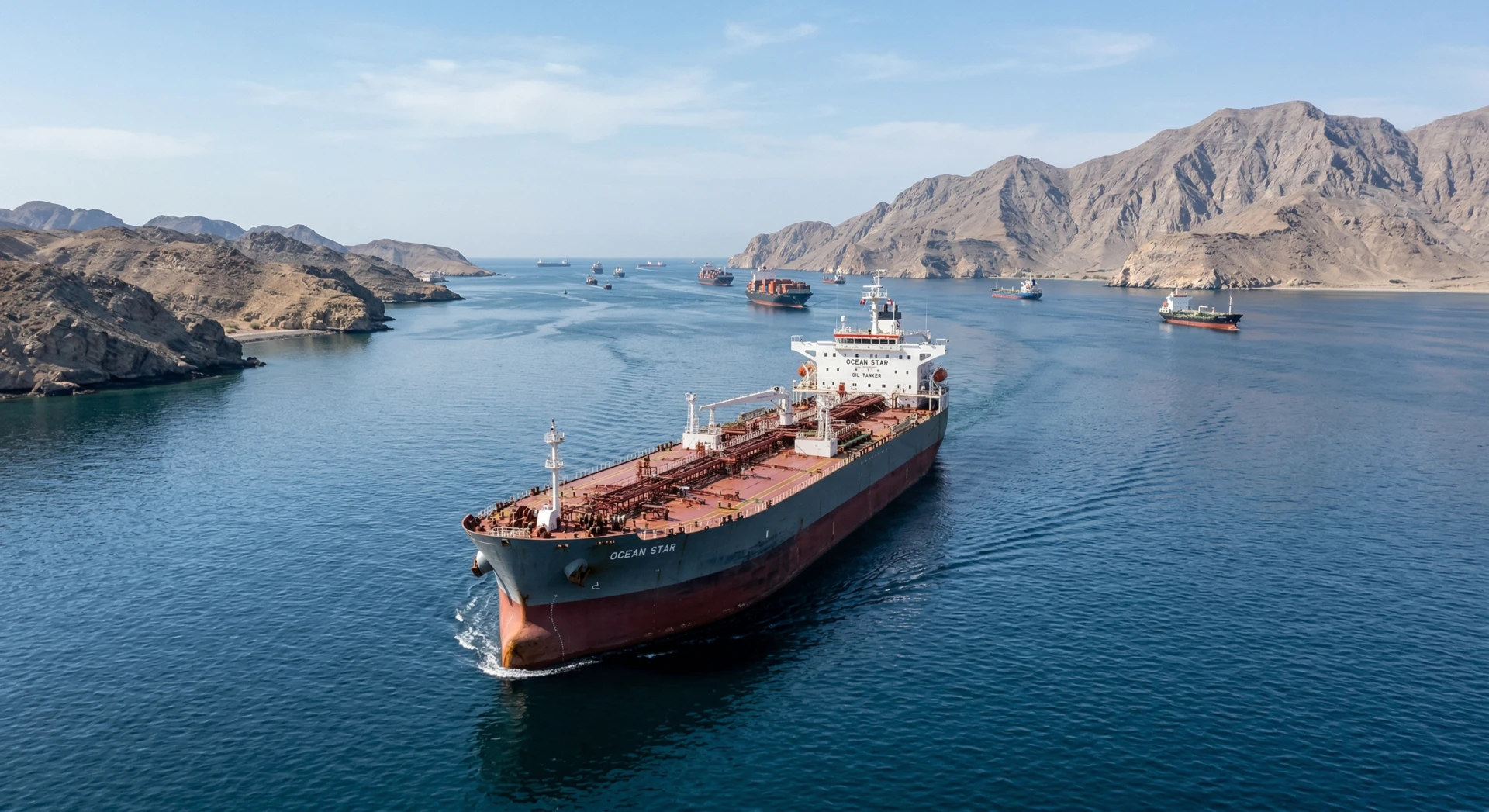
The physical supply chain reality demonstrates why diplomatic breakthroughs remain fragile. Before the United States and Israel launched their attacks on Iran in late February about 3,000 vessels typically passed through the Strait of Hormuz each month, according to Lloyd's List Intelligence. Oil tankers passing through accounted for an estimated 15 million barrels per day of crude and other oil product exports, data from the analytics firm Kpler shows, amounting to about one-fifth of the world's oil trade. But since the war began, traffic has been reduced to a trickle, with just 191 vessels recorded crossing in the entire month of April. This represents operational infrastructure damage that cannot be reversed through presidential statements or ceasefire announcements.
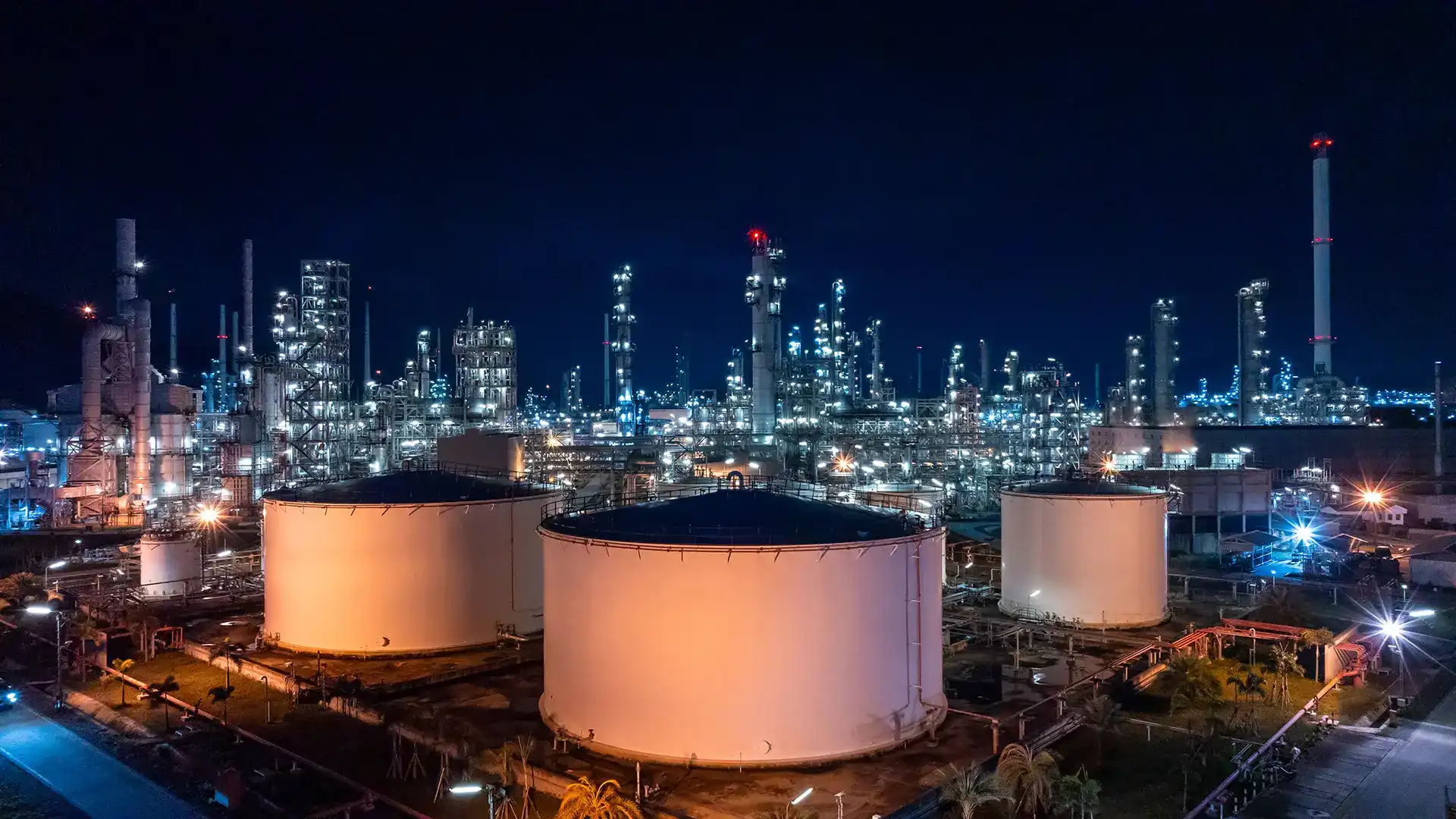
Margin concentration occurs at three specific points in this disrupted trade flow. First, vessel operators controlling Cape Route capacity: a VLCC earning $35,000/day on the traditional 25 day Arabian Gulf to Asia route now earns $85,000/day on the 45 day Cape alternative additional revenue of $1 million per voyage that accrues entirely to shipowner, not cargo owner. Second, terminal operators at alternative loading points: West African export terminals including Qua Iboe and Forcados now command $2-3/barrel loading premiums as buyers compete for limited berthing slots. Third, storage operators in destination markets: tank farms in Singapore, Rotterdam, and Fujairah earn demurrage rates approaching $25,000/day for stranded cargoes costs that ultimately transfer from importer to storage provider.
Trump's dual blockade strategy creates compounding commercial pressures that extend beyond crude oil markets. The US Department of Defense estimated that Iran had lost $4.8 billion in oil revenue from 13 April to 1 May due to the blockade, with a total of 31 tankers laden with 53 million barrels of Iranian oil being "stuck in the Gulf". Simultaneously, 1,550+ vessels stranded, 22,500 mariners trapped: The Chairman of the Joint Chiefs of Staff General Dan Caine confirmed on May 6 that 22,500 mariners are trapped on more than 1,550 commercial vessels. Each day of extension costs the global economy approximately $2.8 billion in diverted shipping capacity, elevated insurance premiums, and inventory financing charges.
The financing dimension reveals why this crisis differs fundamentally from previous Middle East disruptions. Letters of credit (LCs) the bank guarantees that enable most international commodity trade now require additional collateral equal to 150-200% of cargo value for any Persian Gulf related transaction, compared to typical 110-120% coverage. Trade finance banks including Standard Chartered, SMBC, and Deutsche Bank have effectively withdrawn from Iranian-related transactions, forcing buyers to establish alternative credit facilities with regional banks at spreads 400-600 basis points above LIBOR. A $100 million crude purchase that previously required $10 million in LC margin now demands $20-25 million capital that remains locked for 90-120 days during extended Cape Route transits.
Freight is not a rounding error in this reconfigured market it often determines profitability. VLCCs that previously earned $28/MT on the Arabian Gulf to Asia route now earn $65-75/MT on the Cape alternative, but availability remains constrained as vessels are trapped in the Persian Gulf or committed to longer voyage cycles. This creates a secondary arbitrage: shipowners with ballast positioning capability earn $12-18/MT premiums by delivering empty vessels to West African loading terminals rather than traditional Middle East positions. The margin concentrates entirely with vessel operators and maritime logistics providers, not commodity traders or end-users.
Observers should monitor the Baltic Exchange's TD3C route assessment the benchmark freight rate for VLCCs traveling from the Arabian Gulf to Japan which currently reflects theoretical pricing rather than operational reality given route closure. The practical signal is the West Africa to Asia TD15 route, which has tripled from $45/MT in January to $135/MT currently, indicating sustainable demand for alternative supply corridors. Watch for weekly changes in this spread: sustained readings above $120/MT suggest market acceptance of permanent supply-chain reconfiguration rather than temporary disruption management. If TD15 falls below $90/MT within 14 days, it signals either ceasefire implementation success or inventory saturation forcing demand destruction.
.jpg)
.jpg)
'%3e%3cg id='Final-Copy-2_2_' transform='translate(1275.000000, 200.000000)'%3e%3cpath class='st0' d='M7.4,12.8h6.8l3.1-11.6H7.4C4.2,1.2,1.6,3.8,1.6,7S4.2,12.8,7.4,12.8z'/%3e%3c/g%3e%3c/g%3e%3c/g%3e%3cg id='final---dec.11-2020'%3e%3cg id='_x30_208-our-toggle' transform='translate(-1275.000000, -200.000000)'%3e%3cg id='Final-Copy-2' transform='translate(1275.000000, 200.000000)'%3e%3cpath class='st1' d='M22.6,0H7.4c-3.9,0-7,3.1-7,7s3.1,7,7,7h15.2c3.9,0,7-3.1,7-7S26.4,0,22.6,0z M1.6,7c0-3.2,2.6-5.8,5.8-5.8 h9.9l-3.1,11.6H7.4C4.2,12.8,1.6,10.2,1.6,7z'/%3e%3cpath id='x' class='st2' d='M24.6,4c0.2,0.2,0.2,0.6,0,0.8l0,0L22.5,7l2.2,2.2c0.2,0.2,0.2,0.6,0,0.8c-0.2,0.2-0.6,0.2-0.8,0 l0,0l-2.2-2.2L19.5,10c-0.2,0.2-0.6,0.2-0.8,0c-0.2-0.2-0.2-0.6,0-0.8l0,0L20.8,7l-2.2-2.2c-0.2-0.2-0.2-0.6,0-0.8 c0.2-0.2,0.6-0.2,0.8,0l0,0l2.2,2.2L23.8,4C24,3.8,24.4,3.8,24.6,4z'/%3e%3cpath id='y' class='st3' d='M12.7,4.1c0.2,0.2,0.3,0.6,0.1,0.8l0,0L8.6,9.8C8.5,9.9,8.4,10,8.3,10c-0.2,0.1-0.5,0.1-0.7-0.1l0,0 L5.4,7.7c-0.2-0.2-0.2-0.6,0-0.8c0.2-0.2,0.6-0.2,0.8,0l0,0L8,8.6l3.8-4.5C12,3.9,12.4,3.9,12.7,4.1z'/%3e%3c/g%3e%3c/g%3e%3c/g%3e%3c/g%3e%3c/svg%3e) Privacy Choices
Privacy Choices