.avif)
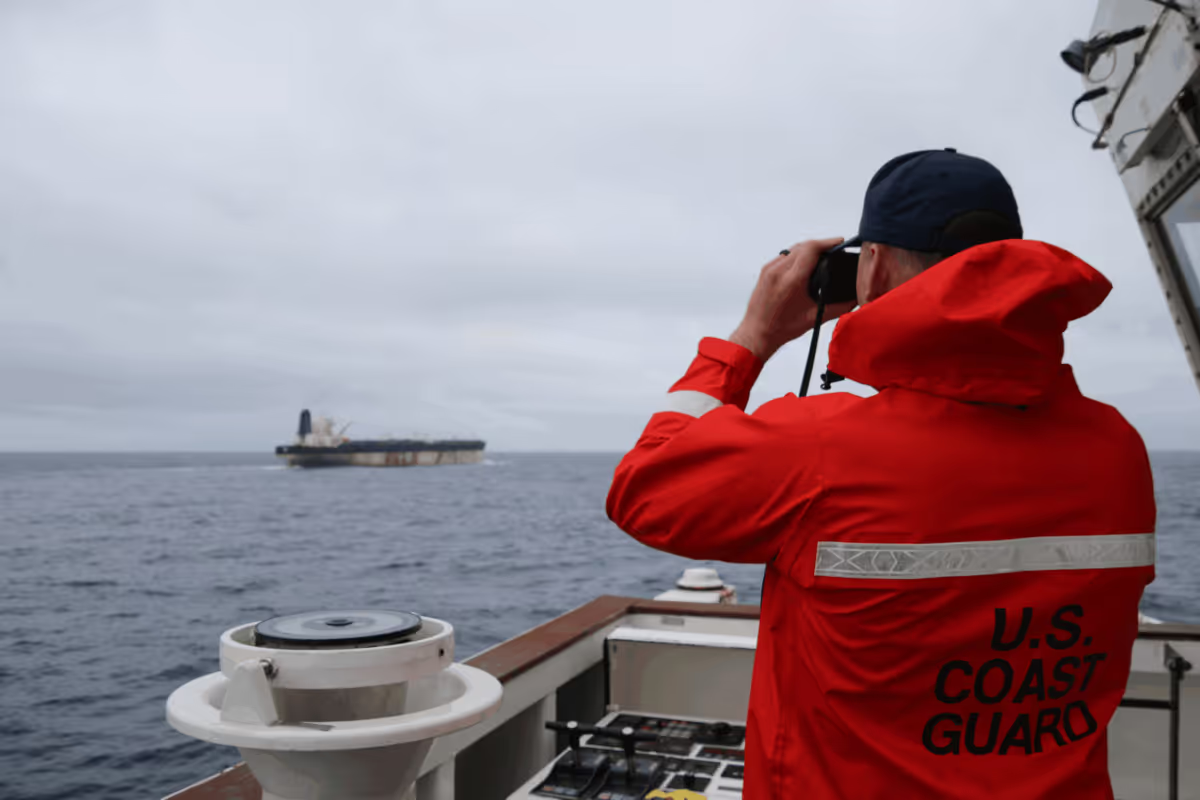
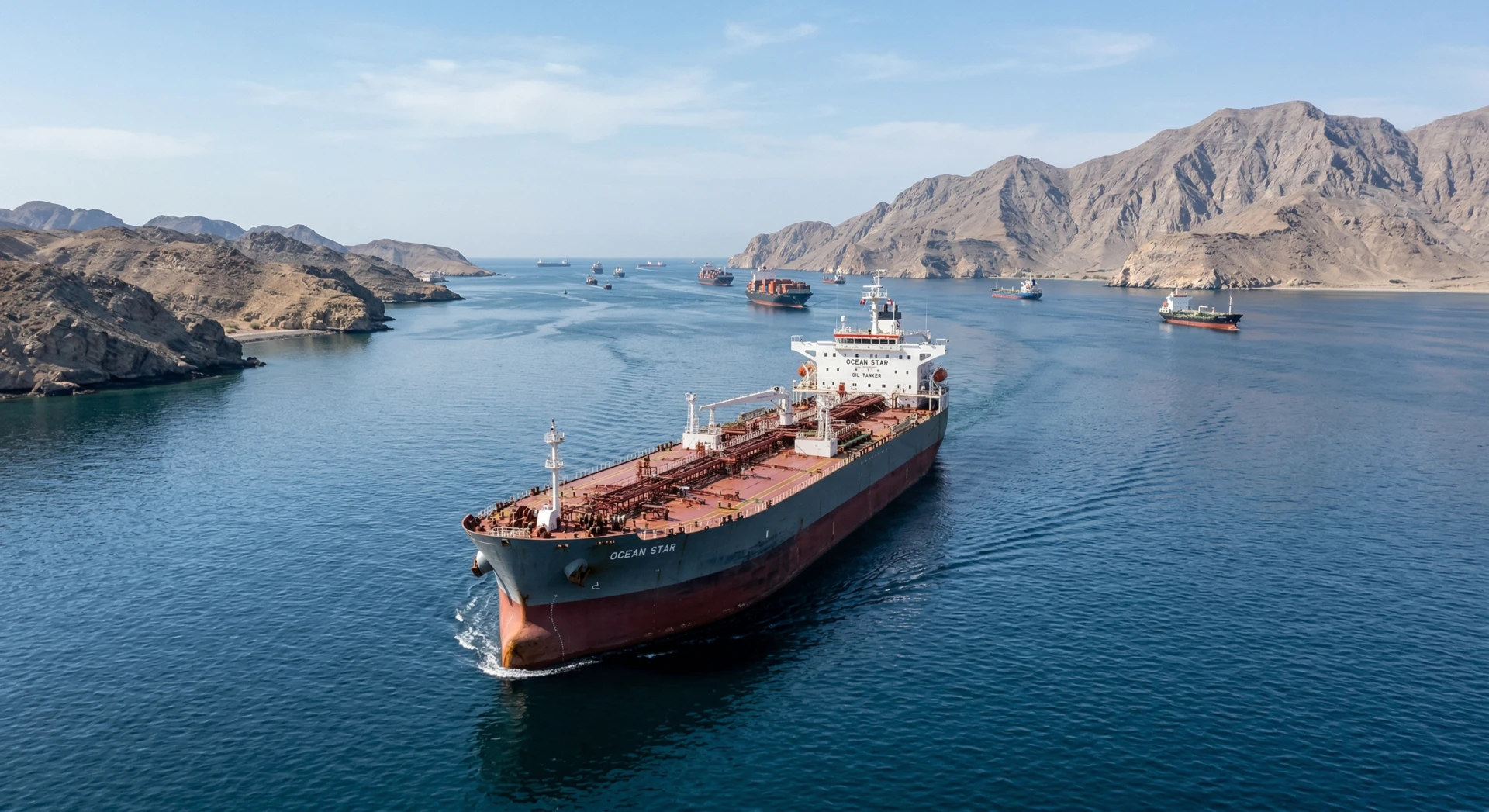
Shadow fleet operators face immediate margin compression after the guilty plea of a Georgian tanker captain to evading U.S. Coast Guard orders during a weeks long trans-Atlantic chase involving Iranian crude. The vessel Bella 1 transported approximately 1.8 million barrels of Iran origin oil to Asia while using systematic evasion tactics. Shadow fleet a network of aging tankers that evade Western oversight by disabling tracking signals and conducting ship to ship transfers to disguise cargo origins now faces elevated operational costs. The maximum penalty of five years in prison for failing to obey Coast Guard orders establishes a precedent that transforms crew recruitment costs. Previously, a qualified master earned approximately $180,000–220,000 annually for shadow fleet operations; the prospect of U.S. prosecution adds risk premiums of $50,000–80,000 per master per voyage, pushing total operational costs 25–35% higher.
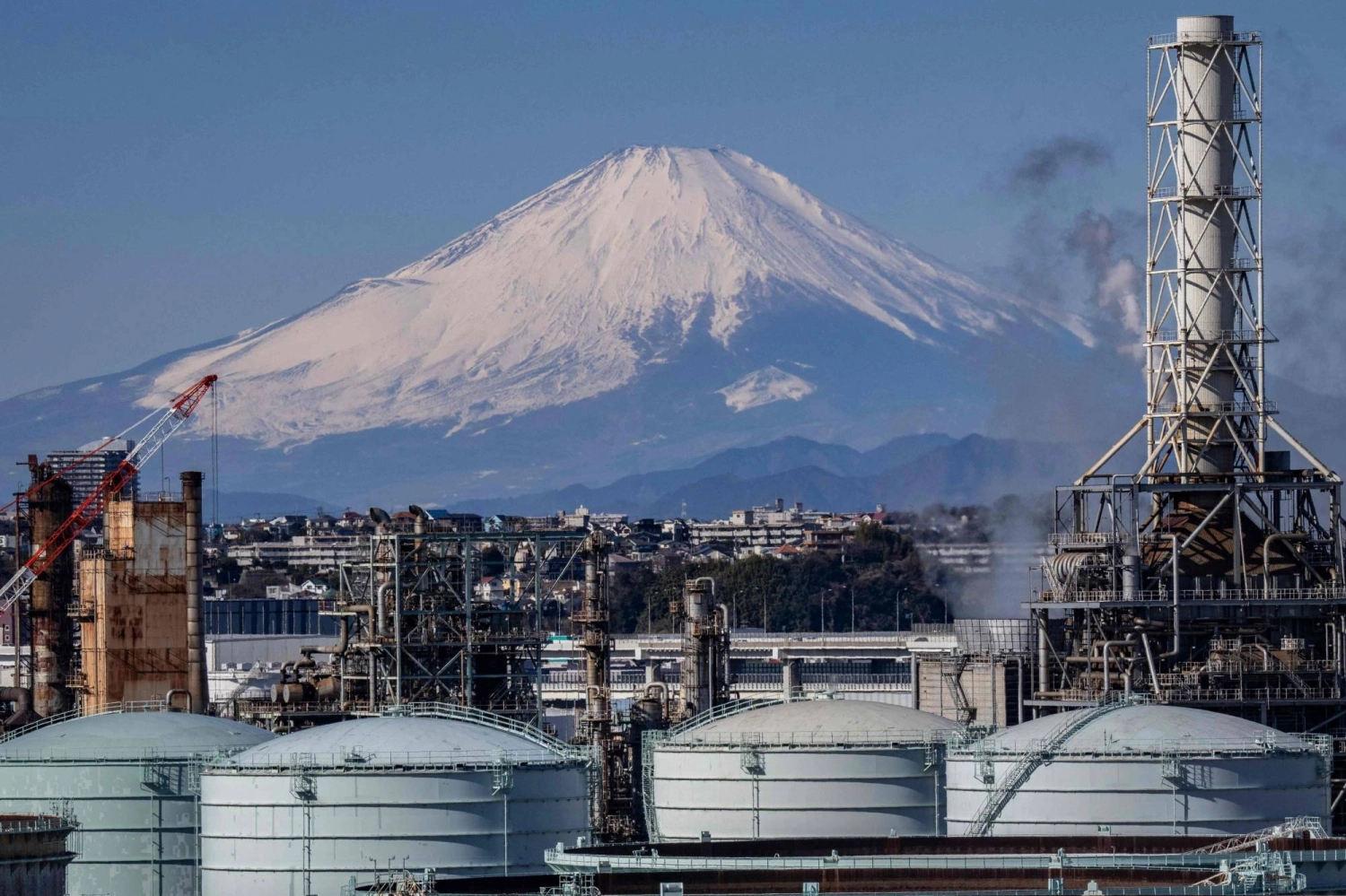
On the buy side: With Brent crude at $89.38, Asian refineries purchasing Iranian crude through shadow networks face supply uncertainty as enforcement escalates. A mid-sized Japanese refiner acquiring 1 million barrels monthly via shadow fleet previously paying $3–5/barrel discounts to Brent for Iranian crude must now factor enforcement disruption risks. The guilty plea signals sustained Coast Guard pursuit capabilities, potentially adding 7–10 days to voyage times as vessels adopt more circuitous routes. For a refinery processing 200,000 barrels daily, a 10 day supply delay costs approximately $178 million in replacement crude at current prices.
On the sell side: Iranian crude exporters using shadow fleet networks absorb multiple cost increases while maintaining export volumes. The evasion techniques sailing with deactivated Automatic Identification System (AIS) and concealing vessel identity during ship to ship transfers now carry elevated risks after demonstrated Coast Guard persistence. The tanker ignored orders to stop and fled across the Atlantic Ocean, covering nearly 4,900 miles before seizure. This pursuit model forces shadow fleet operators to install additional navigation equipment, employ dual crews to enable continuous operations during extended chases, and purchase more sophisticated jamming technology collectively adding $400,000–600,000 per vessel annually.
For large integrated traders with derivatives access: Oil majors like Vitol or Trafigura avoid Iranian crude entirely, instead positioning to capture margin from supply disruptions. ING estimates Brent could surge to $120–$130 per barrel this summer if Hormuz disruptions persist, creating hedging opportunities for compliant traders. A major trader holding 50 million barrels of non-Iranian crude inventory gains $15–20/barrel if enforcement disruptions tighten supply potentially $750 million–1 billion in inventory revaluation. For smaller regional shadow fleet operators: Independent tanker owners face binary decisions as enforcement intensifies. A regional operator managing 5–10 aging VLCCs (Very Large Crude Carriers vessels carrying 2 million barrels each) must either exit Iranian routes entirely or accept 40–50% higher operating costs including enhanced security, longer routing, and elevated insurance premiums reaching $2–3 million annually per vessel.
The Department of Justice warning that it will pursue shadow fleets "from the Caribbean Sea to the North Atlantic, to the Indian and Pacific Oceans, the Persian Gulf, and anywhere in between" indicates systematic enforcement expansion. Watch the USCGC Munro deployment patterns through August 2026 persistent Atlantic positioning suggests continued shadow fleet interdiction operations. The vessel seizure on January 7 and sentencing scheduled for August 7 creates a six month enforcement cycle. Monitor Iranian crude export volumes via Tanker Trackers data: sustained monthly flows above 1.2 million barrels daily indicate shadow fleet adaptation; drops below 1 million barrels daily signal enforcement effectiveness forcing route shifts to Pacific only corridors beyond Coast Guard jurisdiction.

.jpg)
.jpg)

'%3e%3cg id='Final-Copy-2_2_' transform='translate(1275.000000, 200.000000)'%3e%3cpath class='st0' d='M7.4,12.8h6.8l3.1-11.6H7.4C4.2,1.2,1.6,3.8,1.6,7S4.2,12.8,7.4,12.8z'/%3e%3c/g%3e%3c/g%3e%3c/g%3e%3cg id='final---dec.11-2020'%3e%3cg id='_x30_208-our-toggle' transform='translate(-1275.000000, -200.000000)'%3e%3cg id='Final-Copy-2' transform='translate(1275.000000, 200.000000)'%3e%3cpath class='st1' d='M22.6,0H7.4c-3.9,0-7,3.1-7,7s3.1,7,7,7h15.2c3.9,0,7-3.1,7-7S26.4,0,22.6,0z M1.6,7c0-3.2,2.6-5.8,5.8-5.8 h9.9l-3.1,11.6H7.4C4.2,12.8,1.6,10.2,1.6,7z'/%3e%3cpath id='x' class='st2' d='M24.6,4c0.2,0.2,0.2,0.6,0,0.8l0,0L22.5,7l2.2,2.2c0.2,0.2,0.2,0.6,0,0.8c-0.2,0.2-0.6,0.2-0.8,0 l0,0l-2.2-2.2L19.5,10c-0.2,0.2-0.6,0.2-0.8,0c-0.2-0.2-0.2-0.6,0-0.8l0,0L20.8,7l-2.2-2.2c-0.2-0.2-0.2-0.6,0-0.8 c0.2-0.2,0.6-0.2,0.8,0l0,0l2.2,2.2L23.8,4C24,3.8,24.4,3.8,24.6,4z'/%3e%3cpath id='y' class='st3' d='M12.7,4.1c0.2,0.2,0.3,0.6,0.1,0.8l0,0L8.6,9.8C8.5,9.9,8.4,10,8.3,10c-0.2,0.1-0.5,0.1-0.7-0.1l0,0 L5.4,7.7c-0.2-0.2-0.2-0.6,0-0.8c0.2-0.2,0.6-0.2,0.8,0l0,0L8,8.6l3.8-4.5C12,3.9,12.4,3.9,12.7,4.1z'/%3e%3c/g%3e%3c/g%3e%3c/g%3e%3c/g%3e%3c/svg%3e) Privacy Choices
Privacy Choices