.avif)
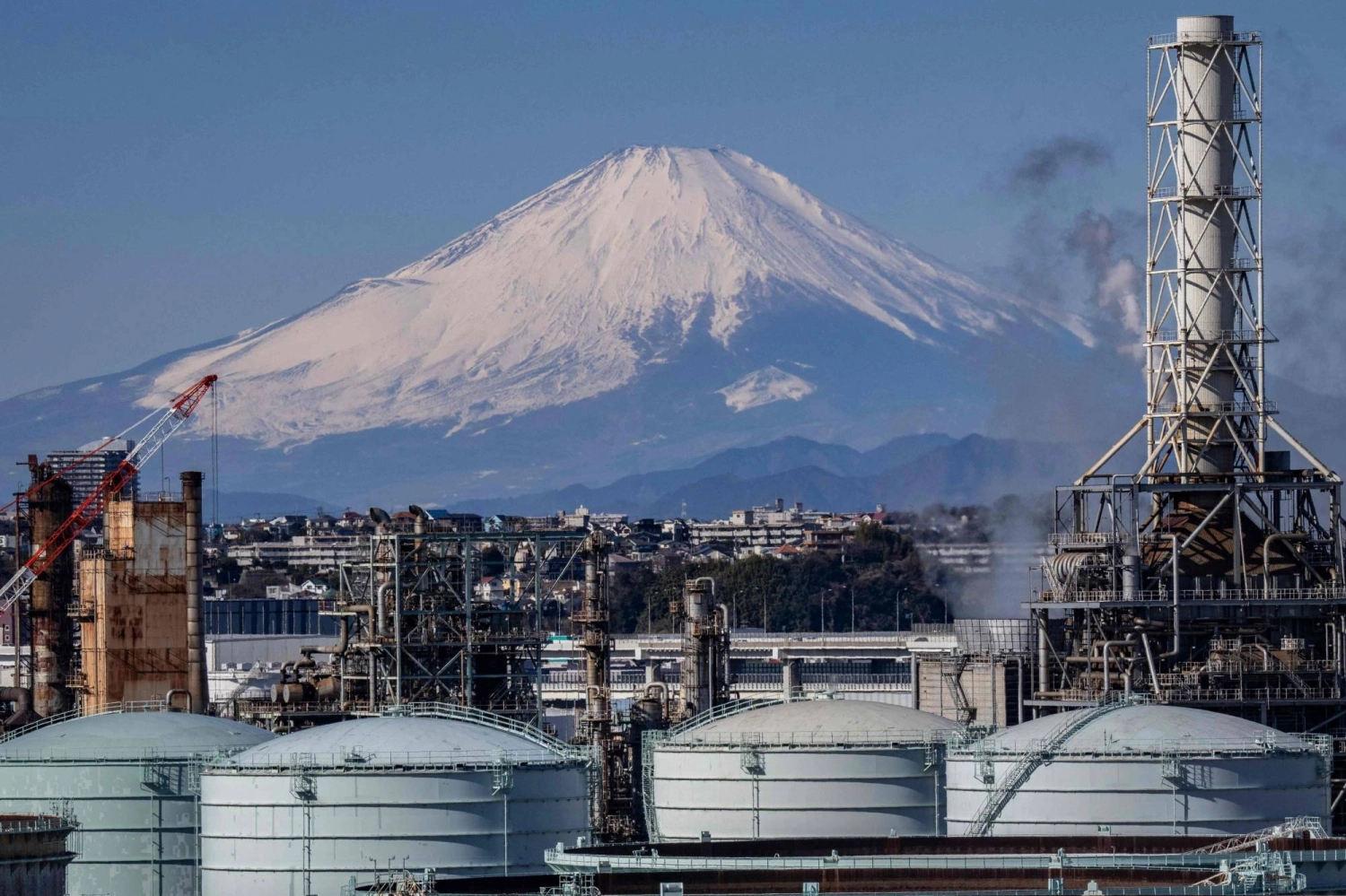
Fertilizer buyers face tighter nitrogen availability and rising replacement costs after Ukrainian drones damaged two ammonia production units at PhosAgro's Cherepovets facility with combined capacity of 900,000 tonnes annually. The April 13 strike hit approximately 6% of Russian ammonia capacity at a critical moment when urea prices have reached $674 per ton, up 12% from last month, and global fertilizer supply chains face unprecedented disruption from multiple conflict zones.
The targeted facility — one of Russia's largest producers of phosphorus-based fertilizers owned by PhosAgro, whose key shareholders have been sanctioned by Western countries since 2022 — produces ammonia, ammonium nitrate, and nitric acid with dual applications in both agriculture and military production. The plant produces "hundreds of thousands of tons of ammonia, nitrate and nitric acid per year" that serve as raw materials for both fertilizer and explosive manufacturing.
Consider a mid-sized European distributor securing spring nitrogen supplies. Before recent disruptions, 50,000 tonnes of Russian urea cost approximately $22.5 million at $450/MT FOB Baltic. At current prices of $674/MT, the same volume costs $33.7 million — an additional $11.2 million for identical tonnage. The Cherepovets damage removes potential supply that could have met this distributor's seasonal requirements, forcing procurement from higher-cost alternative sources or accepting reduced inventory levels during peak demand.
The margin anatomy reveals who gains and loses from this supply tightening. On the sell side, North American producers benefit substantially as Nutrien reported $2.3 billion in net earnings and CF Industries maintained 97% capacity utilization, positioning them to capture premium pricing from constrained global supply. Russian producers like PhosAgro lose direct revenue from damaged capacity but may offset losses through higher pricing on remaining output.
Freight costs compound the supply pressure differently across operator scales. Large integrated fertilizer traders with derivatives access can hedge nitrogen exposure through CBOT urea futures, currently trading at elevated levels reflecting supply uncertainty. Regional distributors and agricultural cooperatives without derivatives access face direct exposure to volatile spot markets, often forcing them into bilateral forward contracts at unfavorable terms or accepting inventory shortages during critical planting windows.
The strike occurs as Russia tightens its grip on global fertilizer flows through strategic export restrictions. Russia is the world's largest producer of ammonium nitrate, producing about 12 million tons (47% of global output) and exporting 2.7 million tons (37% of global export volume). Moscow suspended ammonium nitrate exports through April 21, citing domestic supply priorities during spring planting season.
Global nitrogen trade routes concentrate risk in ways that amplify localized disruptions. The Strait of Hormuz closure blocks 46% of global seaborne urea transit and 30% of ammonia transit, while Russian production represents the only alternative source unaffected by Middle Eastern disruptions. This geographic concentration means damage to facilities like Cherepovets reverberates through global pricing despite representing a relatively small share of world capacity.
Smaller operators face asymmetric vulnerability to these compound disruptions. A regional fertilizer distributor in Brazil or India cannot easily substitute between Russian, Middle Eastern, and North American sources due to freight economics, letter of credit requirements, and established supply relationships. When Russian capacity goes offline and Middle Eastern supplies remain blocked, these operators face potential shortages with limited recourse beyond accepting significantly higher prices from available sources.
For observers tracking fertilizer market stress, monitor the Platts Middle East granular urea assessment, currently at $604-710 per ton, up from $436-494 before the Iran war. Any closure of the Strait of Hormuz beyond May would force spring planting delays across key importing regions, potentially reducing 2026 crop yields and extending fertilizer price elevation through the next growing cycle.
.jpg)




'%3e%3cg id='Final-Copy-2_2_' transform='translate(1275.000000, 200.000000)'%3e%3cpath class='st0' d='M7.4,12.8h6.8l3.1-11.6H7.4C4.2,1.2,1.6,3.8,1.6,7S4.2,12.8,7.4,12.8z'/%3e%3c/g%3e%3c/g%3e%3c/g%3e%3cg id='final---dec.11-2020'%3e%3cg id='_x30_208-our-toggle' transform='translate(-1275.000000, -200.000000)'%3e%3cg id='Final-Copy-2' transform='translate(1275.000000, 200.000000)'%3e%3cpath class='st1' d='M22.6,0H7.4c-3.9,0-7,3.1-7,7s3.1,7,7,7h15.2c3.9,0,7-3.1,7-7S26.4,0,22.6,0z M1.6,7c0-3.2,2.6-5.8,5.8-5.8 h9.9l-3.1,11.6H7.4C4.2,12.8,1.6,10.2,1.6,7z'/%3e%3cpath id='x' class='st2' d='M24.6,4c0.2,0.2,0.2,0.6,0,0.8l0,0L22.5,7l2.2,2.2c0.2,0.2,0.2,0.6,0,0.8c-0.2,0.2-0.6,0.2-0.8,0 l0,0l-2.2-2.2L19.5,10c-0.2,0.2-0.6,0.2-0.8,0c-0.2-0.2-0.2-0.6,0-0.8l0,0L20.8,7l-2.2-2.2c-0.2-0.2-0.2-0.6,0-0.8 c0.2-0.2,0.6-0.2,0.8,0l0,0l2.2,2.2L23.8,4C24,3.8,24.4,3.8,24.6,4z'/%3e%3cpath id='y' class='st3' d='M12.7,4.1c0.2,0.2,0.3,0.6,0.1,0.8l0,0L8.6,9.8C8.5,9.9,8.4,10,8.3,10c-0.2,0.1-0.5,0.1-0.7-0.1l0,0 L5.4,7.7c-0.2-0.2-0.2-0.6,0-0.8c0.2-0.2,0.6-0.2,0.8,0l0,0L8,8.6l3.8-4.5C12,3.9,12.4,3.9,12.7,4.1z'/%3e%3c/g%3e%3c/g%3e%3c/g%3e%3c/g%3e%3c/svg%3e) Privacy Choices
Privacy Choices