.avif)

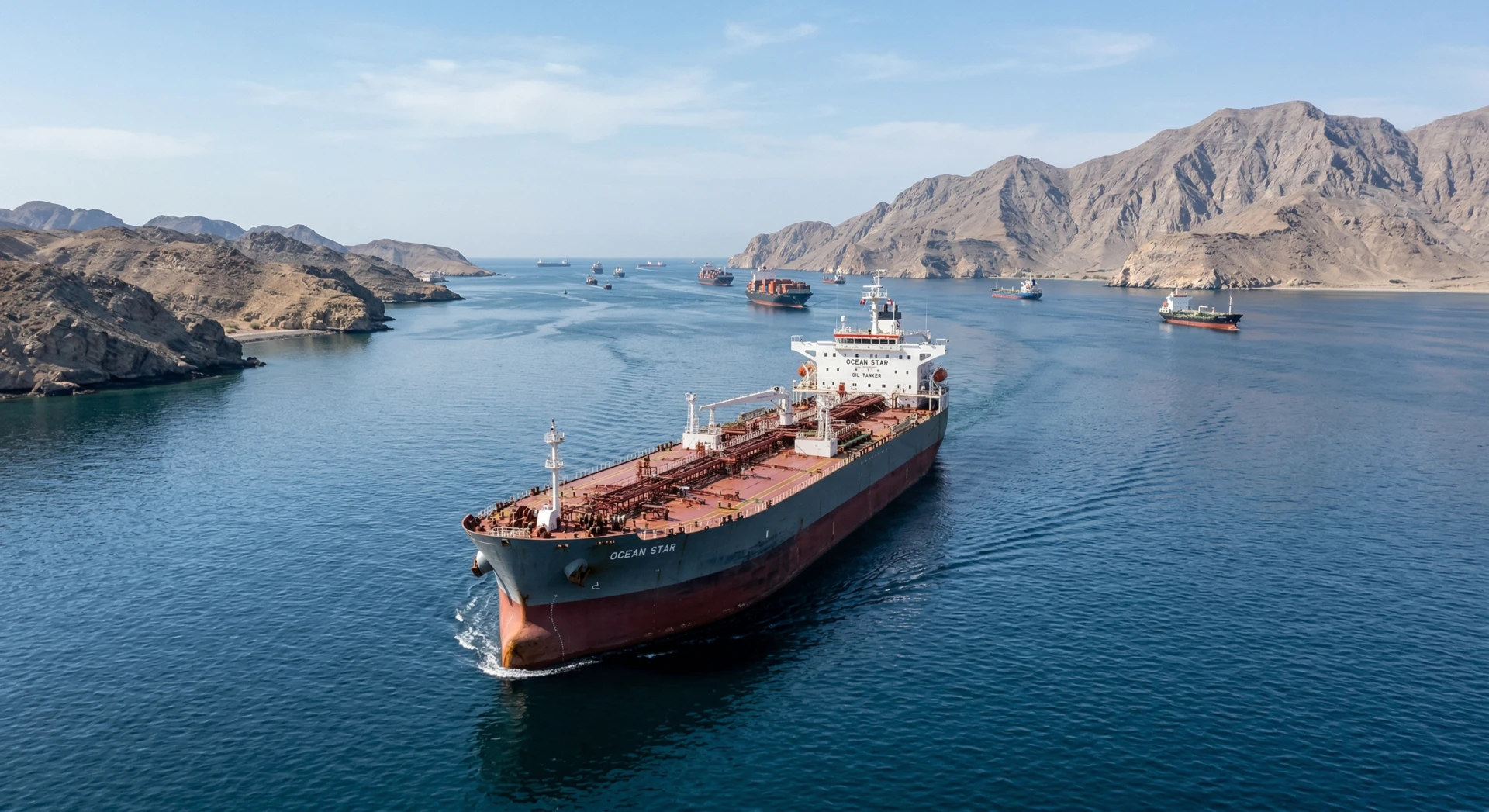
Chevron CEO Mike Wirth confirmed his company will not pay transit tolls for passage through the Strait of Hormuz, even as six vessels under charter to the oil major remain in Persian Gulf waters. War-risk insurance premiums have escalated to approximately 5% of vessel value meaning a $100 million tanker now costs about $5 million to insure for a single Hormuz transit. The decision exposes the margin anatomy of charter based oil trade, where shipowners not charterers absorb the escalating war-risk costs that have multiplied 20 fold since February. For independent vessel operators without derivatives access, premiums have increased from 0.25% of ship value to as much as 10% an increase of almost 4,000%. The cost burden falls entirely on the vessel owner, creating a $4.75 million additional exposure per transit that cannot be hedged by smaller operators.
The Strait of Hormuz a 33 kilometre wide chokepoint through which roughly 20% of global petroleum flows has seen traffic reduce by about 95% from the pre-war average of 178 ships daily. Wirth noted that "kinetic activity has continued this week," with multiple vessels attacked while in transit, though such events do not occur daily. Approximately 2,000 ships and 20,000 crew members remain trapped in Persian Gulf waters, with around 800 vessels stuck specifically in the Strait of Hormuz itself. The physical constraint means trapped vessels cannot simply exit to avoid escalating insurance costs they must secure expensive war-risk coverage to move at all. Ships technically can move without insurance, but "they will not be accepted at any port," according to S&P Global Energy's Rahul Kapoor.
The decision on whether to transit the strait rests with ship owners rather than Chevron as charterer, illustrating how charter structures allocate war-risk exposure. Under most time-charter agreements, the vessel owner retains responsibility for hull and war-risk insurance, while the charterer pays for fuel, port fees, and cargo insurance. This structure means Chevron avoids direct exposure to the insurance cost spike, while shipowners face the choice between paying escalating premiums or keeping vessels immobilised. For shipowners, daily charter rates have quadrupled to nearly $800,000 for oil supertankers within a week, but war-risk premiums have simultaneously increased from 0.25% to 1% of hull replacement value, renewable every seven days. The margin compression is severe: a VLCC earning $800,000 daily now faces $1.5 million in weekly war-risk premiums alone.
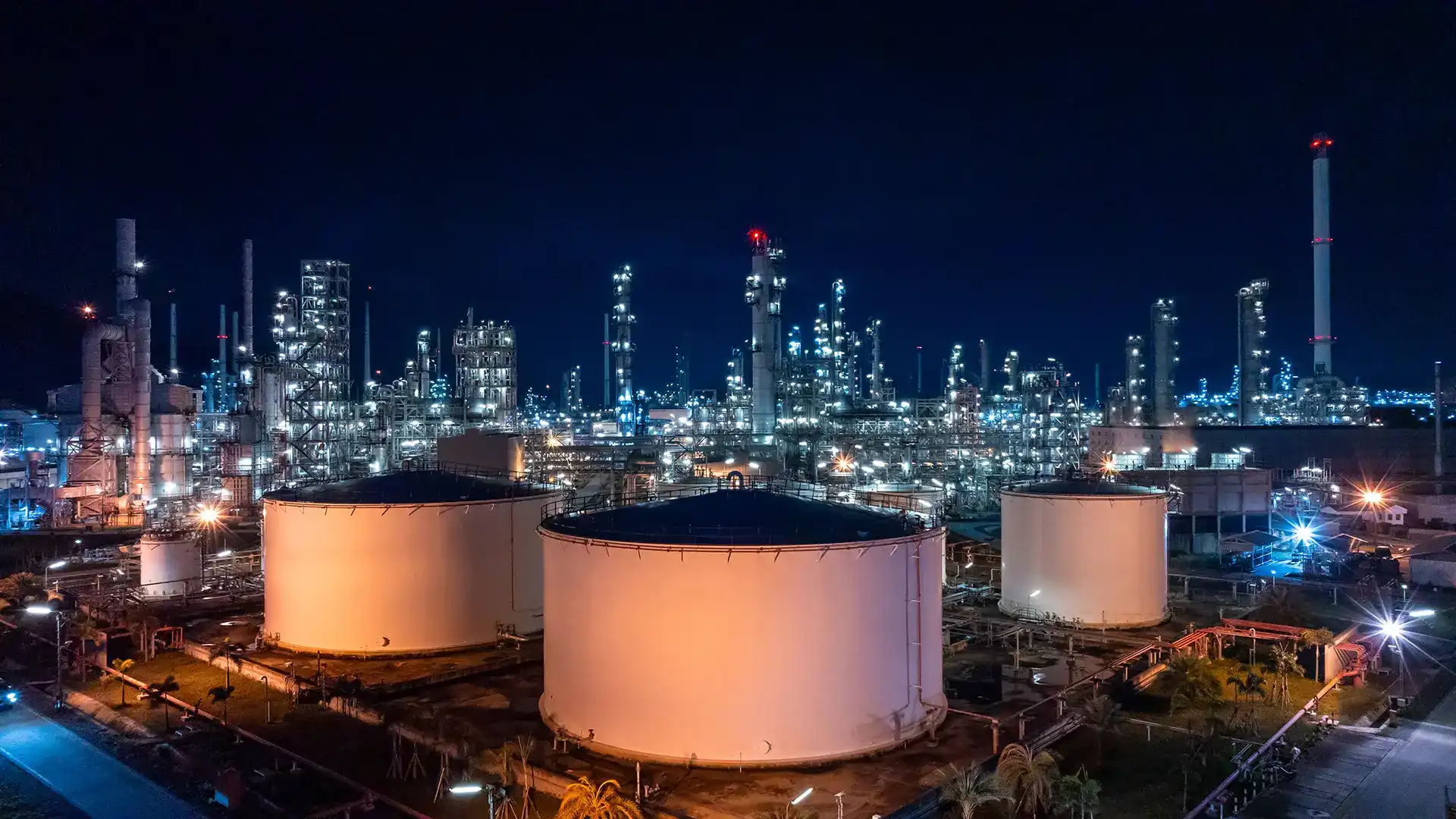
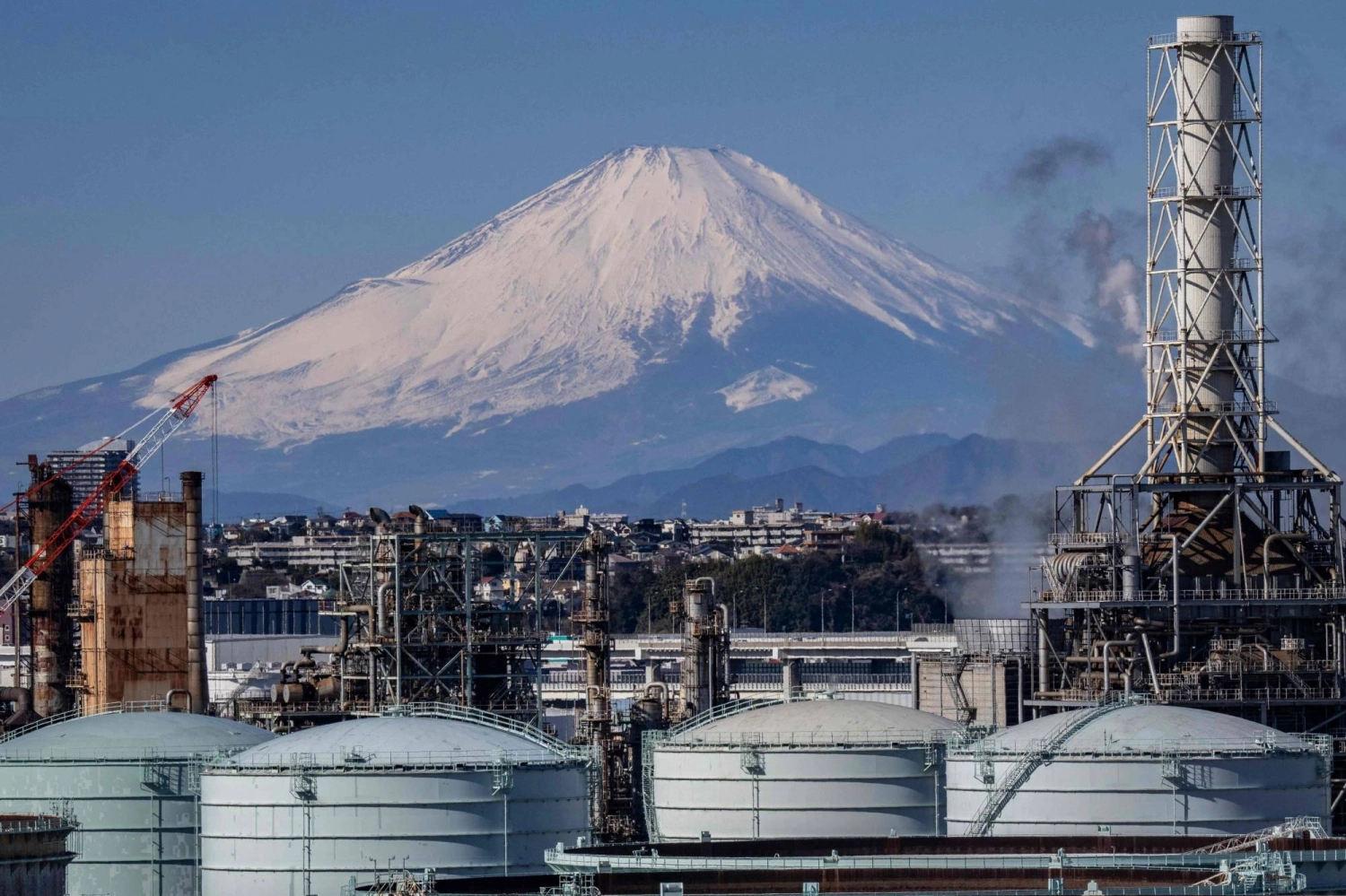
On the buy side, Asian refineries the largest consumers of Persian Gulf crude have been forced to draw on inventories and seek alternative suppliers. Refiners in Asia have increased purchases from Atlantic Basin producers to compensate for reduced Gulf flows. The premium for non-Persian Gulf crude has widened to $5-8 per barrel as buyers compete for alternative supply. On the sell side, Middle East producers with pipeline alternatives gain significant advantage. The UAE's Habshan-Fujairah pipeline enables a significant share of Abu Dhabi crude exports to reach the Gulf of Oman without transiting the Strait, allowing the UAE to maintain market share while competitors face transport constraints. Saudi Arabia's Red Sea terminals similarly provide Hormuz-free export capacity, though at higher transport costs to Asian markets.
For large integrated traders like Vitol or Trafigura with extensive derivatives access, the disruption creates both hedging opportunities and execution challenges. These operators can use Brent-Dubai spreads and tanker freight derivatives to hedge transport cost volatility, while positioning in non-Persian Gulf crude to capture the widening premium. The TD3C benchmark (Arabian Gulf to East Asia VLCC route) published daily by the Baltic Exchange serves as the basis for tanker freight derivatives traded on ICE and CME. Large traders can hedge freight exposure through these instruments, while smaller operators face the cost increase without derivatives protection. For regional fuel importers and independent distributors without derivatives access, the practical equivalent involves fixing long-term supply contracts with non-Gulf producers, accepting higher base costs to avoid transport volatility.
The financing dimension reveals how war-risk insurance fundamentally alters trade economics. Iran began demanding upfront cash payments of up to $2 million per tanker for guaranteed safe passage in March, though the United States warned that paying these illegal tolls risks violating Western sanctions. Letters of credit the standard financing instrument that makes international commodity trade possible become problematic when banks face sanctions risk from facilitating toll payments. The financing structure breakdown forces buyers toward pre-payment or cash against documents terms, concentrating counterparty risk and eliminating the risk distribution that L/Cs normally provide. The US has announced a $20 billion reinsurance program through the International Development Finance Corporation to help revive shipping through Hormuz, effectively using government balance sheets to restore the risk transfer mechanisms that private markets cannot price.
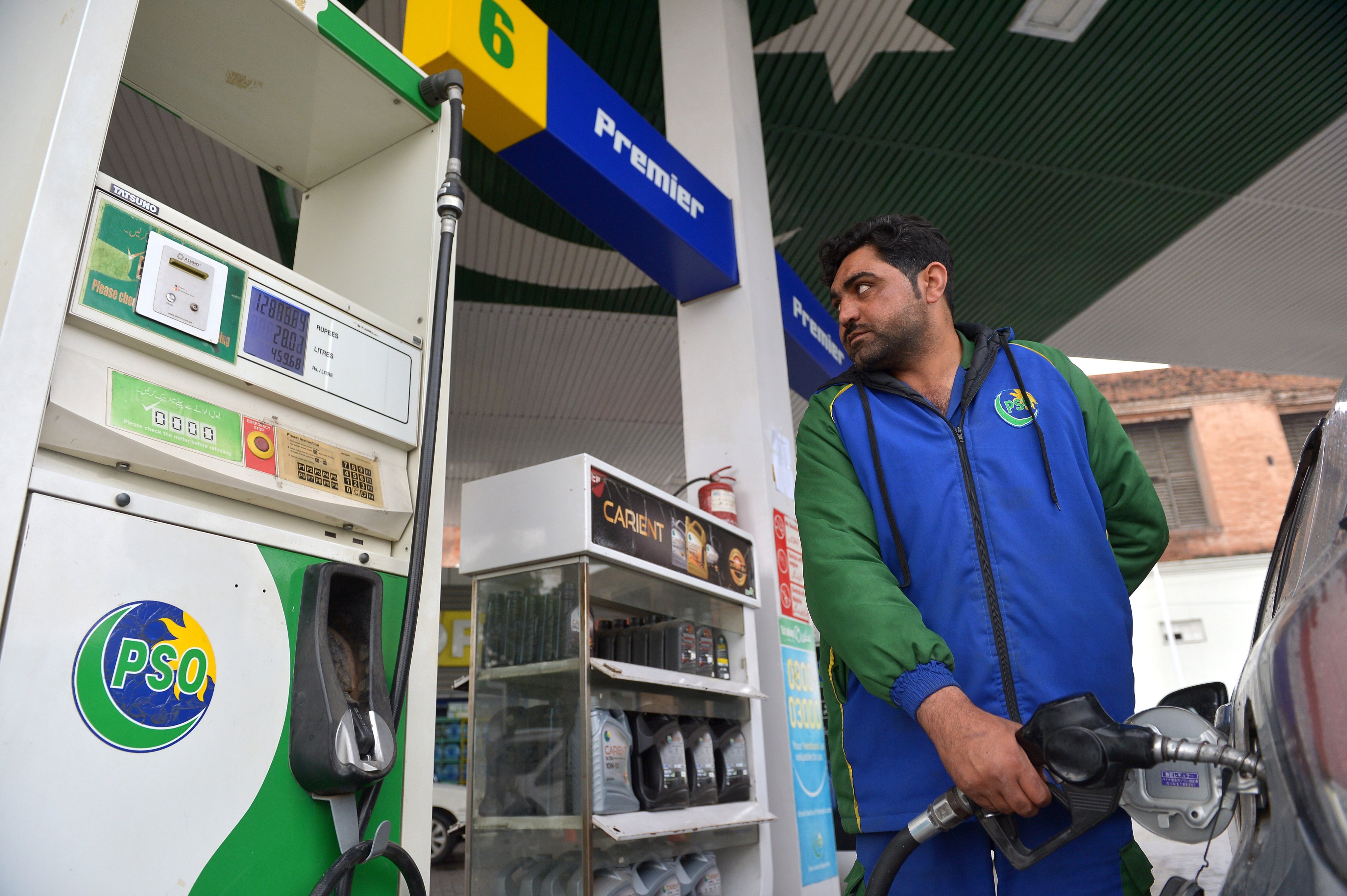
Freight is not a rounding error in this trade it determines where margin concentrates. South Korean refiner GS Caltex chartered a VLCC from Saudi Arabia's Yanbu port for $440,000 daily, while India's Reliance Industries chartered the Adamantios for $538,000 daily and another Indian petrochemical firm paid $770,000 daily for a separate VLCC. The $770,000 rate represents roughly 10 times normal Arabian Gulf-Asia freight costs. This freight premium approximately $7-8 per barrel on a 2 million barrel cargo exceeds the profit margins of many refineries. The additional freight cost becomes a transfer from oil consumers to the vessel operators who control scarce Hormuz-capable tonnage. Insurance costs and tanker rate spikes don't stay with shipowners they cascade through the supply chain, ultimately reaching fuel consumers as higher delivered crude prices.
Brent crude fell to $91.37 per barrel on May 29, down from recent highs, with prices dropping 17% in May as reports emerged of preliminary US-Iran ceasefire extension talks, though President Trump has not approved the deal and significant obstacles remain. The price decline reflects market expectations of eventual Hormuz reopening, but industry estimates suggest that even if commercial traffic resumes, global shipping costs will not fall quickly as war-risk insurance premiums remain elevated and insurers demand months of sustained stability. US defense officials estimate that clearing naval mines across the waterway could take up to six months, while confined navigation corridors of only 3km width in each direction will restrict throughput and increase escort requirements even after safe passage resumes. The physical infrastructure constraint means partial restoration rather than full normalisation.
The historical comparison reveals the insurance market's response pattern. During the Iran-Iraq Tanker War of the 1980s, many speculated that rising insurance rates would close the Strait of Hormuz, but shipping traffic never ceased for extended periods even at peak insurance rates. At the war's outbreak in September 1980, underwriters announced a 300% increase on cargo premiums, yet trade continued. However, current coverage costs of 5% of ship value represent roughly five times the levels seen in the earliest days of the Iran war suggesting this disruption exceeds historical precedents in insurance market stress. Following the 2003 Iraq invasion, rates for vessels around Iraq peaked at 3.5% of hull value before dropping to 0.25% by early 2004, but current Hormuz rates exceed even those crisis levels.
For observers monitoring this story's evolution, the key signal is the London market Joint War Committee's zone designations and the Baltic Exchange's TD3C tanker rate. The International Group of P&I Clubs voided existing war risk coverage at midnight on March 5, 2026, requiring new special coverage, while China Shipowners Mutual Assurance Association adopted the updated JWLA-033 war zone list effective March 8. A sustained reduction in TD3C rates below $300,000 daily roughly four times normal levels would signal genuine optimism about Hormuz normalisation. Insurers require clear evidence that incidents would not trigger renewed escalation before expanding coverage, with reopening alone insufficient to restore confidence without sustained stability. The timeline for confidence restoration extends far beyond any ceasefire announcement, with premiums unlikely to return quickly to pre-conflict levels, suggesting structurally higher shipping costs well into the recovery phase.
.jpg)
.jpg)

'%3e%3cg id='Final-Copy-2_2_' transform='translate(1275.000000, 200.000000)'%3e%3cpath class='st0' d='M7.4,12.8h6.8l3.1-11.6H7.4C4.2,1.2,1.6,3.8,1.6,7S4.2,12.8,7.4,12.8z'/%3e%3c/g%3e%3c/g%3e%3c/g%3e%3cg id='final---dec.11-2020'%3e%3cg id='_x30_208-our-toggle' transform='translate(-1275.000000, -200.000000)'%3e%3cg id='Final-Copy-2' transform='translate(1275.000000, 200.000000)'%3e%3cpath class='st1' d='M22.6,0H7.4c-3.9,0-7,3.1-7,7s3.1,7,7,7h15.2c3.9,0,7-3.1,7-7S26.4,0,22.6,0z M1.6,7c0-3.2,2.6-5.8,5.8-5.8 h9.9l-3.1,11.6H7.4C4.2,12.8,1.6,10.2,1.6,7z'/%3e%3cpath id='x' class='st2' d='M24.6,4c0.2,0.2,0.2,0.6,0,0.8l0,0L22.5,7l2.2,2.2c0.2,0.2,0.2,0.6,0,0.8c-0.2,0.2-0.6,0.2-0.8,0 l0,0l-2.2-2.2L19.5,10c-0.2,0.2-0.6,0.2-0.8,0c-0.2-0.2-0.2-0.6,0-0.8l0,0L20.8,7l-2.2-2.2c-0.2-0.2-0.2-0.6,0-0.8 c0.2-0.2,0.6-0.2,0.8,0l0,0l2.2,2.2L23.8,4C24,3.8,24.4,3.8,24.6,4z'/%3e%3cpath id='y' class='st3' d='M12.7,4.1c0.2,0.2,0.3,0.6,0.1,0.8l0,0L8.6,9.8C8.5,9.9,8.4,10,8.3,10c-0.2,0.1-0.5,0.1-0.7-0.1l0,0 L5.4,7.7c-0.2-0.2-0.2-0.6,0-0.8c0.2-0.2,0.6-0.2,0.8,0l0,0L8,8.6l3.8-4.5C12,3.9,12.4,3.9,12.7,4.1z'/%3e%3c/g%3e%3c/g%3e%3c/g%3e%3c/g%3e%3c/svg%3e) Privacy Choices
Privacy Choices