.avif)
.jpg)
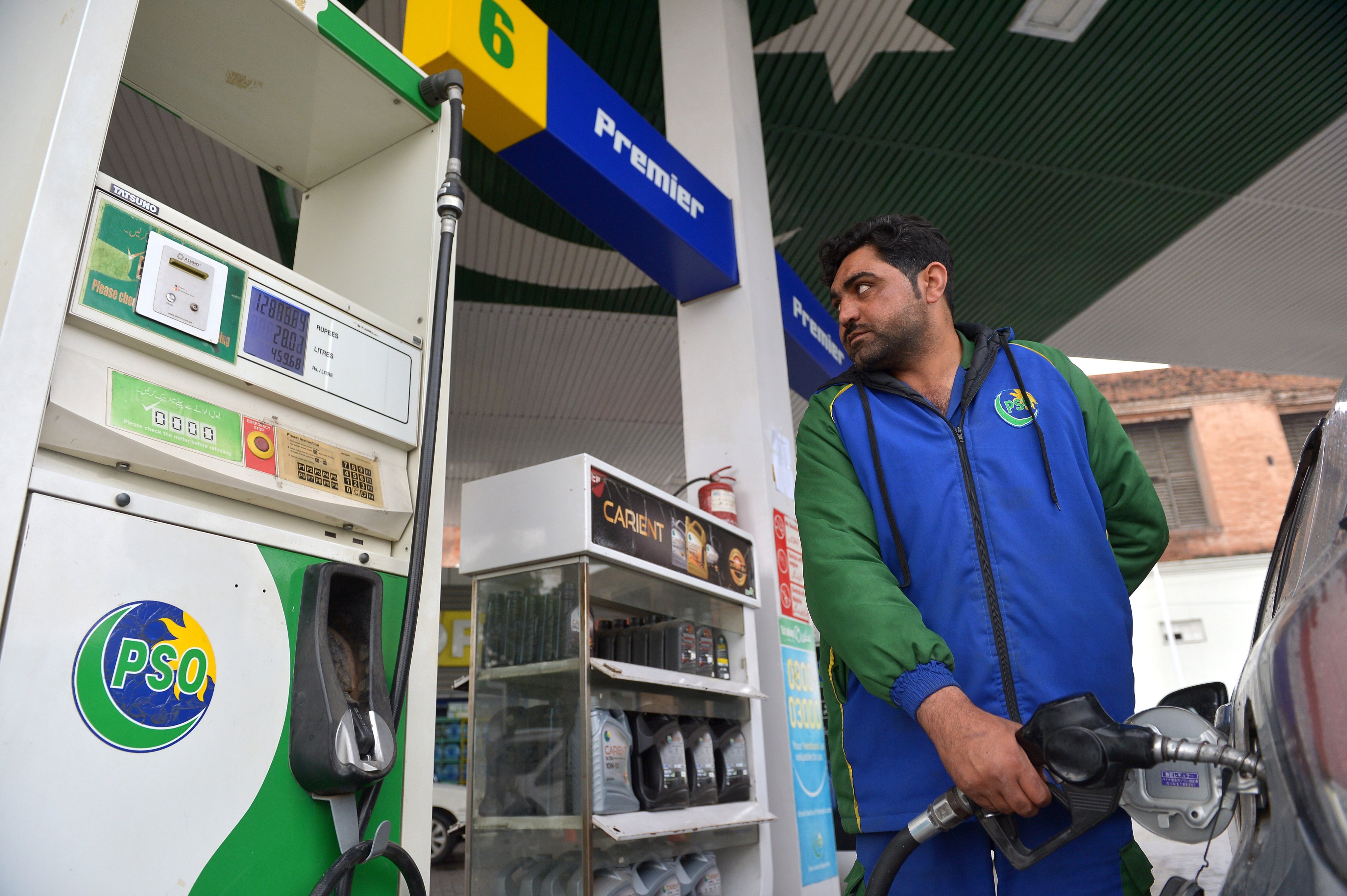
Commercial LPG cylinder operators across India absorbed a ₹993 price shock on May 1 the largest single-month increase in the country's history with 19kg cylinders jumping from ₹2,031 to ₹3,024 in Mumbai and from ₹2,078 to ₹3,071 in Delhi. The 43% increase comes as 60% of India's LPG demand is fulfilled by imports, most of which pass through the Hormuz Strait, now disrupted by the ongoing Iran conflict. KTR, the BRS working president, warned that the increase in commercial LPG cylinder prices, now touching Rs 3,315 in Hyderabad, could force restaurants and hotels to shut down, putting lakhs of workers at risk of losing their livelihoods. For a mid-sized restaurant using four cylinders monthly, the additional ₹3,972 per month (₹993 × 4) represents a direct hit to operating margins that most cannot absorb without raising menu prices.
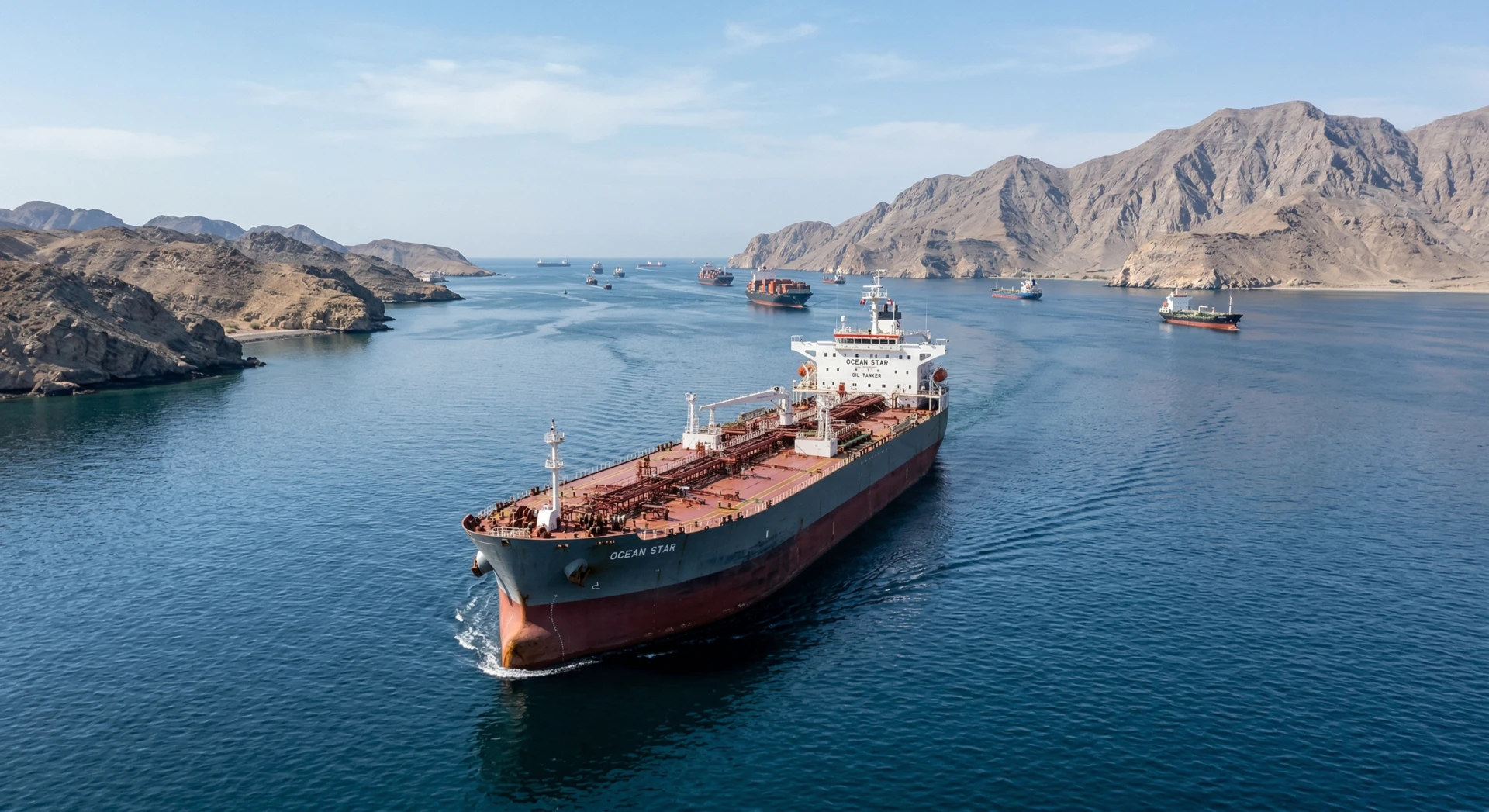
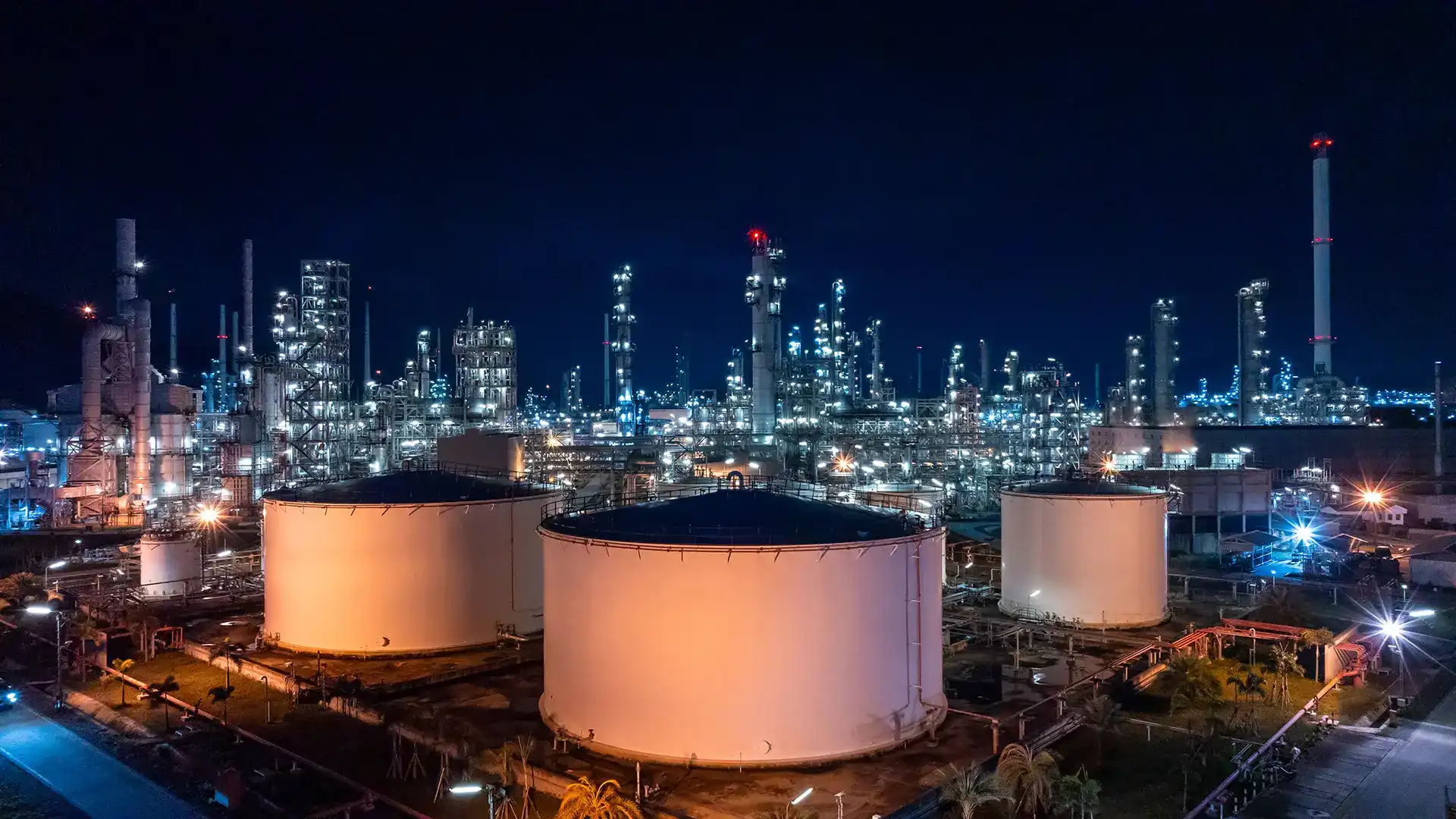
Liquefied Petroleum Gas (LPG) a mixture of propane and butane gases stored under pressure, used as cooking fuel in households and commercial kitchens faces severe import cost pressure as crude oil prices have crossed $120 per barrel during the ongoing conflict, with oil marketing companies facing significant under-recoveries estimated at ₹380 per cylinder and cumulative losses that could exceed ₹40,000 crore by the end of May. India's crude basket has jumped to USD120 (INR11,150) per barrel from around $69 in February, creating unsustainable import economics. The subsidy structure for domestic LPG where households pay ₹913 for 14.2-kg cylinders while commercial users bear full import costs creates artificial price separation that eventually requires correction. State-owned refiners (Indian Oil, Bharat Petroleum, Hindustan Petroleum) cannot absorb LPG import losses indefinitely without impacting public finances.
On the buy side: Restaurant chains and hotel groups face immediate margin compression of approximately ₹993 per cylinder, equivalent to ₹52 per kg of LPG a cost that directly flows through to food preparation expenses. A typical 100 seat restaurant using 10 cylinders monthly now faces an additional ₹9,930 in monthly operating costs, forcing menu price increases of 8-12% to maintain viability. The hike would inevitably lead to a sharp rise in food prices, including daily tiffin and meal costs, thereby affecting every household.
On the sell side: Indian state refiners are recovering LPG import losses estimated at ₹993 per commercial cylinder, bringing their selling price closer to actual import cost plus distribution margins. These companies are facing significant under-recoveries estimated at ₹380 per cylinder and cumulative losses that could exceed ₹40,000 crore by the end of May, making price adjustment unavoidable.
For large integrated hotel chains (Taj, Oberoi, ITC) with centralized procurement and derivatives access: Forward contracts on LPG or crude oil futures can hedge against further price increases, with three-month protection available at approximately ₹200-300 per cylinder premium. Corporate fuel cards from OMCs offer volume discounts of 2-3% on bulk purchases above 50 cylinders monthly. For smaller regional operators independent restaurants, street food vendors, catering services without derivatives access: Bilateral term contracts with local distributors can lock in prices for 30-60 days, though premiums of ₹50-100 per cylinder apply. Menu engineering (replacing LPG-intensive items with electric cooking alternatives) and shared kitchen facilities reduce per-unit LPG consumption. For observers: Track the India Commercial LPG Price Index monthly on the first of each month, with ±₹200 movements signaling supply stress or relief.
Opposition parties across India have demanded immediate rollback of the increase, with KTR criticizing the BJP-led Central Government for increasing cylinder prices by nearly Rs 1,000 at one go, an increase he described as "unheard of in the country's history," and urging the Central Government to reconsider its decision and immediately roll back the LPG price hike. The political dimension reflects broader energy security vulnerabilities as commercial LPG rates have been revised multiple times since March 2026, with cumulative increases reflecting the strain caused by disrupted global supply chains and rising import costs, as India depends heavily on LPG imports and has been particularly vulnerable to supply disruptions as tensions around the Strait of Hormuz impact global fuel movement. Watch for the June 1 LPG pricing announcement if commercial rates increase by another ₹500 or more, expect widespread restaurant closures in Tier-2 cities where menu elasticity is lower than metropolitan markets.
.jpg)
.jpg)
'%3e%3cg id='Final-Copy-2_2_' transform='translate(1275.000000, 200.000000)'%3e%3cpath class='st0' d='M7.4,12.8h6.8l3.1-11.6H7.4C4.2,1.2,1.6,3.8,1.6,7S4.2,12.8,7.4,12.8z'/%3e%3c/g%3e%3c/g%3e%3c/g%3e%3cg id='final---dec.11-2020'%3e%3cg id='_x30_208-our-toggle' transform='translate(-1275.000000, -200.000000)'%3e%3cg id='Final-Copy-2' transform='translate(1275.000000, 200.000000)'%3e%3cpath class='st1' d='M22.6,0H7.4c-3.9,0-7,3.1-7,7s3.1,7,7,7h15.2c3.9,0,7-3.1,7-7S26.4,0,22.6,0z M1.6,7c0-3.2,2.6-5.8,5.8-5.8 h9.9l-3.1,11.6H7.4C4.2,12.8,1.6,10.2,1.6,7z'/%3e%3cpath id='x' class='st2' d='M24.6,4c0.2,0.2,0.2,0.6,0,0.8l0,0L22.5,7l2.2,2.2c0.2,0.2,0.2,0.6,0,0.8c-0.2,0.2-0.6,0.2-0.8,0 l0,0l-2.2-2.2L19.5,10c-0.2,0.2-0.6,0.2-0.8,0c-0.2-0.2-0.2-0.6,0-0.8l0,0L20.8,7l-2.2-2.2c-0.2-0.2-0.2-0.6,0-0.8 c0.2-0.2,0.6-0.2,0.8,0l0,0l2.2,2.2L23.8,4C24,3.8,24.4,3.8,24.6,4z'/%3e%3cpath id='y' class='st3' d='M12.7,4.1c0.2,0.2,0.3,0.6,0.1,0.8l0,0L8.6,9.8C8.5,9.9,8.4,10,8.3,10c-0.2,0.1-0.5,0.1-0.7-0.1l0,0 L5.4,7.7c-0.2-0.2-0.2-0.6,0-0.8c0.2-0.2,0.6-0.2,0.8,0l0,0L8,8.6l3.8-4.5C12,3.9,12.4,3.9,12.7,4.1z'/%3e%3c/g%3e%3c/g%3e%3c/g%3e%3c/g%3e%3c/svg%3e) Privacy Choices
Privacy Choices