.avif)
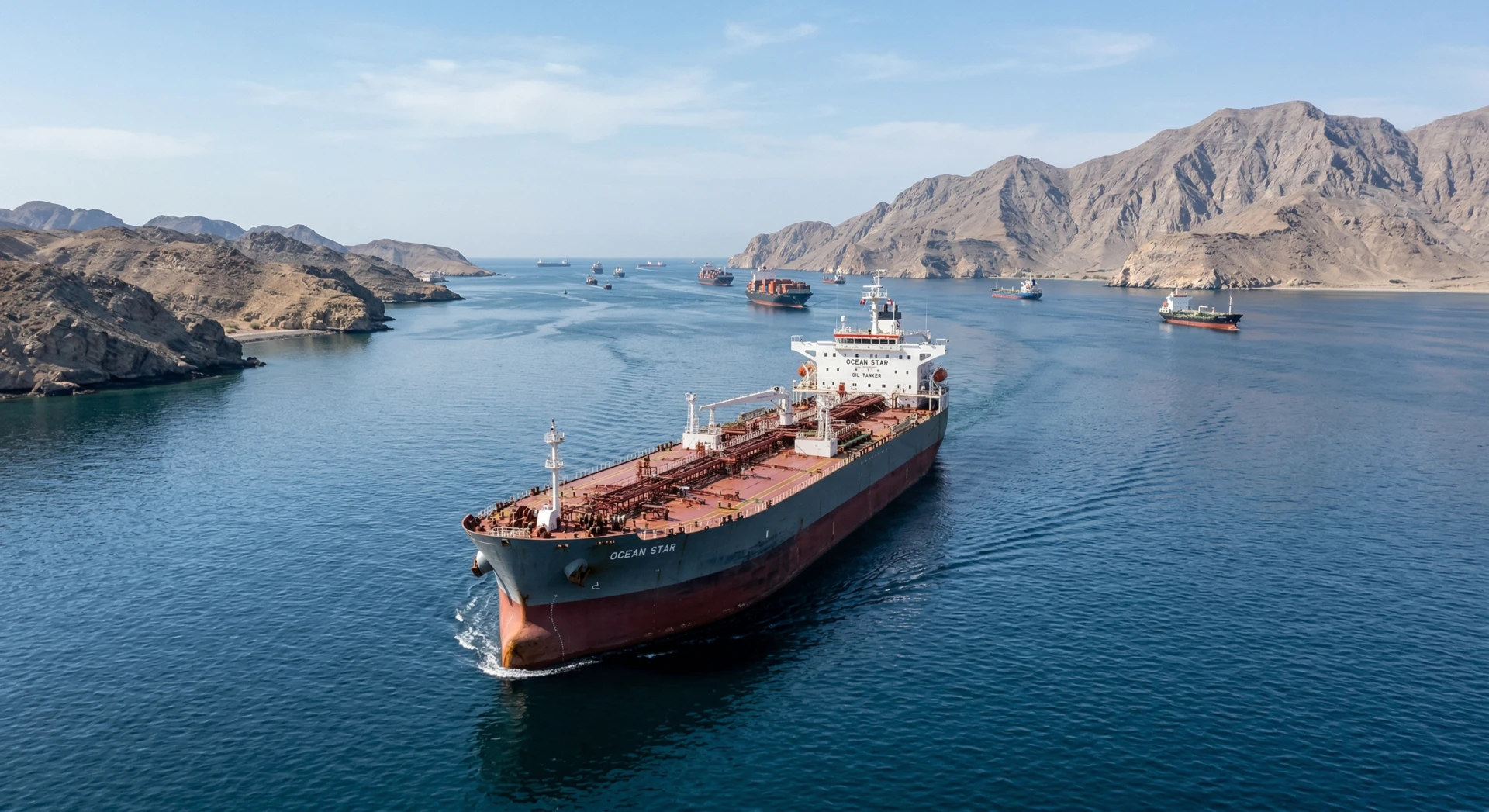
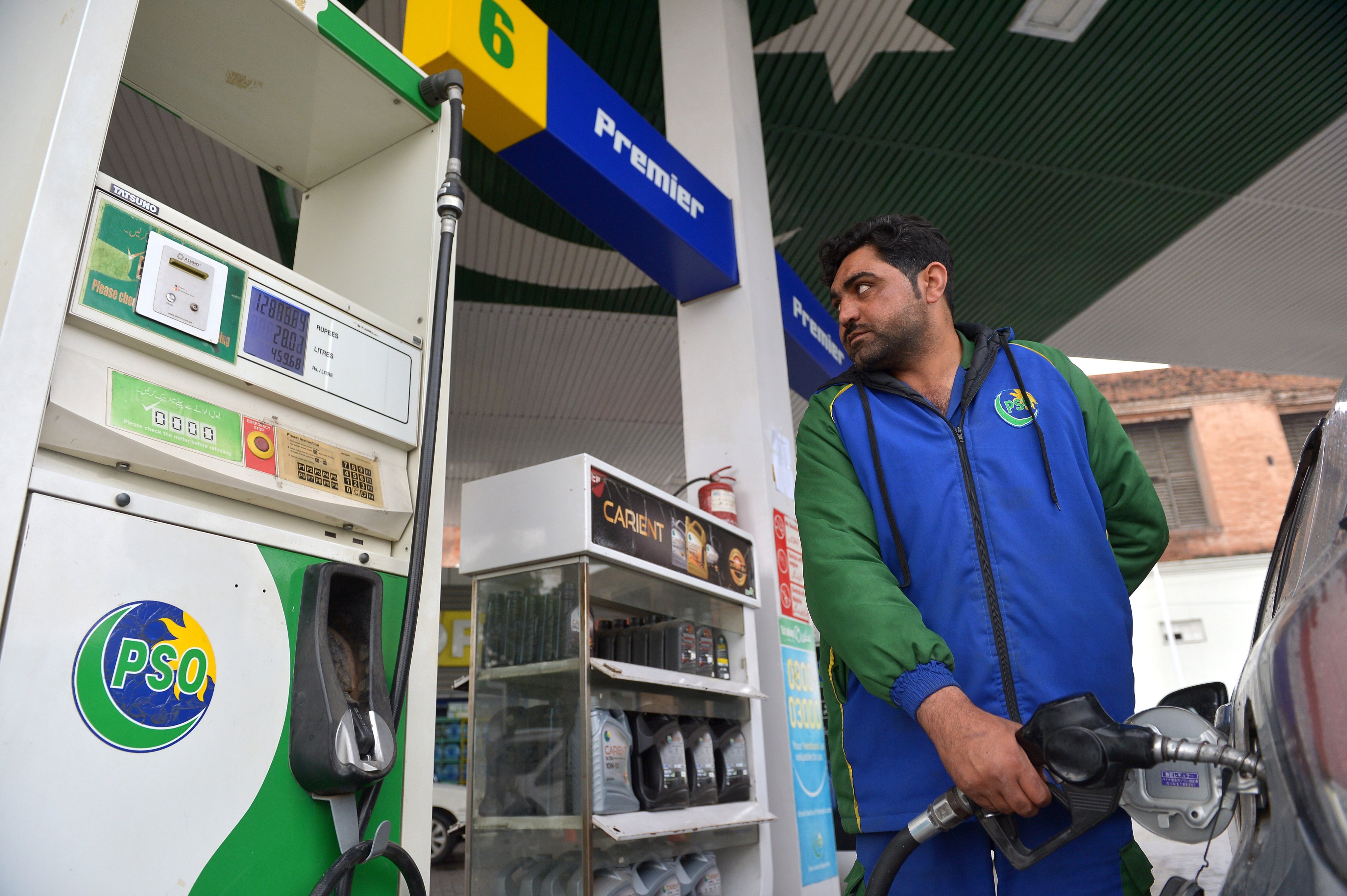
West Asia conflict disrupting Strait of Hormuz shipping has triggered unprecedented induction cooktop demand across India, with government officials reporting 8-10x sales increases in affected regions as consumers scramble for cooking alternatives amid LPG supply concerns. India imports about 60% of its LPG consumption with 90% of those imports transiting through the now-disrupted Hormuz corridor, creating immediate supply pressure for the country's 332 million LPG connections. LPG cylinder prices surged ₹60 in March 2026 to ₹913 in Delhi, with commercial cylinders seeing ₹115 increases, while panic booking has strained distributor networks despite government assurances of maintained 25-day urban delivery timelines. Consumer appliance manufacturers report demand spikes of 30-fold for electric cookstoves in initial weeks of the conflict, with Wonderchef CEO citing 8-10x higher induction demand directly linked to LPG supply issues.
India's induction cooktop market, valued at $763 million in 2025, projects growth to $842 million by 2026 at 10.35% CAGR, driven by geopolitical supply disruptions rather than systematic policy transition. Middle East suppliers provided 97% of India's total LPG imports in 2024, creating concentrated exposure when shipping routes face blockade conditions affecting 20% of global petroleum transit through Hormuz. Government emergency response included directing refineries to maximize LPG production by diverting propane and butane streams, increasing domestic output by 25% while prioritizing household consumers over commercial users. However, this supply substitution addresses only immediate crisis management rather than structural market transformation, as emergency domestic production increases can offset only portion of the 54% of normal supply exposed to Hormuz disruption.
India's power grid successfully met record peak demand of 250 GW in 2024 and 242.49 GW in 2025, with national energy shortages reduced to 0.1%, demonstrating infrastructure capacity to absorb additional electric cooking load. Government projections anticipate 458 GW peak demand by 2032 under the National Electricity Plan, indicating substantial headroom for appliance electrification without grid constraints. Large-scale electric cooking adoption could increase evening electricity demand, raising grid stability concerns if millions shift simultaneously, but current infrastructure investments target this expansion. Government e-cooking targets remain modest at 25% household adoption by 2030, with scenarios modeling 25-40% transition substituting 80% of LPG meals rather than complete fuel switching. The grid capacity narrative contradicts claims of immediate infrastructure limitations blocking induction adoption.
Long-term LPG supply contracts remain intact, with India securing $78 billion Qatar LNG extension through 2048 at lower rates, while Petronet LNG imports 8.5 million tonnes annually under extended agreements. ADNOC demonstrates supply flexibility by agreeing to deliver US LPG cargoes to Indian refiners under existing annual contracts, enabling geographic diversification without contract renegotiation. Future LNG demand gaps require new supply contracts or spot market purchases, but existing supplier relationships remain stable with Qatar and UAE maintaining long-term commitments to Indian buyers. Indian refiners have informed Middle East suppliers of potential 10% import reduction favoring US sources by 2026, but this reflects trade balancing rather than supply security concerns. Contract stability contradicts claims of forced renegotiation deadlines within six-month windows.
Current induction demand surge is crisis-driven by geopolitical worries rather than natural consumer preference shift, with industry noting broader kitchen appliance growth has stagnated outside panic buying periods. Structural adoption barriers include initial appliance costs discouraging low-income households, unreliable rural electricity supply, and behavioral resistance to cooking method changes. Despite efficiency advantages - induction offers 85-90% energy efficiency versus 55% for LPG flame cooking - uptake remains limited due to upfront cost barriers and awareness gaps. Policy experts recommend urban electrification to free LPG supplies for rural households lacking reliable electricity, suggesting complementary rather than substitutional fuel strategies. Market dynamics indicate temporary crisis response rather than permanent demand destruction.
India's supply chain operates on 'just-in-time' basis with 18-day LPG inventory coverage, creating vulnerability to sustained shipping disruptions but offering recovery potential once routes normalize. LPG imports grew 8.4% in 2025 to 23.3 million tonnes, with IEA projecting continued 2.5% annual demand growth through 2030 reaching 37.7 million tonnes, indicating structural consumption expansion despite crisis periods. Alternative sourcing from US, Canada, Algeria includes higher freight costs and 35-40 day transit times versus 10-12 days from Middle East, making geographic diversification economically challenging for routine operations. India's preference for long-term Middle East contracts reflects price stability needs versus US spot market exposure, suggesting supplier relationship durability beyond temporary disruptions. Recovery trajectory depends on shipping route normalization rather than permanent fuel switching.
India's electricity demand projects 5.58% CAGR for peak demand and 6.41% for energy requirements through 2035-36, reaching 459 GW peak and 3,365 billion units annually, driven by economic expansion and electrification including potential cooking transitions. LPG subsidy reductions of 28% for low-income households and 18% overall in 2025-26 budget could pressure residential consumption, but state-level relief programs like Andhra Pradesh's free cylinder schemes provide offsetting support. Induction sales of 11 million units in 2025 projecting 19 million by 2033 at 2.9% CAGR represent gradual adoption rather than crisis-driven transformation, with geopolitical events creating temporary acceleration. Long-term energy transition follows economic and infrastructure development rather than supply crisis catalysis, positioning current events as market volatility rather than structural pivot points.
.jpg)
.jpg)

'%3e%3cg id='Final-Copy-2_2_' transform='translate(1275.000000, 200.000000)'%3e%3cpath class='st0' d='M7.4,12.8h6.8l3.1-11.6H7.4C4.2,1.2,1.6,3.8,1.6,7S4.2,12.8,7.4,12.8z'/%3e%3c/g%3e%3c/g%3e%3c/g%3e%3cg id='final---dec.11-2020'%3e%3cg id='_x30_208-our-toggle' transform='translate(-1275.000000, -200.000000)'%3e%3cg id='Final-Copy-2' transform='translate(1275.000000, 200.000000)'%3e%3cpath class='st1' d='M22.6,0H7.4c-3.9,0-7,3.1-7,7s3.1,7,7,7h15.2c3.9,0,7-3.1,7-7S26.4,0,22.6,0z M1.6,7c0-3.2,2.6-5.8,5.8-5.8 h9.9l-3.1,11.6H7.4C4.2,12.8,1.6,10.2,1.6,7z'/%3e%3cpath id='x' class='st2' d='M24.6,4c0.2,0.2,0.2,0.6,0,0.8l0,0L22.5,7l2.2,2.2c0.2,0.2,0.2,0.6,0,0.8c-0.2,0.2-0.6,0.2-0.8,0 l0,0l-2.2-2.2L19.5,10c-0.2,0.2-0.6,0.2-0.8,0c-0.2-0.2-0.2-0.6,0-0.8l0,0L20.8,7l-2.2-2.2c-0.2-0.2-0.2-0.6,0-0.8 c0.2-0.2,0.6-0.2,0.8,0l0,0l2.2,2.2L23.8,4C24,3.8,24.4,3.8,24.6,4z'/%3e%3cpath id='y' class='st3' d='M12.7,4.1c0.2,0.2,0.3,0.6,0.1,0.8l0,0L8.6,9.8C8.5,9.9,8.4,10,8.3,10c-0.2,0.1-0.5,0.1-0.7-0.1l0,0 L5.4,7.7c-0.2-0.2-0.2-0.6,0-0.8c0.2-0.2,0.6-0.2,0.8,0l0,0L8,8.6l3.8-4.5C12,3.9,12.4,3.9,12.7,4.1z'/%3e%3c/g%3e%3c/g%3e%3c/g%3e%3c/g%3e%3c/svg%3e) Privacy Choices
Privacy Choices