.avif)
Every civilian fuel retailer operating in Crimea effectively lost their entire book of business on 26 June 2026, with government decree shutting them out of the market for a period that emergency logistics experts routinely measure in weeks, not days.
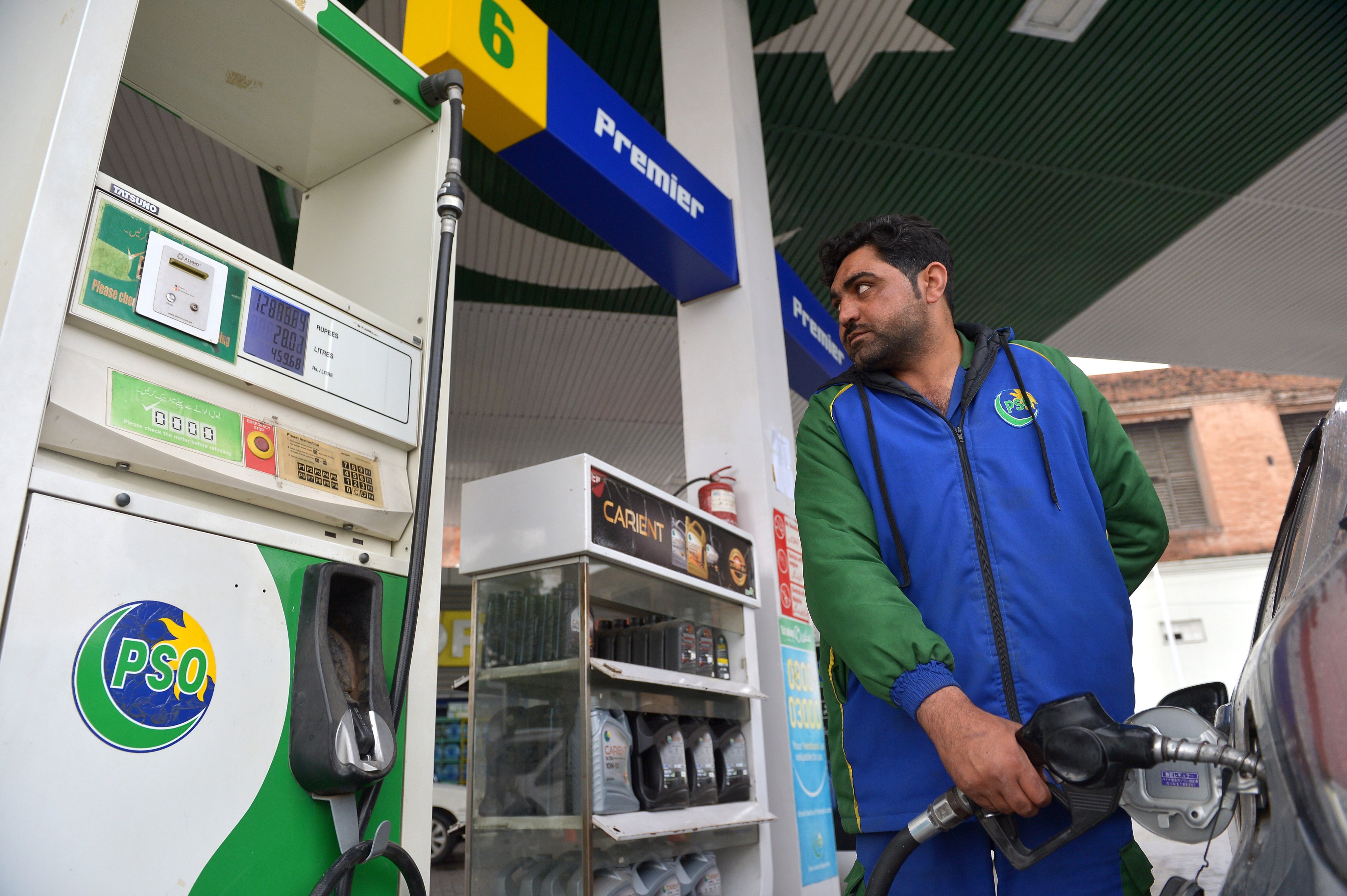
Ukrainian drone strikes, according to reports, destroyed electrical substations across Crimea on 26 June 2026, triggering rolling blackouts periods of planned or unplanned power cuts rotated across districts that cascaded into an acute fuel supply crisis within hours. Russian-installed authorities declared a regional state of emergency, a legal mechanism that suspends normal commercial rules and concentrates resource allocation authority in government hands. Gas stations across the peninsula ran out of fuel. Authorities then banned civilian fuel sales entirely, restricting supply to government agencies only. For the fuel distribution sector, this is not a market disruption in the normal sense it is a decree-enforced market closure. The commercial question is no longer about margins. It is about when, and under what conditions, the civilian market reopens.
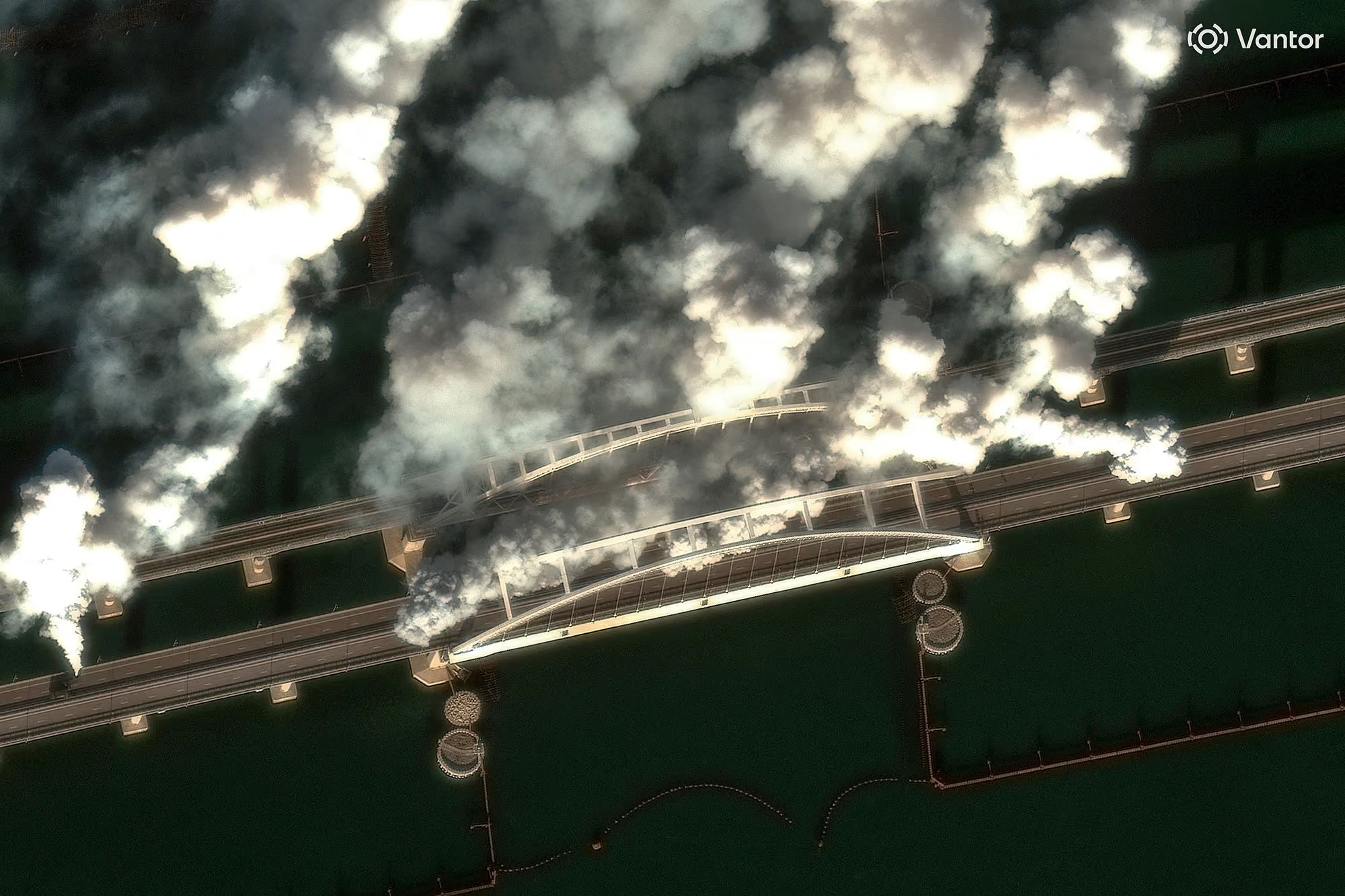
To understand why this crisis is structurally difficult to resolve, you need to understand Crimea's logistics geography. The peninsula is connected to mainland Russia by a single overland route: the Kerch Bridge a 19 kilometre road and rail crossing over the Kerch Strait that Russia completed in 2018 and that has already sustained previous Ukrainian attack damage. Prior to the June 2026 strikes, according to reports, all other bridges accessing Crimea were damaged, leaving the Kerch Bridge as the sole unimpeded surface corridor. Every litre of fuel needed to rebuild reserves, and every piece of power repair equipment, must now transit this single chokepoint. The Kerch Bridge is not a safe resupply option it is itself a previously struck, high-value target that Russian military planners already treat as fragile. Resupply logistics under these conditions are not a matter of commercial scheduling. They are a military convoy problem.
The margin anatomy of a Crimean fuel distributor in normal operating conditions is instructive. A mid-sized regional fuel distributor say, one managing 15–20 retail stations across Sevastopol and surrounding districts would typically operate on delivered margins of $18–$25 per metric tonne on diesel and petrol, after paying for product, road freight, and site costs. On a volume of 3,000 tonnes per month, that represents roughly $54,000–$75,000 in gross monthly margin. Under the current emergency decree, civilian sales are zero. Product allocation has been redirected to government agencies at administratively set prices, which in conflict-adjacent emergency conditions typically compress or eliminate commercial margins entirely. The distributor's fixed costs staff, leases, equipment continue. The revenue does not. At zero civilian throughput, a 30 day emergency period erases approximately $55,000–$75,000 in gross margin per mid-sized operator, before any physical damage to their own infrastructure is accounted for.
On the buy side, government-designated agencies military logistics units, emergency services, repair crews are now the only authorised fuel buyers in Crimea. They receive supply at allocated volumes and administratively determined pricing. There is no competitive procurement here, no spot market, no tender. Supply is rationed by decree. For these buyers, fuel availability is guaranteed in theory, but quantity and timing depend entirely on what can move across the Kerch Bridge under military escort. If that bridge sustains further damage which, if reports are accurate about the intensity of the current attack wave, is a genuine operational risk even government-designated buyers face supply interruption. On the sell side, civilian fuel retailers face a complete revenue freeze. Tourism operators, who would normally drive significant summer fuel demand across a peninsula that hosted millions of visitors annually before the conflict, have also effectively ceased operations following the emergency restrictions on public movement and the cancellation of summer programmes.
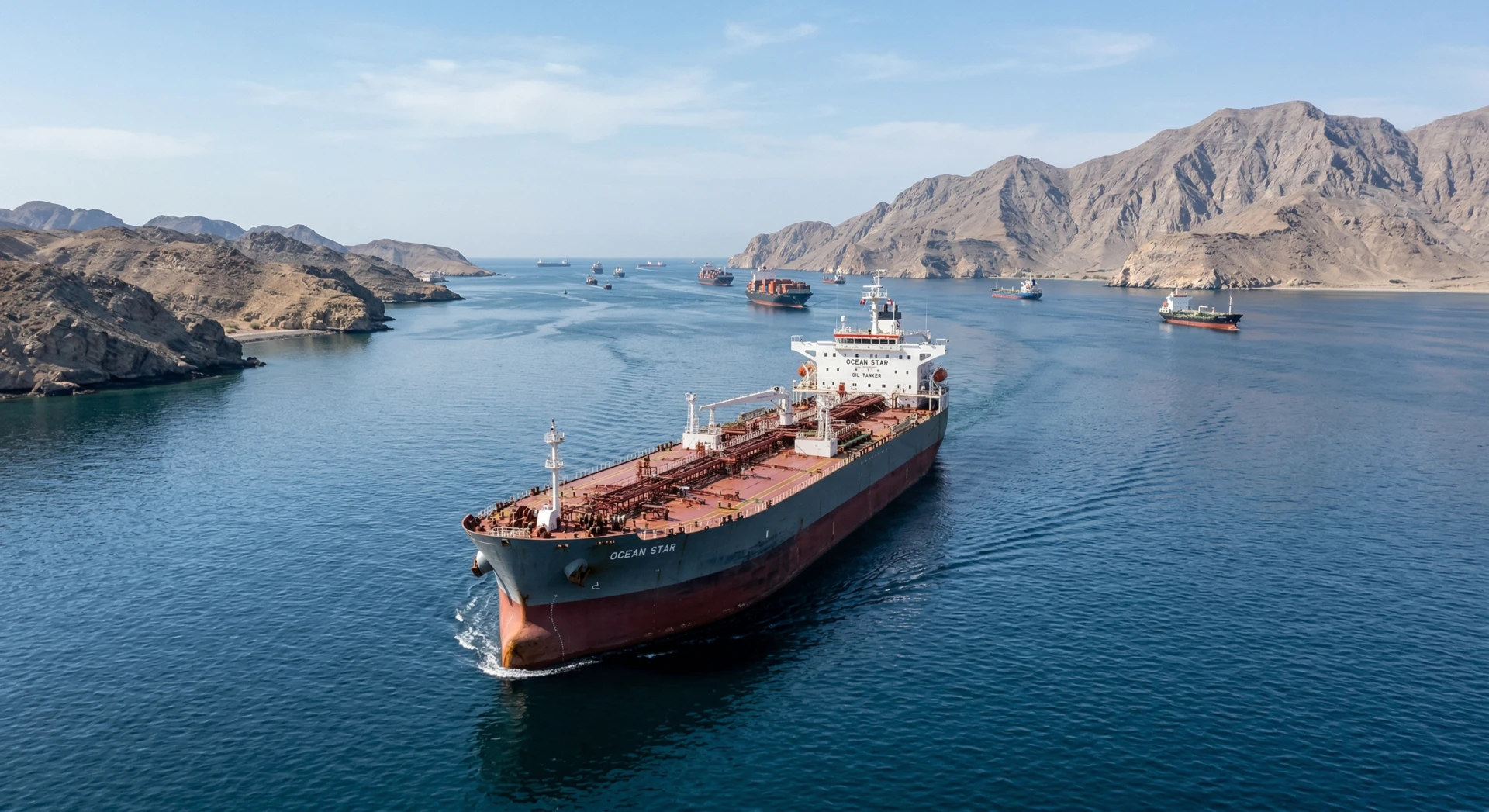
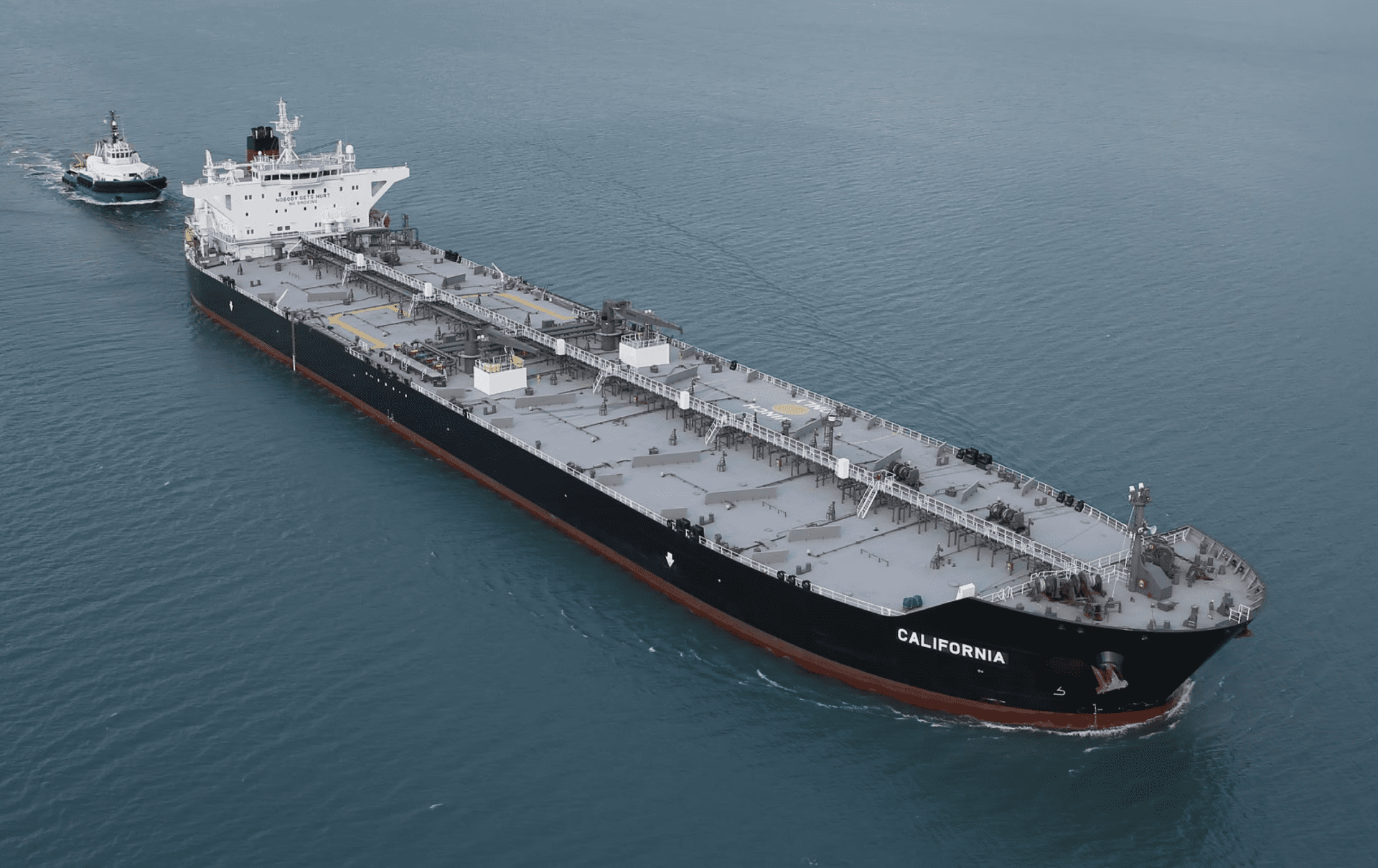
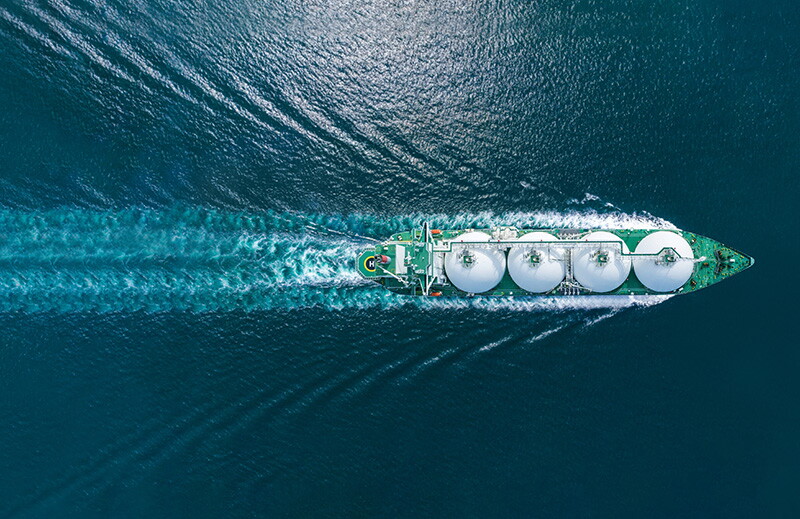
For a large integrated trader or national oil company's trading arm with access to derivatives financial instruments that allow operators to lock in prices or hedge against supply disruption this situation creates a specific opportunity in the broader Black Sea refined products market. If Crimean demand is structurally removed from the civilian market for weeks, regional refined product flows that previously served the peninsula may seek alternative outlets. Traders positioned in Black Sea diesel or petrol cargoes typically moving on Handysize or MR tankers (vessels carrying 25,000–45,000 tonnes) may see marginal demand signals shift in Turkish, Romanian, or Bulgarian markets as those cargoes are redirected. The volume is not large enough to move Platts benchmark prices materially, but basis differentials the spread between a benchmark price and the actual delivered price in a specific location in Black Sea ports could widen as cargo disposition changes.
For smaller regional fuel distributors operating in adjacent markets southern Ukrainian territories under Kyiv's control, or Romanian and Bulgarian Black Sea importers the more immediate operational question is inventory positioning. Without derivatives access, the practical instrument is bilateral term contracts with extended price-fixing windows. A regional distributor currently holding 60–90 days of forward inventory at fixed prices is insulated from short-term demand displacement. One holding 15–30 days of spot-priced supply is exposed to any regional price movement driven by cargo rerouting. The practical action is to extend fixed-price bilateral agreements now, before any rerouting effect registers in spot prices. The window for that is narrow typically five to ten working days after a disruption event before counterparties begin repricing risk.
The historical reference point that matters here is not the 2014 Crimea annexation but the 1980s Iran-Iraq tanker war, when infrastructure strikes on energy facilities in a conflict zone produced fuel shortages that persisted for months, not weeks, because the physical repair timeline was subordinate to the military timeline. Substations destroyed in conflict conditions are not repaired on commercial schedules. Repair crews require security clearance, protected corridors, and equipment that must itself transit through the same damaged infrastructure. According to reports, the June 2026 strikes were described by Russian-installed officials as among the largest since the 2014 annexation. If confirmed at that scale, the repair timeline is unlikely to be measured in days. The structural constraint is not engineering capacity. It is the Kerch Bridge corridor a single road and rail link that is itself under active threat, controlling the pace of every resupply and repair effort simultaneously.
For observers monitoring this situation, the single most time-sensitive signal is the operational status of the Kerch Bridge. Russian state media and Ukrainian military communications both report on this structure, often within hours of any incident. A second strike on the Kerch Bridge or a confirmed closure of its rail component, which carries the heaviest freight would trigger a step-change in the severity of the crisis: from a weeks-long emergency resolvable by convoy logistics to a structurally unresolvable fuel and power deficit requiring sea resupply through Russian Black Sea ports under military escort, a significantly slower and more expensive alternative. The 30 day window following 26 June 2026 is the critical observation period. If the bridge holds and repair crews make measurable progress on substations, a partial resumption of civilian fuel sales becomes plausible by late July. If bridge integrity deteriorates further, that timeline extends indefinitely and fuel distributors across adjacent markets should plan their inventory positions accordingly.
.jpg)
'%3e%3cg id='Final-Copy-2_2_' transform='translate(1275.000000, 200.000000)'%3e%3cpath class='st0' d='M7.4,12.8h6.8l3.1-11.6H7.4C4.2,1.2,1.6,3.8,1.6,7S4.2,12.8,7.4,12.8z'/%3e%3c/g%3e%3c/g%3e%3c/g%3e%3cg id='final---dec.11-2020'%3e%3cg id='_x30_208-our-toggle' transform='translate(-1275.000000, -200.000000)'%3e%3cg id='Final-Copy-2' transform='translate(1275.000000, 200.000000)'%3e%3cpath class='st1' d='M22.6,0H7.4c-3.9,0-7,3.1-7,7s3.1,7,7,7h15.2c3.9,0,7-3.1,7-7S26.4,0,22.6,0z M1.6,7c0-3.2,2.6-5.8,5.8-5.8 h9.9l-3.1,11.6H7.4C4.2,12.8,1.6,10.2,1.6,7z'/%3e%3cpath id='x' class='st2' d='M24.6,4c0.2,0.2,0.2,0.6,0,0.8l0,0L22.5,7l2.2,2.2c0.2,0.2,0.2,0.6,0,0.8c-0.2,0.2-0.6,0.2-0.8,0 l0,0l-2.2-2.2L19.5,10c-0.2,0.2-0.6,0.2-0.8,0c-0.2-0.2-0.2-0.6,0-0.8l0,0L20.8,7l-2.2-2.2c-0.2-0.2-0.2-0.6,0-0.8 c0.2-0.2,0.6-0.2,0.8,0l0,0l2.2,2.2L23.8,4C24,3.8,24.4,3.8,24.6,4z'/%3e%3cpath id='y' class='st3' d='M12.7,4.1c0.2,0.2,0.3,0.6,0.1,0.8l0,0L8.6,9.8C8.5,9.9,8.4,10,8.3,10c-0.2,0.1-0.5,0.1-0.7-0.1l0,0 L5.4,7.7c-0.2-0.2-0.2-0.6,0-0.8c0.2-0.2,0.6-0.2,0.8,0l0,0L8,8.6l3.8-4.5C12,3.9,12.4,3.9,12.7,4.1z'/%3e%3c/g%3e%3c/g%3e%3c/g%3e%3c/g%3e%3c/svg%3e) Privacy Choices
Privacy Choices