.avif)
Equity partners in Karachaganak Eni and Shell as co-managing operators under Karachaganak Petroleum Operating (KPO) are losing an estimated $1.7–2.0 million per day in combined production revenue as of 26 June 2026, following a drone strike on Russia's Orenburg gas-processing plant that has forced a 26% cut to the field's crude output effective immediately.
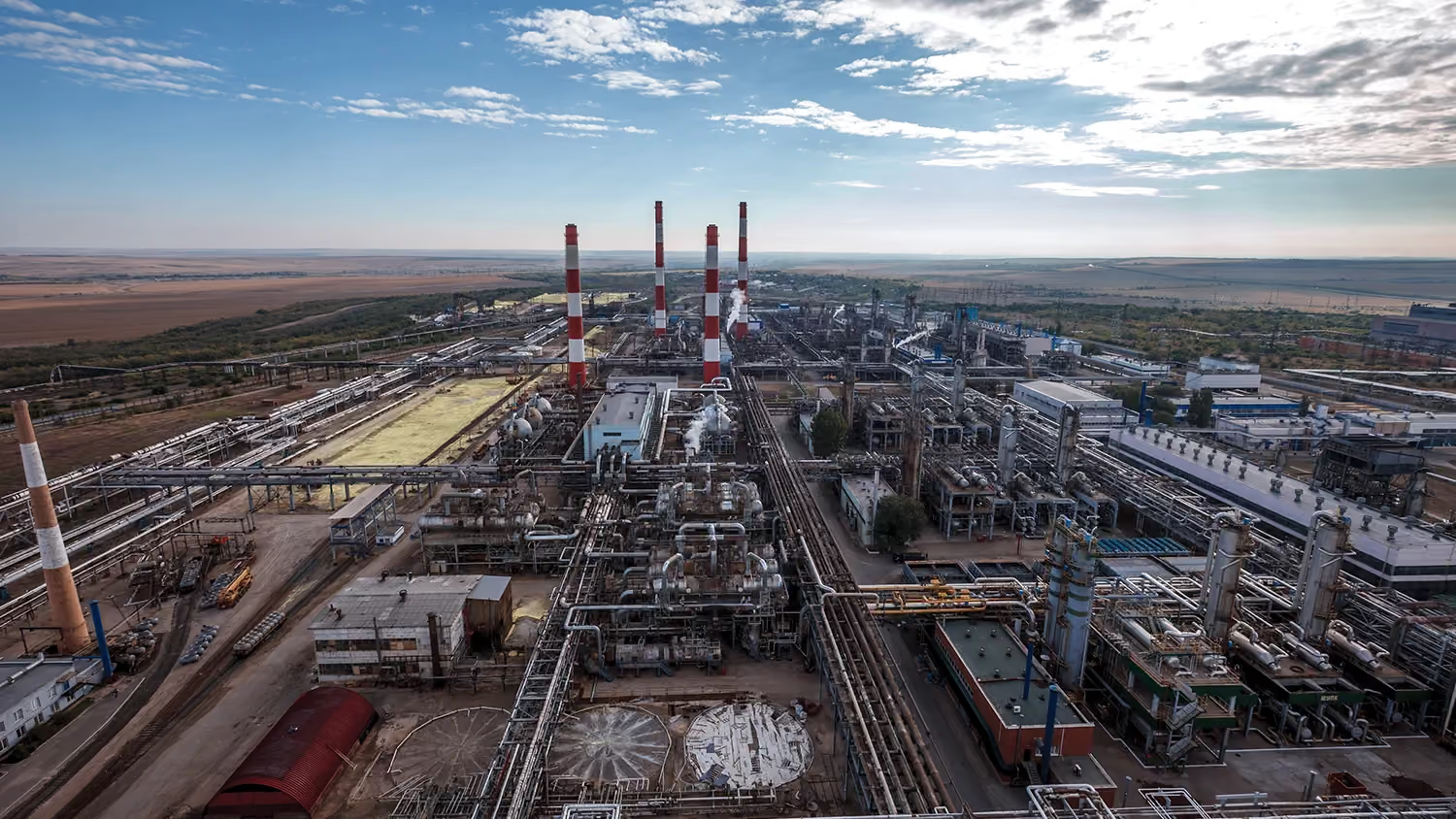
The mechanics of this shutdown are rooted in Soviet-era infrastructure design that most Western market participants underestimate. Karachaganak, located in north-west Kazakhstan near the Russian border, is not simply an oil field it is an integrated condensate and gas reservoir where oil and gas production are operationally inseparable. The field's raw gas must travel approximately 170 kilometres north across the Russian border to the Orenburg Gas Processing Plant a facility originally built under the Soviet system to serve this exact cross-border supply chain before associated liquids can be fully separated and oil production sustained at full rates. According to reports from Ukraine's General Staff, a drone strike halted Orenburg's operations; Bloomberg was unable to independently verify the claim. What is verifiable is the output data: Karachaganak has dropped from approximately 34,000–35,500 metric tons per day (roughly 260,000–263,000 barrels of oil equivalent per day) to around 25,000 metric tons per day, or approximately 180,000 barrels per day. The 9,000 MT/day gap roughly 65,000 barrels per day is offline with no confirmed restart date.
The contractual reality compounds the physical one. KPO's gas offtake and processing arrangements with Orenburg are governed by long-term frameworks inherited from the Soviet era agreements that do not contain flexible rerouting provisions. There is no alternative processing infrastructure on the Kazakh side of the border capable of handling Karachaganak's high-BTU, sour gas gas with high energy content and elevated hydrogen sulphide levels requiring specialist processing before it can be safely transported or used. Even if Russian engineers begin repairs today, the restart sequence for integrated oil-gas production of this complexity is measured in weeks, not days. Critically, the repair timeline is entirely Russian-controlled. Kazakhstan's energy minister Yerlan Akkenzhenov confirmed repairs are underway, but offered no timeline. Astana has no operational lever to pull. The output recovery of one of Kazakhstan's three largest hydrocarbon projects accounting for roughly 10% of national crude production depends on decisions made in Moscow.
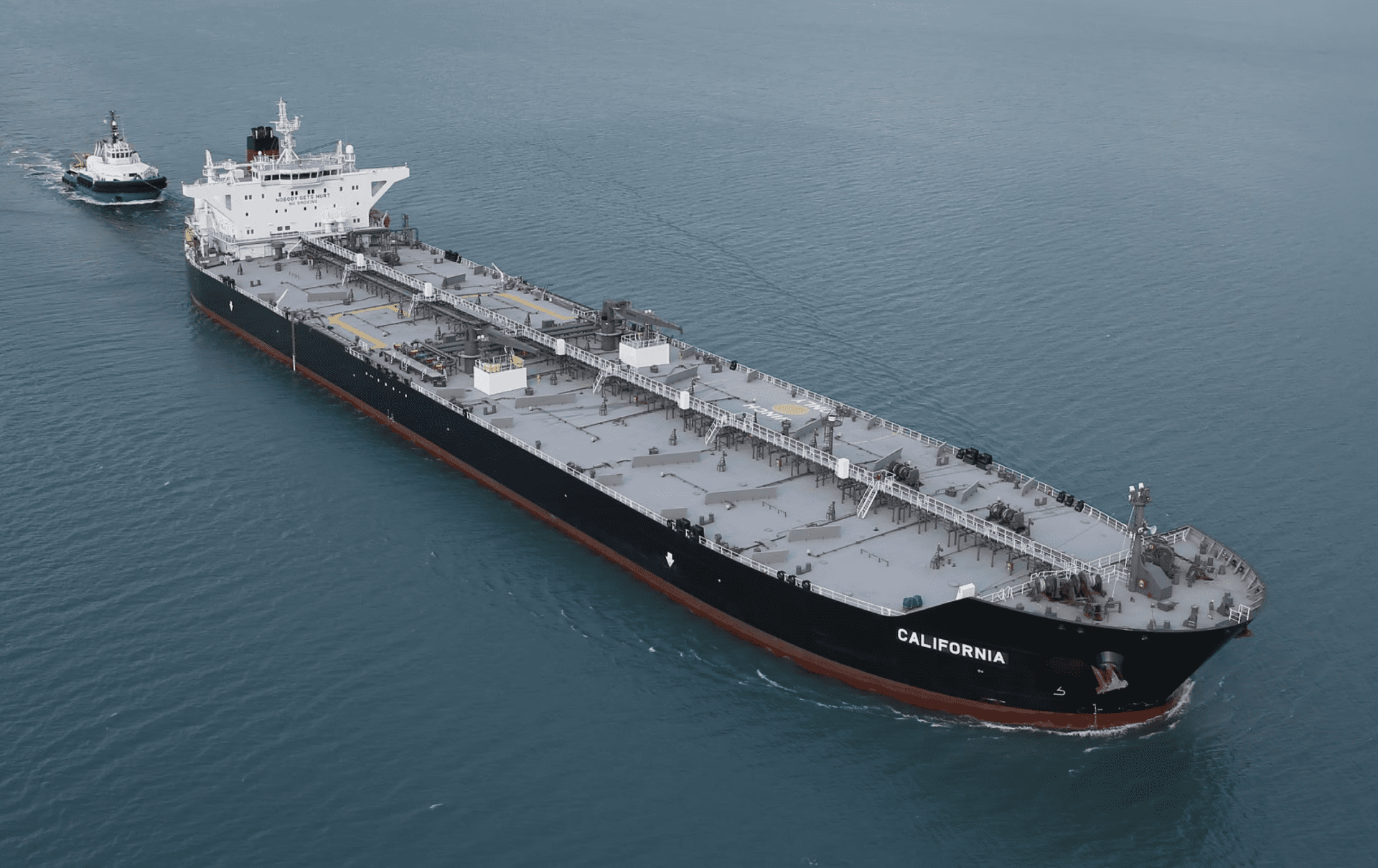
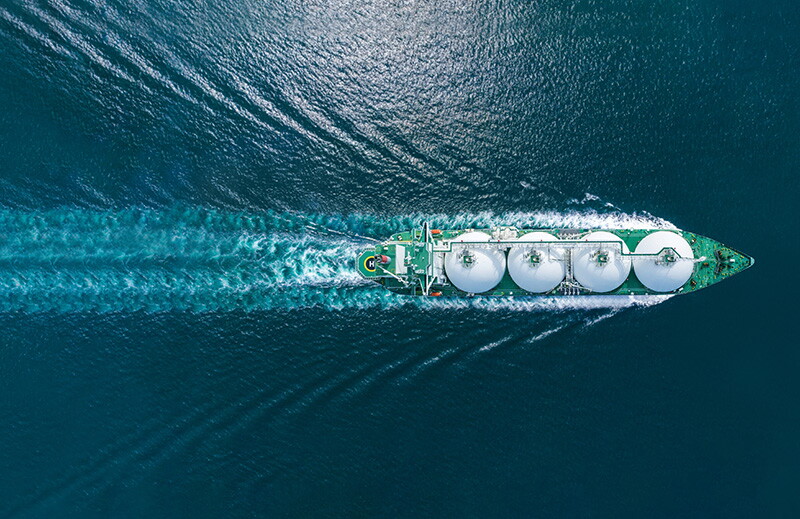
CPC Blend the export grade produced from Karachaganak and neighbouring Caspian fields, named for the Caspian Pipeline Consortium that carries it 1,500 kilometres from Kazakhstan to the Russian Black Sea terminal at Novorossiysk is the crude most directly affected. Term buyers who had contracted CPC Blend liftings through Novorossiysk now face a structural shortfall. A Suezmax tanker a vessel class carrying approximately 130,000–150,000 deadweight tonnes, the standard unit for CPC Blend exports lifting from Novorossiysk would ordinarily deliver into Mediterranean refineries within four to seven days. Replacing that barrel requires sourcing alternatives: Azeri Light via the BTC pipeline (Baku-Tbilisi-Ceyhan) to the Turkish port of Ceyhan, West African grades, or Middle Eastern sour crudes routed through the Suez Canal. Each alternative extends voyage economics by five to fifteen days and introduces a replacement premium of $1–3 per barrel depending on the grade and the urgency of the refiner's programme.
To make the margin anatomy concrete: consider a Mediterranean refinery running a 100,000 barrel per day throughput programme with 30% CPC Blend in its diet 30,000 barrels per day sourced on term. With 65,000 barrels per day of CPC Blend effectively offline across the market, spot replacement is not guaranteed at parity. If that refinery must source 30,000 barrels per day of Azeri Light from Ceyhan at a $2/bbl premium to its contracted CPC price, the incremental monthly cost is approximately $18 million. That is not a rounding error it is a quarterly earnings line item. The refinery's cracking margin the difference between the value of refined products and the cost of crude input compresses by the full $2/bbl unless product prices simultaneously rise, which requires competing refineries to face the same input cost increase. In a regional shortage of this nature, that transmission is likely but not immediate.
On the sell side, the beneficiaries are well-defined. Azeri Light traders with BTC route positions and spot barrels available at Ceyhan are the primary gainers. The Brent-Azeri Light differential the premium or discount of Azeri Light against the North Sea Brent benchmark is likely to tighten or invert from its typical small discount as Mediterranean refiners compete for incremental barrels. Analysts estimate the potential premium at $1.50–3.00 per barrel above pre-disruption spread levels for traders who can place CPC-equivalent barrels into Mediterranean programmes on short notice. For a Suezmax cargo of 130,000 tonnes, a $2/bbl uplift across the voyage represents approximately $3.9 million in additional margin accruing to the cargo owner, not the vessel operator. West African traders with compatible sweet, medium grades (Bonny Light, Djeno) can also extract premium if Atlantic Basin freight is available. The winners are those who held surplus length in grades that can substitute, and who have freight booked.
For a large integrated trader a Trafigura, Vitol, or a national oil company's trading arm the instruments are clear. Buying CPC Blend replacement barrels on a floating-price basis tied to Brent with a fixed differential captures the arbitrage before spot premiums normalise. Simultaneously, going long Azeri Light differentials on a forward basis hedges the substitution cost for any term supply obligations. ICE Brent options with one-to-three month tenors provide tail-risk protection against a prolonged Orenburg outage, which remains the base case given Russian-controlled repair timelines. For a smaller regional operator a mid-sized Mediterranean fuel importer or an independent refinery without derivatives access the practical equivalent is to approach BTC-route traders bilaterally this week to fix optional volumes for July and August liftings at a known premium, accepting a $1.50–2.00/bbl cost now to avoid $3.00/bbl spot exposure if the outage extends into August. Locking bilateral optionality is not as efficient as a listed derivative, but it is the correct instrument for operators without exchange access.
This event has a structural dimension that extends beyond the immediate shortfall. The Karachaganak-Orenburg infrastructure linkage is not an anomaly it is representative of a network of cross-border Soviet-era energy dependencies that connect Kazakhstan, Uzbekistan, Turkmenistan, and southern Russia in ways that Western energy modelling routinely underweights. The last comparable demonstration of this vulnerability was the 2022 CPC pipeline suspension following storm damage to Novorossiysk's single-point mooring systems, which briefly removed approximately 1 million barrels per day from Mediterranean supply and spiked CPC Blend spot premiums by $4–6/bbl within a week. The Karachaganak disruption is smaller in absolute volume 65,000 barrels per day versus 1 million but the mechanism of externally controlled infrastructure with no Kazakh bypass option is identical. If the Orenburg outage persists beyond four weeks, secondary effects include Brent-Dubai spread widening the price gap between North Sea and Middle East crude as Mediterranean refiners compete with Asian buyers for Middle Eastern sour crudes, creating cross-basin arbitrage signals for traders with flexible freight positions.
The specific signal to track is the CPC Blend differential against Dated Brent as reported by Argus Media and Platts (S&P Global Commodity Insights), assessed daily for the Novorossiysk loading window. If the CPC Blend discount to Dated Brent narrows by more than $1.50/bbl from its 25 June close within the next ten trading days, it signals that replacement demand has not yet materialised at scale the market is pricing a short outage. If it widens beyond $2.00/bbl discount, it signals Mediterranean refiners are successfully sourcing alternatives and the substitution arbitrage is being absorbed elsewhere. Separately, watch Azeri Light's differential to Brent on the Platts window: a sustained move into premium territory by mid-July confirms that BTC-route traders are extracting the substitution margin. A confirmed restart date from Russian energy ministry channels or KPO's official communications is the single event that resets all of these signals.


.jpg)
'%3e%3cg id='Final-Copy-2_2_' transform='translate(1275.000000, 200.000000)'%3e%3cpath class='st0' d='M7.4,12.8h6.8l3.1-11.6H7.4C4.2,1.2,1.6,3.8,1.6,7S4.2,12.8,7.4,12.8z'/%3e%3c/g%3e%3c/g%3e%3c/g%3e%3cg id='final---dec.11-2020'%3e%3cg id='_x30_208-our-toggle' transform='translate(-1275.000000, -200.000000)'%3e%3cg id='Final-Copy-2' transform='translate(1275.000000, 200.000000)'%3e%3cpath class='st1' d='M22.6,0H7.4c-3.9,0-7,3.1-7,7s3.1,7,7,7h15.2c3.9,0,7-3.1,7-7S26.4,0,22.6,0z M1.6,7c0-3.2,2.6-5.8,5.8-5.8 h9.9l-3.1,11.6H7.4C4.2,12.8,1.6,10.2,1.6,7z'/%3e%3cpath id='x' class='st2' d='M24.6,4c0.2,0.2,0.2,0.6,0,0.8l0,0L22.5,7l2.2,2.2c0.2,0.2,0.2,0.6,0,0.8c-0.2,0.2-0.6,0.2-0.8,0 l0,0l-2.2-2.2L19.5,10c-0.2,0.2-0.6,0.2-0.8,0c-0.2-0.2-0.2-0.6,0-0.8l0,0L20.8,7l-2.2-2.2c-0.2-0.2-0.2-0.6,0-0.8 c0.2-0.2,0.6-0.2,0.8,0l0,0l2.2,2.2L23.8,4C24,3.8,24.4,3.8,24.6,4z'/%3e%3cpath id='y' class='st3' d='M12.7,4.1c0.2,0.2,0.3,0.6,0.1,0.8l0,0L8.6,9.8C8.5,9.9,8.4,10,8.3,10c-0.2,0.1-0.5,0.1-0.7-0.1l0,0 L5.4,7.7c-0.2-0.2-0.2-0.6,0-0.8c0.2-0.2,0.6-0.2,0.8,0l0,0L8,8.6l3.8-4.5C12,3.9,12.4,3.9,12.7,4.1z'/%3e%3c/g%3e%3c/g%3e%3c/g%3e%3c/g%3e%3c/svg%3e) Privacy Choices
Privacy Choices