.avif)
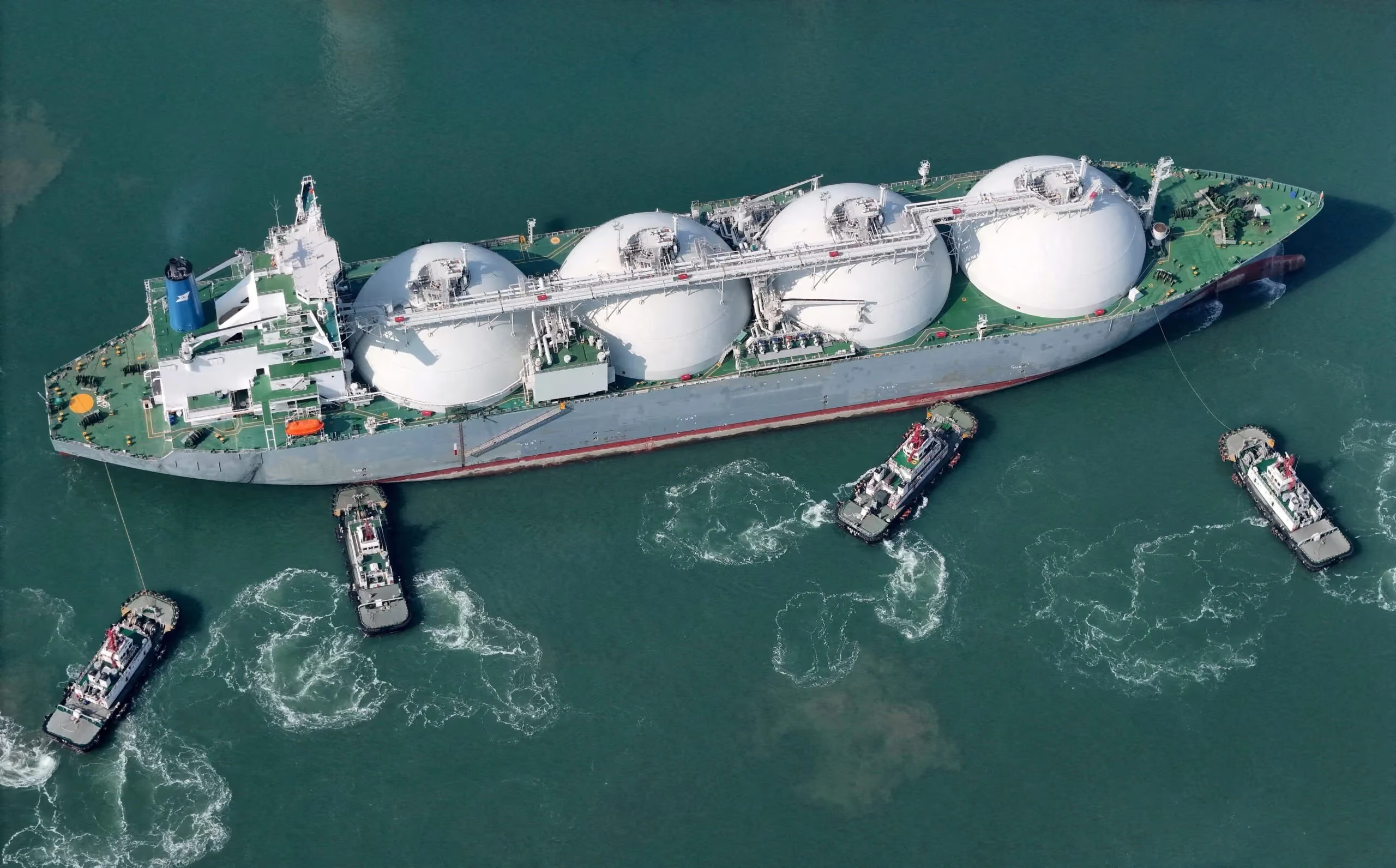
Pakistan LNG's emergency spot procurement will cost the state utility an estimated $5–$9 million more per cargo than equivalent Qatari contract volumes and the tender window opens in under 24 hours with no guarantee a compliant vessel exists.
The tender itself is a DES Delivered Ex-Ship contract, meaning the seller, not Pakistan LNG, is responsible for freight, insurance, and the physical risk of getting the cargo to Port Qasim's jetty. That structure matters enormously right now. With the Joint Maritime Information Center the multinational naval body that monitors Gulf shipping risk having raised its threat level to "substantial" and reports, according to sources, of at least one empty LNG tanker turning back from Hormuz transit, the DES structure transfers the routing decision, and the routing risk, entirely to the cargo seller. Any trader who bids must already have a vessel positioned within striking distance of Pakistan. The freight risk is priced in or it isn't bid at all.
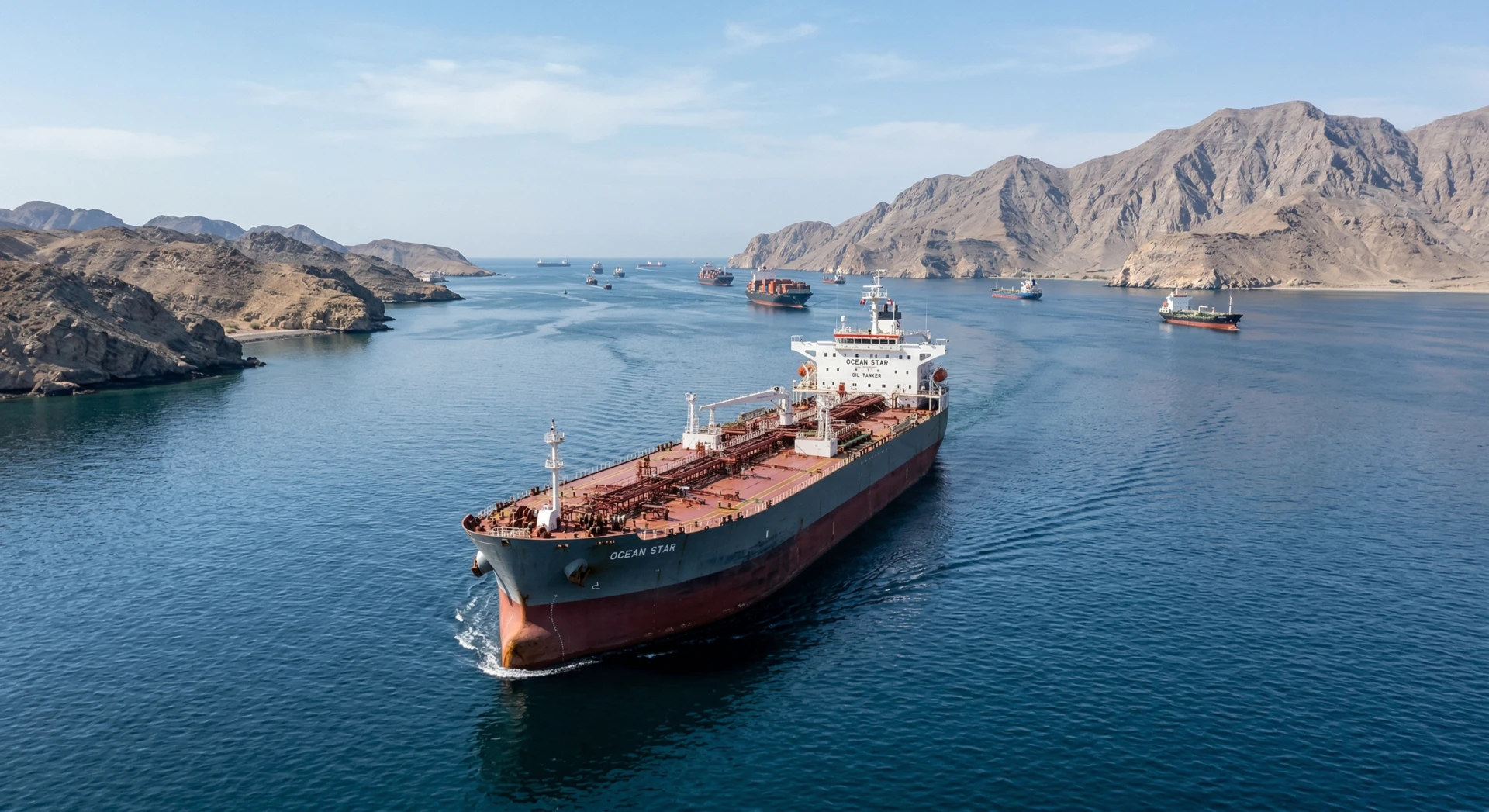
The Strait of Hormuz is a 33 kilometre wide navigational chokepoint at the mouth of the Persian Gulf through which, in normal conditions, roughly 20% of globally traded LNG passes daily. Pakistan's primary LNG supplier, Qatar operating from the Ras Laffan terminal on the Gulf's western shore ships almost every long-term contract cargo through Hormuz. A 140,000 cbm LNG carrier, which can hold approximately 2.9 billion cubic feet of natural gas in liquefied form, takes six to eight days to sail from Ras Laffan to Port Qasim under normal transit. That sailing time collapses the available bidder universe dramatically: for a June 30–July 4 delivery window with a tender closing June 29, only cargoes already at sea and within three to four days of Karachi are physically capable of compliance. This is not a global spot tender. It is a request aimed at whoever is already in position.
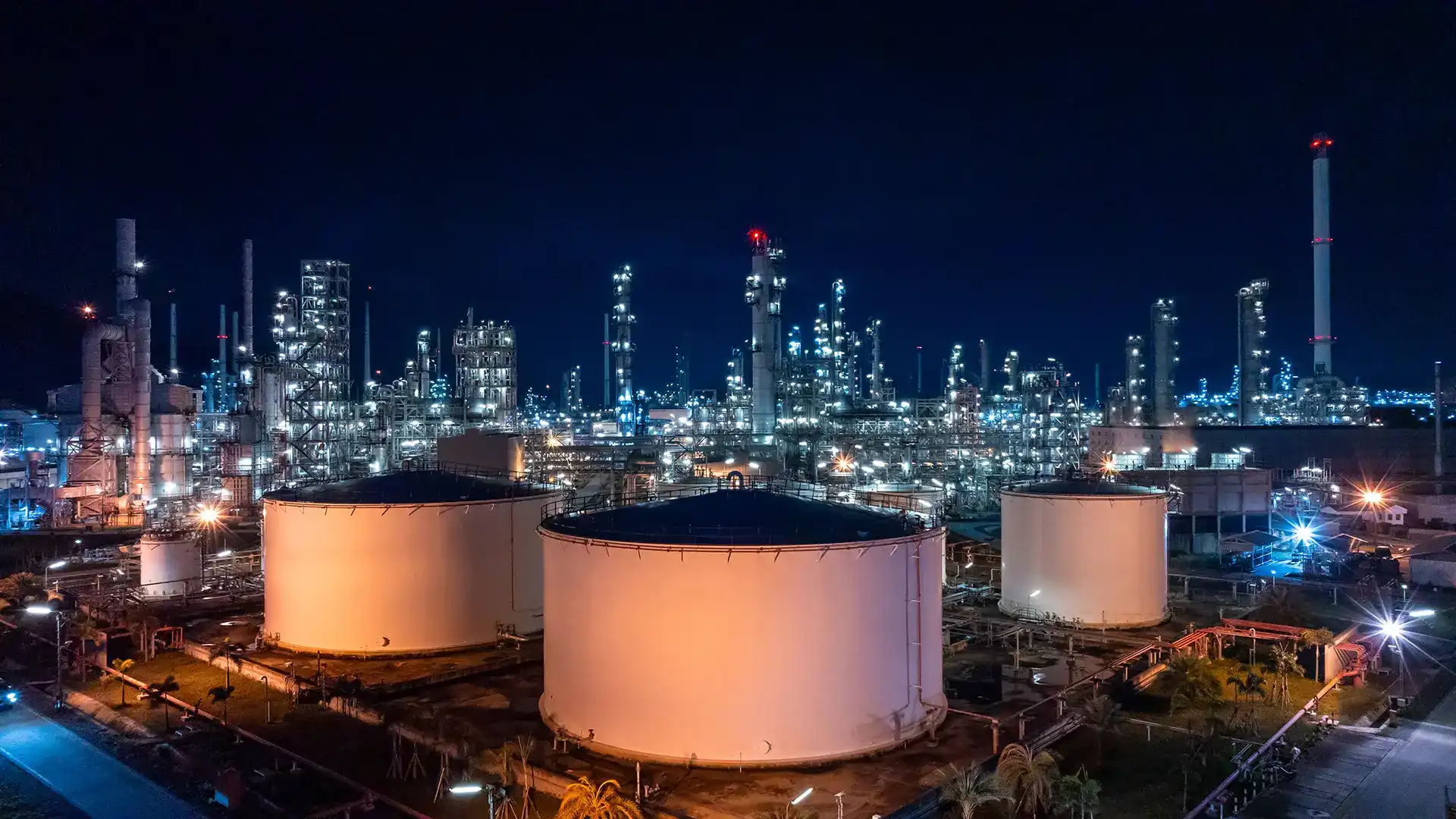
The cargo will be received at one of two floating storage and regasification units FSRUs at Port Qasim. An FSRU is a converted LNG carrier that sits permanently moored offshore, receiving LNG, warming it back to gas, and pumping it into the onshore pipeline network. Pakistan operates two: the BW Integrity at Pakistan GasPort's terminal and the Exquisite at Energo Elengy's facility. Each has a rated regasification capacity sufficient for this cargo size. The infrastructure is not the constraint. The constraint is getting the molecules there.
The margin anatomy of this situation is stark. Pakistan LNG's long-term Qatari contract volumes arrive at an effective delivered cost of approximately $12–$15 per MMBtu, MMBtu being the standard energy unit for gas, roughly the equivalent of 28.3 cubic metres of natural gas at atmospheric pressure. Spot LNG prices cited in the market this week are tracking $22–$25/MMBtu on a DES Pakistan basis. On a single 140,000-cbm cargo containing roughly 2.7 million MMBtu of energy the cost differential between contract and spot pricing runs to $5–$9 million per cargo. That gap does not fall on a trader. It falls on Pakistan LNG Ltd and, ultimately, on the Pakistani state and its power consumers.
On the sell side, the same disruption that destroys Pakistan's procurement economics creates a specific, time-bound margin opportunity for any LNG cargo holder with a vessel positioned outside the Hormuz closure zone. Consider a trader holding an Atlantic Basin LNG cargo originally targeted at Europe's TTF market the Title Transfer Facility, which is the Dutch virtual trading hub that serves as the European gas benchmark currently pricing at approximately $14–$16/MMBtu equivalent. Redirecting that cargo to Pakistan DES at $22–$25/MMBtu implies a gross netback improvement of $6–$9/MMBtu. On 2.7 million MMBtu, that is an additional $16–$24 million in gross margin on a single voyage. The additional sailing time from a mid-Atlantic or Northwest European loading port adds three to five days of ship-time cost at current LNG tanker charter rates of approximately $60,000–$80,000 per day, that is $240,000–$400,000 in additional freight. Against a $16–$24 million margin uplift, the freight cost is a rounding error. This is why the arbitrage from Atlantic Basin LNG into South Asia is wide open and actively being worked.
For a large integrated trader a Shell, TotalEnergies, or Vitol with a global portfolio of LNG positions and a fleet of tonnage under time charter the play is to identify any vessel currently positioned in the Indian Ocean, Arabian Sea, or already east of Suez with a flexible or uncommitted cargo, model the JKM-TTF Pakistan DES netback triangle, and move quickly. JKM the Japan Korea Marker is the Asian spot LNG price index; comparing JKM, TTF, and Pakistan DES netbacks tells a trader where their flexible cargo earns the most after accounting for freight to each destination. In this environment, Pakistan DES is likely the highest-return outlet for any vessel within range. For a smaller or independent LNG cargo holder without a proprietary fleet a regional re-exporter or a national utility with surplus contracted volumes the practical equivalent is to contact a shipbroker immediately and establish which vessels are currently idle or repositioning in the Arabian Sea. Speed matters here more than scale. The tender closes June 29. A cargo that could comply in 48 hours is worth considerably more than one that arrives on July 6.
The structural condition Pakistan faces is not new, and this tender is not an anomaly. Pakistan has been running spot market top-up purchases for three years, as domestic gas production has declined and power demand has grown faster than long-term contract capacity. Previous tenders have been cancelled when cheaper Qatari contract volumes covered the gap. This time the gap is not a demand fluctuation it is a supply corridor risk. Ras Laffan sits 50 kilometres inside the Strait of Hormuz. Even if Qatari volumes are contractually committed and operationally available, transit uncertainty alone makes them unreliable for a June 30 delivery commitment. The last time the Hormuz corridor was subject to comparable navigational risk was during the Iran-Iraq tanker war of the 1980s, when freight rates for Gulf-transiting vessels tripled within weeks of each major attack and buyers scrambled for non-Gulf supply routes. The current situation has not reached that severity, but the directional precedent is clear: Hormuz risk reprices every energy product that moves through it, and Pakistan is on the wrong side of that pricing.
Observers should track two signals with immediate relevance. First, watch the Spark25S the spot charter rate for 174,000 cbm LNG carriers, published daily by Spark Commodities for any acceleration from current levels, which would confirm that available tonnage near South Asia is being absorbed rapidly and that the tender may draw limited bids. Second, watch the Pakistan DES spot assessment on S&P Global Commodity Insights' LNG Daily, updated each business day. If the Pakistan DES assessment rises above $25/MMBtu by July 1, it signals that no compliant cargo was secured at the tender close and that Pakistan LNG is returning to the market likely at a premium. A price that falls back toward $20/MMBtu before July 3 would suggest a cargo was secured, Hormuz risk is being partially discounted, or Atlantic Basin supply reached a deal. Either outcome will be visible in the price before any official announcement.
.jpg)
.jpg)

'%3e%3cg id='Final-Copy-2_2_' transform='translate(1275.000000, 200.000000)'%3e%3cpath class='st0' d='M7.4,12.8h6.8l3.1-11.6H7.4C4.2,1.2,1.6,3.8,1.6,7S4.2,12.8,7.4,12.8z'/%3e%3c/g%3e%3c/g%3e%3c/g%3e%3cg id='final---dec.11-2020'%3e%3cg id='_x30_208-our-toggle' transform='translate(-1275.000000, -200.000000)'%3e%3cg id='Final-Copy-2' transform='translate(1275.000000, 200.000000)'%3e%3cpath class='st1' d='M22.6,0H7.4c-3.9,0-7,3.1-7,7s3.1,7,7,7h15.2c3.9,0,7-3.1,7-7S26.4,0,22.6,0z M1.6,7c0-3.2,2.6-5.8,5.8-5.8 h9.9l-3.1,11.6H7.4C4.2,12.8,1.6,10.2,1.6,7z'/%3e%3cpath id='x' class='st2' d='M24.6,4c0.2,0.2,0.2,0.6,0,0.8l0,0L22.5,7l2.2,2.2c0.2,0.2,0.2,0.6,0,0.8c-0.2,0.2-0.6,0.2-0.8,0 l0,0l-2.2-2.2L19.5,10c-0.2,0.2-0.6,0.2-0.8,0c-0.2-0.2-0.2-0.6,0-0.8l0,0L20.8,7l-2.2-2.2c-0.2-0.2-0.2-0.6,0-0.8 c0.2-0.2,0.6-0.2,0.8,0l0,0l2.2,2.2L23.8,4C24,3.8,24.4,3.8,24.6,4z'/%3e%3cpath id='y' class='st3' d='M12.7,4.1c0.2,0.2,0.3,0.6,0.1,0.8l0,0L8.6,9.8C8.5,9.9,8.4,10,8.3,10c-0.2,0.1-0.5,0.1-0.7-0.1l0,0 L5.4,7.7c-0.2-0.2-0.2-0.6,0-0.8c0.2-0.2,0.6-0.2,0.8,0l0,0L8,8.6l3.8-4.5C12,3.9,12.4,3.9,12.7,4.1z'/%3e%3c/g%3e%3c/g%3e%3c/g%3e%3c/g%3e%3c/svg%3e) Privacy Choices
Privacy Choices