.avif)
.avif)
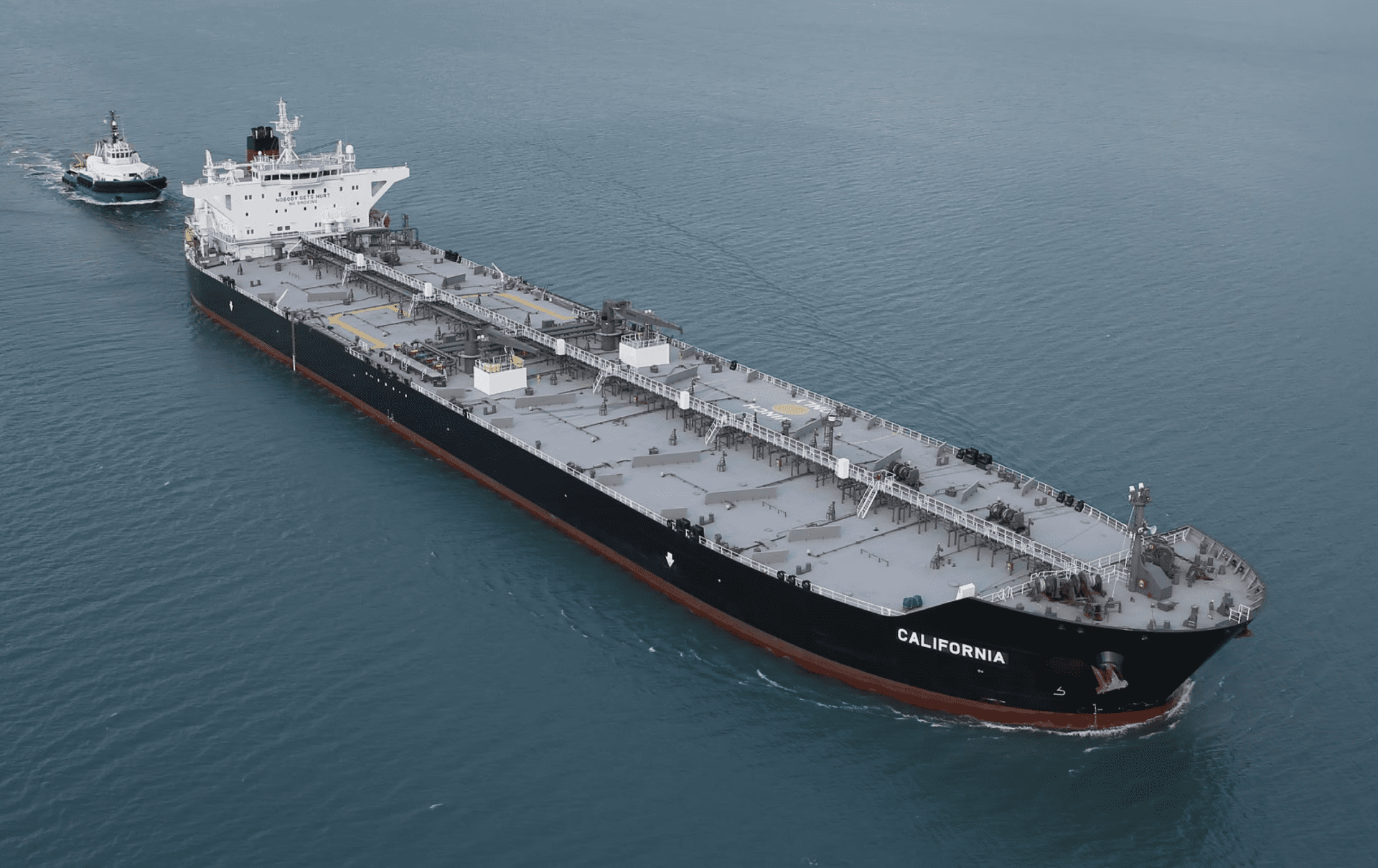
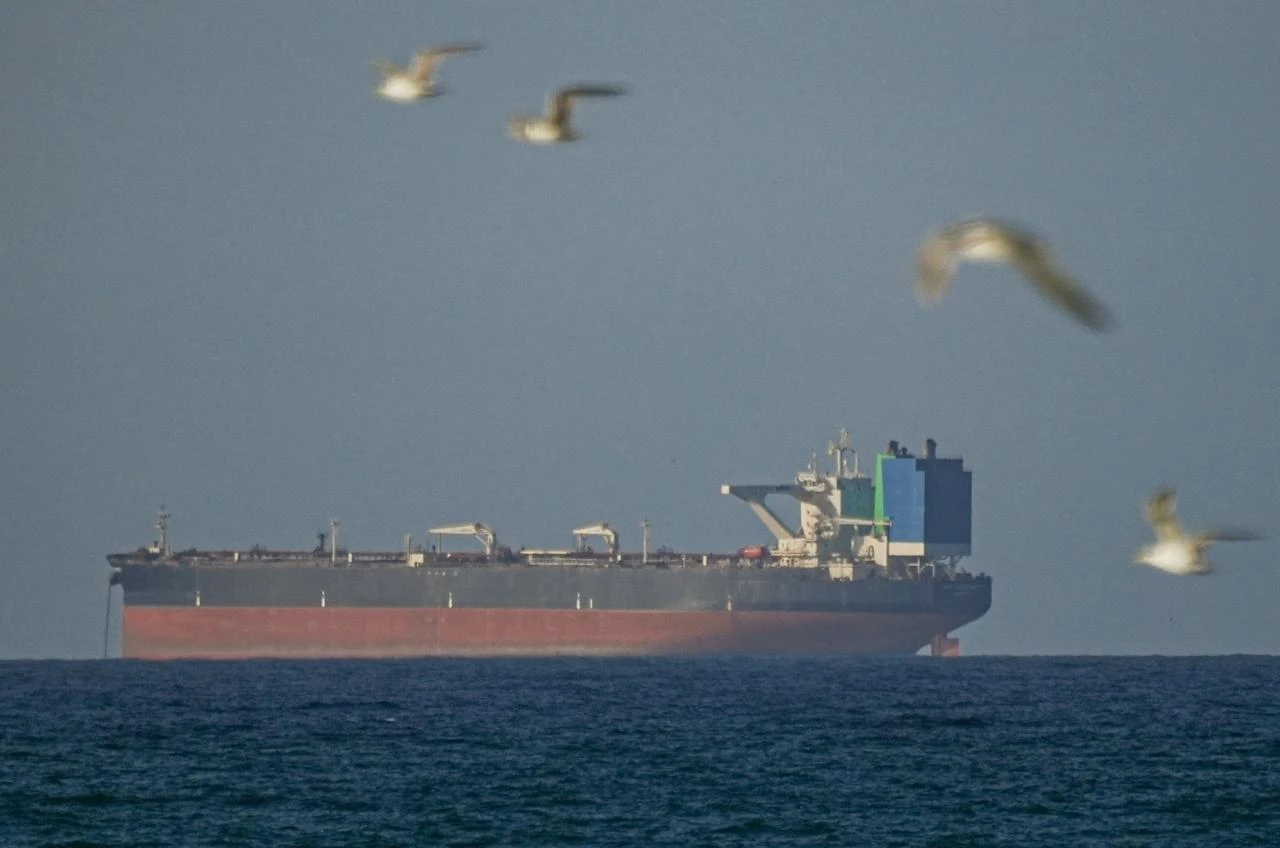
Tanker charterers faced immediate demurrage exposure of $40,000–60,000 per day as over 150 ships anchored outside the Strait of Hormuz to avoid risks, with 20,000 mariners and 2,000 ships stranded in the Persian Gulf. The crisis began when Iran effectively blocked the strait on February 28, 2026, following US-Israeli strikes. Indian navigation trainee Rudransh Chaubey's crew experience reveals the hidden costs: their vessel, initially bound for Saudi Arabia with cargo delivery scheduled for early February, was suddenly rerouted to Qatar and Dubai after Iran announced on March 27 that the strait was closed to vessels "to and from" US, Israeli, and allied ports. The 22 crew ordeal lasted six weeks, but the commercial impact extended far beyond individual vessels.
Demurrage the daily penalty fee paid when a vessel is delayed beyond its contracted laytime became the defining cost of February's crisis. A standard Aframax tanker (120,000 DWT) carrying Middle East crude typically incurs demurrage of $45,000 per day. For the 150+ vessels that Chaubey witnessed anchoring outside Hormuz, this represented a collective daily bleed of $6.75 million. But the real damage concentrated at alternative discharge ports. Qatar's Ras Laffan and Dubai's Jebel Ali where Chaubey's crew spent "a month and a half" experienced unprecedented congestion as hundreds of rerouted vessels competed for berth space simultaneously.
The margin anatomy reveals who absorbed the pain. On the buy side: refineries with long-term supply contracts found themselves paying demurrage for delays beyond their control, as force majeure clauses rarely covered geopolitical port congestion. A typical Japanese refinery importing 2 million barrels monthly via VLCC faced potential demurrage exposure of $1.8 million for a 30 day delay costs that flow directly to end consumers through refined product pricing. On the sell side: oil producers like Saudi Aramco, while protected by FOB (Free on Board) terms that transfer risk at the loading port, faced production scheduling chaos as their regular discharge terminals became inaccessible, forcing expensive spot bookings to alternative ports.
For large integrated players Vitol, Trafigura, national oil company trading arms the crisis presented both risk and opportunity. Those with derivatives access could hedge physical delays through freight derivatives (FFAs), but the sudden nature of the disruption left many exposed. A senior trader at a major house described the period as "freight roulette" vessels that loaded in early February faced 40-60 day voyages instead of the contracted 25 days, with demurrage mounting daily. Smaller regional operators without hedging capability faced existential pressure: an independent fuel distributor in Southeast Asia, receiving monthly urea shipments via the Gulf, saw delivery delays stretch from 28 to 85 days, with accumulated demurrage often exceeding the cargo value.
Chaubey's account highlights the infrastructure ceiling that amplified costs beyond simple delays. Dubai and Qatar ports, designed for normal traffic flows, became choke points as vessel arrivals surged 300-400% above capacity. Berth availability the scarce resource that determines whether a vessel waits at anchor (incurring demurrage) or discharges immediately became a seller's market overnight. Port operators capitalized ruthlessly: berthing fees at Dubai's oil terminals reportedly increased from $180,000 to $750,000 per call during peak congestion in March. Storage tank farms reached 95% capacity, forcing incoming vessels into extended floating storage arrangements at punitive daily rates.
The freight dimension reveals how transportation costs became profit centers during the crisis. VLCC rates which measure what shipowners earn, not what cargo owners pay surged from $14,000/day in January to $85,000/day by mid-March. But this headline figure obscures the true cost transfer. Cargo owners under voyage charter arrangements (where they pay freight costs) faced not just higher rates but extended voyage duration. A VLCC voyage from Kuwait to Japan that normally costs $2.1 million and takes 22 days became a $4.8 million, 52 day ordeal when rerouted via the Cape of Good Hope. The additional $2.7 million per cargo accrued entirely to vessel delays, port congestion, and bunker fuel consumption none of it reaching the intended destination efficiently.
The crew support infrastructure exposed another margin leak that charterers rarely quantify. Chaubey credited India's DG Shipping emergency helpline for helping manage the crisis, but crew welfare costs during extended port stays created unexpected P&L impacts. Extended voyages triggered overtime pay, additional provisioning, medical coverage, and crew rotation logistics. For the 22 crew vessel Chaubey described, a 45 day extension beyond planned voyage duration cost approximately $180,000 in additional crew-related expenses a material cost for smaller operators but a rounding error for integrated majors with global crew management capabilities.
The arbitrage opportunities concentrated in vessel positioning and inventory timing. Those with available tonnage in the right locations captured extraordinary margins: clean product tankers positioned in Northwest Europe earned $180,000/day carrying diesel to Latin America routes that would have been uneconomical at normal Gulf supply levels. Conversely, refineries dependent on Gulf crude found themselves bidding for alternative supplies at premiums of $8-12/barrel to delivered Gulf prices. The margin transferred from efficient, established trade routes to hasty, expensive alternatives. Fuel oil traders with Caribbean storage captured windfalls as Asian buyers, cut off from Middle East supply, paid $45/tonne premiums for immediate delivery.
For observers tracking this space: monitor the BDTI (Baltic Dirty Tanker Index) weekly through July 2026. The index reached 2,068 points on May 29, up from typical pre-crisis levels of 1,200-1,400 points. A sustained move above 2,200 points signals that the post Hormuz freight premium is becoming structural rather than temporary. Watch Singapore bunker fuel inventories bi-weekly if stocks fall below 18 million barrels, it confirms that alternative routing is creating supply chain strain beyond the immediate crisis zone. The crisis taught one lesson: in global shipping, infrastructure capacity is the ultimate constraint, and when it binds, demurrage becomes the price of chaos.

.jpg)


'%3e%3cg id='Final-Copy-2_2_' transform='translate(1275.000000, 200.000000)'%3e%3cpath class='st0' d='M7.4,12.8h6.8l3.1-11.6H7.4C4.2,1.2,1.6,3.8,1.6,7S4.2,12.8,7.4,12.8z'/%3e%3c/g%3e%3c/g%3e%3c/g%3e%3cg id='final---dec.11-2020'%3e%3cg id='_x30_208-our-toggle' transform='translate(-1275.000000, -200.000000)'%3e%3cg id='Final-Copy-2' transform='translate(1275.000000, 200.000000)'%3e%3cpath class='st1' d='M22.6,0H7.4c-3.9,0-7,3.1-7,7s3.1,7,7,7h15.2c3.9,0,7-3.1,7-7S26.4,0,22.6,0z M1.6,7c0-3.2,2.6-5.8,5.8-5.8 h9.9l-3.1,11.6H7.4C4.2,12.8,1.6,10.2,1.6,7z'/%3e%3cpath id='x' class='st2' d='M24.6,4c0.2,0.2,0.2,0.6,0,0.8l0,0L22.5,7l2.2,2.2c0.2,0.2,0.2,0.6,0,0.8c-0.2,0.2-0.6,0.2-0.8,0 l0,0l-2.2-2.2L19.5,10c-0.2,0.2-0.6,0.2-0.8,0c-0.2-0.2-0.2-0.6,0-0.8l0,0L20.8,7l-2.2-2.2c-0.2-0.2-0.2-0.6,0-0.8 c0.2-0.2,0.6-0.2,0.8,0l0,0l2.2,2.2L23.8,4C24,3.8,24.4,3.8,24.6,4z'/%3e%3cpath id='y' class='st3' d='M12.7,4.1c0.2,0.2,0.3,0.6,0.1,0.8l0,0L8.6,9.8C8.5,9.9,8.4,10,8.3,10c-0.2,0.1-0.5,0.1-0.7-0.1l0,0 L5.4,7.7c-0.2-0.2-0.2-0.6,0-0.8c0.2-0.2,0.6-0.2,0.8,0l0,0L8,8.6l3.8-4.5C12,3.9,12.4,3.9,12.7,4.1z'/%3e%3c/g%3e%3c/g%3e%3c/g%3e%3c/g%3e%3c/svg%3e) Privacy Choices
Privacy Choices