.avif)
.jpeg)
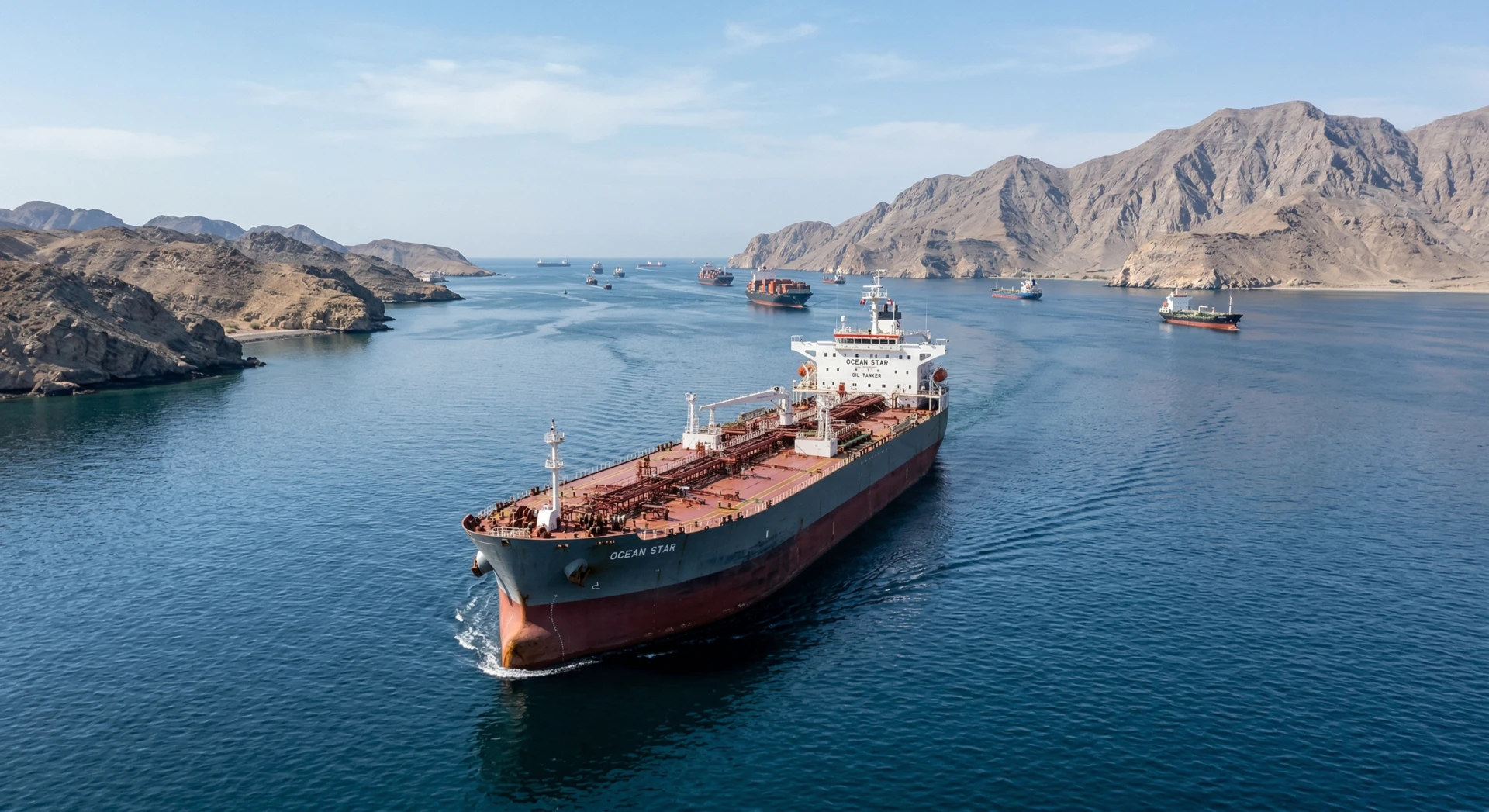
Drilling contractors secured $15-20 million in additional monthly revenue as oil-directed rigs increased by five to 415 units the fourth consecutive weekly gain tracking WTI crude above $103.50 per barrel. The total U.S. rig count reached 551, up three from the prior week, as operators respond to what sources describe as sustained crude price strength rather than temporary geopolitical premiums. A rig count the weekly census of active drilling units physically engaged in boring new wells remains the most closely watched indicator of upstream investment momentum. The U.S. benchmark oil price has surged 85% since the beginning of 2026, driven primarily by IEA reports that crude flows through the Strait of Hormuz dropped by around 4 million barrels per day in March and April.
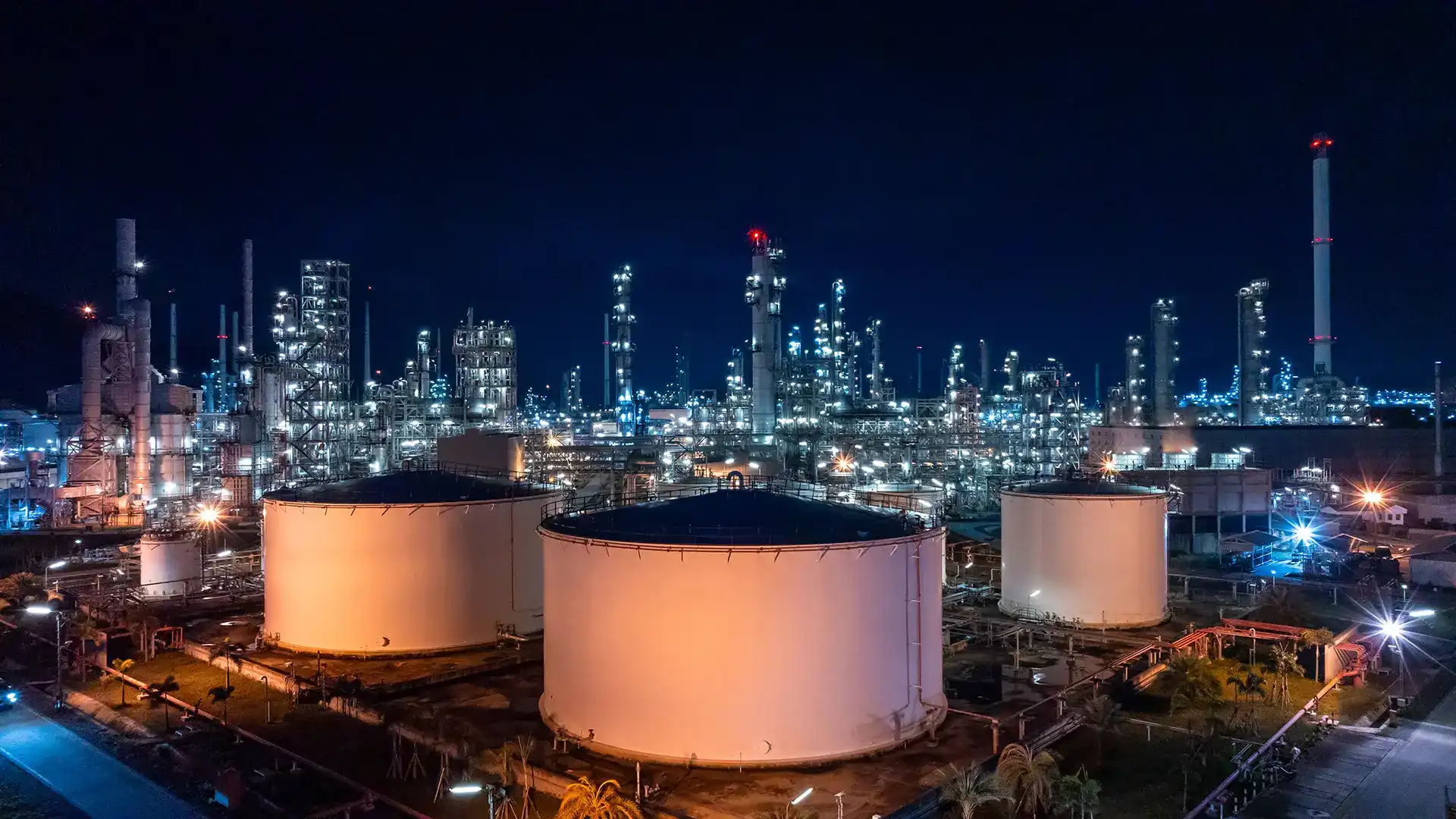
Consider a mid-sized independent operator running five drilling rigs in the Permian Basin. At current day rates of approximately $28,000-32,000 per rig per day, monthly operating costs approach $4.5 million. Before the crude rally, this operator required WTI above $68/barrel to generate positive drilling economics after completion costs. At today's WTI level of $105.42, the same wells generate roughly $37/barrel in gross margin sufficient to justify accelerated completion programs and additional rig commitments. Diamondback Energy, the third-largest Permian operator, increased oil production guidance to 520,000+ barrels per day from a prior midpoint of 505,000 barrels while adding two to three drilling rigs.
On the buy side, upstream producers face a timing mismatch between current rig additions and meaningful production increases. The typical industry lag between changes in rig count and corresponding shifts in production output ranges from 6 to 18 months. Large integrated companies like ExxonMobil and Chevron can absorb this delay and hedge forward production, but smaller independents risk margin compression if prices retreat before wells reach initial production. Break-even prices in the Permian Basin average $67 per barrel, providing a $38/barrel margin cushion at current levels.
On the sell side, drilling contractors are capturing maximum value from the activity surge. Companies like Diamondback are adding both fracking crews and drilling rigs to West Texas, with day rates rising 15-20% above year-ago levels. However, the current 551 total rig count remains 25 rigs below a year ago levels, limiting the scale of contractor revenue recovery. Major service providers Halliburton, Baker Hughes, Schlumberger benefit most from completion activity rather than drilling alone, as completion costs typically represent 70% of total well expense.
For large integrated upstream producers ExxonMobil, Chevron, ConocoPhillips the optimal response involves hedging 2027 production forward at current strip prices while gradually increasing rig utilization. ConocoPhillips raised 2026 capital expenditure guidance to $12-12.5 billion and plans to add a rig in the Permian's Delaware sub-basin. For smaller regional operators without derivatives access, the equivalent involves locking in equipment contracts at current rates and accelerating drill-but-uncomplete (DUC) well inventory completion. For observers, monitor the weekly Baker Hughes rig count for three consecutive weeks above 560 total rigs historically the threshold where meaningful supply response materializes within 12-18 months.

.jpg)

'%3e%3cg id='Final-Copy-2_2_' transform='translate(1275.000000, 200.000000)'%3e%3cpath class='st0' d='M7.4,12.8h6.8l3.1-11.6H7.4C4.2,1.2,1.6,3.8,1.6,7S4.2,12.8,7.4,12.8z'/%3e%3c/g%3e%3c/g%3e%3c/g%3e%3cg id='final---dec.11-2020'%3e%3cg id='_x30_208-our-toggle' transform='translate(-1275.000000, -200.000000)'%3e%3cg id='Final-Copy-2' transform='translate(1275.000000, 200.000000)'%3e%3cpath class='st1' d='M22.6,0H7.4c-3.9,0-7,3.1-7,7s3.1,7,7,7h15.2c3.9,0,7-3.1,7-7S26.4,0,22.6,0z M1.6,7c0-3.2,2.6-5.8,5.8-5.8 h9.9l-3.1,11.6H7.4C4.2,12.8,1.6,10.2,1.6,7z'/%3e%3cpath id='x' class='st2' d='M24.6,4c0.2,0.2,0.2,0.6,0,0.8l0,0L22.5,7l2.2,2.2c0.2,0.2,0.2,0.6,0,0.8c-0.2,0.2-0.6,0.2-0.8,0 l0,0l-2.2-2.2L19.5,10c-0.2,0.2-0.6,0.2-0.8,0c-0.2-0.2-0.2-0.6,0-0.8l0,0L20.8,7l-2.2-2.2c-0.2-0.2-0.2-0.6,0-0.8 c0.2-0.2,0.6-0.2,0.8,0l0,0l2.2,2.2L23.8,4C24,3.8,24.4,3.8,24.6,4z'/%3e%3cpath id='y' class='st3' d='M12.7,4.1c0.2,0.2,0.3,0.6,0.1,0.8l0,0L8.6,9.8C8.5,9.9,8.4,10,8.3,10c-0.2,0.1-0.5,0.1-0.7-0.1l0,0 L5.4,7.7c-0.2-0.2-0.2-0.6,0-0.8c0.2-0.2,0.6-0.2,0.8,0l0,0L8,8.6l3.8-4.5C12,3.9,12.4,3.9,12.7,4.1z'/%3e%3c/g%3e%3c/g%3e%3c/g%3e%3c/g%3e%3c/svg%3e) Privacy Choices
Privacy Choices