.avif)

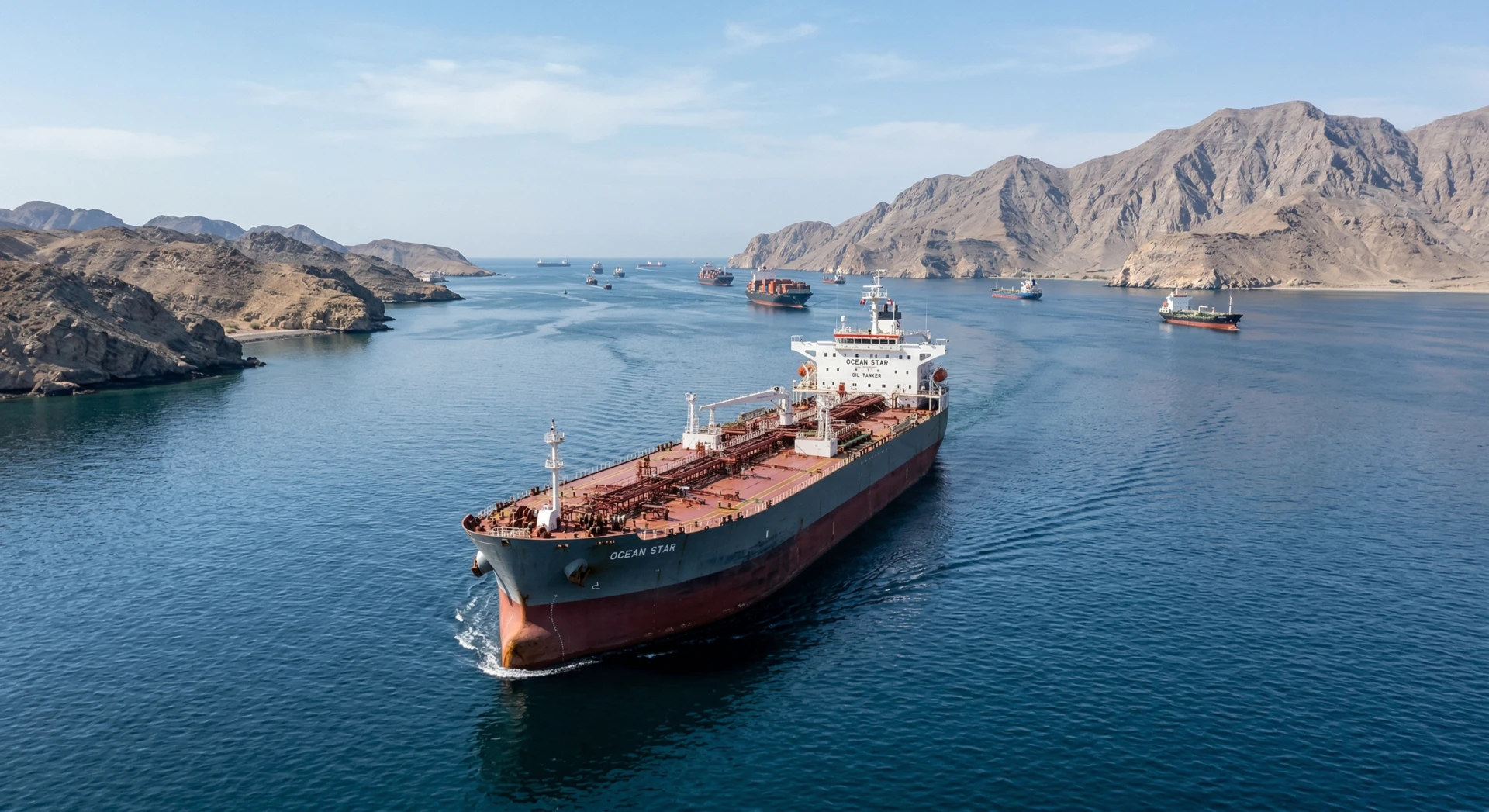
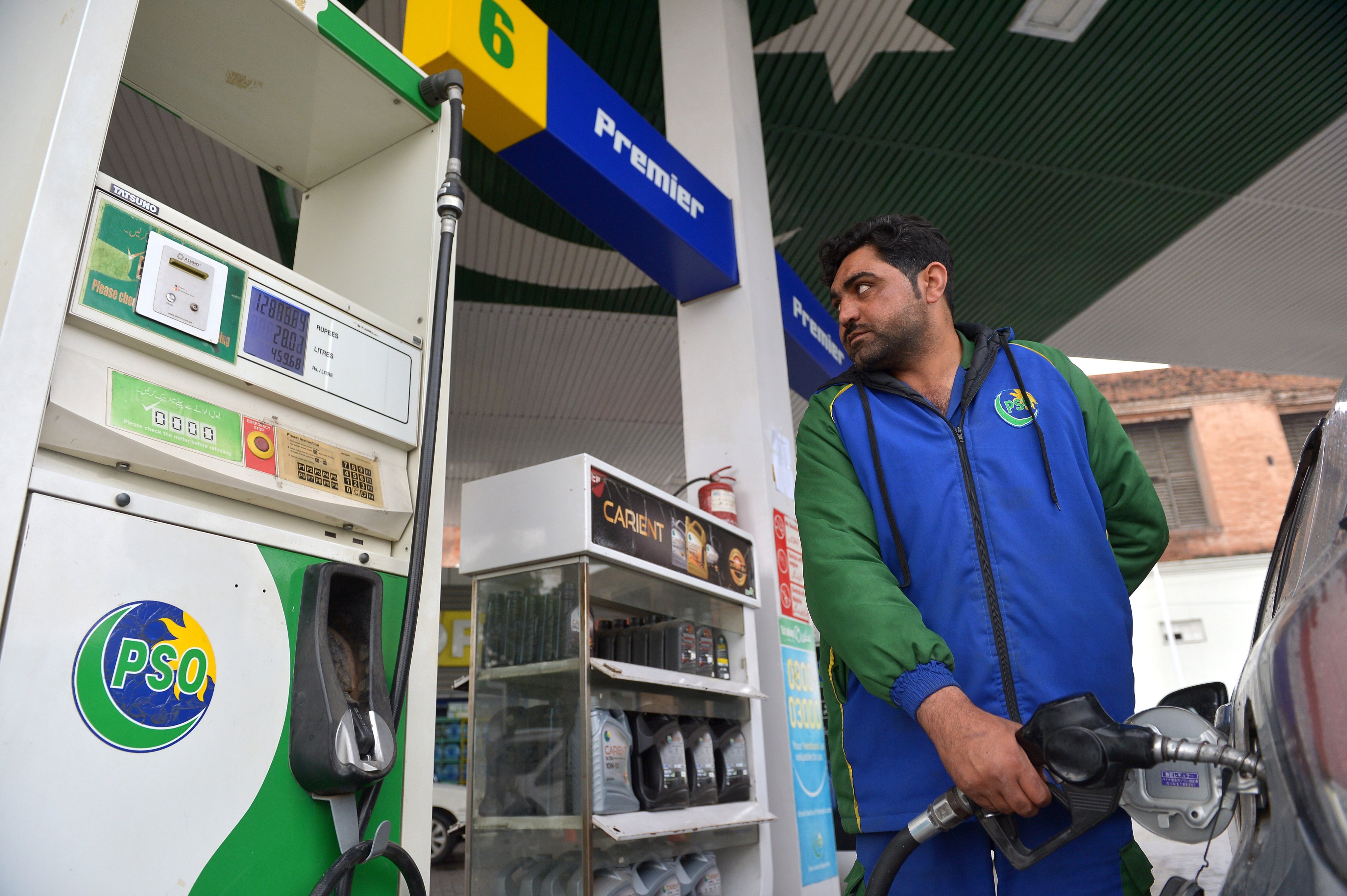
War risk insurance premiums for Hormuz transits have exploded from 0.125% to between 0.2% and 0.4% of ship value per transit an additional quarter million dollars for a Very Large Crude Carrier (VLCC). For a mid-sized European refinery buying a standard 2 million barrel cargo of Gulf crude, that premium alone adds $1.25–2.50 per barrel before the ship even loads. With Brent trading at $107.05/barrel as of May 13 and Gulf crudes typically priced at discounts to Brent, these insurance costs are now larger than the historical price differentials that made Middle Eastern crude attractive. The mathematics are unforgiving: if your typical Dubai–Rotterdam margin was $3/barrel pre-conflict, that margin has vanished into insurance and extended voyage costs.
The diplomatic theater around Iran's Hormuz strategy obscures the commercial reality on the water. Iran has established the Persian Gulf Strait Authority to authorise and regulate maritime transit, creating a bureaucratic structure for what amounts to a toll system on global energy flows. The authority requires vessels to complete a 40 question form declaring ship identification, ownership nationalities, crew details, and cargo information before transit approval. This is not temporary wartime disruption it is institutionalized control infrastructure designed to outlast any current conflict. Turkey's Foreign Minister Hakan Fidan and Qatar's Prime Minister Sheikh Mohammed bin Abdulrahman Al Thani can warn against "weaponization," but Iran has already weaponized the strait by making passage contingent on bureaucratic approval rather than international maritime law.
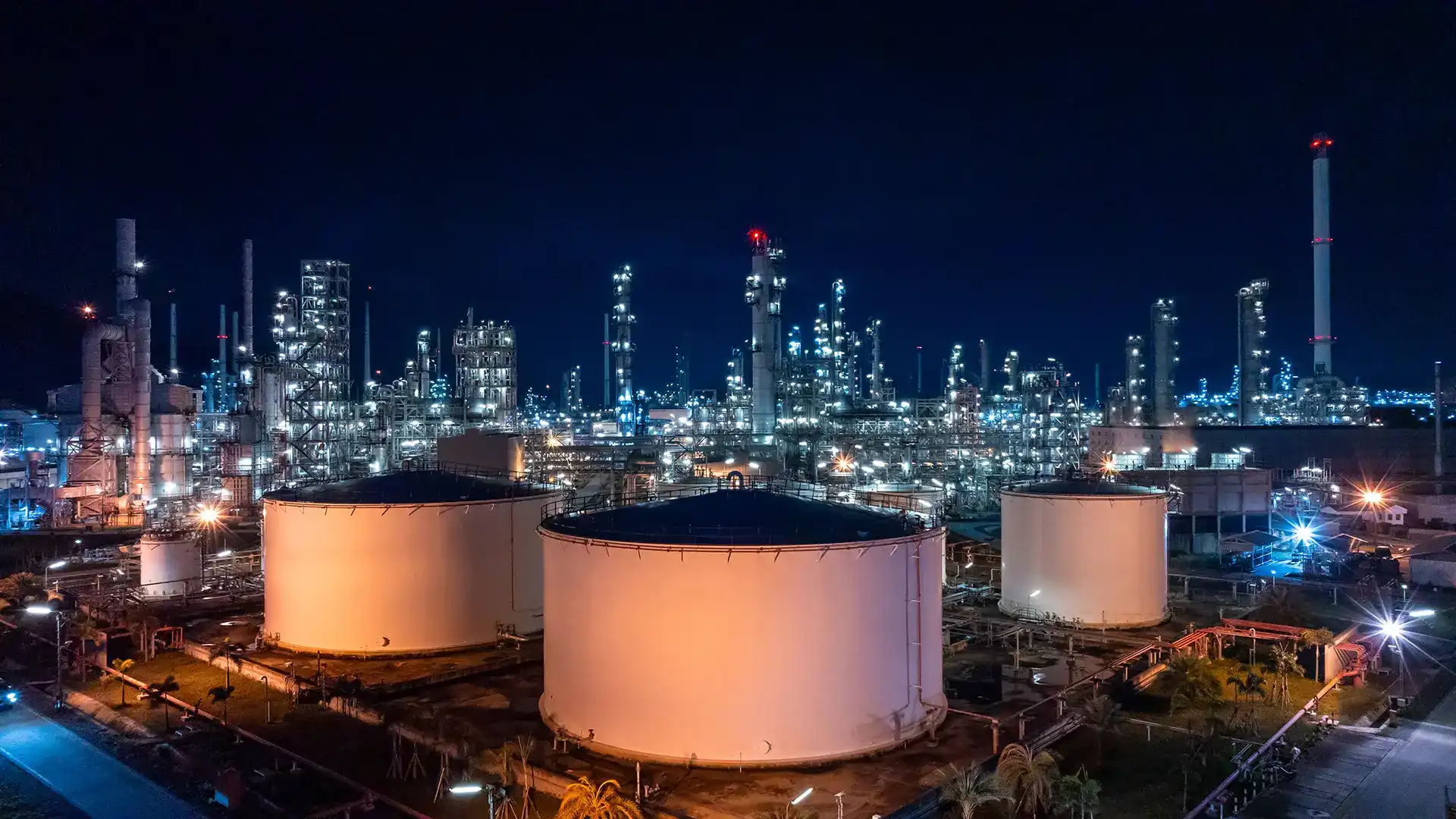
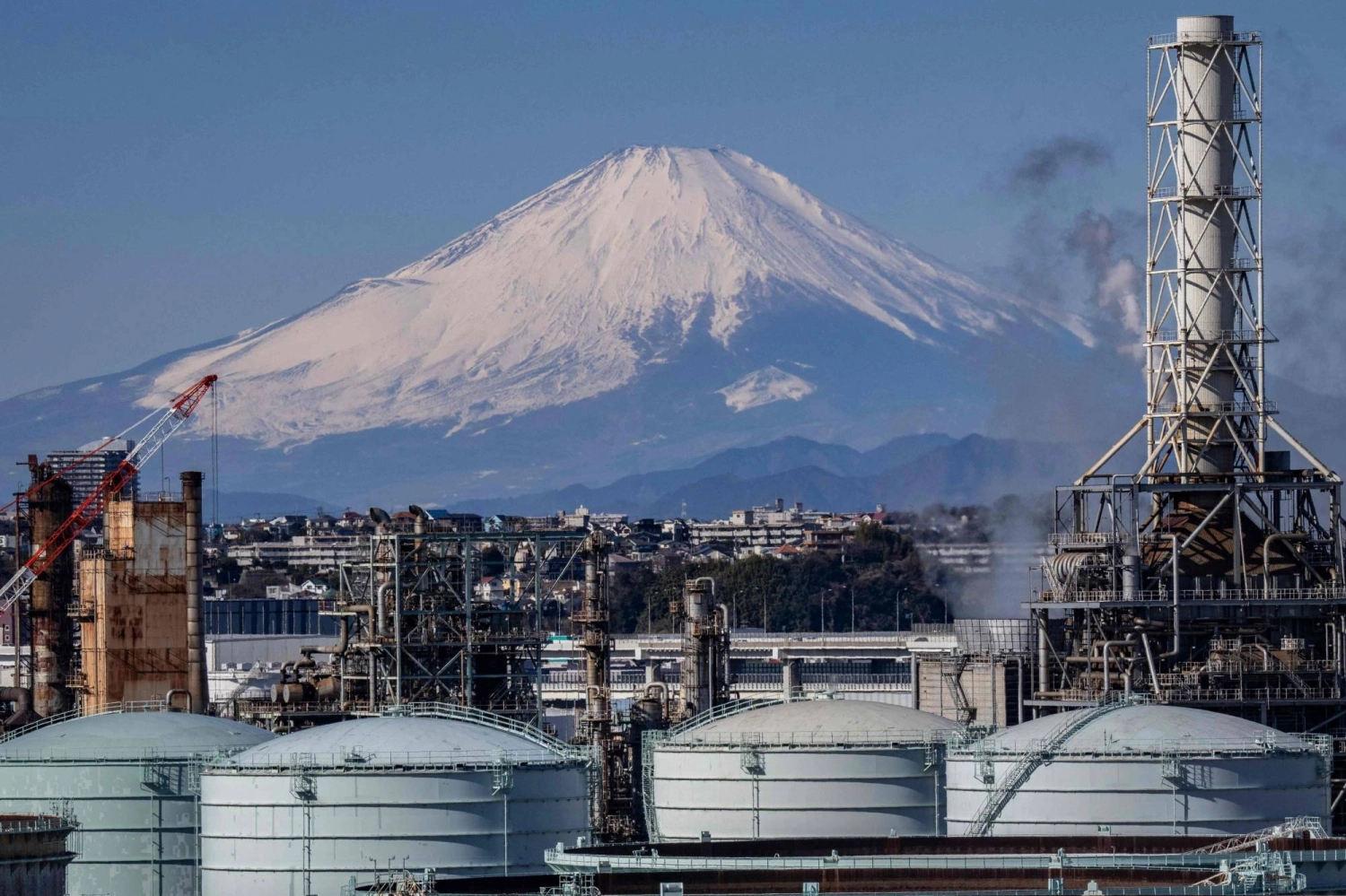
For crude oil traders, the new reality has restructured the entire margin equation around Gulf supply. Before the conflict, approximately 25% of world seaborne oil trade and 20% of global LNG passed through Hormuz. Since late February, traffic has collapsed to 5% of pre-war levels, with just 191 vessels crossing in April compared to normal monthly throughput of 3,000 vessels. On the buy side, Asian refiners who built their crude slates around cheap Gulf supply are paying massive premiums for alternative barrels. A Japanese refinery that typically processes 80% Middle Eastern crude now sources from West Africa, the North Sea, or US shale all at freight costs $15–25/barrel higher than Gulf routes. On the sell side, Gulf producers face a stark choice: accept Iranian bureaucratic control and potential revenue sharing, or shut in production entirely. Saudi Aramco CEO Amin Nasser estimates the market loses 100 million barrels of supply weekly, with total losses already reaching 880 million barrels.
The freight dimension reveals where margin has migrated in this disrupted trade. VLCC rates have spiked to $800,000 per day at peak disruption roughly ten times normal levels. For a 25 day voyage from the Gulf to Asia, that represents $20 million in freight costs versus the previous $2 million. The additional $18 million does not accrue to cargo owners or end buyers; it flows entirely to vessel operators with tonnage positioned outside the Persian Gulf. Independent tanker operators with ships in the Atlantic or Pacific basins are capturing windfall profits while Gulf producers and Asian buyers absorb the cost. This is the inverse of normal market operations, where low freight costs facilitated Gulf crude's global competitiveness. Now, freight itself has become the primary profit center, not the commodity.
For large integrated traders the Vitols, Trafiguras, and national oil company trading arms the disruption creates both hedging challenges and arbitrage opportunities. Three VLCCs successfully exited Hormuz last week with tracking systems off, carrying Iraqi and Emirati crude, with some vessels paying Iranian authorities for passage. The toll structure allows major traders with political relationships and financial capacity to maintain access, but at costs that smaller operators cannot absorb. A large trader might pay $2–5 million per cargo for Iranian "escort fees" expensive but manageable across a diversified book. For smaller regional operators without Iranian relationships or deep balance sheets, the Gulf supply chain has effectively closed. Regional fuel distributors in Southeast Asia, independent refineries, and commodity trading firms with limited capital now source exclusively from higher-cost alternative suppliers.
The financing dimension has become the primary determinant of who can still access Gulf crude. Insurance markets have effectively withdrawn from Hormuz adjacent shipping lanes without Iranian diplomatic clearance, with war risk premiums reaching levels that make commercial navigation economically unviable for most operators. Letters of credit the basic financial instrument that enables international commodity trade now require additional guarantees, extended terms, and higher fees for any Gulf-origin cargo. Banks are demanding 150–200% cash collateral for Gulf crude purchases versus the traditional 110–120% for other origins. The financing structure determines who can trade: only operators with substantial cash reserves or strong banking relationships can afford the collateral requirements. This has concentrated Gulf crude access among a smaller number of well-capitalized players, reducing competition and widening bid offer spreads.
Alternative route economics illustrate the structural cost inflation this crisis has imposed. Saudi Arabia's East-West pipeline can bypass Hormuz by moving crude to Red Sea terminals, but Aramco has ramped capacity to only 7 million barrels per day a fraction of normal Gulf exports. The UAE's Habshan-Fujairah pipeline provides similar bypass capacity but at higher costs and limited volume. Crucially, these pipelines cannot replace Hormuz for other Gulf producers. Iraqi, Kuwaiti, and Qatari exports have no pipeline alternatives and must either accept Iranian control or remain shut in. For crude buyers, this means Gulf supply is now bifurcated: Saudi and Emirati barrels available at premium costs through pipeline routes, and all other Gulf crude subject to Iranian approval and associated fees.
The historical comparison reveals why this disruption carries more structural weight than previous Hormuz tensions. During the Iran-Iraq "Tanker War" of the 1980s, hundreds of vessels were attacked as both sides targeted each other's oil exports, but neither side controlled passage itself. The 1987–1988 US led Operation Earnest Will provided naval escorts, but operated within recognized international shipping lanes. Iran's creation of the Persian Gulf Strait Authority represents the institutionalization of this leverage in a way that transcends immediate military conflict. Previous disruptions were episodic; this one has created administrative infrastructure designed for permanent control. The difference is between wartime shipping risks and peacetime regulatory capture.
Trading strategies have fundamentally shifted around these new constraints. Large integrated producers with downstream refining capacity are prioritizing long-term supply security over short-term margins, signing multi-year contracts with non-Gulf suppliers at fixed premiums. National oil companies in importing countries are accelerating strategic petroleum reserve builds using alternative supply sources, accepting higher costs to reduce exposure to Hormuz dependent supply chains. Independent traders are shifting focus from Gulf arbitrage to inter-basin spreads between Atlantic and Pacific crude markets. The traditional crude trading playbook buying cheap Gulf barrels and optimizing delivery no longer functions when Gulf access requires Iranian bureaucratic approval.
The implications extend beyond energy markets into global trade finance and maritime law. Dominance of the waterway hands Iran immense leverage over its neighbors and the global economy, but also establishes precedent for unilateral control over international shipping lanes. If Iran's Hormuz authority becomes normalized, it creates a template for other chokepoint nations to impose similar controls. China could assert administrative control over South China Sea shipping lanes; Turkey could formalize control over Bosphorus transit, Egypt could bureaucratize Suez Canal passage beyond existing fees. The commercial implications ripple across all internationally traded commodities, not just oil and gas.
Saudi Aramco's CEO warns that oil markets will not normalize until 2027 if Hormuz disruption persists past mid-June, with months required for rebalancing even after reopening. For crude traders, this timeline suggests that current elevated margins and disrupted supply chains represent the new baseline rather than temporary dislocation. With over 600 vessels stuck in the Gulf and 240 ships waiting outside Hormuz, the logistical challenge of normalizing flows will extend well beyond any political settlement. Watch Baltic Dry Index movements and VLCC fixture rates through Q3 2026: sustained elevation indicates structural fleet repositioning rather than temporary disruption. Monitor Brent-Dubai spreads weekly: persistent inversion signals that alternative supply sources have replaced Gulf crude in Asian refinery slates, potentially permanently restructuring global crude flows even after Hormuz reopens.
.jpg)
.jpg)

'%3e%3cg id='Final-Copy-2_2_' transform='translate(1275.000000, 200.000000)'%3e%3cpath class='st0' d='M7.4,12.8h6.8l3.1-11.6H7.4C4.2,1.2,1.6,3.8,1.6,7S4.2,12.8,7.4,12.8z'/%3e%3c/g%3e%3c/g%3e%3c/g%3e%3cg id='final---dec.11-2020'%3e%3cg id='_x30_208-our-toggle' transform='translate(-1275.000000, -200.000000)'%3e%3cg id='Final-Copy-2' transform='translate(1275.000000, 200.000000)'%3e%3cpath class='st1' d='M22.6,0H7.4c-3.9,0-7,3.1-7,7s3.1,7,7,7h15.2c3.9,0,7-3.1,7-7S26.4,0,22.6,0z M1.6,7c0-3.2,2.6-5.8,5.8-5.8 h9.9l-3.1,11.6H7.4C4.2,12.8,1.6,10.2,1.6,7z'/%3e%3cpath id='x' class='st2' d='M24.6,4c0.2,0.2,0.2,0.6,0,0.8l0,0L22.5,7l2.2,2.2c0.2,0.2,0.2,0.6,0,0.8c-0.2,0.2-0.6,0.2-0.8,0 l0,0l-2.2-2.2L19.5,10c-0.2,0.2-0.6,0.2-0.8,0c-0.2-0.2-0.2-0.6,0-0.8l0,0L20.8,7l-2.2-2.2c-0.2-0.2-0.2-0.6,0-0.8 c0.2-0.2,0.6-0.2,0.8,0l0,0l2.2,2.2L23.8,4C24,3.8,24.4,3.8,24.6,4z'/%3e%3cpath id='y' class='st3' d='M12.7,4.1c0.2,0.2,0.3,0.6,0.1,0.8l0,0L8.6,9.8C8.5,9.9,8.4,10,8.3,10c-0.2,0.1-0.5,0.1-0.7-0.1l0,0 L5.4,7.7c-0.2-0.2-0.2-0.6,0-0.8c0.2-0.2,0.6-0.2,0.8,0l0,0L8,8.6l3.8-4.5C12,3.9,12.4,3.9,12.7,4.1z'/%3e%3c/g%3e%3c/g%3e%3c/g%3e%3c/g%3e%3c/svg%3e) Privacy Choices
Privacy Choices