.avif)
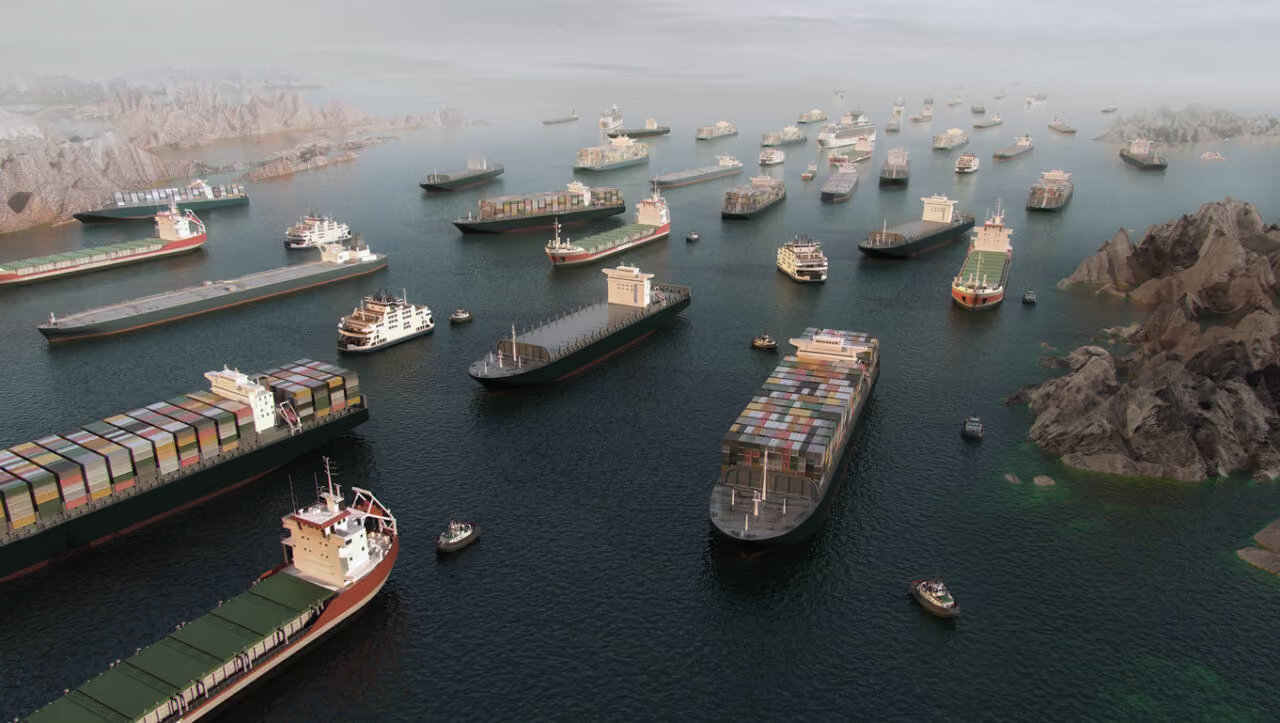
Asian crude oil refiners are paying approximately $15–20 per barrel above pre-conflict benchmarks for non-Gulf supply a premium that began accumulating the moment the Strait of Hormuz effectively closed, and which will persist for every day the US-Iran ceasefire described by President Trump as being on "massive life support" fails to produce a durable agreement.
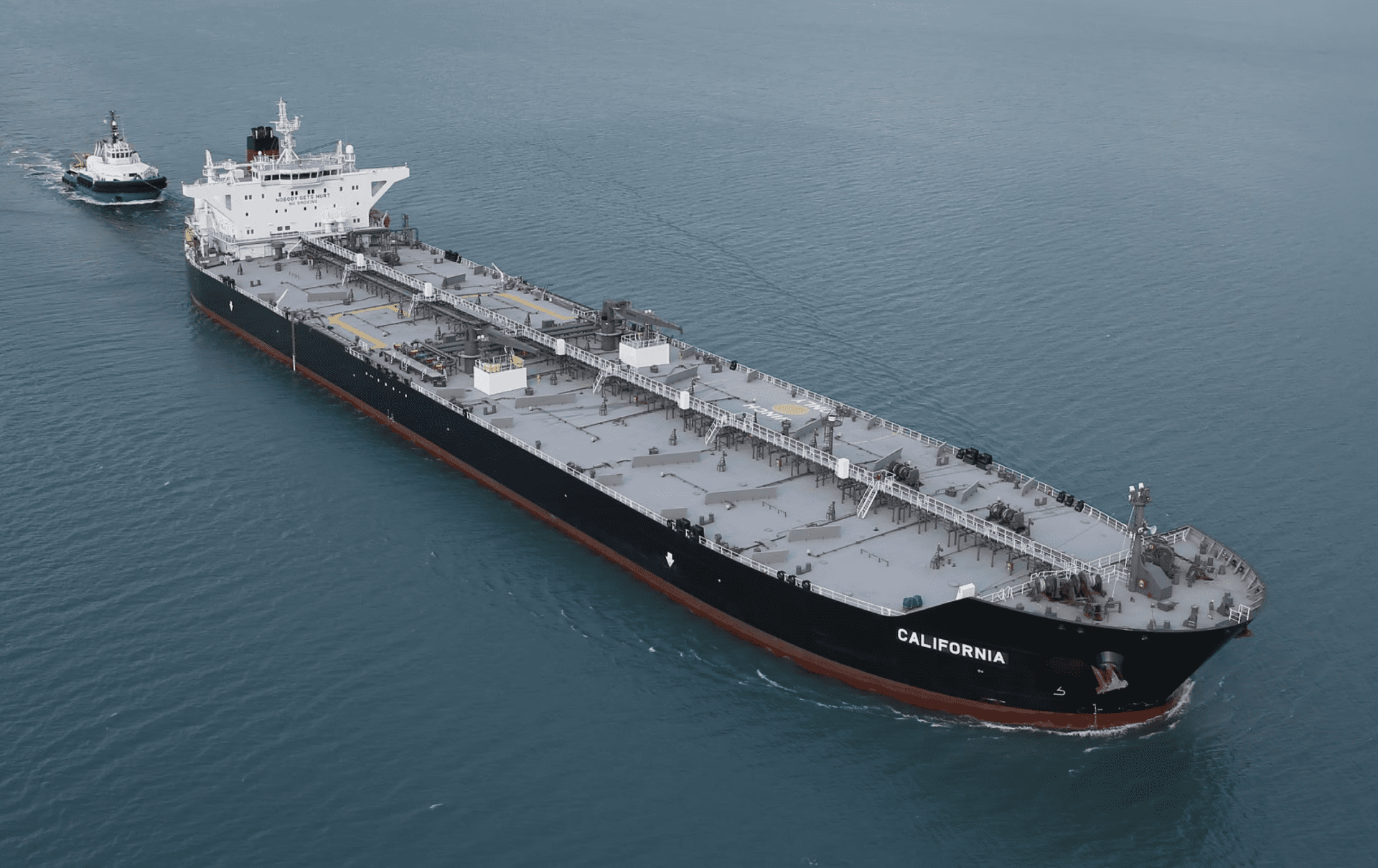
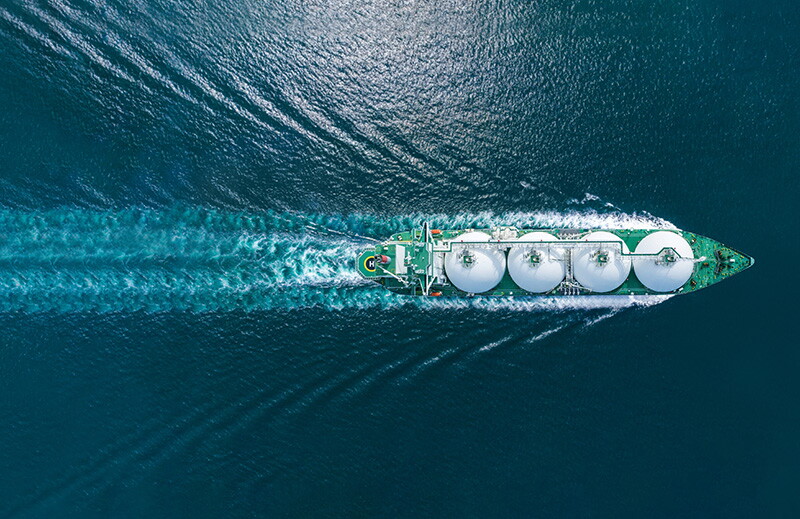
The Strait of Hormuz is a 33 kilometre wide chokepoint between Iran and Oman the single maritime passage connecting the Persian Gulf to the open ocean. Before the current conflict, according to reports, it carried approximately one-fifth of the world's oil and liquefied natural gas in daily transit. A Very Large Crude Carrier, or VLCC a supertanker capable of loading 2 million barrels would load at terminals in Abu Dhabi, Kuwait, or Saudi Arabia's Ras Tanura, transit Hormuz in roughly 12 hours, and arrive at a South Korean or Japanese refinery 20–22 days later. That route is now largely non-operational. The US naval blockade a physical interdiction of vessels transiting the strait means that any tanker attempting the passage operates under de facto US authorisation. Iranian crude cannot reach buyers through conventional channels. Non-Iranian Gulf producers face the same constraint: their export terminals lie inside the blockaded zone.
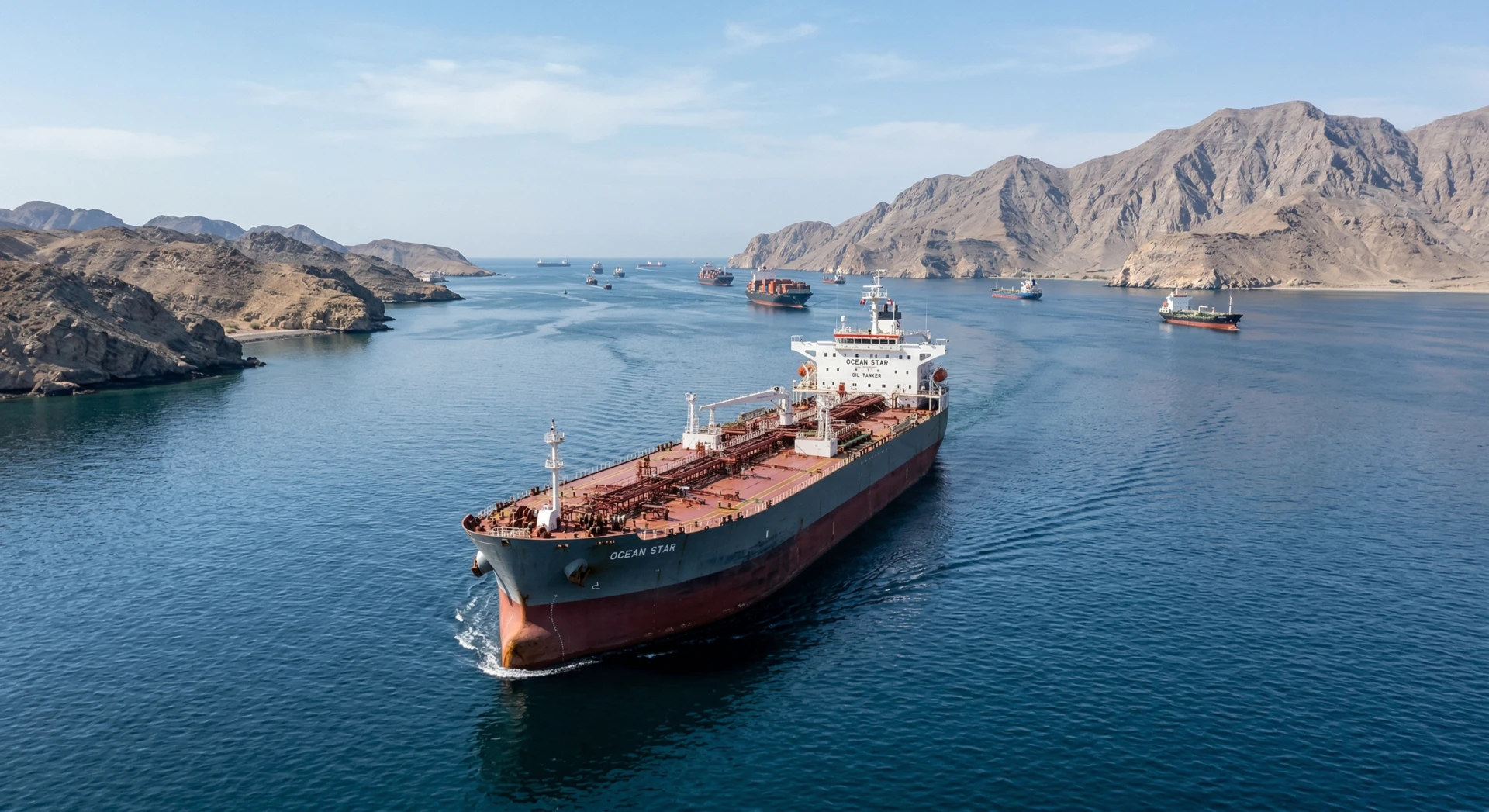
The supply chain has not stopped it has rerouted, at significant cost. West African crude, primarily from Nigeria and Angola, and US Gulf Coast grades such as WTI Midland, are now filling the gap for Asian buyers. A VLCC loading Nigerian Bonny Light at the Forcados terminal adds approximately 12–14 additional sailing days to reach Ulsan, South Korea, compared to a Gulf loading. At current VLCC time-charter equivalent rates the daily earnings a vessel operator receives for deploying a ship on a specific route those additional days represent roughly $2.8–3.5 million in incremental freight cost per voyage. That cost does not disappear; it flows directly into the delivered price of crude at the refinery gate. The Atlantic Basin to Asia arbitrage the price advantage that makes it economically viable to ship crude from the western hemisphere to eastern buyers has opened sharply, but the economics of that opening accrue to vessel operators and cargo owners with Atlantic Basin supply, not to Asian refiners absorbing the freight.
The freight dimension is where margin is concentrating most visibly. Atlantic Basin VLCC rates have risen an estimated 200–300% from pre-conflict levels, according to enrichment data, as tonnage that was previously cycling on the shorter Gulf-Asia run is now required to cover much longer voyages. A VLCC earning $14 per metric tonne on a Gulf-Japan round voyage three months ago would have generated approximately $28 million per voyage at 2 million barrels. At current elevated rates on the West Africa-Japan run now estimated at $42–48 per metric tonne the same vessel earns $84–96 million per voyage. The $56–68 million difference per voyage accrues entirely to the vessel operator. For cargo owners traders, national oil companies, and refiners with long-term freight contracts this is not a rounding error. It is the margin. Operators who locked in time-charter agreements before the conflict at legacy rates are capturing extraordinary rents. Those buying freight on the spot market are absorbing the full shock.
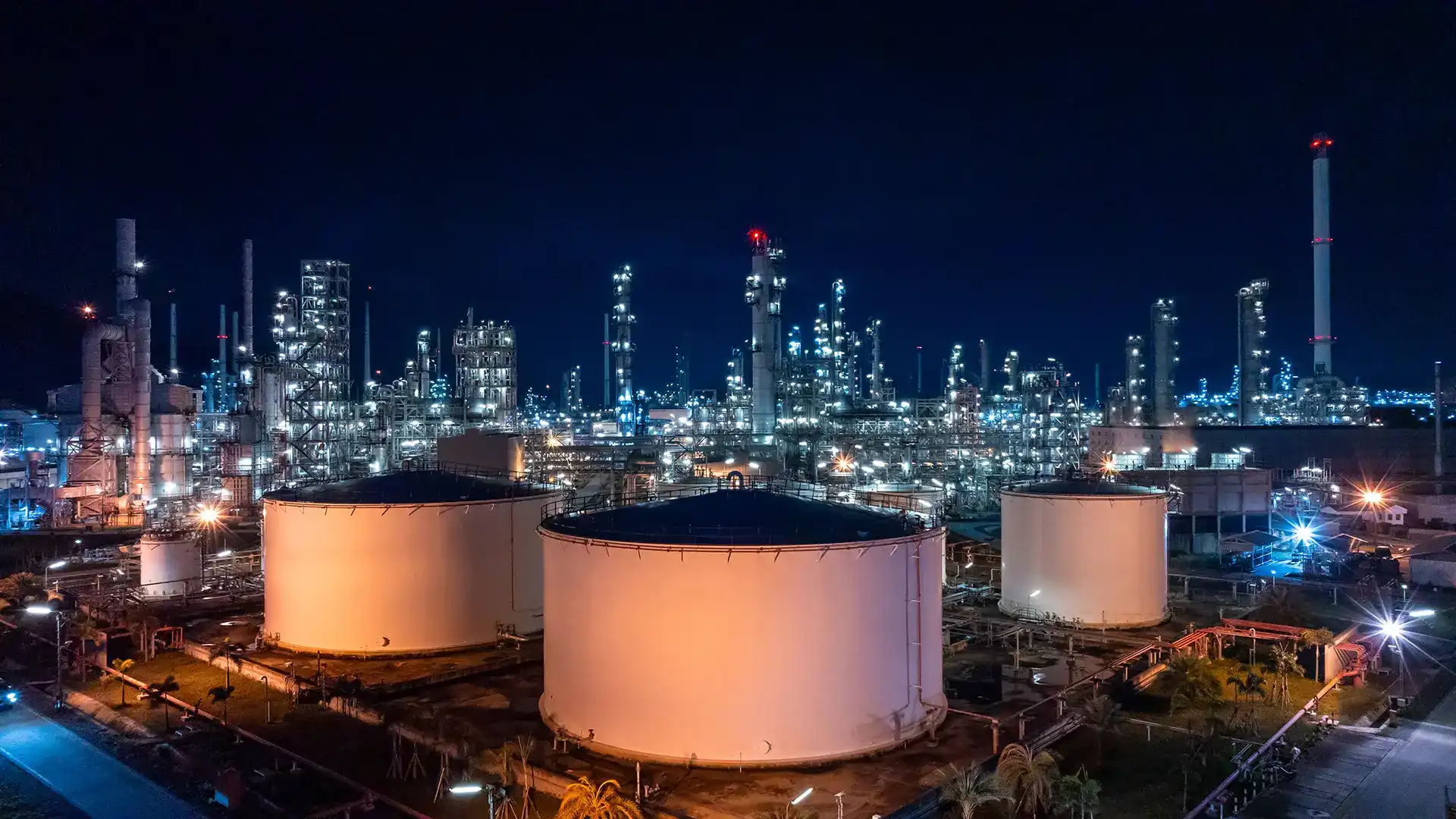
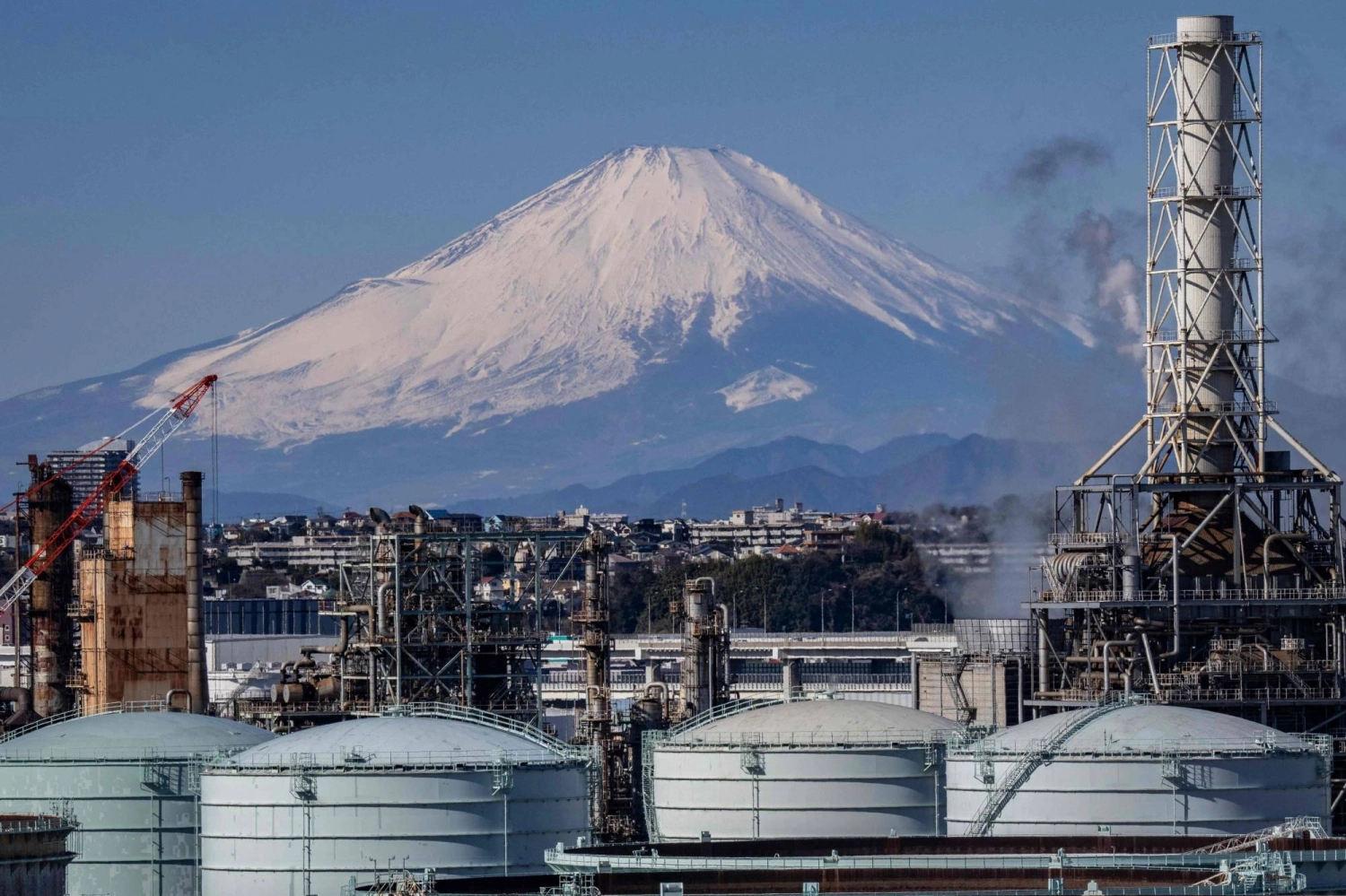
On the buy side, Asian independent refiners particularly South Korean, Japanese, and Indian secondary refiners without long-term crude supply agreements or integrated trading arms are facing crack spread compression of $8–12 per barrel. A crack spread is the difference between the price of crude and the refined products it yields; it is the refiner's operating margin. If Brent crude, the global benchmark for internationally traded oil, has risen approximately 2.7% to roughly $104 per barrel as reported in the context of the current standoff, and if product prices have not risen proportionally because demand in end markets has not increased the refiner's margin is being squeezed from below. A refiner processing 100,000 barrels per day at $10 per barrel crack spread compression is losing $1 million per day in margin. Over a 30 day disruption, that is $30 million before accounting for the additional freight cost on rerouted supply.
On the sell side, non-Gulf crude producers are in a structurally advantaged position that they did not engineer but are benefiting from entirely. A Nigerian National Petroleum Corporation cargo that sold at a $1–2 per barrel premium to Brent six months ago is now trading at $15–20 per barrel above equivalent Gulf grades for Asian delivery, according to enrichment data. That premium reflects scarcity, routing cost, and the absence of competition from Gulf supply. The premium is not permanent it will compress as the market adjusts but for producers with Atlantic Basin grades and available export capacity, every day the Hormuz situation remains unresolved is additional revenue. The structural constraint is terminal capacity and vessel availability: producers cannot simply double exports overnight, and the freight market is already absorbing the available VLCC tonnage at elevated rates.
For large integrated traders the Trafiguras, Vitols, and national oil company trading arms with derivative access and diversified supply portfolios the current environment rewards positional intelligence and freight ownership. A trader holding long positions in Atlantic Basin crude, short freight on spot markets at pre-crisis rates, and long Brent futures entered before the escalation is compounding margin across three dimensions simultaneously. The hedging instrument of choice is a combination of Brent crude futures on ICE the Intercontinental Exchange and Forward Freight Agreements, or FFAs, which are derivatives that allow operators to lock in future freight rates without owning a vessel. At current FFA premiums, locking in freight six months forward costs approximately $18–22 per metric tonne above pre-conflict levels, but provides certainty against further rate escalation if diplomacy continues to deteriorate.
For smaller regional operators independent fuel importers serving Southeast Asian domestic markets, regional cooperatives in South Asia, or mid-tier refiners without derivatives desks the practical options are narrower but not absent. The most immediately actionable step is bilateral term negotiation with Atlantic Basin suppliers to fix delivered prices inclusive of freight for 90 day forward windows. This transfers freight risk to the supplier or cargo owner and caps the downside on procurement cost. Inventory building is the second lever: for operators with storage capacity, extending crude inventories from a 15 day to a 30 day cover provides a buffer against sudden price spikes if the ceasefire collapses entirely. The risk is capital cost and storage fees, which at current rates for floating storage using vessels anchored as temporary tanks run approximately $0.45–0.65 per barrel per month.
The specific signal observers should track is the ICE Brent front month versus third month spread a measure of backwardation, meaning whether near-term prices exceed forward prices, which signals immediate physical scarcity alongside the Baltic Dirty Tanker Index TD3C route, which tracks VLCC rates from the Middle East Gulf to China. If the ceasefire deteriorates further and military action resumes, TD3C rates will spike within 48–72 hours as vessels divert or stand off the Gulf entirely. If diplomacy stabilises even without a formal agreement the TD3C will soften as vessels test the route cautiously. The ceasefire timeline is the critical variable: according to reports, Trump was weighing further military action as of 11 May 2026, and Iran's foreign ministry has reportedly signalled that China may be used to apply counterpressure ahead of a Trump-Xi meeting. Monitor the ICE Brent spread daily and the TD3C weekly through end May. A narrowing of the Brent backwardation below $2 per barrel over that horizon would indicate the market is beginning to price a path toward resumed Hormuz transit not resolution, but reduced immediate risk.

.jpg)
'%3e%3cg id='Final-Copy-2_2_' transform='translate(1275.000000, 200.000000)'%3e%3cpath class='st0' d='M7.4,12.8h6.8l3.1-11.6H7.4C4.2,1.2,1.6,3.8,1.6,7S4.2,12.8,7.4,12.8z'/%3e%3c/g%3e%3c/g%3e%3c/g%3e%3cg id='final---dec.11-2020'%3e%3cg id='_x30_208-our-toggle' transform='translate(-1275.000000, -200.000000)'%3e%3cg id='Final-Copy-2' transform='translate(1275.000000, 200.000000)'%3e%3cpath class='st1' d='M22.6,0H7.4c-3.9,0-7,3.1-7,7s3.1,7,7,7h15.2c3.9,0,7-3.1,7-7S26.4,0,22.6,0z M1.6,7c0-3.2,2.6-5.8,5.8-5.8 h9.9l-3.1,11.6H7.4C4.2,12.8,1.6,10.2,1.6,7z'/%3e%3cpath id='x' class='st2' d='M24.6,4c0.2,0.2,0.2,0.6,0,0.8l0,0L22.5,7l2.2,2.2c0.2,0.2,0.2,0.6,0,0.8c-0.2,0.2-0.6,0.2-0.8,0 l0,0l-2.2-2.2L19.5,10c-0.2,0.2-0.6,0.2-0.8,0c-0.2-0.2-0.2-0.6,0-0.8l0,0L20.8,7l-2.2-2.2c-0.2-0.2-0.2-0.6,0-0.8 c0.2-0.2,0.6-0.2,0.8,0l0,0l2.2,2.2L23.8,4C24,3.8,24.4,3.8,24.6,4z'/%3e%3cpath id='y' class='st3' d='M12.7,4.1c0.2,0.2,0.3,0.6,0.1,0.8l0,0L8.6,9.8C8.5,9.9,8.4,10,8.3,10c-0.2,0.1-0.5,0.1-0.7-0.1l0,0 L5.4,7.7c-0.2-0.2-0.2-0.6,0-0.8c0.2-0.2,0.6-0.2,0.8,0l0,0L8,8.6l3.8-4.5C12,3.9,12.4,3.9,12.7,4.1z'/%3e%3c/g%3e%3c/g%3e%3c/g%3e%3c/g%3e%3c/svg%3e) Privacy Choices
Privacy Choices