.avif)

In Q1 2026, Chinese electric two-wheeler manufacturers captured new markets across Southeast Asia at an accelerating rate, with Myanmar alone recording a 617.5% year on year surge in imports driven not by an EV policy revolution but by a fuel crisis rooted in Middle East conflict and Hormuz-linked supply disruption. The commercial consequence is immediate and structural: Chinese manufacturers who moved early into these markets are now embedded in consumer behaviour shaped by fuel unreliability, giving them a loyalty advantage that discounts alone cannot replicate.
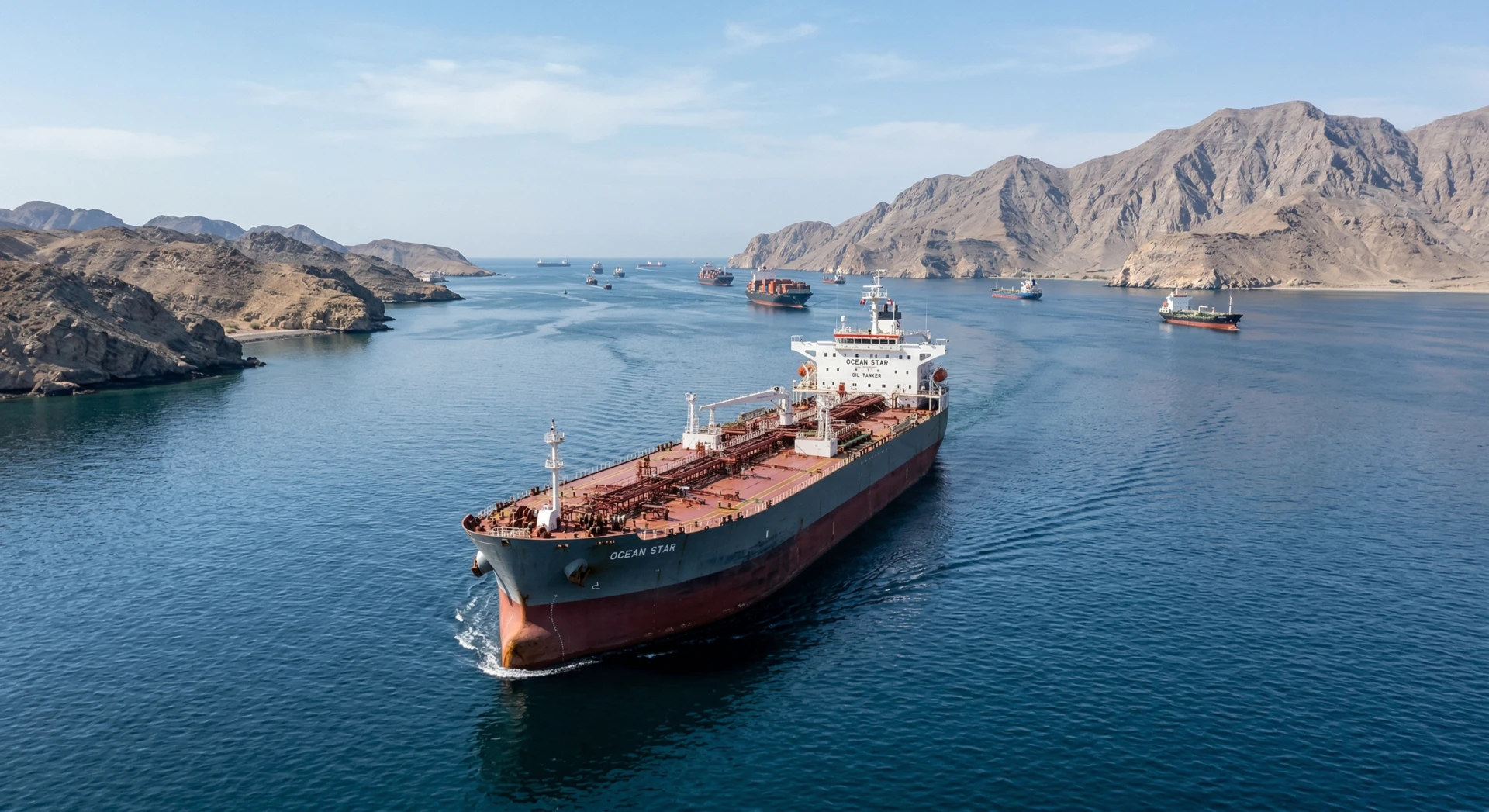
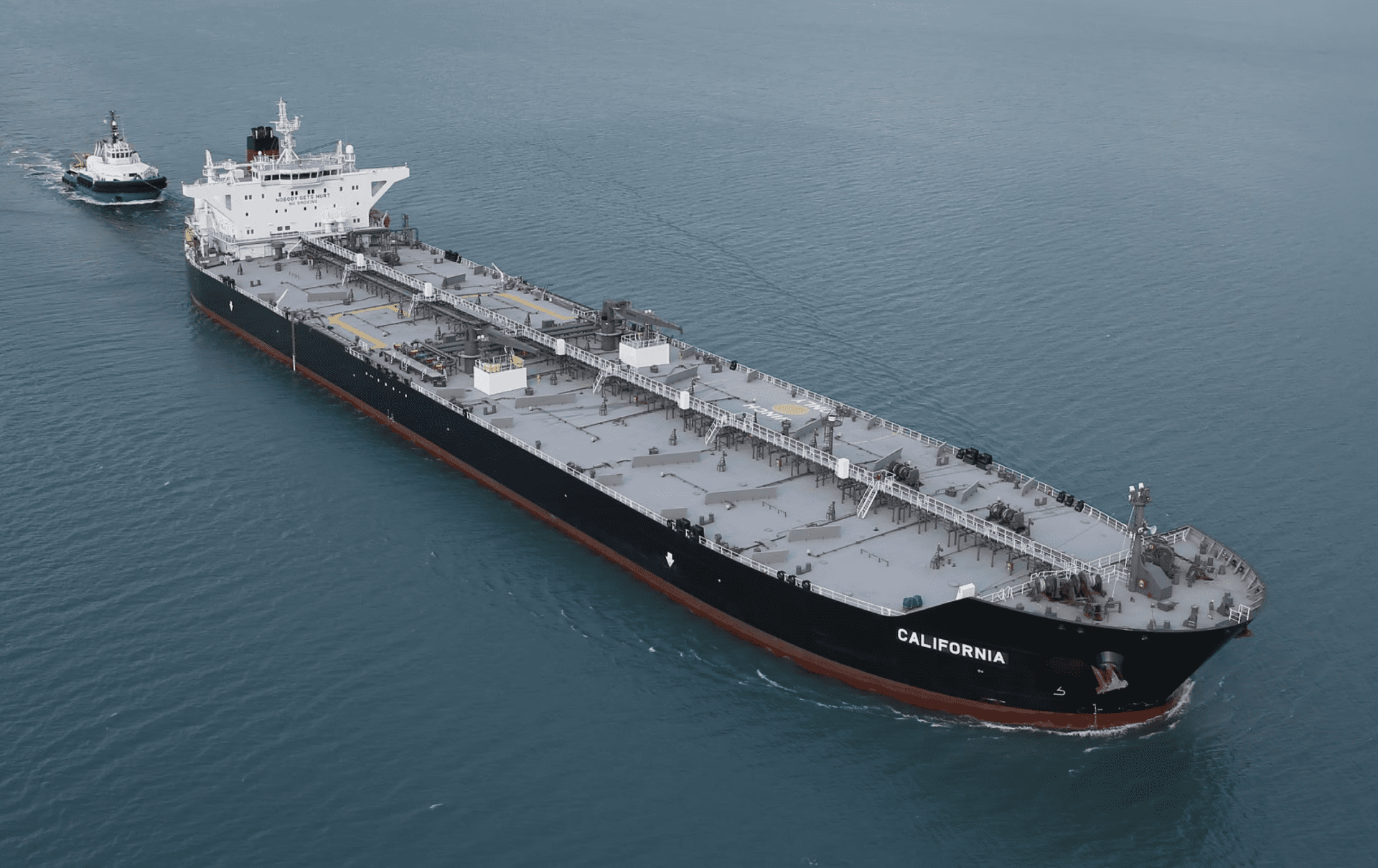
The physical mechanism begins roughly 3,500 nautical miles from Yangon, at the Strait of Hormuz a navigable channel only 33 kilometres wide at its narrowest point, through which approximately 20% of global seaborne oil trade passes daily. Southeast and East Asian refineries depend on imported crude and refined products for roughly 80% of their fuel supply; Gulf producers account for approximately half of that imported volume. When conflict in the Middle East, according to reports, tightened Hormuz transit conditions in early 2026, the region's fuel supply chain had almost no structural buffer. A VLCC (Very Large Crude Carrier a supertanker capable of carrying around 2 million barrels) that would normally load at Ras Tanura and arrive at a Singapore refinery or Vietnamese import terminal in 18–22 days faced delays, insurance surcharges, and, in some cases, rerouting. For countries like Myanmar, Laos, and Cambodia which have extremely limited formal import infrastructure and depend heavily on informal cross-border flows and grey-market distribution the disruption was felt at street level within weeks.
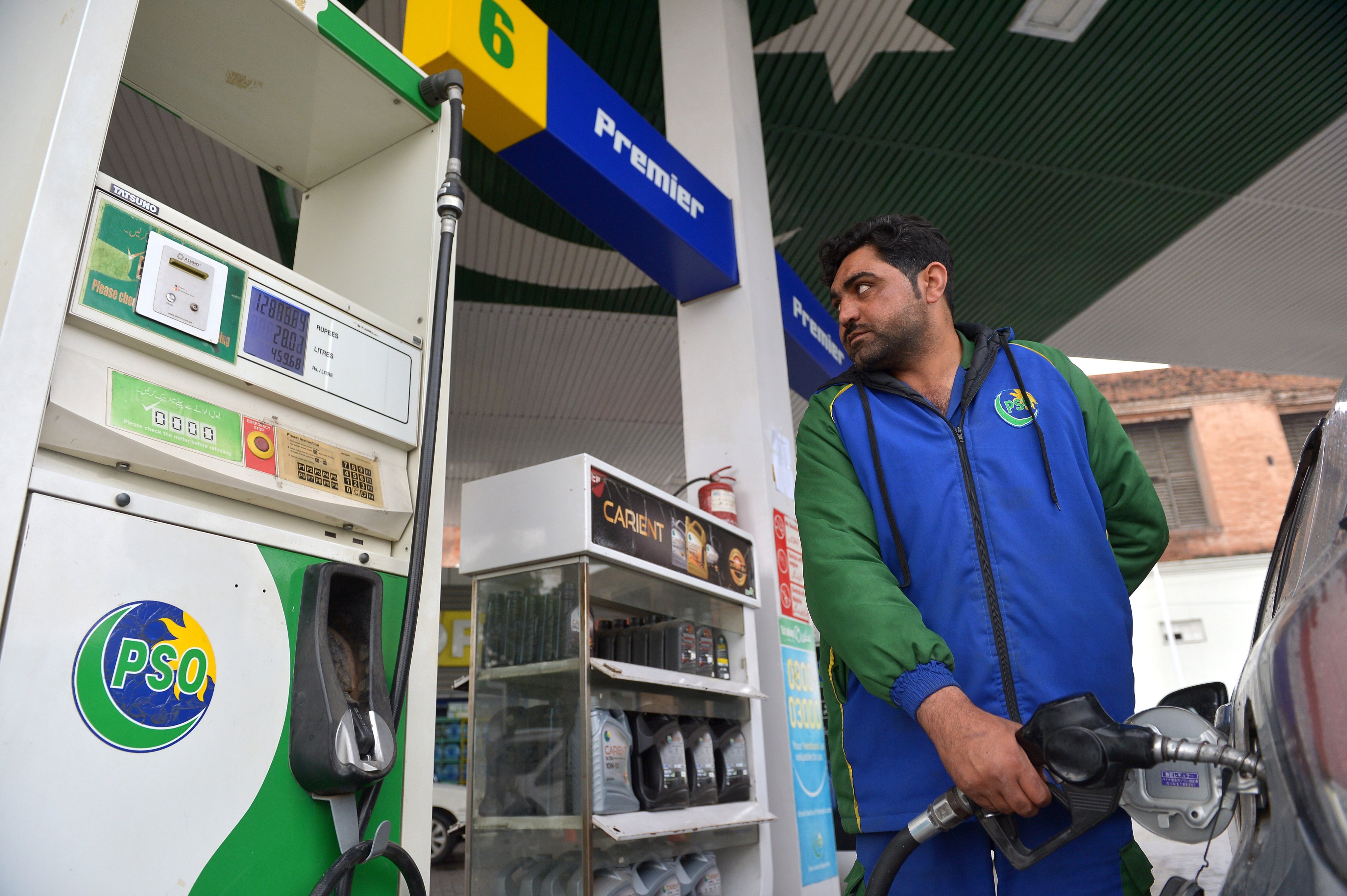
The margin anatomy for fuel distributors in these markets is brutal. Consider a Cambodian fuel retailer operating under government price controls. Before the Hormuz disruption premium materialised, a litre of diesel might carry a distribution margin of roughly $0.03–0.05 thin but workable at volume. As Singapore gasoil crack spreads the price difference between crude oil and the refined diesel product widened substantially above their normal range of $10–14/MT, import costs rose while retail prices remained politically capped. The distributor absorbs the gap. At a $6/MT input cost increase on a 200 tonne monthly volume, that is $1,200 per month erased from an already marginal operation. The arbitrage was not available to them; it belonged entirely to the refiners and traders upstream who could access Singapore spot markets.
It is in this context that the Chinese electric two-wheeler export surge becomes commercially legible. In Myanmar, fuel rationing under an odd-even licence plate scheme restricting which vehicles could refuel on given days based on their plate number effectively exempted electric vehicles from the constraint. When a local dealer reportedly sold out 200 electric two-wheelers immediately after receiving a shipment, that was not a marketing success. It was a supply shock response. Electric two-wheelers priced at the equivalent of $700–1,200 in these markets offer a fuel cost of near zero relative to the daily operational cost of a petrol motorcycle, which in Myanmar during rationing periods was not just expensive but periodically unavailable. The consumer calculation had changed permanently, not merely temporarily.
On the buy side: a Myanmar taxi or delivery rider converting to an electric two-wheeler at a landed cost of approximately $900 eliminates a fuel spend of roughly $1.50–2.00 per day around $45–60 per month. Payback against a petrol alternative occurs within 18–24 months even at pre-crisis fuel prices. At crisis-level prices and rationing, payback compresses to under 12 months. On the sell side: a mid-sized Chinese manufacturer shipping 5,000 units to Southeast Asia at an average factory-gate price of $650 per unit generates $3.25 million in export revenue per consignment, with export margins estimated at 12–18% between $390,000 and $585,000. Crucially, some Chinese firms ship knocked-down kits vehicles exported as disassembled components for local assembly which may be recorded differently in customs statistics, meaning headline export figures for Q1 2026 likely understate actual volumes reaching end markets.
For large integrated Chinese EV manufacturers firms with established logistics networks, financing facilities, and relationships with regional distributors the opportunity is to convert crisis-driven trial purchases into long-cycle fleet replacement. The instrument is supply chain lock-in: establishing local assembly partnerships using knocked-down kits, providing spare parts networks, and offering trade financing to regional dealers. This locks in distribution at a moment when consumer preference has shifted. For smaller regional Chinese exporters without those networks, the practical equivalent is volume commitment pricing to established importers already active in Myanmar, Cambodia, and Laos fixing forward supply terms bilaterally with three to six month delivery windows to protect against domestic Chinese demand fluctuations eating into export allocation.
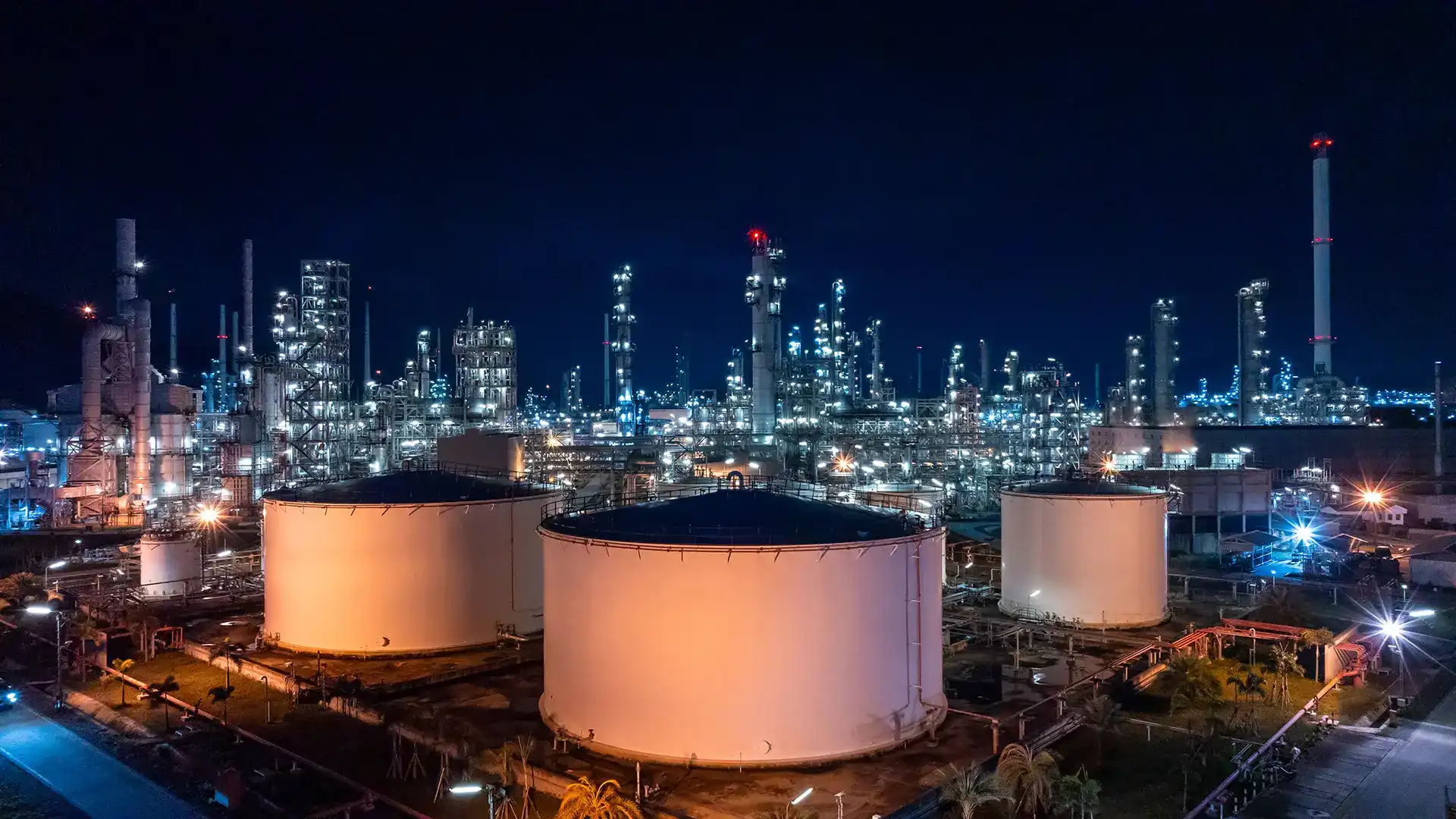
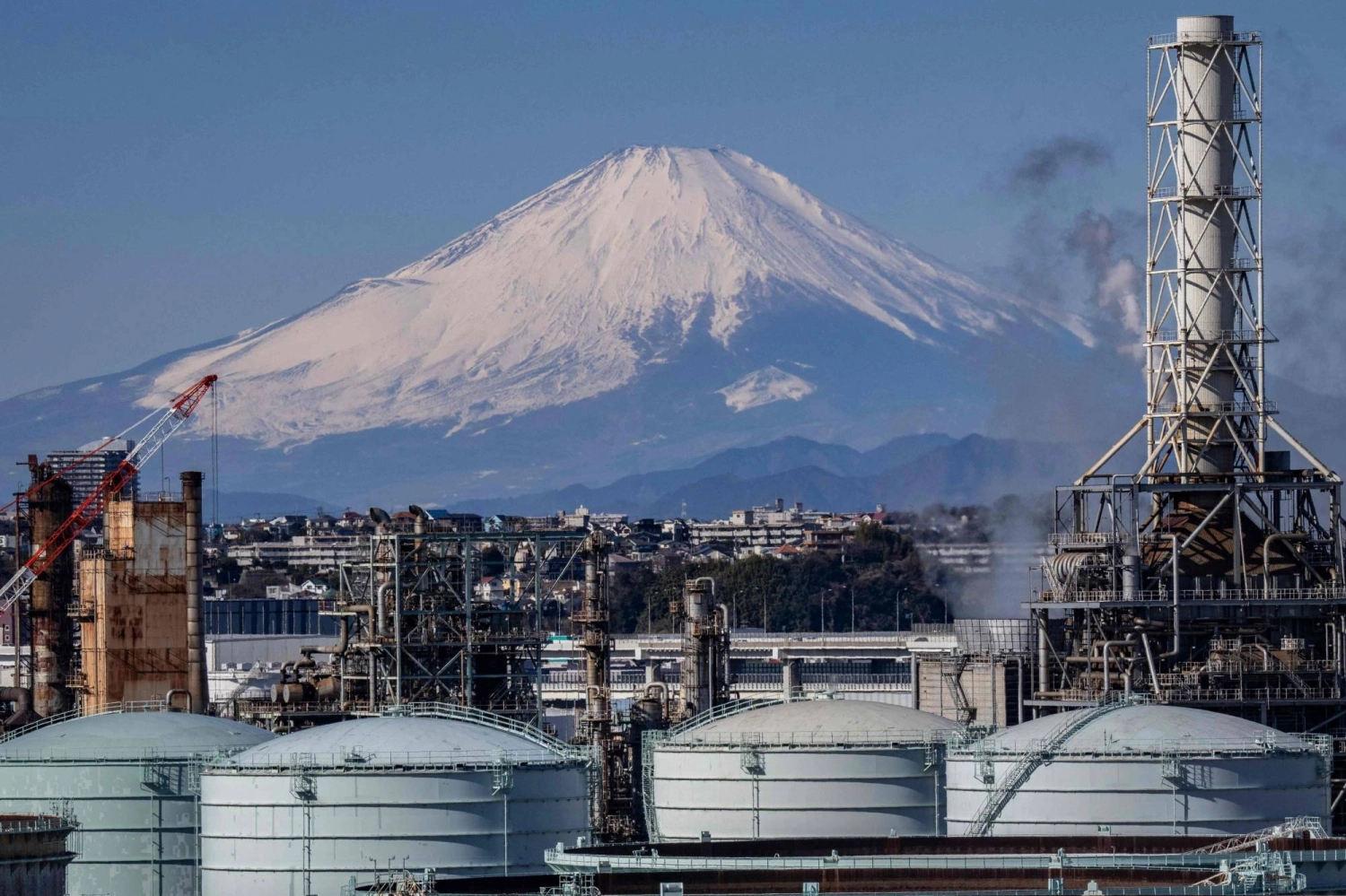
The parallel storyline China's resumption of refined product exports after a brief suspension during the early US-Iran confrontation, according to reports deserves sceptical reading. Chinese export permits for refined products are quota controlled and state-directed. Reports that state-owned refiners were applying for government permits to resume fuel exports in May 2026 suggest a deliberate ramp-up timetable, not an automatic market response. This is discretionary infrastructure: it can be reversed overnight if domestic fuel demand spikes, if refinery margins compress, or if policy priorities shift. Southeast Asian fuel markets pricing in Chinese export relief should note that Myanmar, Laos, and Cambodia the markets most affected by the EV surge rely heavily on informal distribution channels that formal Chinese export permit volumes, routed through Singapore spot markets, may not reach in time or in assumed quantities. Relief on paper does not equal relief at the pump in Mandalay.
The freight and arbitrage dimensions are where the real margin concentrates. Singapore gasoil crack spreads currently elevated above the historical norm represent the signal. If Chinese refined product exports ramp materially through May and June, a crack spread compression is likely: traders positioned short regional gasoil crack versus long Chinese export economics effectively betting that the spread narrows as Chinese supply enters the market may capture $4–8/MT on convergence. For a trader moving 50,000 tonnes, that is $200,000–$400,000 on a single position. The freight leg matters too: product moving from a Chinese refinery at Shandong or Zhoushan to Singapore on an MR tanker a medium-range vessel class carrying 25,000–45,000 tonnes of refined product costs approximately $15–22/MT at current rates. The refiner captures the crack spread; the vessel operator captures the freight. Both are winning simultaneously, which is why Chinese state refiners' applications for export permits are commercially rational right now.
Observers should watch two specific signals over the next 30 days. First, the Singapore gasoil cash crack spread published daily by S&P Global Platts as part of the Singapore spot market assessment is the most direct indicator of whether Chinese export volumes are materialising in sufficient quantity to compress regional prices. A crack spread falling from current elevated levels toward the $10–12/MT historical range would confirm that formal Chinese supply is reaching the market. Second, customs data from the General Administration of Customs of China, published monthly with a 3–4 week lag, will provide the first hard evidence of whether May's permit applications translated into actual export volumes. If that data shows a sustained ramp-up in gasoil and diesel export tonnage, the Southeast Asian fuel premium narrows and with it, some of the urgency that is currently driving electric two-wheeler adoption. Chinese EV manufacturers should not assume the tailwind is permanent. The same fuel market that created their demand surge in Myanmar can moderate it. The window for market capture is open now, and it may not stay open.
.jpg)

'%3e%3cg id='Final-Copy-2_2_' transform='translate(1275.000000, 200.000000)'%3e%3cpath class='st0' d='M7.4,12.8h6.8l3.1-11.6H7.4C4.2,1.2,1.6,3.8,1.6,7S4.2,12.8,7.4,12.8z'/%3e%3c/g%3e%3c/g%3e%3c/g%3e%3cg id='final---dec.11-2020'%3e%3cg id='_x30_208-our-toggle' transform='translate(-1275.000000, -200.000000)'%3e%3cg id='Final-Copy-2' transform='translate(1275.000000, 200.000000)'%3e%3cpath class='st1' d='M22.6,0H7.4c-3.9,0-7,3.1-7,7s3.1,7,7,7h15.2c3.9,0,7-3.1,7-7S26.4,0,22.6,0z M1.6,7c0-3.2,2.6-5.8,5.8-5.8 h9.9l-3.1,11.6H7.4C4.2,12.8,1.6,10.2,1.6,7z'/%3e%3cpath id='x' class='st2' d='M24.6,4c0.2,0.2,0.2,0.6,0,0.8l0,0L22.5,7l2.2,2.2c0.2,0.2,0.2,0.6,0,0.8c-0.2,0.2-0.6,0.2-0.8,0 l0,0l-2.2-2.2L19.5,10c-0.2,0.2-0.6,0.2-0.8,0c-0.2-0.2-0.2-0.6,0-0.8l0,0L20.8,7l-2.2-2.2c-0.2-0.2-0.2-0.6,0-0.8 c0.2-0.2,0.6-0.2,0.8,0l0,0l2.2,2.2L23.8,4C24,3.8,24.4,3.8,24.6,4z'/%3e%3cpath id='y' class='st3' d='M12.7,4.1c0.2,0.2,0.3,0.6,0.1,0.8l0,0L8.6,9.8C8.5,9.9,8.4,10,8.3,10c-0.2,0.1-0.5,0.1-0.7-0.1l0,0 L5.4,7.7c-0.2-0.2-0.2-0.6,0-0.8c0.2-0.2,0.6-0.2,0.8,0l0,0L8,8.6l3.8-4.5C12,3.9,12.4,3.9,12.7,4.1z'/%3e%3c/g%3e%3c/g%3e%3c/g%3e%3c/g%3e%3c/svg%3e) Privacy Choices
Privacy Choices