.avif)
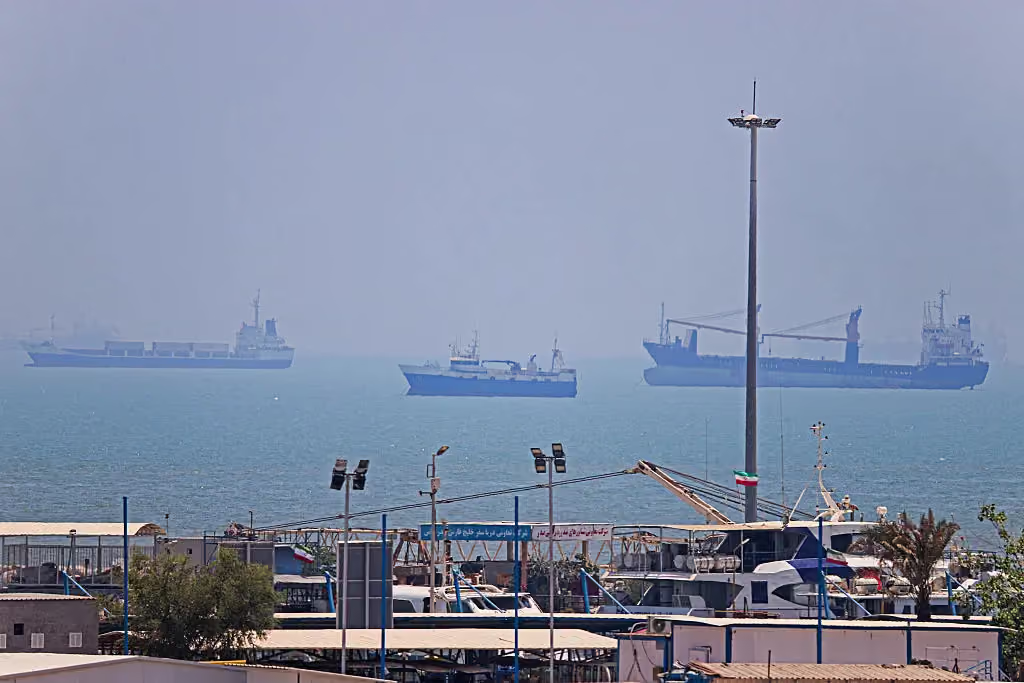
VLCC charterers operating Middle East Gulf routes are recalibrating freight economics in real time: a surge to 78 vessel crossings through the Strait of Hormuz on June 24, 2026 a reported single-day record has begun compressing war-risk surcharges that had inflated voyage costs by an estimated 20–40% above pre-conflict norms. The compression is not uniform, not guaranteed, and not yet complete. For charterers who locked in long-term freight rates at disruption-era highs, the shift represents an immediate margin opportunity. For those still exposed to spot war-risk premiums, the direction of travel is now firmly downward but the speed of that descent depends almost entirely on the durability of a ceasefire that, as of late June, remains provisional.
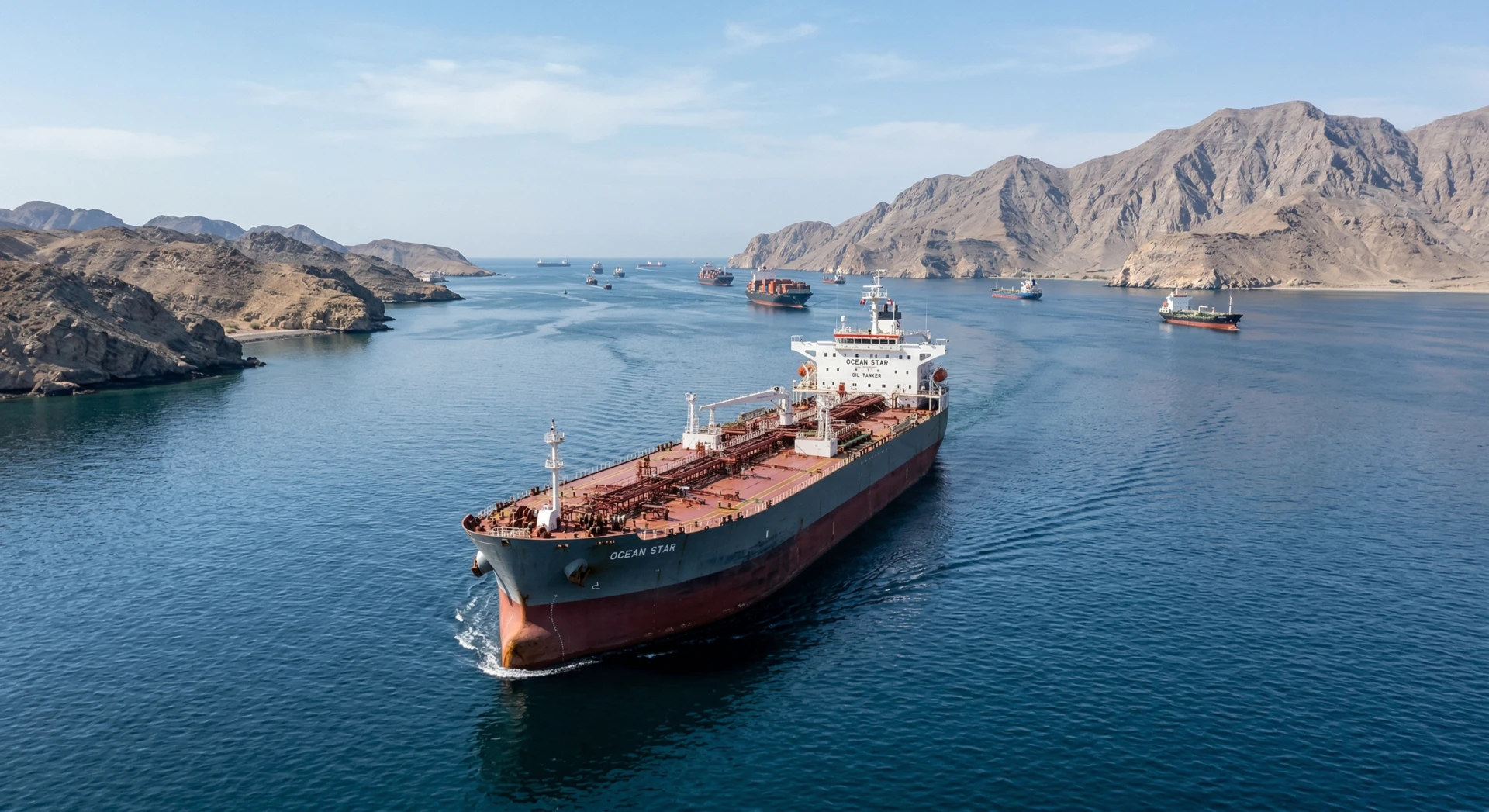
The physical backdrop matters. The Strait of Hormuz a 33 kilometre wide chokepoint between Iran and Oman through which roughly 20% of all globally traded oil flows daily was effectively constricted during the preceding conflict period. VLCCs (Very Large Crude Carriers, supertankers capable of carrying 2 million barrels of crude oil each) that previously transited directly began diverting via the Cape of Good Hope, adding 10–14 days to Middle East Gulf to Asia voyages. That detour costs approximately $1.5–2.5 million per VLCC voyage in additional bunker fuel and port time alone a cost that, in a tight freight market, accrues entirely to the vessel operator through higher spot rates, not the cargo owner. The reversal of that diversion is now the central commercial question.
The mechanism driving the traffic surge is a provisional U.S.-Iran ceasefire, reportedly backed by what sources describe as the Islamabad Memorandum of Understanding a 14 point framework for de-escalation and negotiations toward a final peace treaty. This is not, if the reports are accurate, a full peace agreement. The operative distinction matters enormously for freight pricing: war-risk insurance underwriters who assess premium rates based on probability-weighted loss scenarios over policy periods will not fully reprice until a durable settlement is legally in place. Critically, a new safe corridor near the Omani coast now accounts for over 40% of transits, with approximately 33 vessels using it on the record-crossing day. Of those, 25 were outbound and 8 inbound, reflecting the lopsided flow of loaded crude exports moving toward Asia. Eight vessels were detected operating dark meaning they had switched off their AIS (Automatic Identification System, the transponder that broadcasts a vessel's position, speed, and identity) complicating insurer assessments of actual risk exposure.
The margin anatomy of a VLCC voyage through Hormuz right now is instructive. Consider a standard 270,000 deadweight tonne VLCC loading Kuwaiti crude at Mina Al-Ahmadi, transiting Hormuz, and discharging at a South Korean refinery a 20 day voyage at normal steam. During peak disruption, the Baltic Exchange Dirty Tanker Index route TD3C the benchmark freight rate for VLCC voyages from the Middle East Gulf to Japan, expressed in Worldscale points was trading at levels implying an all-in voyage cost approximately $4–6/MT above pre-conflict norms. At 270,000 MT cargo capacity, that premium represents $1.08–1.62 million per voyage above the pre-conflict baseline. As traffic normalises and war-risk surcharges compress, that excess evaporates. The vessel operator absorbs the rate decline; the cargo owner the refiner or trader who chartered the vessel benefits from lower delivered freight costs. The asymmetry is structural: in a normalising market, freight savings flow to charterers, not shipowners.
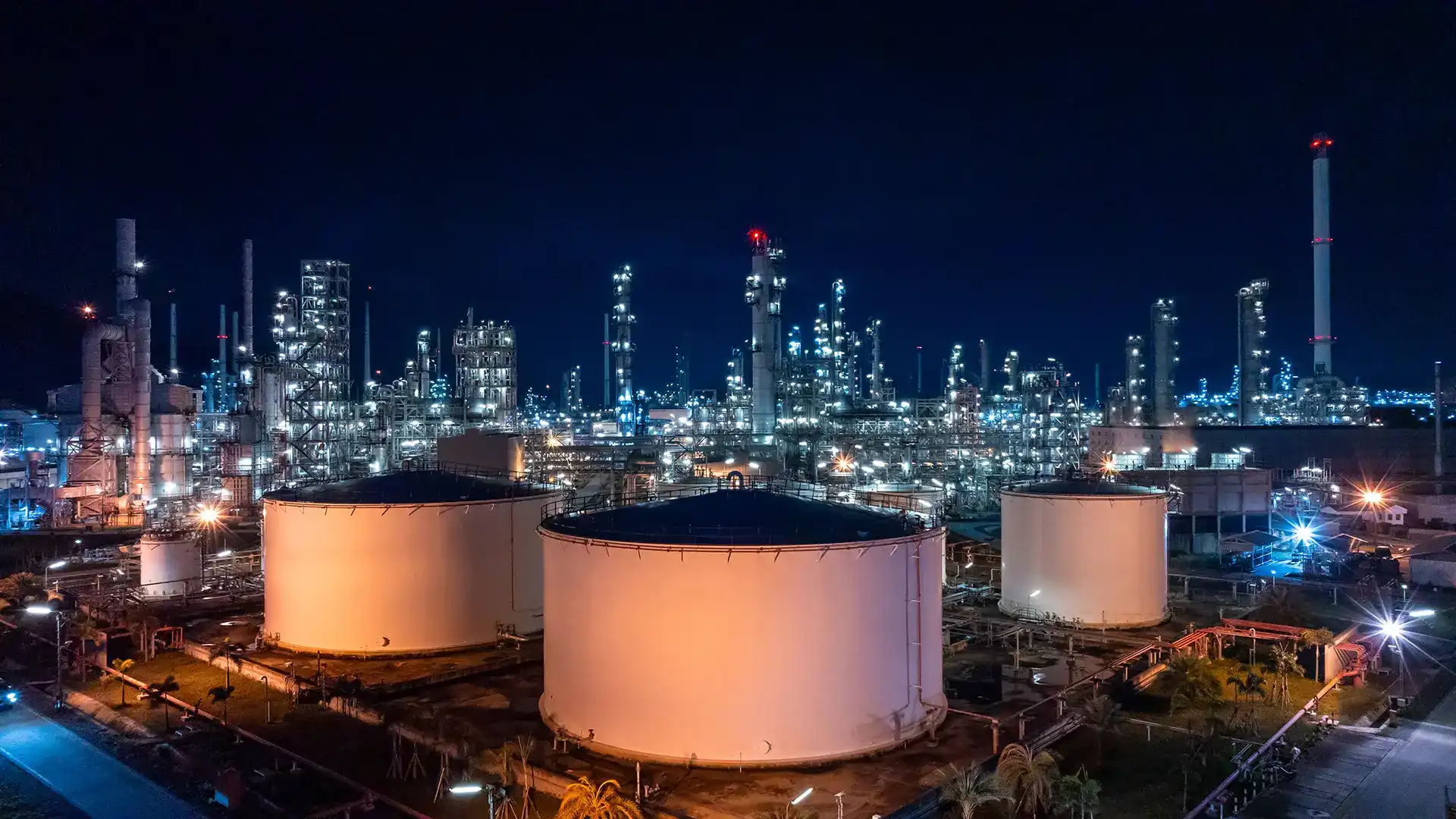
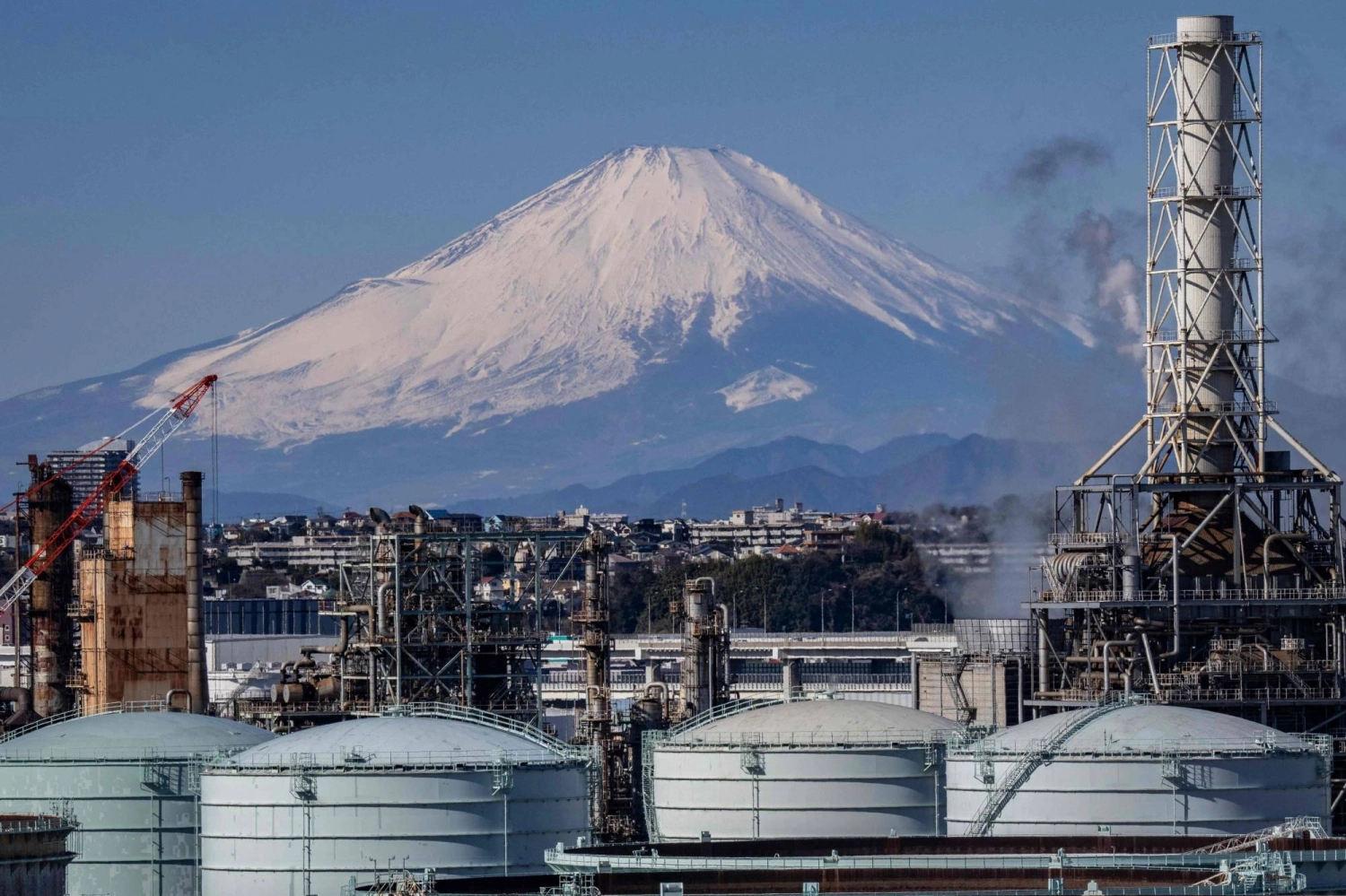
On the buy side, Indian and East Asian refiners are the immediate beneficiaries. Indian state refiners Indian Oil Corporation, Bharat Petroleum, Hindustan Petroleum had shifted procurement toward alternative grades (West African WAF crude, US WTI barrels) during the disruption, accepting $1.50–3.00/bbl premiums over Middle East Gulf grades on a delivered basis. As Hormuz traffic recovers and the MEG to India voyage risk premium deflates, those emergency procurement premiums compress. A refinery running 250,000 barrels per day that substitutes even 20% back toward MEG supply saves approximately $1.50–2.00/bbl on that portion roughly $7.5–10 million per month at full recovery. That is not a rounding error; it is a budget line. On the sell side, GCC crude exporters Saudi Aramco, ADNOC, Kuwait Petroleum see incremental netback improvement as delivered costs to Asian buyers fall, supporting official selling price competitiveness against Atlantic Basin alternatives.
For traders and intermediaries, the operative arbitrage is the Dubai–Brent spread the price differential between Middle East Gulf benchmark crude (Dubai/Oman) and North Sea benchmark crude (Brent). During the disruption, Brent traded at a compressed premium to Dubai as Atlantic Basin grades were pulled into Asian demand that MEG supply could not serve. As Hormuz normalises and MEG volumes recover, the spread is likely to widen again meaning traders long Atlantic Basin alternatives face margin erosion. The short-dated play is a Dubai/Brent spread position tightening to its structural norm of approximately $1.50–2.50/bbl. Traders who positioned in WTI or North Sea grades as MEG substitutes during the conflict period need to reassess those books now, not at full normalisation.
For large integrated traders the Vitols, Trafiguras, and national oil company trading arms with direct access to freight derivatives the instrument is a combination of TD3C FFA (Forward Freight Agreement, a financial contract that locks in a future freight rate without physical vessel commitment) and war-risk insurance rate forwards where available. Selling TD3C FFAs at current levels effectively monetises the freight-rate compression before it fully occurs in the spot market. For smaller regional operators a mid-sized Singaporean fuel importer, an independent South Asian refiner without FFA access the practical equivalent is fixing voyage charter terms bilaterally at current rates before war-risk surcharges fully deflate, and negotiating freight inclusive CFR (Cost and Freight, a trade term where the seller arranges and pays for shipping to the destination port) contracts with MEG suppliers who are now motivated to regain market share. The window for that bilateral fixing may be short.
The systemic risk that most market commentary is underweighting is the corridor concentration problem. The new Omani coast safe corridor, while operationally welcome, has effectively funnelled over 40% of compliant, AIS-visible, insured transits into a single defined lane. This is a single-point logistics dependency. Before the corridor existed, traffic was dispersed across multiple routes at varying distances from Iranian territorial waters a natural diversification of incident risk. Now, a single navigational incident, a disputed corridor boundary, or Iranian withdrawal of cooperation from the corridor arrangement would simultaneously affect the majority of insured transits. The shock to war-risk pricing would be sharper and more immediate than anything seen during the distributed routing period. The eight dark vessels operating outside the corridor serve as a reminder that not all traffic is playing by the new rules.
Observers should fix their monitoring on three time-bound signals. First, IMF PortWatch Hormuz throughput data (updated weekly) if daily crossings hold above 65 and trend toward 80 through the first two weeks of July, the normalisation narrative gains structural support. Second, the Baltic Exchange TD3C rate if it re-converges to within 10 Worldscale points of its 12 month pre-conflict average by mid-July, war-risk surcharge compression is translating into actual freight economics. Third, and most consequential: the 60 day negotiation window implied by the Islamabad MOU framework. If no formal progress on a binding peace framework is announced by late August, re-escalation risk reprices everything. The market's current 10.5% probability of full traffic normalisation by end of June is not pessimism it is arithmetic. Charterers should plan for a base case of gradual, interrupted normalisation rather than a clean return to pre-conflict conditions.

.jpg)
.jpg)

'%3e%3cg id='Final-Copy-2_2_' transform='translate(1275.000000, 200.000000)'%3e%3cpath class='st0' d='M7.4,12.8h6.8l3.1-11.6H7.4C4.2,1.2,1.6,3.8,1.6,7S4.2,12.8,7.4,12.8z'/%3e%3c/g%3e%3c/g%3e%3c/g%3e%3cg id='final---dec.11-2020'%3e%3cg id='_x30_208-our-toggle' transform='translate(-1275.000000, -200.000000)'%3e%3cg id='Final-Copy-2' transform='translate(1275.000000, 200.000000)'%3e%3cpath class='st1' d='M22.6,0H7.4c-3.9,0-7,3.1-7,7s3.1,7,7,7h15.2c3.9,0,7-3.1,7-7S26.4,0,22.6,0z M1.6,7c0-3.2,2.6-5.8,5.8-5.8 h9.9l-3.1,11.6H7.4C4.2,12.8,1.6,10.2,1.6,7z'/%3e%3cpath id='x' class='st2' d='M24.6,4c0.2,0.2,0.2,0.6,0,0.8l0,0L22.5,7l2.2,2.2c0.2,0.2,0.2,0.6,0,0.8c-0.2,0.2-0.6,0.2-0.8,0 l0,0l-2.2-2.2L19.5,10c-0.2,0.2-0.6,0.2-0.8,0c-0.2-0.2-0.2-0.6,0-0.8l0,0L20.8,7l-2.2-2.2c-0.2-0.2-0.2-0.6,0-0.8 c0.2-0.2,0.6-0.2,0.8,0l0,0l2.2,2.2L23.8,4C24,3.8,24.4,3.8,24.6,4z'/%3e%3cpath id='y' class='st3' d='M12.7,4.1c0.2,0.2,0.3,0.6,0.1,0.8l0,0L8.6,9.8C8.5,9.9,8.4,10,8.3,10c-0.2,0.1-0.5,0.1-0.7-0.1l0,0 L5.4,7.7c-0.2-0.2-0.2-0.6,0-0.8c0.2-0.2,0.6-0.2,0.8,0l0,0L8,8.6l3.8-4.5C12,3.9,12.4,3.9,12.7,4.1z'/%3e%3c/g%3e%3c/g%3e%3c/g%3e%3c/g%3e%3c/svg%3e) Privacy Choices
Privacy Choices