.avif)
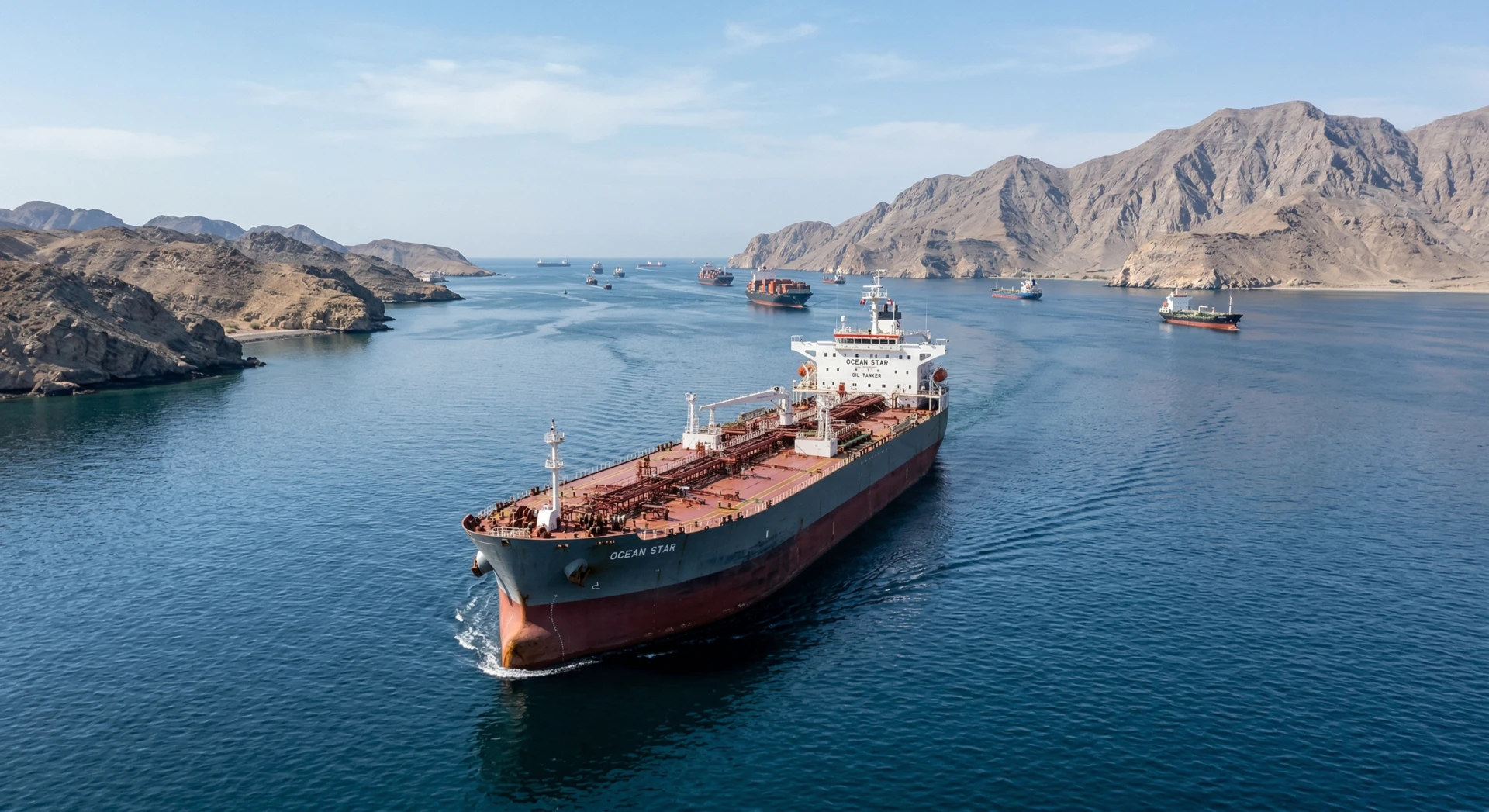
Global energy infrastructure investors face a $3.4 trillion investment shift starting now, driven by record disruption to Middle East energy infrastructure that has damaged over 30 facilities and forced permanent route diversification away from Gulf supply chains. The International Energy Agency's World Energy Investment 2026 report confirms that global energy investment will reach $3.4 trillion this year, representing a modest year on year increase, but the underlying dynamics have fundamentally changed. Energy security the ability to deliver reliable, affordable power regardless of geopolitical disruption now drives capital allocation ahead of pure economics. The current energy crisis, resulting from the de facto closure of the Strait of Hormuz, is changing risk perceptions and driving a shift toward greater diversification, as IEA Executive Director Fatih Birol noted: "We are experiencing the greatest energy security crisis the world has ever faced."
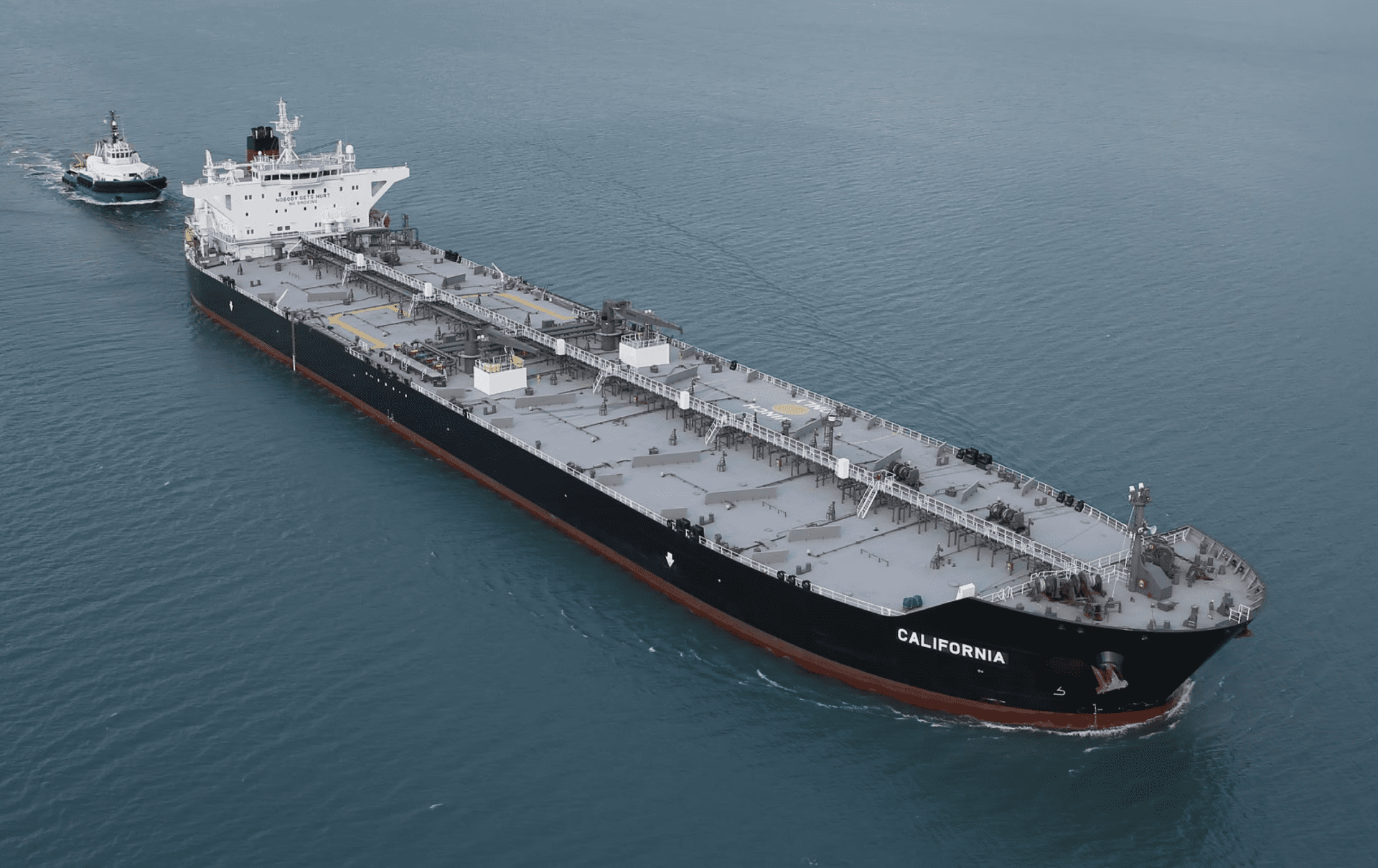
Approximately $2.2 trillion will be directed toward grids, storage, low-emissions fuels, nuclear power, renewables, efficiency, and electrification this year, while around $1.2 trillion is allocated for oil, natural gas, and coal. This represents a security premium embedded in every major energy project. Despite elevated oil prices, investment in oil is expected to fall for a third consecutive year in 2026, dropping below $500 billion, as uncertainty about the duration of the price spike, extended project lead times, supply chain bottlenecks, and a tighter offshore rig market limit near-term spending outside the Middle East. Consider a major integrated oil company planning a $5 billion deepwater project off West Africa: the 18 month development timeline now includes six months of additional contingency planning for alternative shipping routes, supply chain redundancy, and force majeure insurance costs that compress project economics even at Brent crude near $97 per barrel. Damage has affected more than 40 major energy infrastructure assets, and even if attacks stop today, "normal" is years away, with restoring Qatar's Ras Laffan LNG facility taking 3–5 years.
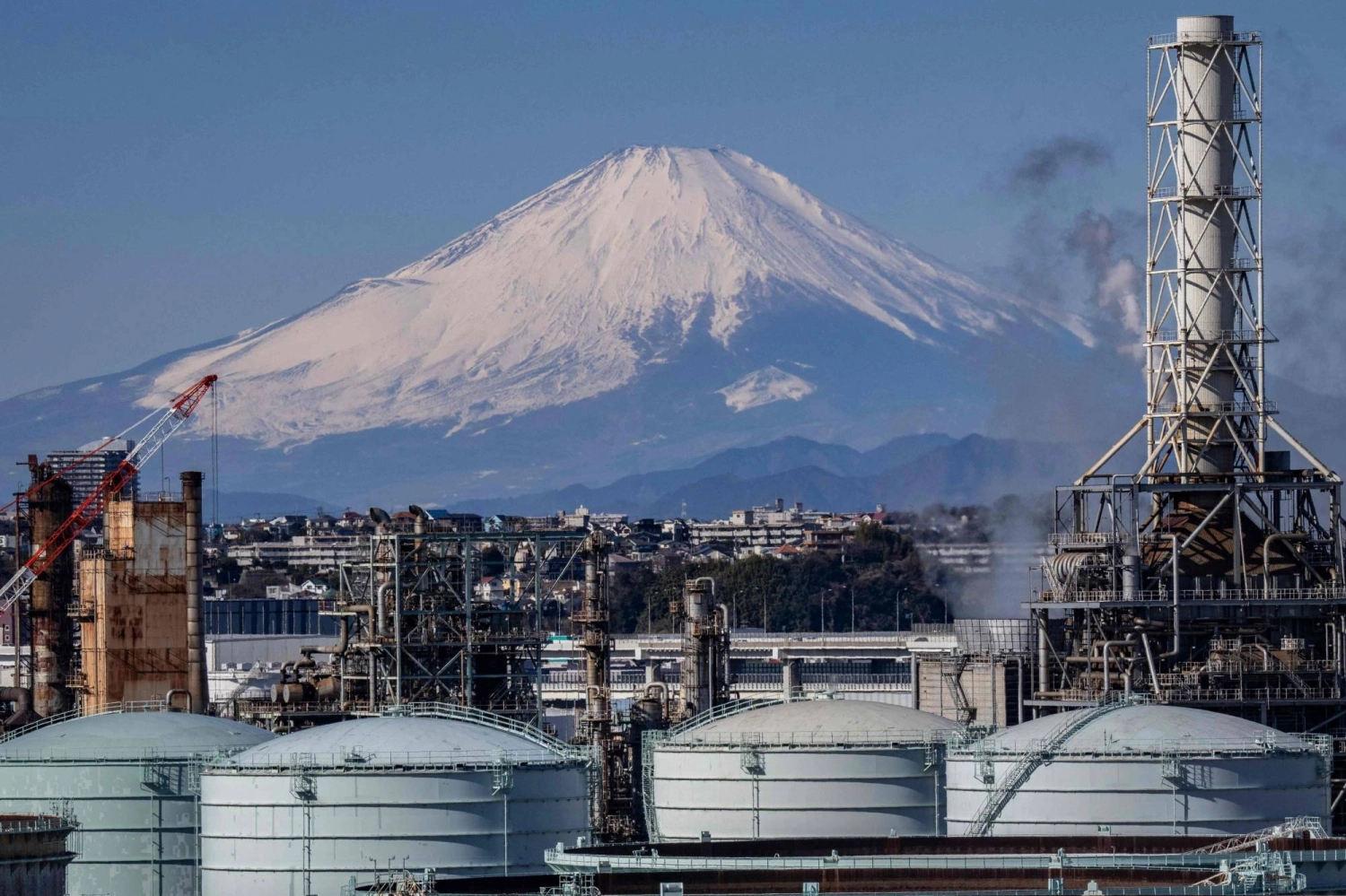
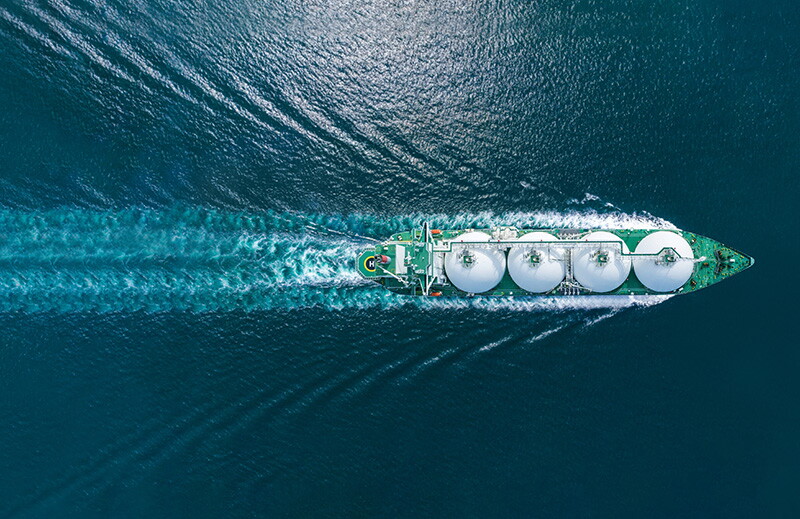
On the buy side, Asian power utilities and industrial gas consumers face the steepest adjustment costs as about 80% of oil and oil products transiting the Strait in 2025 was destined for Asia, with over 110 bcm of LNG passing through the Strait, representing about 93% of Qatar's and 96% of the UAE's LNG exports almost one-fifth of global LNG trade. A mid-sized Japanese power utility previously sourcing 40% of its LNG from Qatar through long-term contracts at $12-14/MMBtu now pays spot prices that have jumped from $10-12 to $21-28 per MMBtu for replacement supply from Australia and the United States. The additional $50 million per cargo for a typical 170,000 cubic meter LNG tanker flows directly to sellers in regions with operational export capacity. On the sell side, North American LNG exporters and Canadian crude producers capture windfall margins as Asian buyers scramble for non-Gulf alternatives. Energy security concerns and disruptions linked to the Middle East conflict and Strait of Hormuz crisis are reshaping global investment priorities toward diversification, electricity infrastructure, LNG, renewables, nuclear power, and battery storage.
For large integrated energy traders with derivatives access, the volatility creates arbitrage opportunities across time and geography through options strategies and storage optimization. Smaller regional operators independent power producers, municipal utilities, mid-market industrial consumers absorb the security premium without hedging tools, typically through long-term contracts that lock in current elevated pricing or demand reduction strategies. Investment in renewable power projects is expected to reach about $665 billion in 2026, with $365 billion of that devoted to solar energy alone, as the IEA report highlights a growing trend among fuel importing countries to pursue domestically available energy sources. Investment in generation is expected to be led by renewables at about $650 billion, followed by natural gas, nuclear, and coal, while grid investments will continue to surge in 2026, growing nearly 20% to about $550 billion, with battery energy storage systems investment expected to grow by more than 35% this year to $110 billion. The security premium is quantifiable: domestic energy sources now justify investment returns 200-300 basis points below traditional thresholds.
Damage to LNG liquefaction infrastructure in Qatar is set to reduce projected supply growth and delay the anticipated global LNG expansion wave by at least two years, with the combined effect of short-term supply losses and slower capacity growth resulting in a cumulative loss of around 120 billion cubic metres of LNG supply between 2026 and 2030, prolonging tight markets through 2026 and 2027. Energy infrastructure investors should monitor the Baltic Dry Index a measure of shipping costs for dry commodities that correlates with energy logistics capacity which typically signals infrastructure bottlenecks 2-3 months ahead of energy price dislocations. More immediately, watch for Japan's LNG inventory data released monthly by METI (Ministry of Economy, Trade and Industry): inventory levels below 15 days of consumption historically trigger emergency sourcing that adds $3-5/MMBtu to regional pricing. The structural shift toward domestic energy sources will outlast the immediate crisis, making grid infrastructure and storage the permanent beneficiaries of the 2026 security premium.


'%3e%3cg id='Final-Copy-2_2_' transform='translate(1275.000000, 200.000000)'%3e%3cpath class='st0' d='M7.4,12.8h6.8l3.1-11.6H7.4C4.2,1.2,1.6,3.8,1.6,7S4.2,12.8,7.4,12.8z'/%3e%3c/g%3e%3c/g%3e%3c/g%3e%3cg id='final---dec.11-2020'%3e%3cg id='_x30_208-our-toggle' transform='translate(-1275.000000, -200.000000)'%3e%3cg id='Final-Copy-2' transform='translate(1275.000000, 200.000000)'%3e%3cpath class='st1' d='M22.6,0H7.4c-3.9,0-7,3.1-7,7s3.1,7,7,7h15.2c3.9,0,7-3.1,7-7S26.4,0,22.6,0z M1.6,7c0-3.2,2.6-5.8,5.8-5.8 h9.9l-3.1,11.6H7.4C4.2,12.8,1.6,10.2,1.6,7z'/%3e%3cpath id='x' class='st2' d='M24.6,4c0.2,0.2,0.2,0.6,0,0.8l0,0L22.5,7l2.2,2.2c0.2,0.2,0.2,0.6,0,0.8c-0.2,0.2-0.6,0.2-0.8,0 l0,0l-2.2-2.2L19.5,10c-0.2,0.2-0.6,0.2-0.8,0c-0.2-0.2-0.2-0.6,0-0.8l0,0L20.8,7l-2.2-2.2c-0.2-0.2-0.2-0.6,0-0.8 c0.2-0.2,0.6-0.2,0.8,0l0,0l2.2,2.2L23.8,4C24,3.8,24.4,3.8,24.6,4z'/%3e%3cpath id='y' class='st3' d='M12.7,4.1c0.2,0.2,0.3,0.6,0.1,0.8l0,0L8.6,9.8C8.5,9.9,8.4,10,8.3,10c-0.2,0.1-0.5,0.1-0.7-0.1l0,0 L5.4,7.7c-0.2-0.2-0.2-0.6,0-0.8c0.2-0.2,0.6-0.2,0.8,0l0,0L8,8.6l3.8-4.5C12,3.9,12.4,3.9,12.7,4.1z'/%3e%3c/g%3e%3c/g%3e%3c/g%3e%3c/g%3e%3c/svg%3e) Privacy Choices
Privacy Choices