.avif)
.avif)
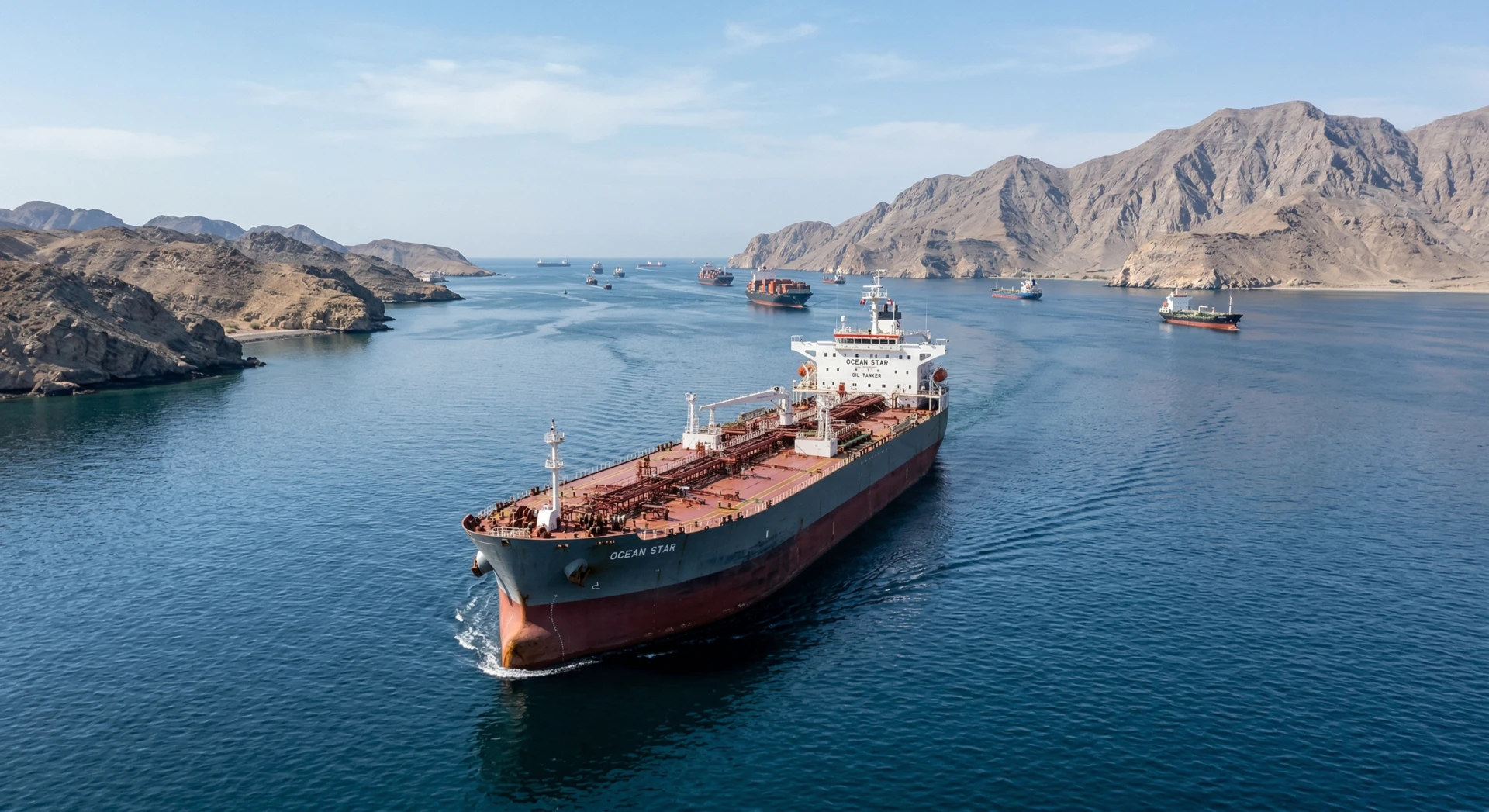
VLCC Owners face indefinite revenue hemorrhage as the IMO's new resolution on Strait of Hormuz safety formally recognizes the shipping crisis but offers zero enforcement mechanism. With Iranian attacks reportedly killing at least 11 seafarers and leaving more than 20,000 stranded, vessel operators are burning through operational costs with no cargo revenue while diplomatically correct language does nothing to open the waterway. Saudi Aramco CEO Amin Nasser reported over 600 tankers stuck inside the Persian Gulf, and another 240 waiting outside.
The International Maritime Organization's Maritime Safety Committee resolution proposed by the UAE and co-sponsored by Bahrain, Kuwait, Qatar, and Saudi Arabia addresses Iranian use of "drones, missiles and sea mines" but creates no operational mechanism to protect vessels or enforce free passage. The resolution requests states to support IMO evacuation efforts for merchant ships trapped in the Gulf using "IMO recognised maritime routes", language that implicitly acknowledges vessels will remain indefinitely trapped. This is diplomatic positioning, not maritime security.
Consider a VLCC Owner operating a 2 million barrel capacity vessel worth $120 million. With Brent crude around $103/barrel and Dubai crude at approximately $105.69/barrel, each trapped tanker represents $200+ million in stranded cargo value. Daily operational costs for a VLCC range from $35,000-$50,000 including crew, insurance, and maintenance costs that continue accumulating with zero revenue generation. A vessel trapped for 60 days burns through $2.1-$3 million in pure operational losses before considering opportunity costs.
For large integrated trading houses Vitol, Trafigura, Glencore the crisis redistributes margin concentration entirely. Persian Gulf crude is effectively off-limits, forcing procurement from West Africa, North Sea, and Americas. The EIA reports Brent crude reached $138/barrel on April 7 as the Strait's closure tightened global oil supplies, with current prices expected around $106/barrel in May and June. The Brent-Dubai spread typically $2-5/barrel has widened dramatically as Persian Gulf barrels become inaccessible, creating structural premiums for Atlantic Basin crude.
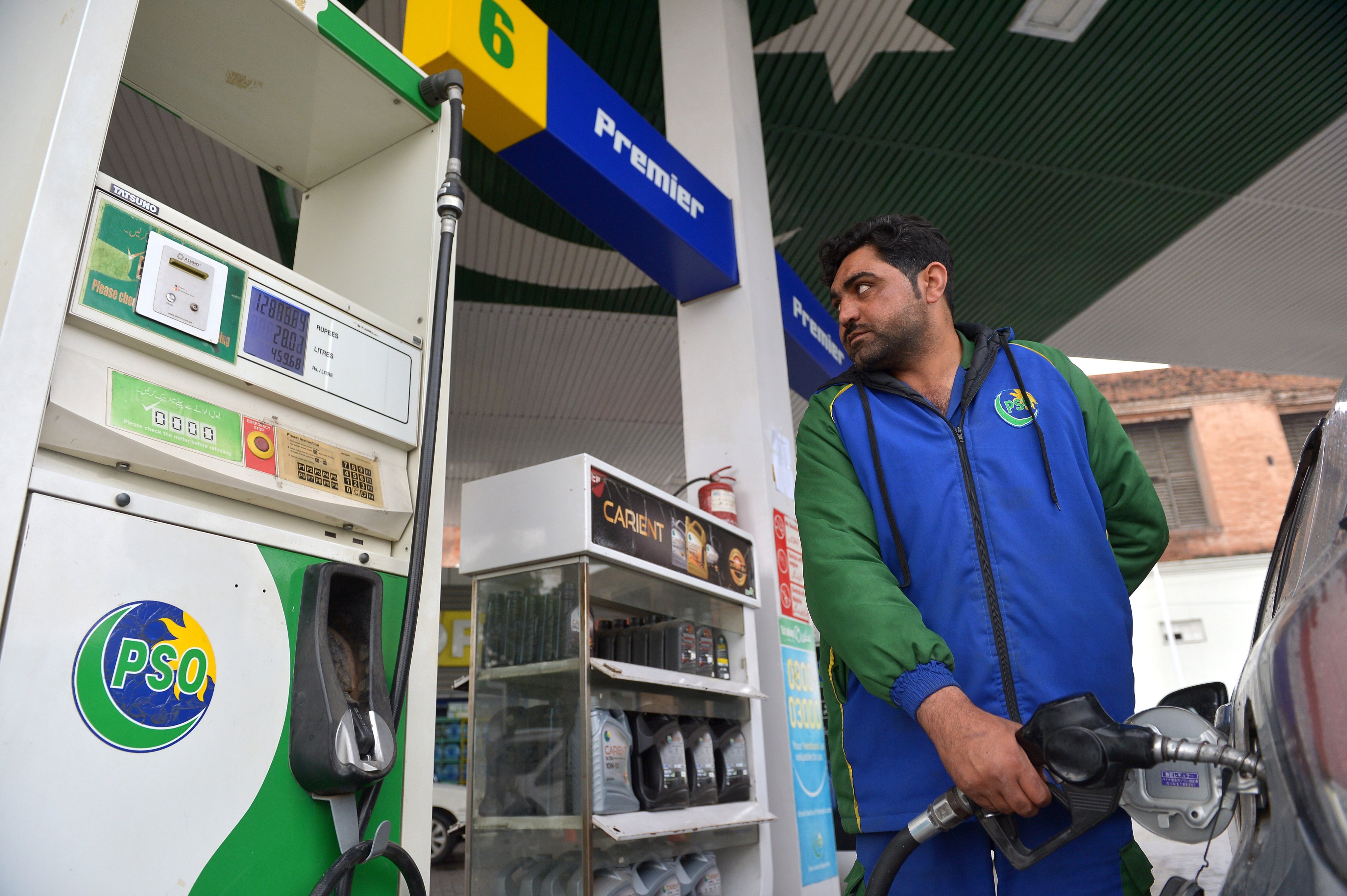
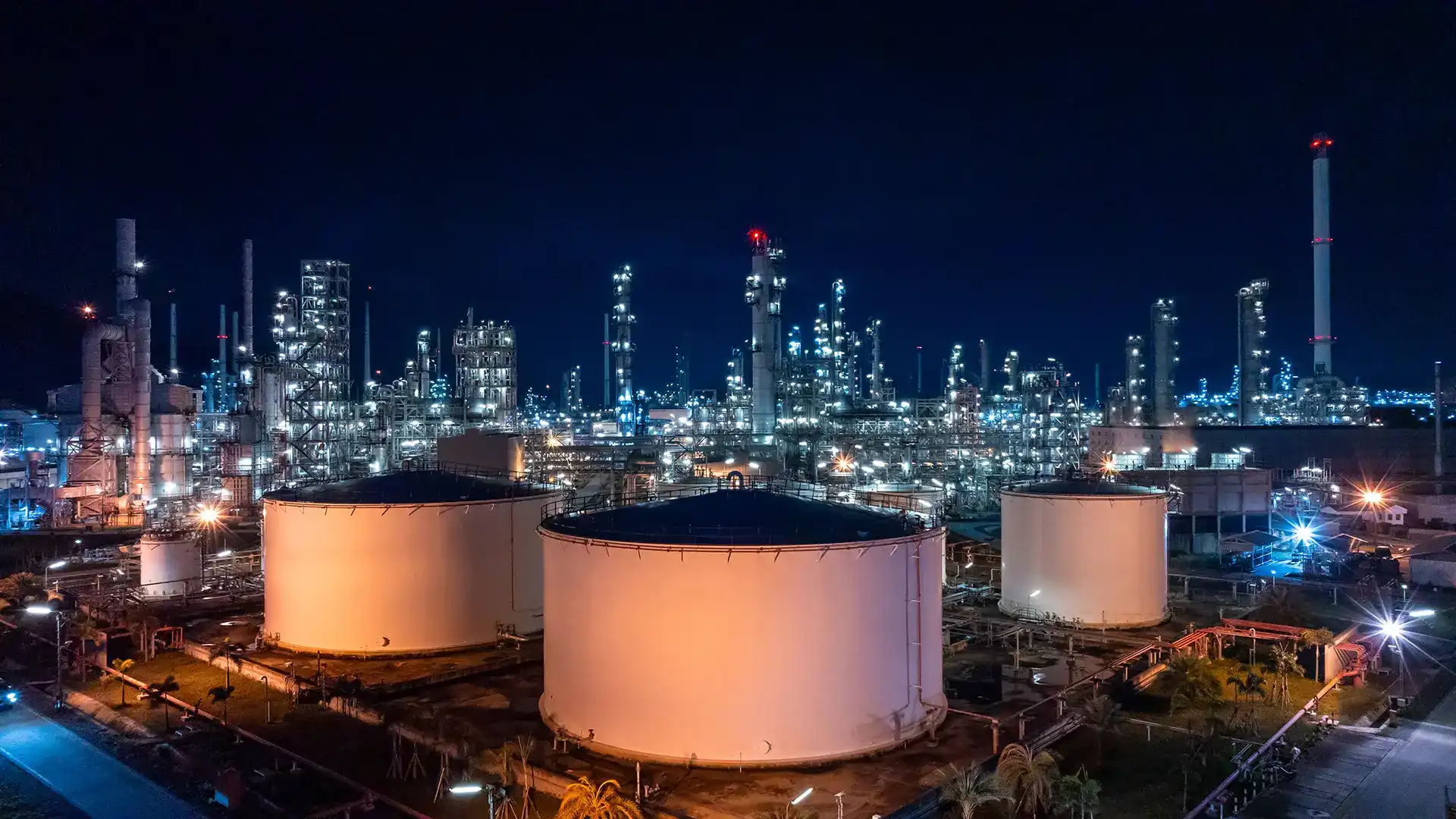
For smaller regional operators independent fuel importers, regional distributors, mid-sized refineries the arithmetic is simpler and more brutal. Persian Gulf crude traditionally offered cost advantages of $3-8/barrel over Atlantic alternatives. That discount has reversed into a premium that cannot be accessed. Regional refineries designed for high-sulfur Middle East crude face feedstock shortages and margin compression as they source higher-cost, different specification alternatives. No derivatives access means no hedging protection against volatile alternative supply costs.
The resolution's language around Iran's "Persian Gulf Strait Authority" reveals the deeper structural reality. Iran published a map claiming regulatory control over waters extending into UAE and Oman territorial waters, with the authority becoming operational on Monday. So far, only Chinese-linked shadow fleet vessels are paying PGSA tolls, with no Western-flagged operators publicly acknowledging payments due to US sanctions risk. This creates a two-tier market where sanctioned operators can access Persian Gulf crude at premium prices while Western operators remain entirely excluded.
Freight rates tell the margin story completely. VLCCs earn approximately $14,000-25,000/day in normal Persian Gulf to Asia trade. The EIA assumes the Strait remains effectively closed until late May, with shipping traffic beginning in June but not reaching pre-conflict levels until later this year. Alternative routes West Africa to Asia, North Sea to India command freight premiums of 30-50% due to longer distances and route scarcity. The freight advantage accrues entirely to vessel operators with non-Persian Gulf positioning, not cargo owners or trapped asset holders.
The IMO resolution includes provisions for "continuous provision of water, food, fuel and other essential supplies to ships currently unable to leave the region" language that acknowledges indefinite vessel detention rather than imminent release. States are urged to ensure continuous provision for water, food, fuel and other essential supplies to ships currently unable to leave the region. For VLCC operators, this transforms from temporary disruption to permanent cost center requiring humanitarian support infrastructure.
For observers tracking this story, monitor the Baltic Exchange's VLCC time charter equivalent rates on the Persian Gulf-to-China route versus West Africa to China alternative. When Persian Gulf fixtures resume if they resume the day rate differential will signal whether the premium has permanently shifted to alternative supply sources. The spread between Dubai crude and Brent crude futures curves beyond 6 months will indicate whether markets price temporary disruption or permanent structural change to Middle East energy export infrastructure.
.jpg)
.jpg)
'%3e%3cg id='Final-Copy-2_2_' transform='translate(1275.000000, 200.000000)'%3e%3cpath class='st0' d='M7.4,12.8h6.8l3.1-11.6H7.4C4.2,1.2,1.6,3.8,1.6,7S4.2,12.8,7.4,12.8z'/%3e%3c/g%3e%3c/g%3e%3c/g%3e%3cg id='final---dec.11-2020'%3e%3cg id='_x30_208-our-toggle' transform='translate(-1275.000000, -200.000000)'%3e%3cg id='Final-Copy-2' transform='translate(1275.000000, 200.000000)'%3e%3cpath class='st1' d='M22.6,0H7.4c-3.9,0-7,3.1-7,7s3.1,7,7,7h15.2c3.9,0,7-3.1,7-7S26.4,0,22.6,0z M1.6,7c0-3.2,2.6-5.8,5.8-5.8 h9.9l-3.1,11.6H7.4C4.2,12.8,1.6,10.2,1.6,7z'/%3e%3cpath id='x' class='st2' d='M24.6,4c0.2,0.2,0.2,0.6,0,0.8l0,0L22.5,7l2.2,2.2c0.2,0.2,0.2,0.6,0,0.8c-0.2,0.2-0.6,0.2-0.8,0 l0,0l-2.2-2.2L19.5,10c-0.2,0.2-0.6,0.2-0.8,0c-0.2-0.2-0.2-0.6,0-0.8l0,0L20.8,7l-2.2-2.2c-0.2-0.2-0.2-0.6,0-0.8 c0.2-0.2,0.6-0.2,0.8,0l0,0l2.2,2.2L23.8,4C24,3.8,24.4,3.8,24.6,4z'/%3e%3cpath id='y' class='st3' d='M12.7,4.1c0.2,0.2,0.3,0.6,0.1,0.8l0,0L8.6,9.8C8.5,9.9,8.4,10,8.3,10c-0.2,0.1-0.5,0.1-0.7-0.1l0,0 L5.4,7.7c-0.2-0.2-0.2-0.6,0-0.8c0.2-0.2,0.6-0.2,0.8,0l0,0L8,8.6l3.8-4.5C12,3.9,12.4,3.9,12.7,4.1z'/%3e%3c/g%3e%3c/g%3e%3c/g%3e%3c/g%3e%3c/svg%3e) Privacy Choices
Privacy Choices