.avif)
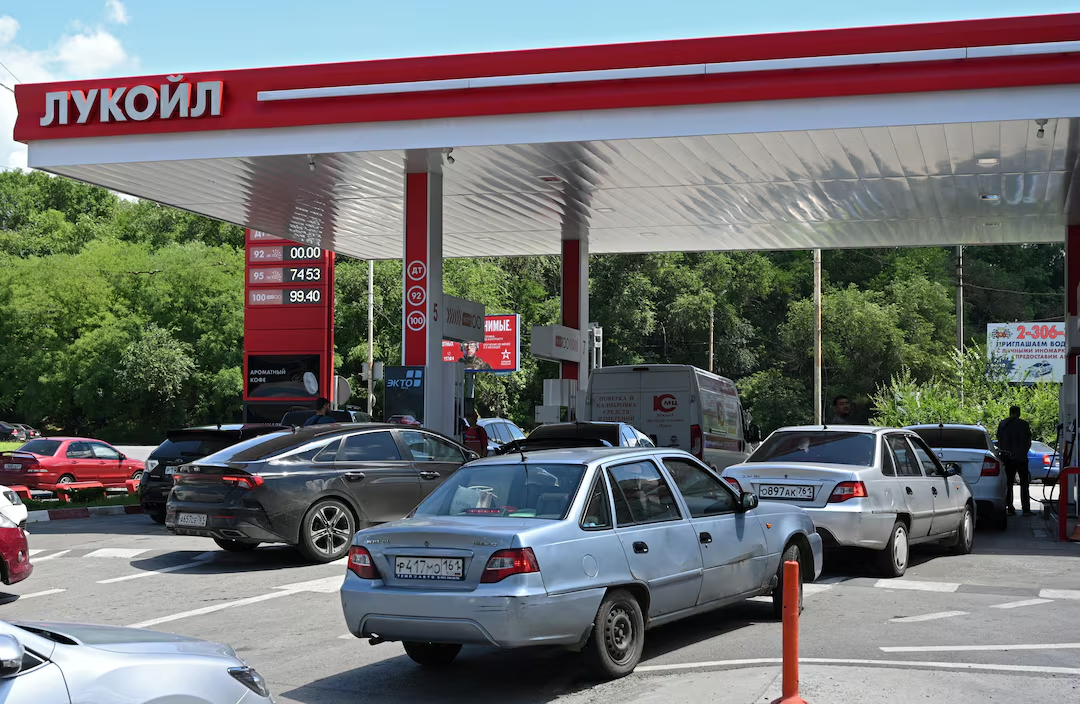
Independent commodity trading houses are positioned to capture an estimated $1.8–3.6 million per shipment on Indian origin gasoline now flowing toward Russia a margin window that opened in mid-2026 as Russia's domestic fuel shortages deepened and Indian state refiners maintained export availability without pursuing the trade directly.
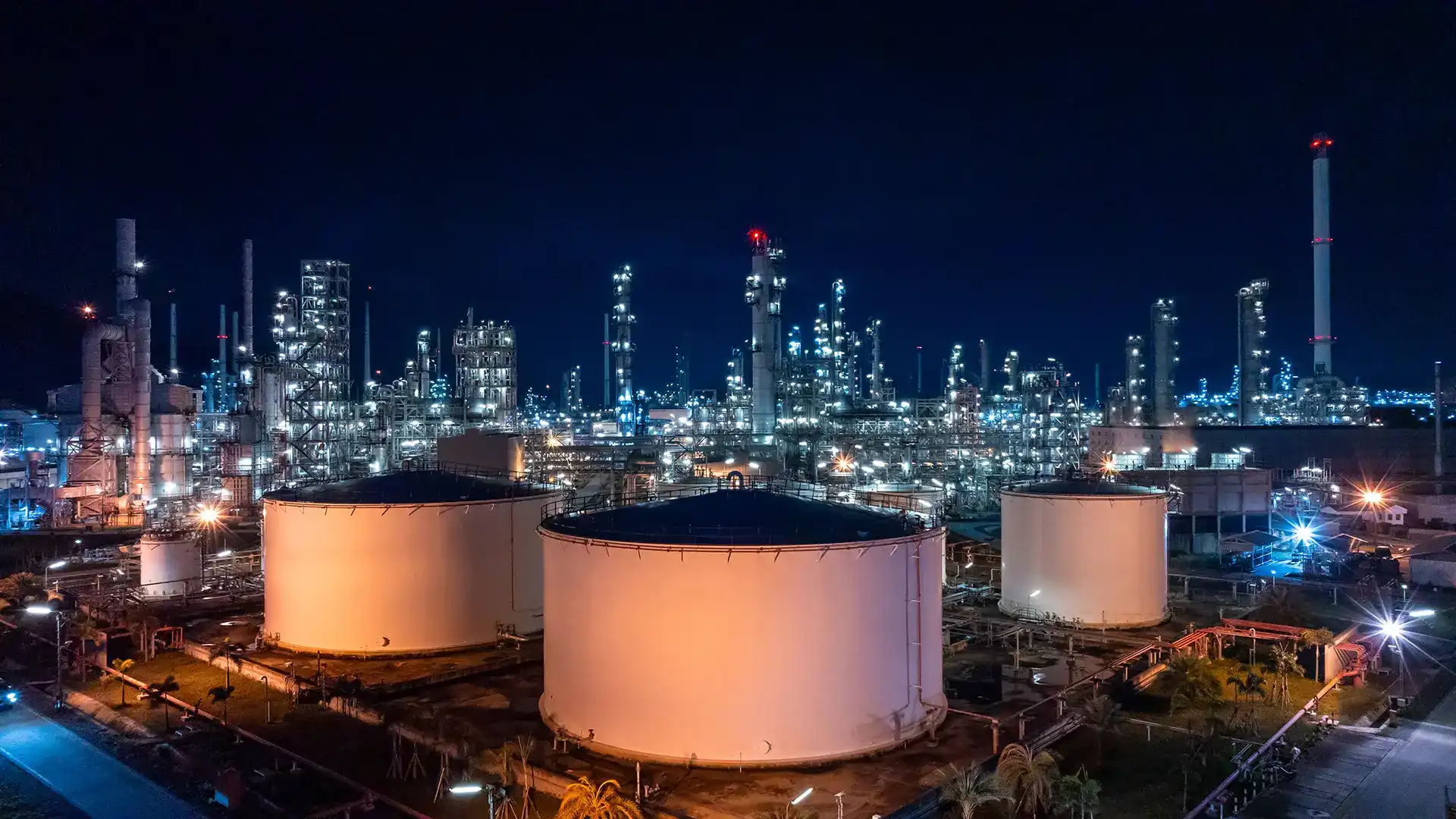
The mechanics begin at India's west coast refining complex. India's refinery cluster around Vadinar and Jamnagar home to Reliance Industries' 1.24 million barrel per day Jamnagar facility, the world's largest single refining site produces gasoline well in excess of domestic demand. Indian state oil marketing companies (OMCs) the government linked entities such as Indian Oil Corporation, Bharat Petroleum, and Hindustan Petroleum that dominate domestic fuel sales have absorbed approximately 74,781 crore rupees (roughly $9 billion) in losses through June 30, 2026, selling petrol, diesel, and LPG below cost to meet domestic price caps. This loss structure creates a political economy in which exports priced at international benchmarks rather than subsidised domestic rates are commercially attractive to refiners if buyers can be found. India's petroleum minister Hardeep Puri has been explicit: India does not suspend exports, regardless of the destination of end markets.
Russia's demand pull is equally structural. Russian domestic fuel production has been disrupted by Ukrainian drone strikes on refinery infrastructure a campaign that has progressively reduced throughput at several major facilities since 2022. The result, according to multiple reports, is fuel rationing, rising domestic pump prices, and an import requirement that Russian authorities are reportedly sizing at up to 400,000 metric tons of gasoline per month from all sources, including Belarus. To contextualise that number: 400,000 MT per month is approximately 600,000 barrels per day of finished gasoline a substantial volume that Russia cannot quietly source from any single supplier. India, Belarus, and potentially Central Asian intermediaries are all cited as origin points.
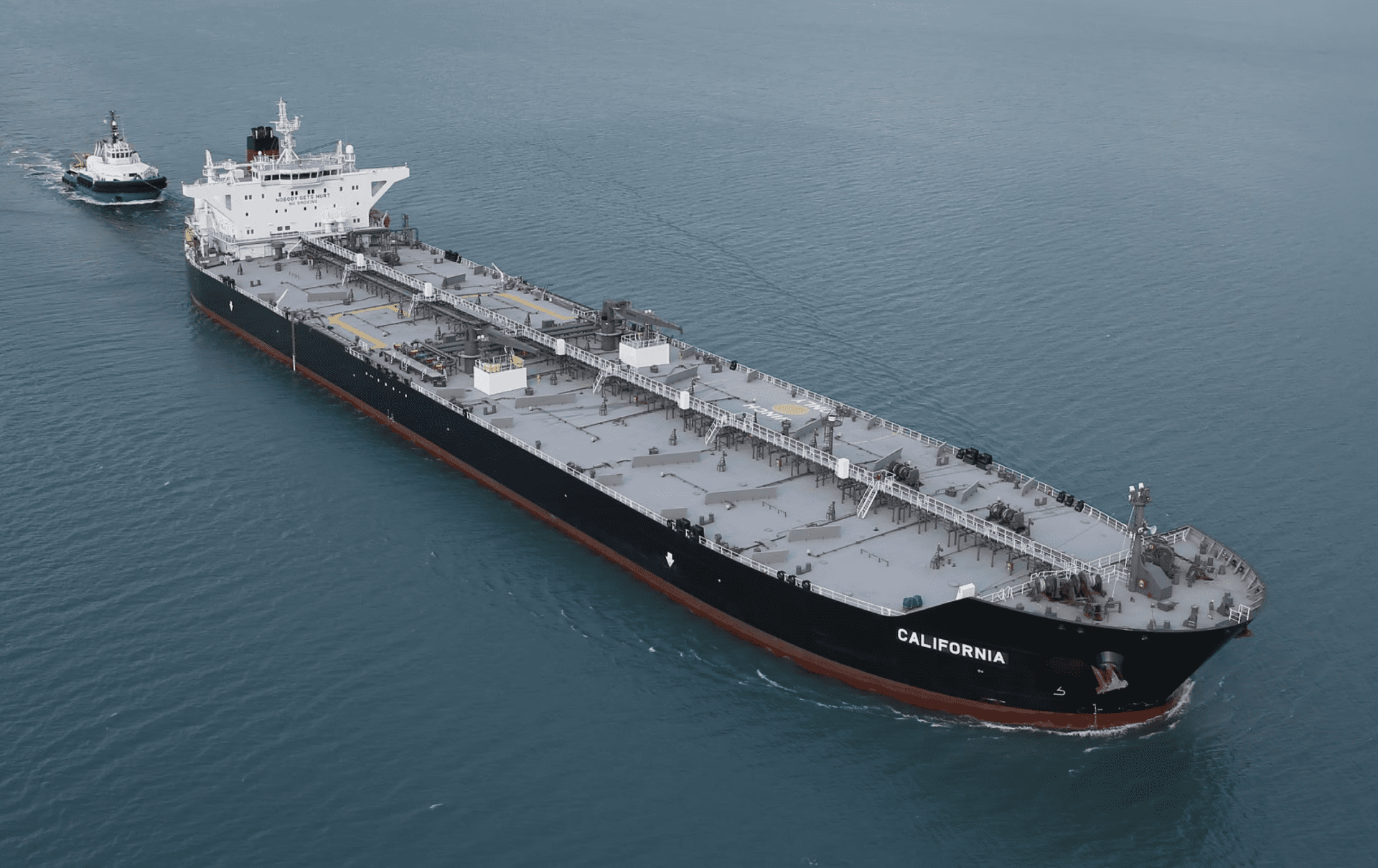
The first shipment reportedly amounted to approximately 60,000 MT of gasoline, with two follow on tankers carrying 30,000–40,000 MT each subsequently dispatched, according to Reuters and other outlets. These vessel sizes are characteristic of MR tankers Medium Range tankers, typically 25,000–55,000 DWT (deadweight tonnes, the cargo carrying capacity of a vessel), the workhorse of refined products trade globally. An MR tanker carrying 37,000 MT of gasoline from a west Indian port to a Russian Black Sea port Novorossiysk, for example faces a voyage of roughly 5,000–6,000 nautical miles via the Suez Canal or around the Cape, depending on transit access, adding 15–22 days of freight cost to the economics. At current MR spot rates on the relevant trade lanes, freight adds approximately $35–50 per MT to the delivered cost, a figure that shapes whether any arbitrage remains viable at all.
The arbitrage margin itself deserves careful decomposition. Indian FOB (free on board meaning the price at the loading port, before freight) gasoline export prices track closely to the RBOB benchmark (Reformulated Blendstock for Oxygenate Blending, the US futures benchmark used as a global reference) adjusted for regional quality and location differentials call this $650–680 per MT in mid-2026 conditions. Russian import parity the price at which Russia would be indifferent between sourcing domestically and importing, derived from internal shortage pricing is harder to observe directly, but current rationing conditions suggest a premium of $60–90 per MT above normal import economics. Stripping out $35–50 freight and elevated insurance costs, the net spread available to an intermediary sits in the $30–60 per MT range on cleared economics. On 60,000 MT, that is $1.8–3.6 million per shipment, before financing costs. That is not a rounding error; for a mid-sized trading house running three or four such voyages simultaneously, it is a material quarterly revenue line.
The structural constraint that volume headlines understate is insurance. Since 2022, the principal and indemnity (P&I) clubs the mutual insurance associations that provide liability cover for approximately 90% of the world's oceangoing tonnage have largely withdrawn cover for Russia bound cargo, following Western sanctions guidance. Western hull underwriters at Lloyd's of London have followed. Tankers moving Indian origin gasoline to Russia almost certainly rely on non-Western P&I cover Russian or Chinese club alternatives or operate under self-insurance arrangements where the vessel owner or charterer absorbs liability directly. MR tankers operating outside mainstream club cover face materially restricted port access, reduced financing options, and elevated counterparty risk if a casualty occurs. A trading house pricing a Russia bound Indian gasoline cargo without quantifying the insurance increment typically $5–15 per MT in shadow fleet arrangements is mispricing the trade.
On the buy side, the effective buyer of this Indian gasoline is the Russian state distribution system, operating through intermediaries that may include state owned commodity companies or contracted trading arms. Their decision calculus is straightforward: rationing is more economically and politically costly than paying a $60–80 per MT import premium. On the sell side, Indian refiners are not the direct commercial counterparty in these flows. The Indian state OMCs, carrying $9 billion in accumulated domestic losses, have no mechanism or political appetite for direct Russia sales. The margin accrues entirely to the intermediary trading houses that buy FOB in India and resell on a CIF (cost, insurance, freight a pricing term meaning the seller pays for transit and insurance to the destination port) basis into Russia. Indian refiners benefit only indirectly: lower domestic oversupply modestly eases pressure on the refinery gate margin, but the export premium is captured elsewhere in the chain.
For large integrated trading houses Vitol, Trafigura, or their equivalents the structural tool here is title transfer in a third jurisdiction. A cargo purchased FOB Vadinar by a Singapore or UAE registered trading subsidiary, with title formally transferring at Fujairah or a ship to ship location in international waters, creates commercial and documentary distance from both the Indian origin and the Russian destination. This is standard practice in complex origin trade flows, and it is almost certainly the mechanism Indian officials are describing when they attribute flows to independent international trading houses rather than direct state channels. The risk for large traders is not the margin it is secondary sanctions exposure if US or EU authorities determine the trade breaches Russia sanctions frameworks, an assessment that has not yet been formally made for Indian origin gasoline. For smaller regional trading houses without the legal infrastructure to execute multi-jurisdiction title transfers cleanly, this trade is effectively inaccessible at acceptable risk levels.
Observers should monitor two specific signals over the next 30 days. First, MR tanker spot rates on the Persian Gulf–Black Sea route, reportable via Baltic Exchange assessments updated daily: a sustained premium of more than 15% above the global MR average on this lane would indicate that India to Russia volume is beginning to tighten regional tonnage, confirming that flows are scaling beyond initial test cargoes. Second, India's Petroleum Planning and Analysis Cell (PPAC) monthly export data published with a 6–8 week lag will show whether gasoline export volumes from west coast ports have risen materially above the 2025 baseline. A month on month increase exceeding 200,000 MT in gasoline exports, concentrated in the July or August 2026 reporting period, would confirm that Russian demand is pulling at a scale that matters to India's refinery economics and that the trading intermediary margin window remains open.


.jpg)
'%3e%3cg id='Final-Copy-2_2_' transform='translate(1275.000000, 200.000000)'%3e%3cpath class='st0' d='M7.4,12.8h6.8l3.1-11.6H7.4C4.2,1.2,1.6,3.8,1.6,7S4.2,12.8,7.4,12.8z'/%3e%3c/g%3e%3c/g%3e%3c/g%3e%3cg id='final---dec.11-2020'%3e%3cg id='_x30_208-our-toggle' transform='translate(-1275.000000, -200.000000)'%3e%3cg id='Final-Copy-2' transform='translate(1275.000000, 200.000000)'%3e%3cpath class='st1' d='M22.6,0H7.4c-3.9,0-7,3.1-7,7s3.1,7,7,7h15.2c3.9,0,7-3.1,7-7S26.4,0,22.6,0z M1.6,7c0-3.2,2.6-5.8,5.8-5.8 h9.9l-3.1,11.6H7.4C4.2,12.8,1.6,10.2,1.6,7z'/%3e%3cpath id='x' class='st2' d='M24.6,4c0.2,0.2,0.2,0.6,0,0.8l0,0L22.5,7l2.2,2.2c0.2,0.2,0.2,0.6,0,0.8c-0.2,0.2-0.6,0.2-0.8,0 l0,0l-2.2-2.2L19.5,10c-0.2,0.2-0.6,0.2-0.8,0c-0.2-0.2-0.2-0.6,0-0.8l0,0L20.8,7l-2.2-2.2c-0.2-0.2-0.2-0.6,0-0.8 c0.2-0.2,0.6-0.2,0.8,0l0,0l2.2,2.2L23.8,4C24,3.8,24.4,3.8,24.6,4z'/%3e%3cpath id='y' class='st3' d='M12.7,4.1c0.2,0.2,0.3,0.6,0.1,0.8l0,0L8.6,9.8C8.5,9.9,8.4,10,8.3,10c-0.2,0.1-0.5,0.1-0.7-0.1l0,0 L5.4,7.7c-0.2-0.2-0.2-0.6,0-0.8c0.2-0.2,0.6-0.2,0.8,0l0,0L8,8.6l3.8-4.5C12,3.9,12.4,3.9,12.7,4.1z'/%3e%3c/g%3e%3c/g%3e%3c/g%3e%3c/g%3e%3c/svg%3e) Privacy Choices
Privacy Choices