.avif)
.jpg)
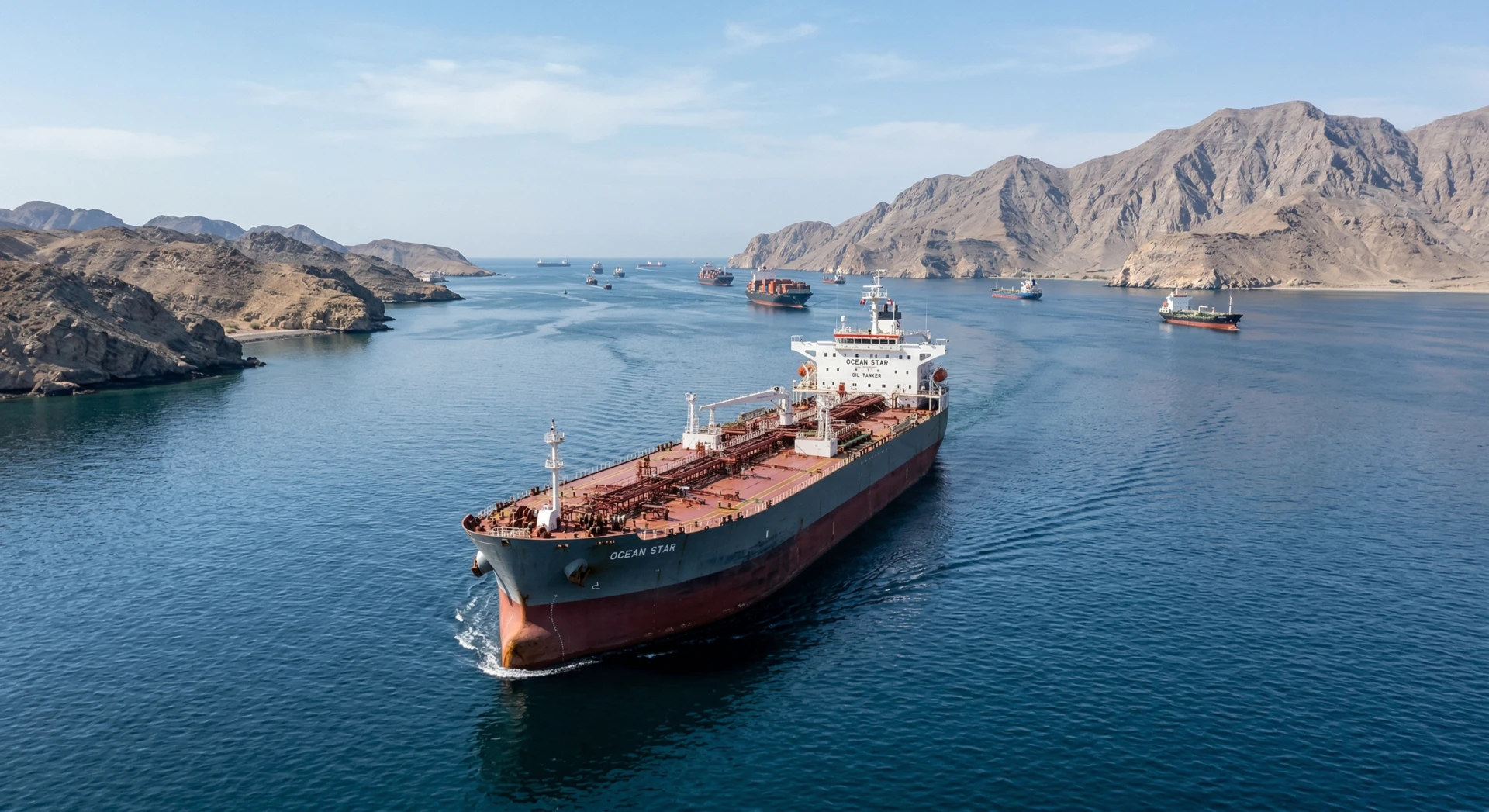
Indian petroleum minister Hardeep Singh Puri's announcement that India expanded crude oil sourcing to 41 countries from 27 signals a structural shift in how Asian buyers approach supply security. With Brent crude trading around $108 per barrel and having held above $111 earlier this week amid continued Strait of Hormuz disruptions, the margin impact spreads far beyond headline procurement costs. For Indian state refiners Indian Oil, Bharat Petroleum, and Hindustan Petroleum the diversification means accepting higher logistics costs and smaller parcel sizes to reduce concentration risk. A 50,000 tonne crude cargo from Algeria costs approximately $8-12/MT more in freight than the same volume from Kuwait, but that premium becomes insurance against supply disruption.
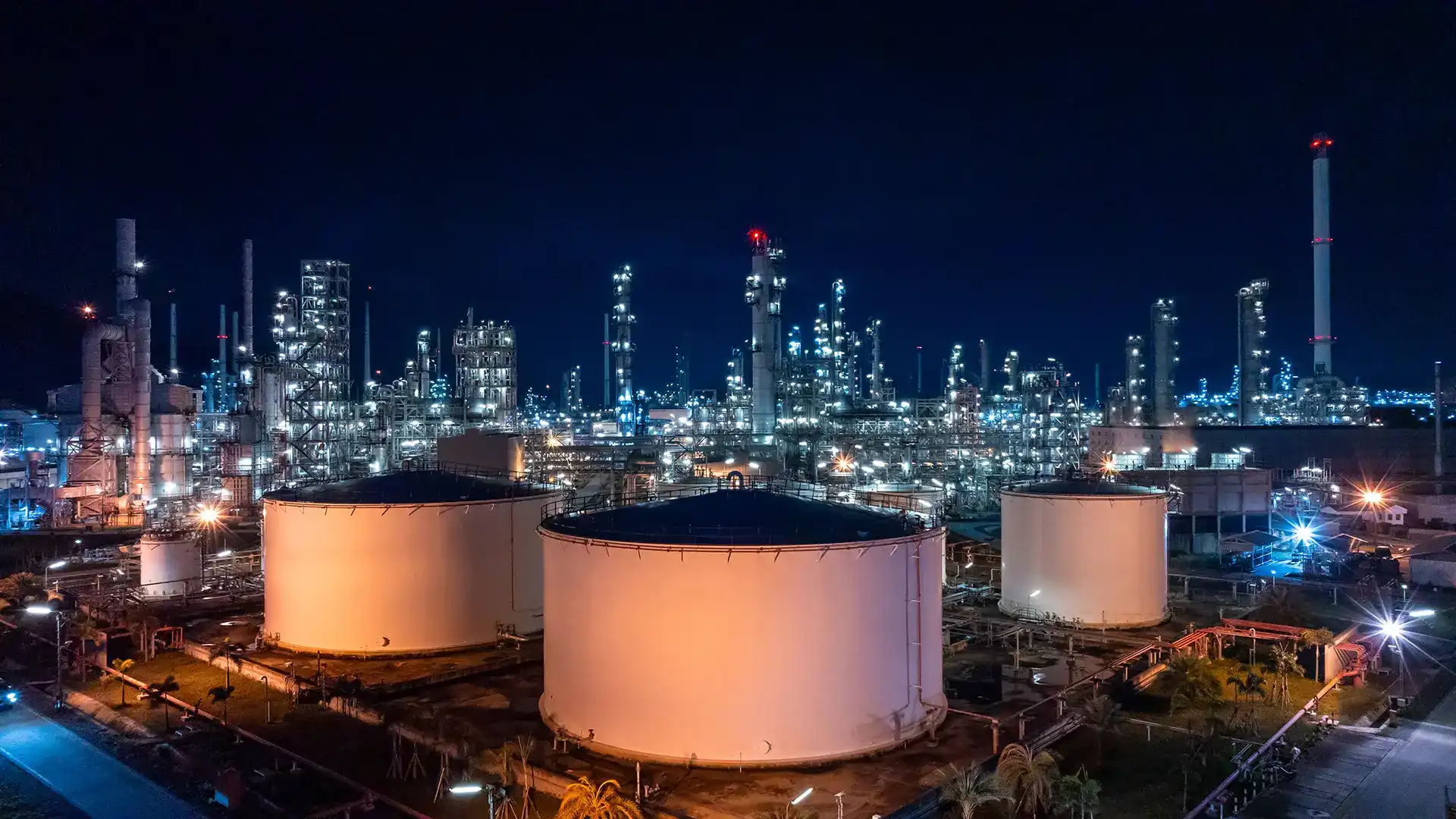
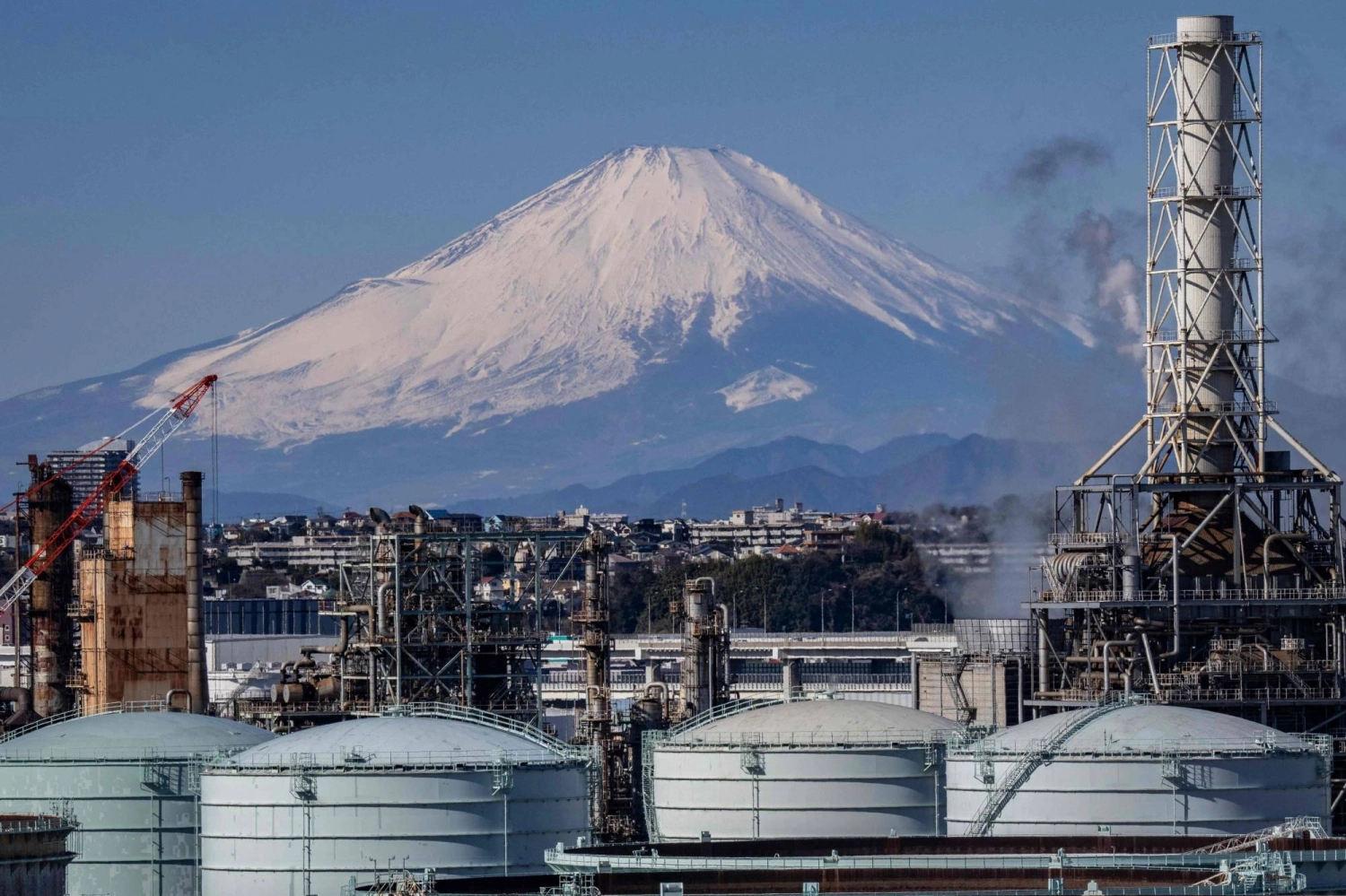
The coordinated shift to maximize LPG yield illustrates how refinery optimization becomes a policy tool during crisis. Puri cited orders to boost domestic LPG production by 60%, from 36,000 MT to 54,000 MT per day. This requires sacrificing gasoline and diesel yield products with higher margins but greater import dependence for feedstock. A typical 200,000 bpd refinery optimizing for LPG over gasoline foregoes approximately $4-6/barrel in margin, but reduces exposure to imported naphtha and reformate. The margin sacrificed domestically gets recovered through reduced import bills and strategic positioning. State refiners absorb the immediate margin compression while positioning for longer-term supply security.
LPG supply diversification to include US, Norwegian, and Algerian sources demonstrates the physical complexity of emergency sourcing. A VLGC (Very Large Gas Carrier) from the US Gulf Coast to India takes 35-40 days versus 7-10 days from Qatar. At current charter rates of approximately $85,000/day for VLGCs, the additional 25-30 days adds roughly $2.5 million per 44,000 MT cargo about $57/MT in incremental freight. Yet Operation Urja Suraksha extracted maximum LPG vessels from Hormuz before closure, meaning India prioritized securing tonnage over optimizing freight costs. The Atlantic Basin LPG premium to Asian prices has widened from $20/MT pre-crisis to $60/MT currently, entirely absorbed by Indian buyers accepting delivered costs that would have been uneconomical three months ago.
For large integrated state enterprises with derivatives access, the strategy shifts to locking floating storage and securing forward cover. Indian Oil's 15 million barrel strategic reserve provides approximately 20 days of consumption buffer, but maintaining that inventory requires continuous replacement. Floating storage for 2 million barrel cargoes costs $1-2/barrel per month expensive, but essential when spot availability becomes unreliable. Indian state refiners are reportedly extending crude purchase agreements from 12 month to 36 month terms, accepting $2-4/barrel premiums to secure volume commitment. The margin erosion gets socialized through under-recoveries that Indian Oil Marketing Companies carry on their books rather than passing immediately to consumers.
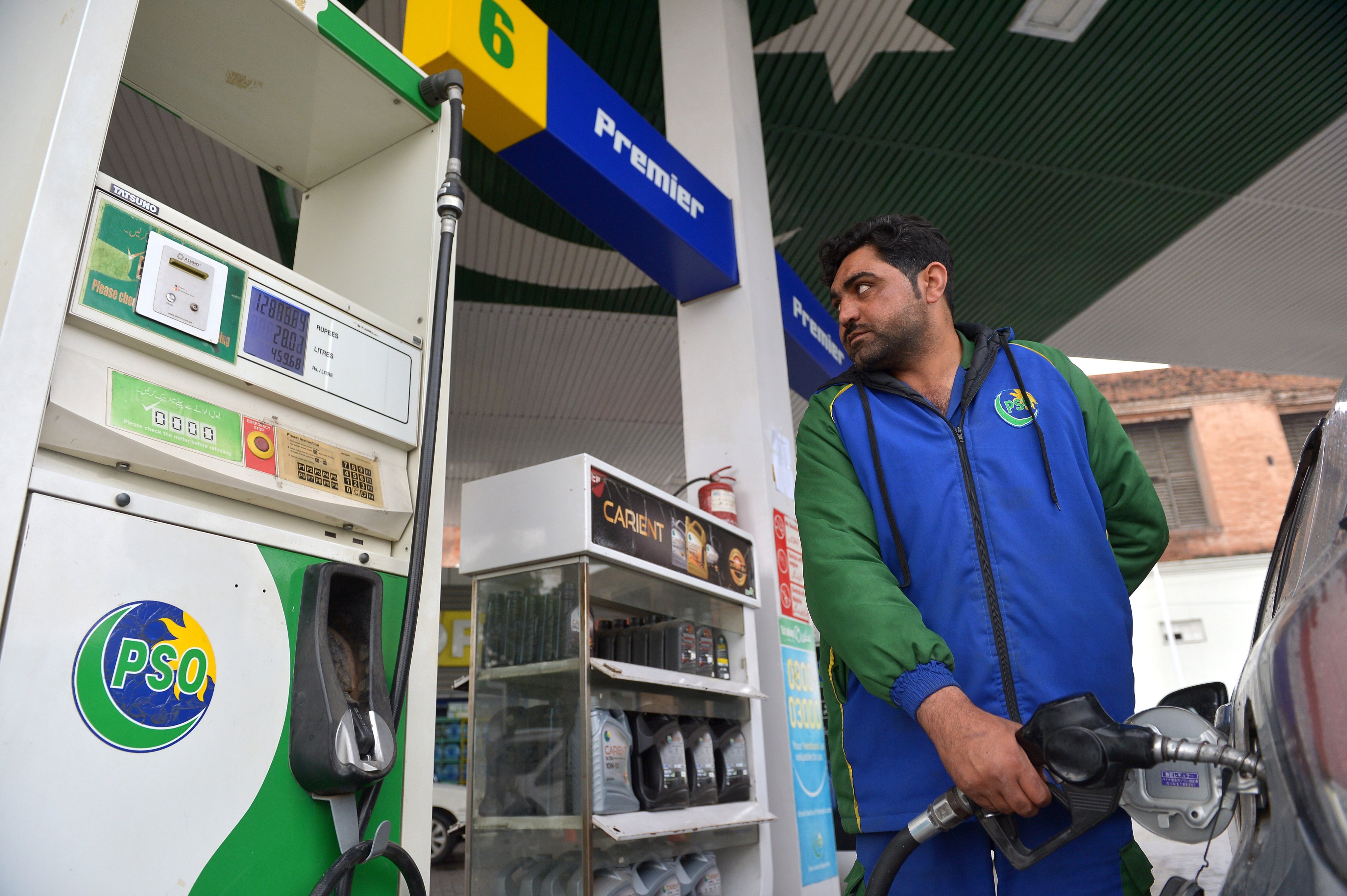
For smaller regional operators without derivatives access independent fuel distributors, industrial consumers, and state electricity boards the equivalent protection comes through bilateral fixing and inventory optimization. A mid-sized Indian fuel distributor building 30-day inventory instead of the usual 15 days ties up working capital but provides protection against spot volatility. At current interest rates of 8-10%, carrying double inventory costs approximately $0.03-0.04/liter annually, but eliminates exposure to daily price swings that can exceed $0.10/liter. Regional operators are also negotiating fuel supply agreements with take or pay clauses committing to minimum volumes in exchange for price caps. These mechanisms transfer volatility risk to suppliers while guaranteeing access.
The government's decision to absorb the fiscal shock rather than immediately passing costs to consumers represents a calculated paymaster shift. Oil marketing companies carrying under-recoveries that would normally translate to direct retail increases demonstrates government willingness to socialize energy costs during crisis. Export levies were deployed to keep Indian refined products in domestic markets, creating artificial arbitrage barriers that benefit domestic consumers at the expense of export margins. A typical Indian refinery earning $15-20/barrel on diesel exports to Singapore now faces a levy structure that eliminates that arbitrage, keeping supply domestic. The fiscal cost to government approaches $2-3 billion monthly, but maintains social stability while private sector margins compress.
Industrial demand management through LPG to LNG switching reveals how consumption patterns adjust under supply stress. Daily LPG consumption of 90,000 MT was deliberately reduced through incentivizing industrial users toward pipe gas. This requires industrial customers to invest in gas infrastructure connecting to pipeline networks or installing regasification terminals with payback periods extended to 3-5 years due to gas price volatility. But once connected, industrial users achieve 15-25% cost savings compared to LPG trucked delivery, while freeing LPG supply for household use where substitution is more difficult. The strategy works because industrial users have capital access and flexibility that residential consumers lack.
For observers, the key signal is watching India's crude import parcel sizes and supplier concentration over the next 90 days. Puri's emphasis on preparations made "over the last 10 years" suggests this diversification reflects strategic planning rather than crisis response. If Indian crude imports remain above 4.5 million bpd with no single supplier exceeding 15% market share, it confirms structural diversification. If parcel sizes drop below 1 million barrels or new suppliers provide only token volumes, it indicates emergency buying that reverts post-crisis. The Indian experience provides the template for how large importers navigate supply security in an era of chokepoint vulnerability accepting higher costs and lower efficiency for reduced concentration risk.
.jpg)

'%3e%3cg id='Final-Copy-2_2_' transform='translate(1275.000000, 200.000000)'%3e%3cpath class='st0' d='M7.4,12.8h6.8l3.1-11.6H7.4C4.2,1.2,1.6,3.8,1.6,7S4.2,12.8,7.4,12.8z'/%3e%3c/g%3e%3c/g%3e%3c/g%3e%3cg id='final---dec.11-2020'%3e%3cg id='_x30_208-our-toggle' transform='translate(-1275.000000, -200.000000)'%3e%3cg id='Final-Copy-2' transform='translate(1275.000000, 200.000000)'%3e%3cpath class='st1' d='M22.6,0H7.4c-3.9,0-7,3.1-7,7s3.1,7,7,7h15.2c3.9,0,7-3.1,7-7S26.4,0,22.6,0z M1.6,7c0-3.2,2.6-5.8,5.8-5.8 h9.9l-3.1,11.6H7.4C4.2,12.8,1.6,10.2,1.6,7z'/%3e%3cpath id='x' class='st2' d='M24.6,4c0.2,0.2,0.2,0.6,0,0.8l0,0L22.5,7l2.2,2.2c0.2,0.2,0.2,0.6,0,0.8c-0.2,0.2-0.6,0.2-0.8,0 l0,0l-2.2-2.2L19.5,10c-0.2,0.2-0.6,0.2-0.8,0c-0.2-0.2-0.2-0.6,0-0.8l0,0L20.8,7l-2.2-2.2c-0.2-0.2-0.2-0.6,0-0.8 c0.2-0.2,0.6-0.2,0.8,0l0,0l2.2,2.2L23.8,4C24,3.8,24.4,3.8,24.6,4z'/%3e%3cpath id='y' class='st3' d='M12.7,4.1c0.2,0.2,0.3,0.6,0.1,0.8l0,0L8.6,9.8C8.5,9.9,8.4,10,8.3,10c-0.2,0.1-0.5,0.1-0.7-0.1l0,0 L5.4,7.7c-0.2-0.2-0.2-0.6,0-0.8c0.2-0.2,0.6-0.2,0.8,0l0,0L8,8.6l3.8-4.5C12,3.9,12.4,3.9,12.7,4.1z'/%3e%3c/g%3e%3c/g%3e%3c/g%3e%3c/g%3e%3c/svg%3e) Privacy Choices
Privacy Choices