.avif)
State-run oil marketing companies (OMCs) are hemorrhaging Rs 1,000 crore daily over Rs 30,000 crore monthly as they maintain artificially suppressed fuel prices while absorbing global crude oil costs that have surged 67% year on year. On May 15, 2026, Indian Oil Corporation, Bharat Petroleum, and Hindustan Petroleum raised petrol and diesel prices by Rs 3 per litre each, marking the first retail fuel price increase in more than four years. The decision exposes the unsustainable economics of India's fuel pricing policy, where state enterprises function as hidden shock absorbers for global energy volatility while private operators maintain competitive pricing freedom.
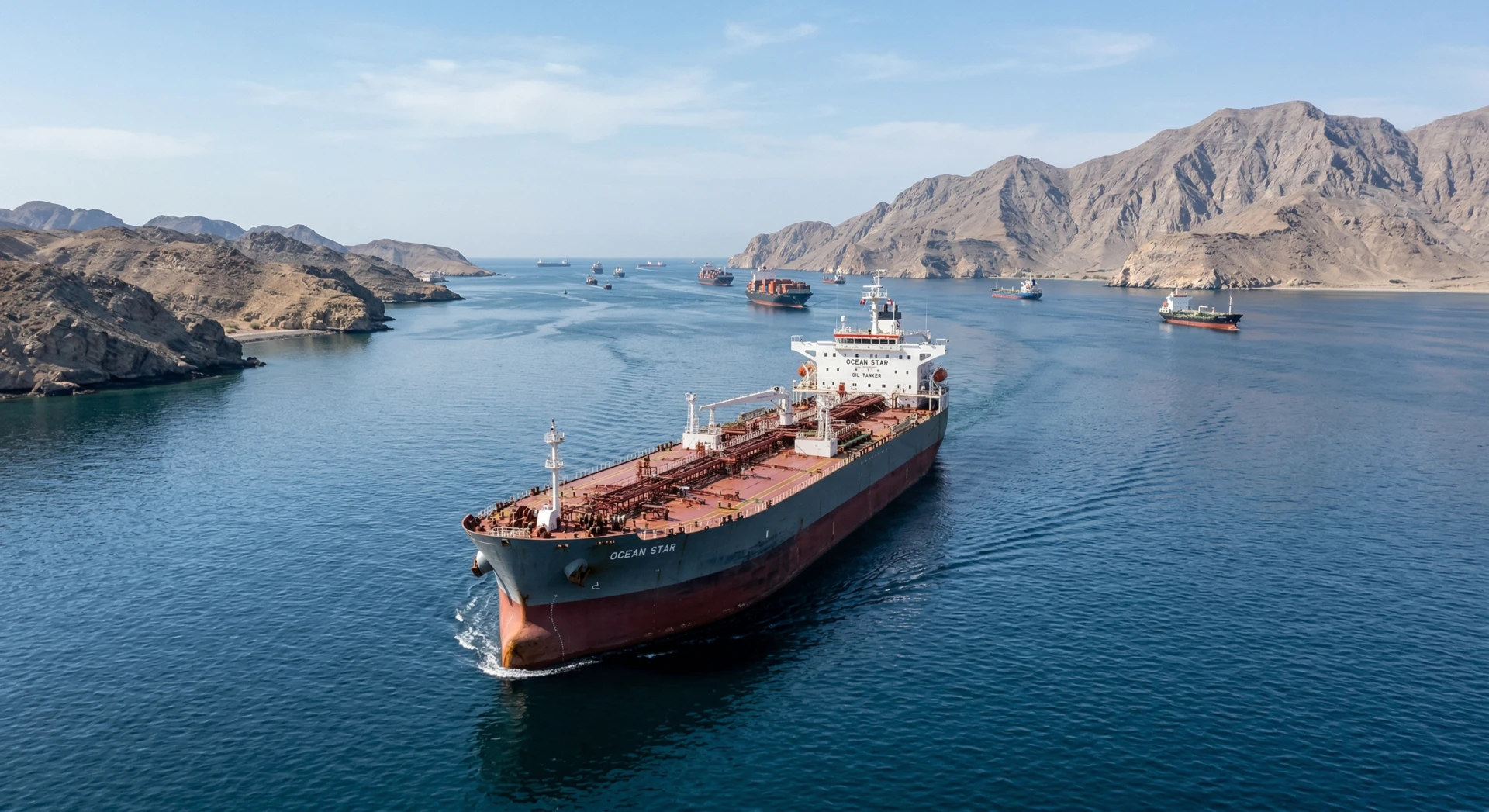
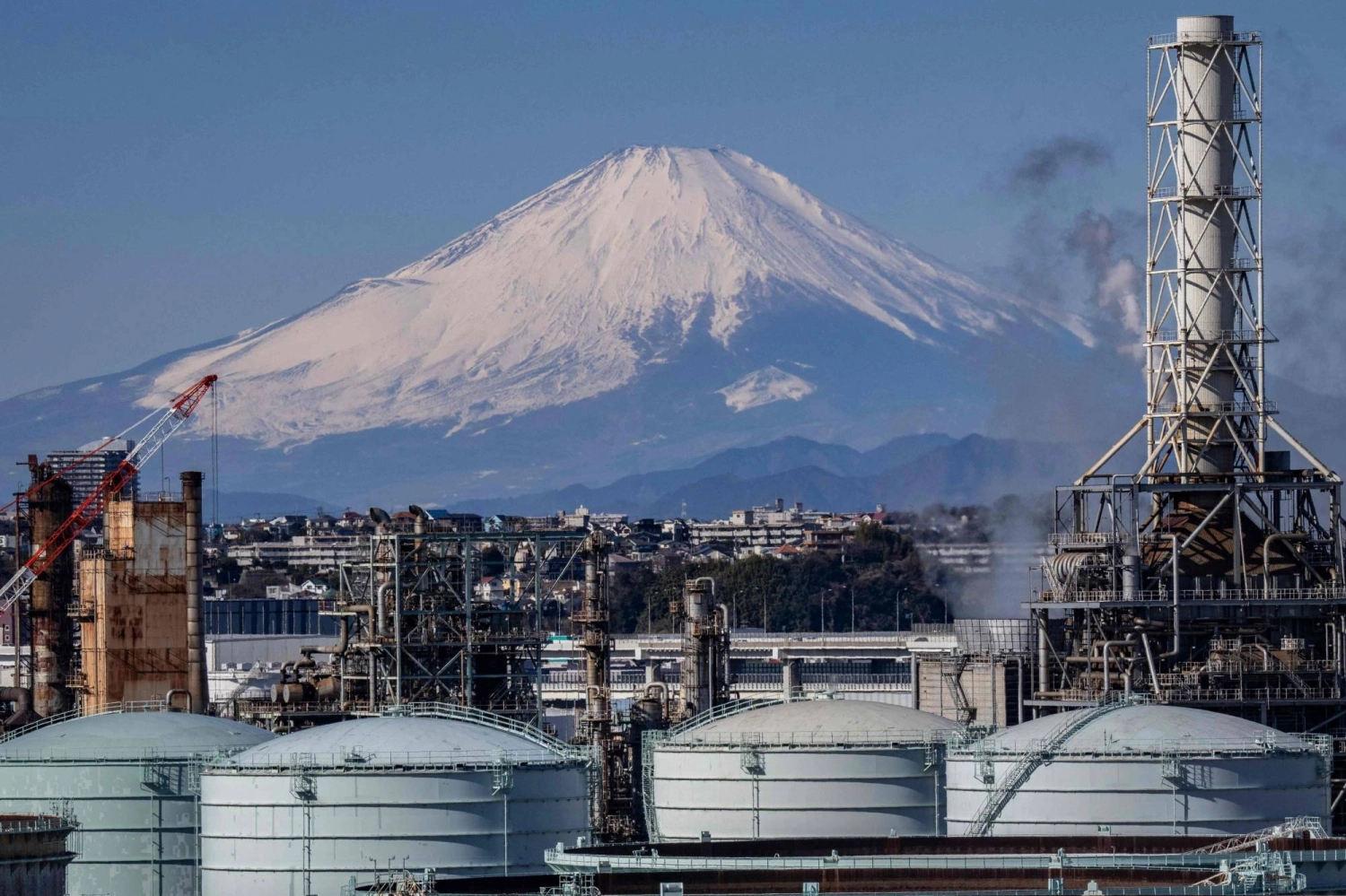
Global crude markets are trading at extreme levels: Brent crude reached $109.24/barrel on May 15, driven by the effective closure of the Strait of Hormuz a 33 kilometre chokepoint through which roughly 20% of world traded oil normally flows. The Iranian Revolutionary Guard Corps declared the strait closed on March 2, 2026, following US-Israeli strikes, blocking approximately 25% of the world's seaborne oil trade and 20% of global LNG shipments. According to the US Energy Information Administration, Iraq, Saudi Arabia, Kuwait, UAE, Qatar, and Bahrain collectively shut in 10.5 million barrels per day of crude production in April, with oil shipments through Hormuz unlikely to reach pre-conflict levels until later this year. For Indian OMCs purchasing crude at these elevated levels, every day of delay translates directly into balance sheet deterioration.
Under recovery analysis the gap between import cost and retail selling price reveals the true scale of OMC financial distress: at crude prices of $120-125/barrel, negative marketing margins reach Rs 14/litre on petrol and Rs 18/litre on diesel, while ICRA estimates OMCs still incur losses of approximately Rs 500 crore daily even after the Rs 3 hike. Consider a mid-sized Indian fuel distributor handling 50,000 litres daily across petrol and diesel: before the hike, this operator absorbed Rs 800,000 in daily under recoveries. The Rs 3 adjustment recovers roughly Rs 150,000 leaving Rs 650,000 in daily losses that must be financed through working capital or government support. Previous ministry estimates placed losses at Rs 100/litre on diesel and Rs 20/litre on petrol before any adjustment, indicating the Rs 3 increase addresses perhaps 10-15% of required price normalization.
On the buy side: Commercial vehicle operators face immediate margin pressure as diesel comprises 35-40% of operating costs for freight companies, while passenger mobility segments remain relatively resilient due to lower financing costs and stable inflation conditions. A 40 tonne truck operator consuming 150 litres daily now pays an additional Rs 450 per day Rs 164,250 annually which either compresses operator margins or flows through to freight rates charged to manufacturers and distributors. Transport cost pass-through typically completes within two to three months, meaning the Rs 3 hike today will be felt across household expenses and factory prices through July-August 2026.
On the sell side: Private fuel retailers had already increased pump prices earlier, creating a Rs 3/litre competitive advantage for any independent operator that maintains current pricing relative to state-run stations. This differential incentivizes fuel arbitrage and cross-border smuggling opportunities with neighboring countries where price gaps may have widened. State-owned oil companies are implementing segmented pricing strategies: commercial LPG cylinders increased Rs 993 (effective May 1) to Rs 3,071.50 in Delhi, while domestic LPG, petrol, and diesel remained stable until this week's adjustment. The approach shields household consumers while loading costs onto commercial users who have fewer alternatives and less political visibility.
For large integrated OMCs Indian Oil Corporation, Bharat Petroleum, Hindustan Petroleum with refining and marketing operations, the crisis creates a complex hedge: refining margins benefit from elevated crack spreads while marketing divisions hemorrhage cash. Gross refining margins (GRMs) have expanded due to higher product prices, but marketing under-recoveries more than offset those gains. Balance sheet analysis shows IOC's annual net profit decreased year on year despite strong quarterly results, with the company carrying INR 614.9 billion in loan capital that becomes costlier as interest rates rise. Large operators can access derivatives markets to hedge crude exposure but cannot hedge domestic regulatory risk the unpredictable timing of retail price adjustments.
For smaller regional fuel distributors independent petroleum dealers, state cooperative societies, bulk diesel suppliers without derivatives access or government backing, the margin compression is existential. A Rs 4-5/litre comprehensive hike is estimated to add 0.2-0.4 percentage points to headline CPI inflation depending on transmission speed through supply chains. Regional operators cannot absorb these losses indefinitely and must either negotiate advance payments from commercial customers, diversify into higher-margin services (lubricants, convenience retail), or exit fuel distribution entirely. Government deliberations reportedly center on Rs 4-5/litre increases for petrol and diesel alongside Rs 40-50/cylinder increases for domestic LPG, representing the first retail fuel price adjustment in nearly four years.
The structural constraint centers on India's 85-88% crude import dependence, which makes sustained global oil supply disruption a direct fiscal and monetary challenge rather than a distant macroeconomic variable. India's fuel pricing strategy reflects macroeconomic balancing: protecting consumers from inflation while shifting the burden onto corporate balance sheets and fiscal resources, with the government already announcing gold duty hikes to offset current account deficit pressures. The crude oil shock is structural, not temporary Brent above $110/barrel reflects sustained geopolitical supply disruption tied to the Strait of Hormuz closure, not a short-term market spike that will self-correct quickly. Unlike previous oil crises, this disruption combines supply loss (10.5 million bpd from the Gulf) with transport route closure (20% of global oil trade), creating compounded scarcity that strategic petroleum reserves cannot address for extended periods.
For observers tracking when further adjustments become inevitable: monitor the June 5, 2026 RBI monetary policy review, where May CPI data will reveal whether fuel price transmission has accelerated inflation beyond the 4% target, and OMC quarterly results due by early June that will quantify balance sheet deterioration. If Brent crude sustains above $105-110/barrel through June, industry sources expect calibrated additional increases within 30-45 days, as the current Rs 3 adjustment covers only partial under-recoveries while OMCs cannot indefinitely finance working capital gaps of Rs 30,000 crore monthly. The timeline depends critically on Hormuz reopening progress and whether strategic petroleum reserve releases from IEA members can moderate landed crude costs for Indian refiners.
.jpg)

'%3e%3cg id='Final-Copy-2_2_' transform='translate(1275.000000, 200.000000)'%3e%3cpath class='st0' d='M7.4,12.8h6.8l3.1-11.6H7.4C4.2,1.2,1.6,3.8,1.6,7S4.2,12.8,7.4,12.8z'/%3e%3c/g%3e%3c/g%3e%3c/g%3e%3cg id='final---dec.11-2020'%3e%3cg id='_x30_208-our-toggle' transform='translate(-1275.000000, -200.000000)'%3e%3cg id='Final-Copy-2' transform='translate(1275.000000, 200.000000)'%3e%3cpath class='st1' d='M22.6,0H7.4c-3.9,0-7,3.1-7,7s3.1,7,7,7h15.2c3.9,0,7-3.1,7-7S26.4,0,22.6,0z M1.6,7c0-3.2,2.6-5.8,5.8-5.8 h9.9l-3.1,11.6H7.4C4.2,12.8,1.6,10.2,1.6,7z'/%3e%3cpath id='x' class='st2' d='M24.6,4c0.2,0.2,0.2,0.6,0,0.8l0,0L22.5,7l2.2,2.2c0.2,0.2,0.2,0.6,0,0.8c-0.2,0.2-0.6,0.2-0.8,0 l0,0l-2.2-2.2L19.5,10c-0.2,0.2-0.6,0.2-0.8,0c-0.2-0.2-0.2-0.6,0-0.8l0,0L20.8,7l-2.2-2.2c-0.2-0.2-0.2-0.6,0-0.8 c0.2-0.2,0.6-0.2,0.8,0l0,0l2.2,2.2L23.8,4C24,3.8,24.4,3.8,24.6,4z'/%3e%3cpath id='y' class='st3' d='M12.7,4.1c0.2,0.2,0.3,0.6,0.1,0.8l0,0L8.6,9.8C8.5,9.9,8.4,10,8.3,10c-0.2,0.1-0.5,0.1-0.7-0.1l0,0 L5.4,7.7c-0.2-0.2-0.2-0.6,0-0.8c0.2-0.2,0.6-0.2,0.8,0l0,0L8,8.6l3.8-4.5C12,3.9,12.4,3.9,12.7,4.1z'/%3e%3c/g%3e%3c/g%3e%3c/g%3e%3c/g%3e%3c/svg%3e) Privacy Choices
Privacy Choices