.avif)
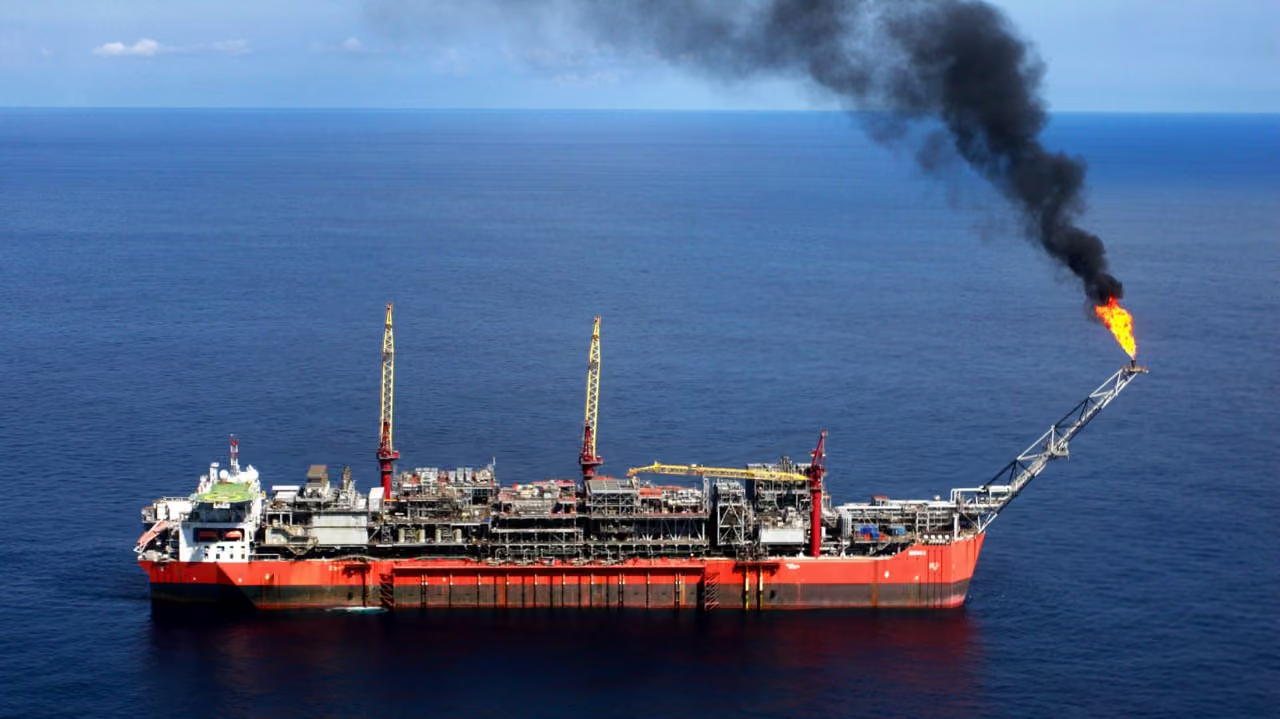
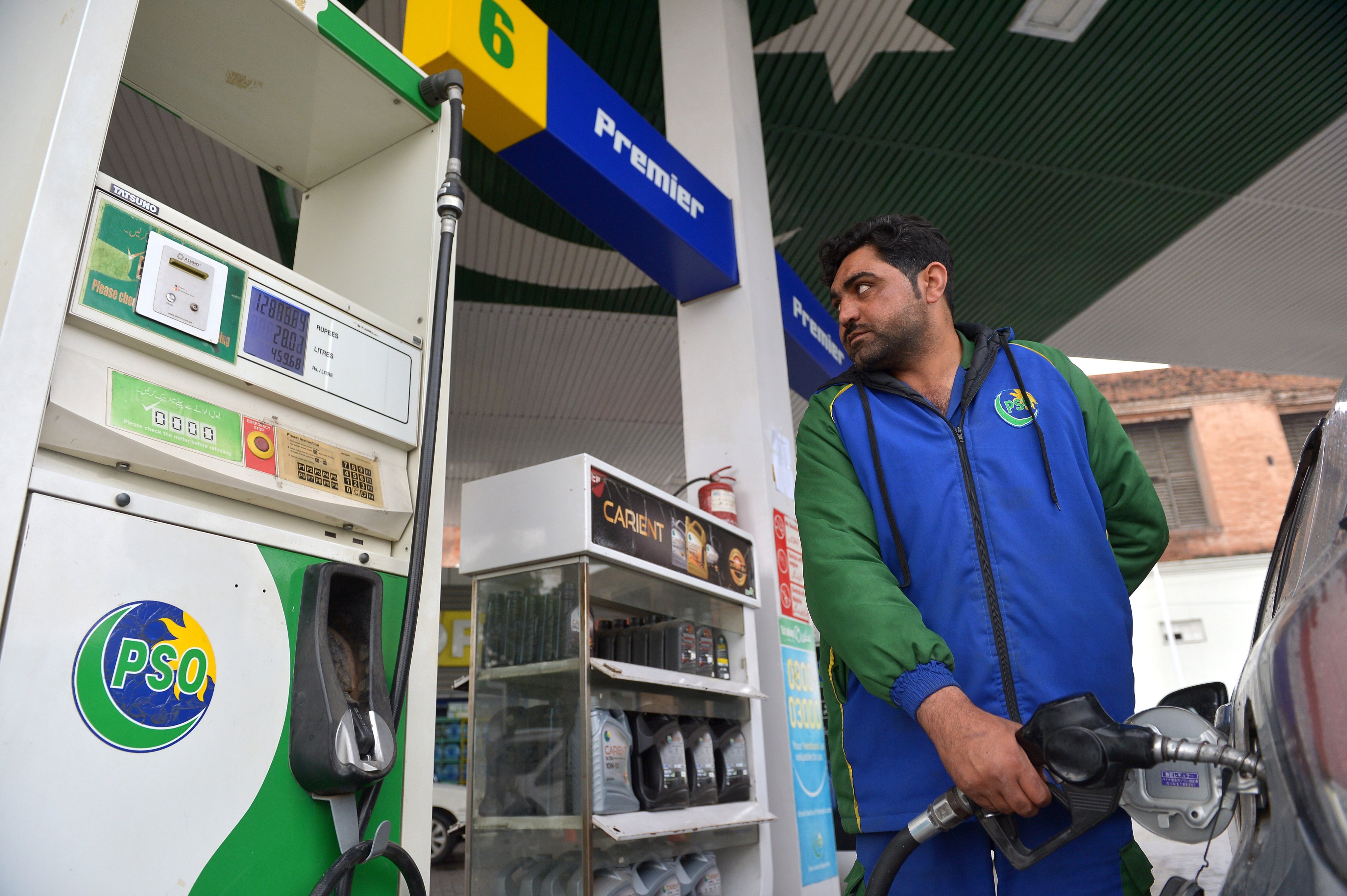
India's three state oil marketing companies IOC, BPCL, and HPCL are absorbing an estimated Rs 7 per litre loss on petrol and Rs 10 per litre loss on diesel in Q1FY27, even after Brent crude fell below $80 per barrel following a US-Iran ceasefire, according to brokerage projections from Prabhudas Lilladher. These losses are not accounting abstractions. On a combined monthly throughput of approximately 6–7 million tonnes of petroleum products, every rupee of under recovery the gap between what a product costs to supply and what can be charged at the retail pump translates directly into cash haemorrhage at the operating level. The ceasefire, if confirmed as durable, has provided real relief. But the structure of Indian fuel pricing means the companies were already running behind before the West Asia crisis escalated, and catching up takes longer than falling behind.
Under-recoveries emerge because Indian OMCs sell petrol, diesel, and LPG at prices set or heavily influenced by the government, while buying crude and finished products at international market rates. Think of it as being forced to sell a Rs 110 product at Rs 100 because policy requires it. The Rs 10 per litre excise duty cut introduced as a crisis measure currently cushions that gap by reducing the effective cost component the government demands back but it also means the government is forgoing approximately INR 1,700 billion per year in revenue. That fiscal pressure creates a real and documented risk of phased rollback. If the Rs 10/litre excise relief is unwound, even partially, OMCs face an immediate pass-through deterioration in their margin position unless retail pump prices are simultaneously raised a politically difficult move.
The worst pain point in the current earnings cycle is not petrol or diesel. It is LPG liquefied petroleum gas, the cooking fuel used by roughly 300 million Indian households in pressurised cylinders. OMC losses on LPG jumped from approximately Rs 170 per cylinder in April 2026 to Rs 610–670 per cylinder in May 2026. That is not a gradual deterioration it is a structural shock compressed into a single month. The cause is the Saudi Contract Price, or Saudi CP: a monthly benchmark set by Saudi Aramco's own formula for propane and butane, the gases that comprise LPG. Unlike crude oil, the Saudi CP does not track Brent directly. It reflects Persian Gulf supply conditions and Aramco's assessment of regional tightness, with its own structural lag. West Asia supply disruptions have embedded a risk premium into the propane and butane spot market that has flowed directly into the Saudi CP and Indian OMCs have no meaningful way to sidestep it.
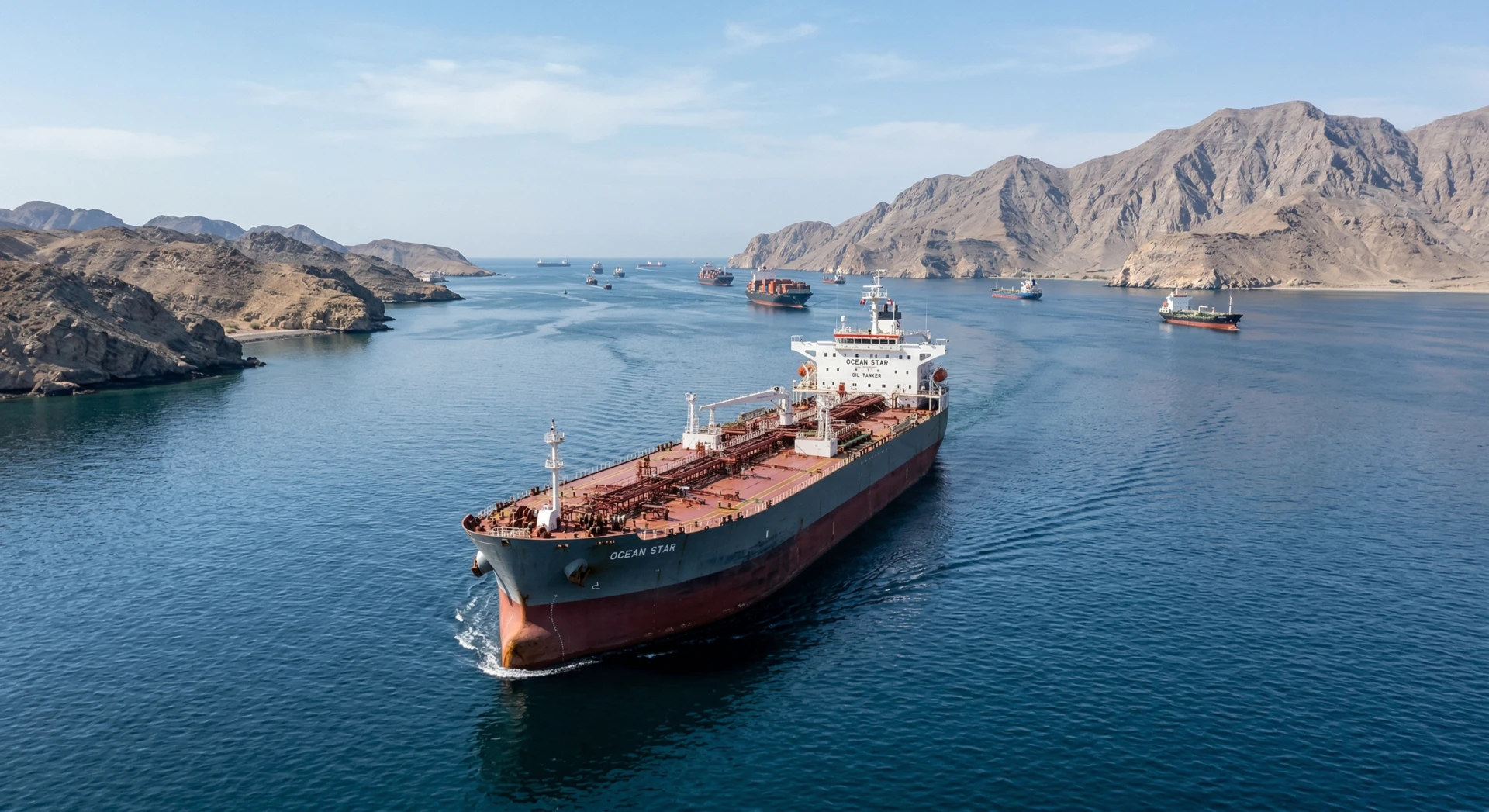
The scale of the LPG cash burn is significant. India consumes approximately 25–30 million LPG cylinders per month. At a loss of Rs 500–670 per cylinder across that volume, the sector level monthly cash drain on LPG alone runs to approximately Rs 12,500–20,000 crore equivalent to Rs 125–200 billion per month. To put that in perspective: a loss of Rs 600 per cylinder sustained over a full quarter, across 90 million cylinders, represents roughly Rs 54,000 crore of aggregate under-recovery on a single product. Indian OMCs are contractually obligated buyers under long-term agreements with Saudi Aramco and cannot simply redirect purchasing to spot LPG from the US Gulf Coast or North Africa at the required scale. India sources roughly 55–60% of its LPG from the Gulf. Spot alternatives through very large gas carriers VLGCs, the specialised vessels that transport liquefied gas in pressurised tanks are available from US export terminals, but freight costs from the US Gulf to Indian west coast ports at Kandla, Mundra, and Mangalore, plus terminal handling constraints, cap substitutable volume at perhaps 10–15% of total requirement. The asymmetry is blunt: the Saudi CP tracked crude upward quickly and will not track it back down at the same speed.
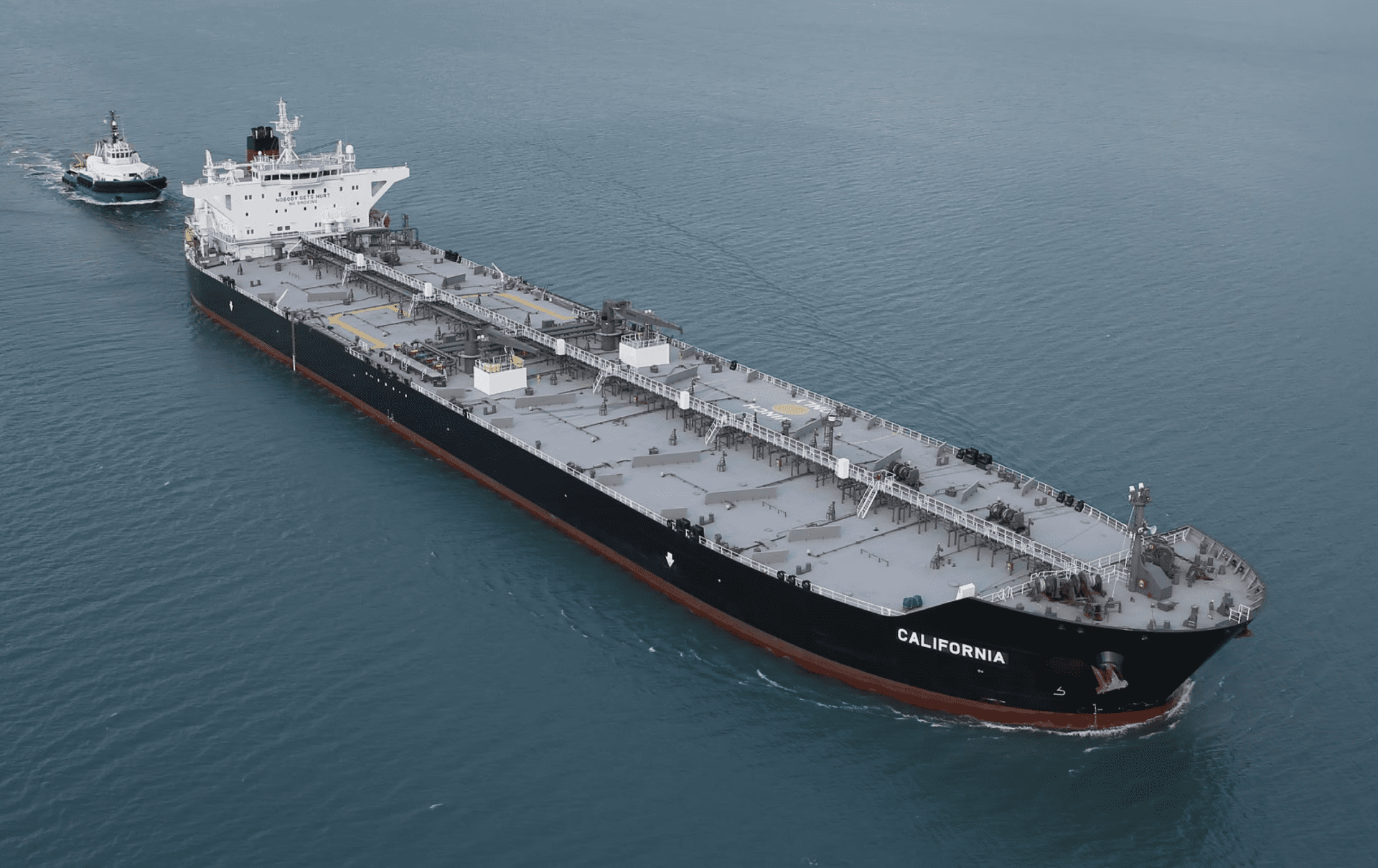
The freight dimension reshapes where margin actually sits in this trade. A VLGC carrying approximately 44,000 cubic metres of LPG on the US Gulf to India run earns freight in the range of $90–110 per metric tonne at current rates a meaningful premium over the $60–70 per tonne observed on the same route eighteen months ago. That elevated freight accrues to vessel operators and shipowners, not to cargo buyers. For OMCs attempting to diversify LPG sourcing away from Saudi CP exposure, freight is not a mitigant it is an additional cost layer compressing a margin that is already deeply negative. On the sell side of this trade, owners of VLGCs with tonnage positioned in the Atlantic Basin are capturing windfall revenue from exactly the supply dislocation that is punishing Indian state buyers. Freight here is not a rounding error in the landed cost calculation. For smaller LPG importers regional gas distributors or state-level LPG bottling entities buying spot volumes rather than operating under long-term Aramco contracts the delivered cost from non-Gulf origins is even more punitive.
Private Indian refiners and fuel marketers gain a structural advantage in the current environment that is worth naming explicitly. Companies not subject to administered pricing Reliance Industries' refining and marketing operations are the clearest example face market-linked product prices and are not obligated to absorb under-recoveries. On comparable petrol and diesel sales volumes, private operators are realising an implicit margin advantage of approximately Rs 7–10 per litre relative to OMC economics. That advantage does not require private operators to do anything different. It accrues passively from their non-administered pricing status while OMCs sell the same product at a mandated loss. On the buy side, retail consumers across India benefit directly from below market fuel prices a transfer of value from OMC balance sheets to household expenditure that is politically popular and fiscally costly in equal measure.
For large integrated operators an NOC trading arm, a major commodity trader with derivatives capability the Brent-LPG basis trade created by this dislocation is analytically interesting. If Brent continues softening toward $75–78/bbl while the Saudi CP for LPG remains elevated due to residual Gulf supply tightness, a trader who can source propane and butane in spot markets at a discount to CP-implied value captures a genuine arbitrage the difference between what the spot market prices the molecule and what the contractual reference says it is worth. That spread does not exist every quarter. When it opens, it rewards operators with physical origination capability and terminal access. For smaller regional LPG distributors or state government entities with no derivatives access, the practical equivalent is shorter contract tenors and bilateral clauses linking volume to a wider benchmark basket reducing single-source Saudi CP exposure where counterparties will agree to it.
The ceasefire development requires careful interpretation. The US-Iran ceasefire, according to reports, has reduced the immediate risk premium in crude. But analysts cited in brokerage research have specifically flagged ongoing uncertainty over the nuclear deal's permanence and its implications for Iranian oil flows through the Strait of Hormuz the 33 kilometre wide chokepoint through which roughly 20% of globally traded oil passes daily, including the LPG tankers that supply India's cooking fuel. The last major Hormuz disruption on this scale, during the Iran-Iraq tanker war of the 1980s, saw freight rates triple within weeks of significant incidents. Even partial normalisation Brent at $75–78 does not repair Q1FY27 OMC earnings, which are already locked in by the cost structure of contracts signed and inventory purchased over the preceding two months. Inventory rebuilding and strategic reserve replenishment by Asian buyers could also generate intermittent demand spikes, limiting how far or how fast crude eases.
Observers tracking OMC earnings recovery should anchor to three time-bound signals. The Saudi Aramco Contract Price announcement for August 2026 expected in the final week of July will indicate whether Persian Gulf LPG supply tightness is easing or persisting. A Saudi CP for propane below $600 per metric tonne for August would signal the worst of the LPG drag is passing; a price above $650 extends Q2FY27 pain and invalidates any recovery thesis on OMC margins. The second signal is the Union Budget supplementary estimates or any finance ministry communication on the excise duty framework a phased rollback announcement would immediately worsen the margin arithmetic by the full levy amount per litre. The third is Brent spot price relative to the $78/bbl threshold: below that level, diesel under-recoveries narrow materially for Q2FY27, but only if the excise framework holds and Saudi CP corrects simultaneously. All three signals need to move in the same direction for OMC earnings to recover meaningfully. As of late June 2026, none of the three has.
.jpg)

'%3e%3cg id='Final-Copy-2_2_' transform='translate(1275.000000, 200.000000)'%3e%3cpath class='st0' d='M7.4,12.8h6.8l3.1-11.6H7.4C4.2,1.2,1.6,3.8,1.6,7S4.2,12.8,7.4,12.8z'/%3e%3c/g%3e%3c/g%3e%3c/g%3e%3cg id='final---dec.11-2020'%3e%3cg id='_x30_208-our-toggle' transform='translate(-1275.000000, -200.000000)'%3e%3cg id='Final-Copy-2' transform='translate(1275.000000, 200.000000)'%3e%3cpath class='st1' d='M22.6,0H7.4c-3.9,0-7,3.1-7,7s3.1,7,7,7h15.2c3.9,0,7-3.1,7-7S26.4,0,22.6,0z M1.6,7c0-3.2,2.6-5.8,5.8-5.8 h9.9l-3.1,11.6H7.4C4.2,12.8,1.6,10.2,1.6,7z'/%3e%3cpath id='x' class='st2' d='M24.6,4c0.2,0.2,0.2,0.6,0,0.8l0,0L22.5,7l2.2,2.2c0.2,0.2,0.2,0.6,0,0.8c-0.2,0.2-0.6,0.2-0.8,0 l0,0l-2.2-2.2L19.5,10c-0.2,0.2-0.6,0.2-0.8,0c-0.2-0.2-0.2-0.6,0-0.8l0,0L20.8,7l-2.2-2.2c-0.2-0.2-0.2-0.6,0-0.8 c0.2-0.2,0.6-0.2,0.8,0l0,0l2.2,2.2L23.8,4C24,3.8,24.4,3.8,24.6,4z'/%3e%3cpath id='y' class='st3' d='M12.7,4.1c0.2,0.2,0.3,0.6,0.1,0.8l0,0L8.6,9.8C8.5,9.9,8.4,10,8.3,10c-0.2,0.1-0.5,0.1-0.7-0.1l0,0 L5.4,7.7c-0.2-0.2-0.2-0.6,0-0.8c0.2-0.2,0.6-0.2,0.8,0l0,0L8,8.6l3.8-4.5C12,3.9,12.4,3.9,12.7,4.1z'/%3e%3c/g%3e%3c/g%3e%3c/g%3e%3c/g%3e%3c/svg%3e) Privacy Choices
Privacy Choices